
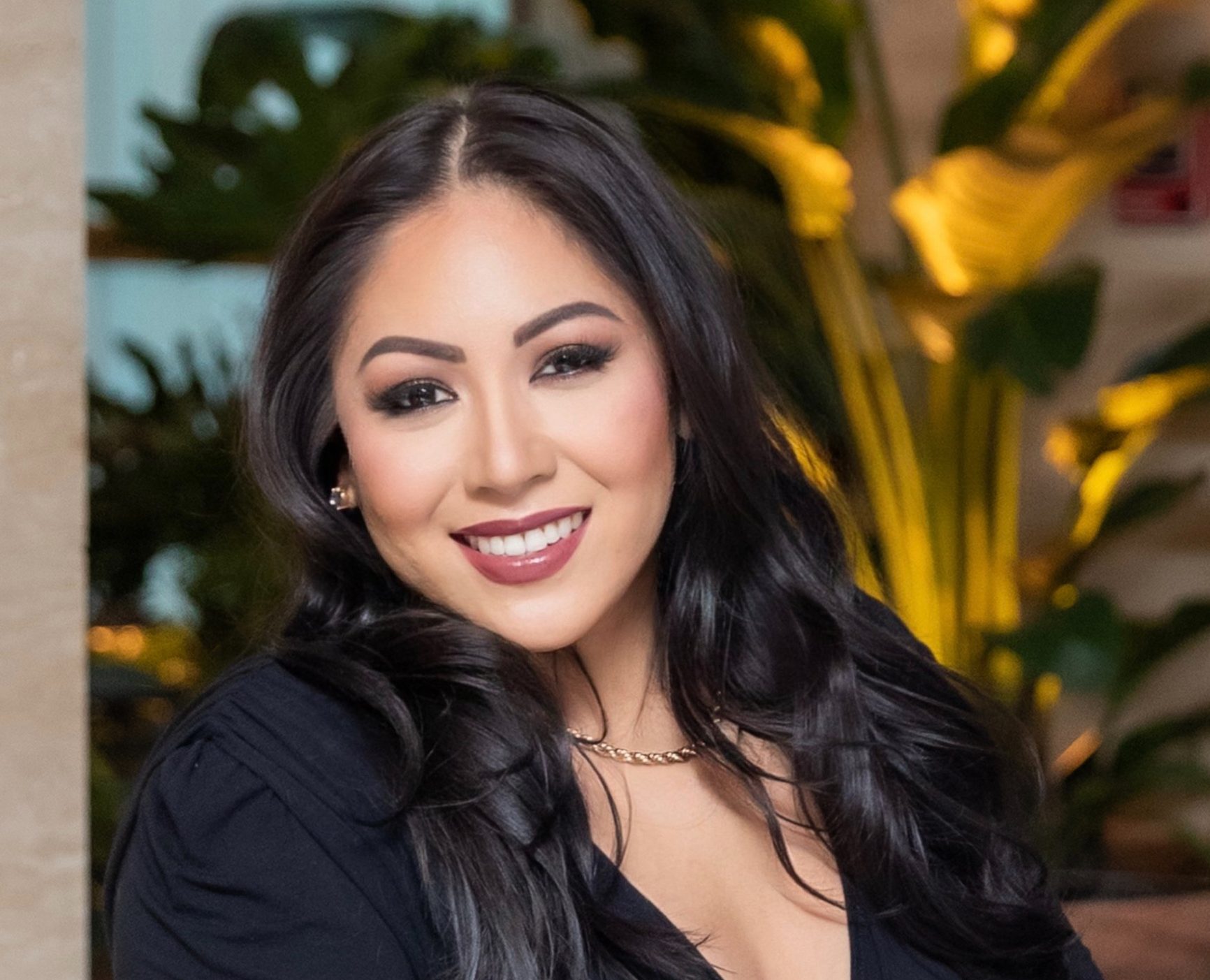
INTERVIEWER: Gökhan Çolak INTERVIEWEE: Jannelle Andes

Who is Jannelle Andes? Could you tell us a little about yourself?
My name is Jannelle Andes, but most people call me Jae. I’m a storyteller, journalist, and culture connoisseur. I’m passionate about connecting people through stories that transcend traditional media boundaries. I operate at the intersection of business, lifestyle, and culture. I’ve led global campaigns and produced disruptive content, immersive experiences, and innovative programs for iconic brands and celebrity collaborations, including Christian Dior, Moët & Chandon, Hennessy, NBA, Lenny Kravitz, Nas, the Grammys, GQ, and more. Through New York University’s Master of Arts in Journalism program, I honed my skills in research, reporting, writing, editing, and multimedia storytelling, crafting compelling long-form features and news stories for diverse audiences.
I love music, Mariah Carey, the New York Knicks, the New York Giants, the beach, Pilates, and traveling! My motto is “Challenge the status quo.”
My commitment to mentorship and education is demonstrated through my roles as a mentor for the Thurgood Marshall College Fund and board member for the Asian American Professionals Association, where I guide aspiring professionals in achieving their career goals. Recognized with New York University’s NIA Community Building and Advocacy Award and the PR News Online Diversity & Inclusion Award, my work underscores a dedication to social justice and community engagement.
What are your thoughts about the journalism profession today? What are the positive and negative effects of social media platforms on the journalism profession?
While information is more accessible than ever with so many ways to consume news, the rise of misinformation and disinformation, particularly on social media, poses a significant danger to the public. These issues, along with the lack of diversity in newsrooms and media, drove my decision to transition from brand storytelling to journalism, where I could focus on human-centered storytelling.

Do you think the professional ethics of journalism have been trivialized by the misuse of social media platforms?
Technology always presents new challenges to the professional ethics of journalism—whether it’s radio, TV, or social media. The fast-paced nature of news on social media platforms indeed adds pressure for journalists to maintain ethical standards and operate with integrity. However, social media also provides opportunities for journalists and organizations to engage directly with their audience, fact-check, and correct misinformation in real-time.
Do you see the YouTube platform as an alternative media space to the mainstream media? As a journalist, which media outlet do you prefer?
YouTube can serve as an alternative media space to mainstream media because it democratizes information-sharing, allowing for divergent perspectives and reaching diverse audiences without traditional gatekeeping. This platform is particularly effective for younger generations or those who prefer consuming content in more creative ways. But with this openness, it’s important for people to have media literacy and for there to be transparency and some safeguards to prevent the spread of misinformation.
Do you think journalists are turning to YouTube to express their opinions more freely?
I know some journalists who are turning to YouTube not just to express their opinions but also to market themselves. With the recent wave of layoffs in media, many journalists are freelancing or working to build their personal brand. They’re using not only YouTube but also other social media platforms like LinkedIn, Instagram, Facebook, X, etc.
What do you think about the development of artificial intelligence? Will it lead to radical changes in the journalism profession, as it affects other professions? What do you think will be positive or negative changes?
Artificial intelligence should be treated like any other new technology or innovation. It’s not meant to replace the creative or intellectual work of journalists and media professionals. Instead, it should be used to automate low-value tasks and create efficiencies, allowing journalists to focus on elevated storytelling, in-depth reporting, and fostering human connections. For those who understand this, AI can bring positive change. However, there will always be individuals and companies who seek to manipulate or deceive – regardless of the tool or technology.

Do you think the development of artificial intelligence will affect social media platforms? Will faster and more useful social media platforms emerge thanks to artificial intelligence?
AI has already impacted social media platforms. There are AI tools that integrate with social media to create and distribute content. New platforms will continue to emerge, not just because of AI, but because people have become conditioned to have social media in their lives—just like the telephone, electricity, or other modern-day inventions.
With the rapid development of technology, do new needs in the journalism profession necessitate the creation of artificial intelligence programs specific to the journalism profession?
Yes, AI programs or training specific to journalism should be developed, particularly in areas where AI can automate repetitive tasks like transcription, data gathering, and organizing production elements. However, this technology should not replace core journalistic ethics, such as sourcing or fact-checking. Instead, it should be utilized to remove redundancy, allowing journalists to focus more on strategic or creative thinking. This isn’t just about journalism—other industries can benefit as well. We have all the data and research on workplace dynamics, productivity, mental health, wellness, etc. We can’t add more hours in the day, but we can use our hours more wisely. That’s progress. That’s evolution.

Should courses such as “use of artificial intelligence in journalism” and “artificial intelligence and ethical principles” be given now to prevent the misuse of artificial intelligence in the journalism profession?
I don’t think a whole course on AI is necessary, especially since the technology evolves so quickly. Most journalism programs already require an ethics course, and I believe AI should be integrated into that curriculum. However, I do think journalism schools need to offer more courses focused on the practical application and technology being used in newsrooms today. If you’re applying for jobs and haven’t had much experience with the tools, platforms, or programs that news organizations use, you’re at a big disadvantage. You shouldn’t have to wait for or rely solely on an internship to get that kind of experience. It’s up to the university to make sure you’re getting that technical training or hands-on experience.
What advice would you give to young journalists and students studying journalism?
Listen. Learn. Feel. Find your voice. Experiment with different platforms—print, broadcast, digital—but ultimately, it’s your voice that must cut through the noise. If your voice isn’t clear in your head or your heart, how can you expect others to believe that the stories you tell matter? If you don’t like what you hear, change your tune.
Leave a Reply