
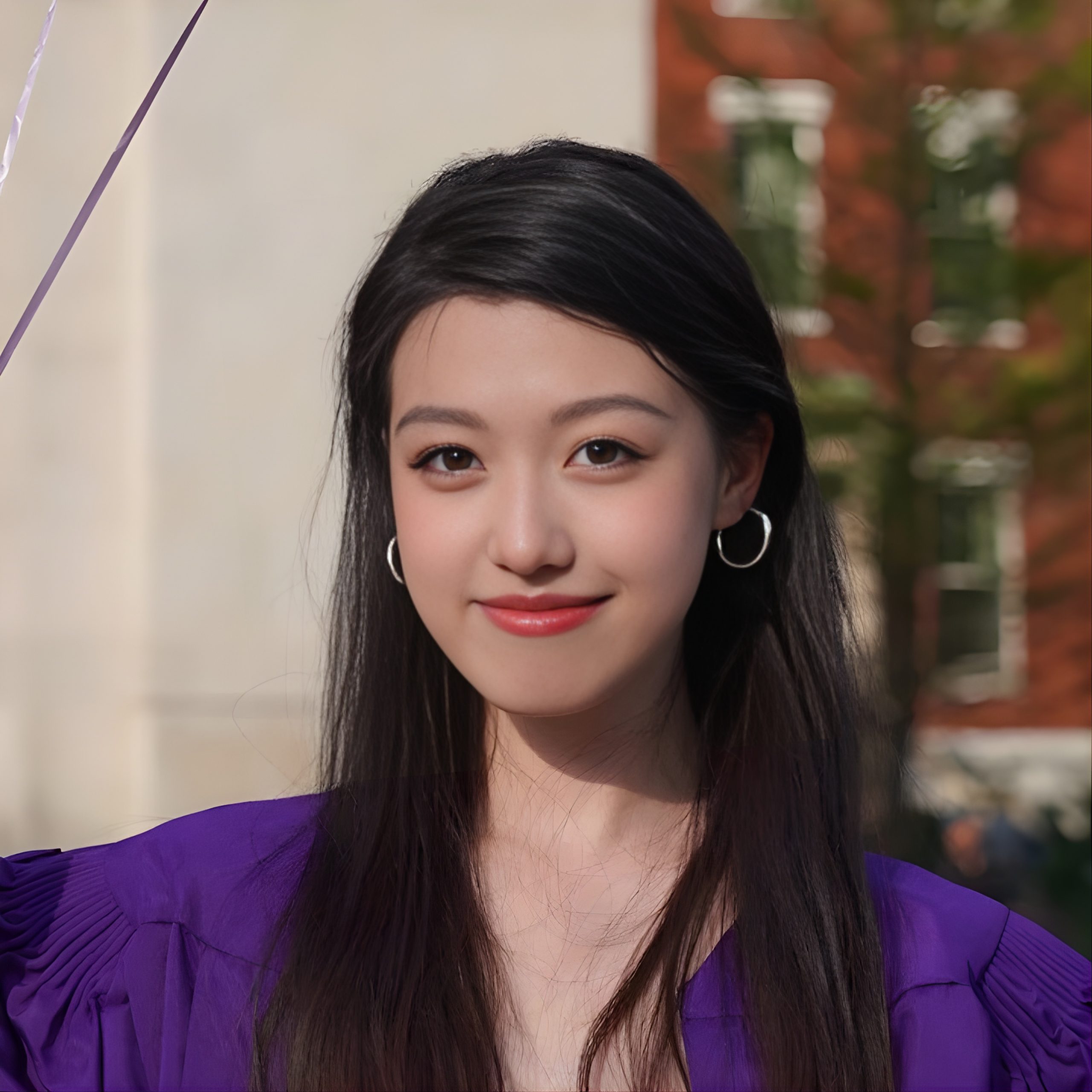
INTERVIEWER: Gökhan Çolak INTERVIEWEE: Zhouer Liu

Who is Zhuoer Liu? Could you tell us a little about yourself?
I was born and raised in Zhejiang, China, and completed my B.A. at New York University, double majoring in Broadcast Journalism and International Relations. My journey into journalism started early, at 13, when my father gave me a DSLR camera and took me out to photograph landscapes in Hangzhou. While my dad focused on the beauty of the landscapes, I found myself drawn to the people in the frames—their stories and how they connected to broader social realities.
My curiosity expanded to regional politics and the social justice issues facing marginalized groups in rural China, which solidified my decision to pursue journalism. Photography has always been a part of my life, thanks to my father, but during college, I grew more interested in filmmaking. Now, I’ve found a way to combine both passions, and I’m currently studying news documentary filmmaking at UC Berkeley to continue refining my skills in telling powerful stories through both visual media and journalism.
What are the contributions of digital media to photojournalism?
Digital media has transformed photojournalism in ways that are both exciting and impactful. It’s made storytelling more immediate and accessible. Photojournalists can capture and share stories in real-time. Instagram for example has expanded the reach of visual storytelling, connecting photographers directly with audiences and breaking down barriers between the journalist and the public. For someone like me, with a background in video production, photojournalism, and digital platforms, digital media has opened up new creative opportunities. It allows us to experiment with formats like interactive photo essays or pairing still images with audio and video to create immersive experiences. Tools like Lightroom and Photoshop help enhance images to better convey the story and platforms like WordPress make it easy to publish stories independently.
Digital media also contributes to accessibility and inclusivity in photojournalism. It’s easier now to cover and also reach out to underreported communities, amplify marginalized voices, and engage audiences across cultures and languages—something I’m particularly passionate about.

What are the positive or negative effects of alternative media on the journalism profession? Do you think photojournalists are professionally free in alternative media fields?
Alternative media has both its pros and cons when it comes to the journalism profession. On the plus side, it gives underrepresented voices a chance to be heard, allowing marginalized communities to share their stories. For instance, platforms like Democracy Now! have played a huge role in giving a voice to social justice movements, helping to challenge the mainstream narratives. It also encourages innovation in how stories are told. Think of Vice or independent YouTube channels that mix documentary-style reporting with creative visuals — these outlets push the boundaries of traditional journalism.
However, there are some downsides too. Alternative media often lacks the resources or editorial guidelines that traditional outlets have, which can sometimes lead to misinformation or weaker fact-checking. Independent blogs or small websites, for example, might sometimes spread unverified information, which can hurt the credibility of the broader journalism field. Without strong editorial oversight, the reporting can sometimes veer into sensationalism or bias.
As for photojournalists in alternative media, they experience both more freedom and more challenges. On one hand, independent photo projects give photojournalists the creative freedom to tackle stories that mainstream media might overlook. They can cover issues like climate change or social movements, just like Magnus Wennman, who uses his photography to shed light on the refugee crisis. But on the other hand, these outlets often don’t have the budgets or editorial support that larger organizations do. This means photojournalists in alternative media might not always have access to the best equipment or resources to fully pursue their stories.

Do you think artificial intelligence will contribute to photojournalism? What should we pay attention to regarding ethical principles in this regard?
Yes, artificial intelligence has the potential to significantly contribute to photojournalism, especially in tasks like creating visuals, enhancing image quality, or generating promotional materials such as posters. These tools can save time and allow journalists to focus on storytelling and reporting.
However, AI’s ability to alter or generate content raises major ethical concerns. Manipulated images could blur the line between truth and fiction, undermining trust in journalism. It’s crucial to prioritize transparency—clearly labeling when AI tools have been used—and to ensure the content remains faithful to the reality of the events being covered. Ethical principles like accuracy, accountability, and the responsibility to avoid harm must guide any use of AI in photojournalism.

Leave a Reply