
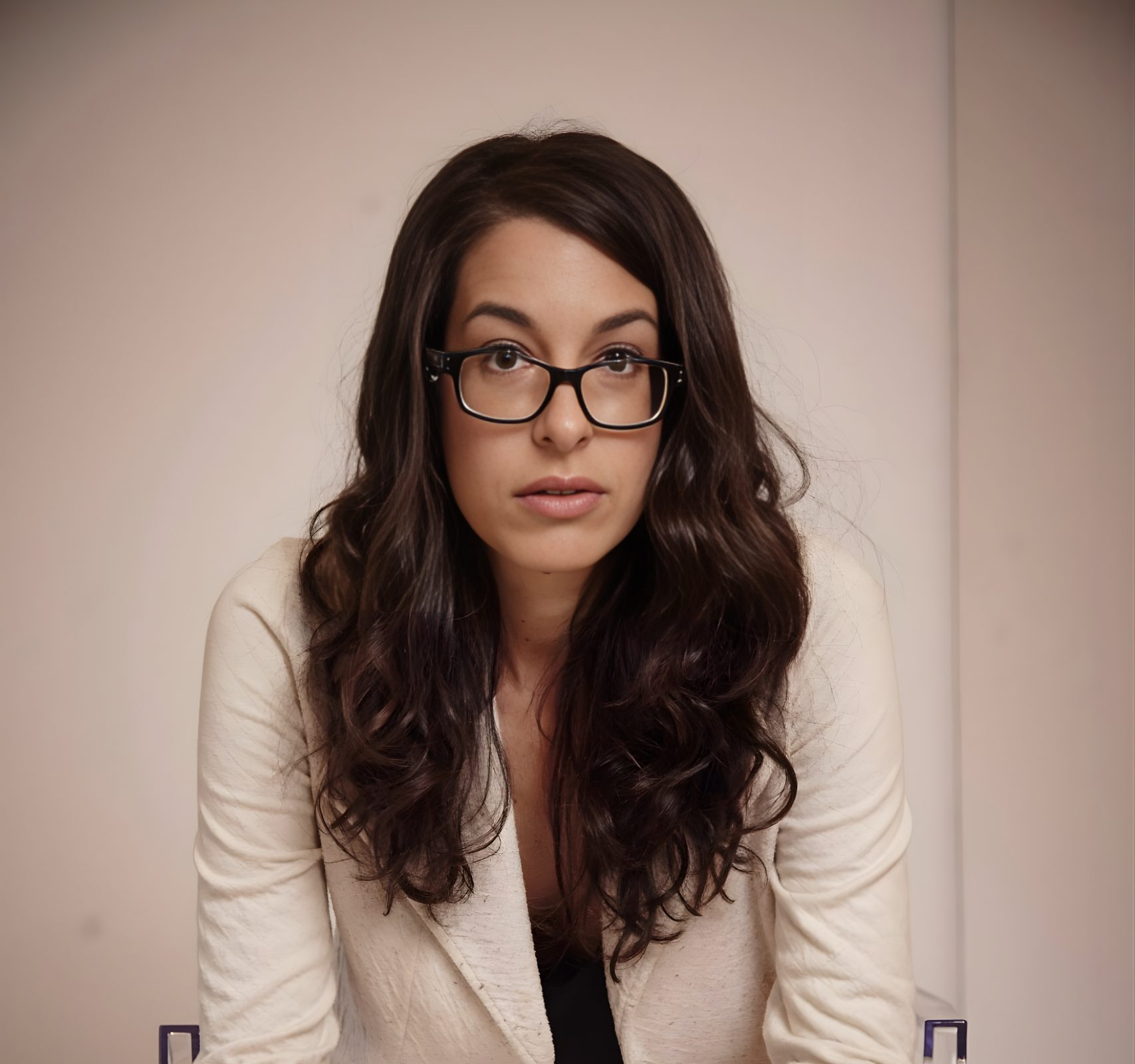
INTERVIEW SERIES: Storytelling Workshop: Exploring the Next Generation of Journalism INTERVIEWER: Gökhan Çolak | INTERVIEWEE: Sally Herships

Narrative and Journalism Practices
In podcasting and radio, how does narrative storytelling shape public understanding?
This is a big question! Probably better to chat about this one.
How do you determine the rhythm and pacing of a story in audio journalism?
There are a lot of elements that can shape how an audio story sounds: length of the piece, style and structure of the show, the time you have to turn it around in. When I’ve thought about rhythm or pacing it’s generally been very specific to a particular story. I’m typically wondering, what style is most appropriate for this specific piece (ie, fast, slow, etc) as well as what the best order information should be parceled out to a listener in being careful not to overwhelm them. Then, there’s the storytelling aspect of things. Which information should come when? What should be a surprise and what does the listener need to know when?
The Power of Sound and the Rise of Podcasting
Podcasts are increasingly replacing traditional media. In your view, how is audio journalism transforming news storytelling today?
Huh. I’d have to research this which I haven’t, and the data may be there but I can’t quickly find anything that says podcasts are replacing traditional media. Here’s what a quick search at Pew Research did turn up:
We’re taking in less and less news, Americans have trust issues with the media and traditional media outlets like print newspapers and local TV news are seeing a decline. (https://www.pewresearch.org/short-reads/2023/10/24/americans-are-following-the-news-less-closely-than-they-used-to/)
- “ just over half of U.S. adults (54%) say they at least sometimes get news from social media” https://www.pewresearch.org/journalism/fact-sheet/social-media-and-news-fact-sheet/
- 29% of Americans who have listened to a podcast in the past year are doing so to stay up to date about current events: https://www.pewresearch.org/journalism/2023/04/18/podcasts-as-a-source-of-news-and-information/.
- At the same time though, it’s also worth pointing out that many podcasts are traditional media. For example, the BBC World Service, Morning Edition and All Things Considered are all shows I used to listen to live on my radio. Now they’re also podcast.
What I can tell you without Pew Research is that journalism is critical to a functioning democracy and to hold power to account. And, that audio storytelling is one of the oldest forms of sharing information. It was around before writing and when humans were telling stories around campfires. More recently, Tesla and Marconi were experimenting with radio in the late 1800’s and radio news has been around, widely, since the 1920’s. If podcasting is making audio more popular again – great!

Radıo Boot Camp: A Pedagogical Initiative
How did the idea of founding Radio Boot Camp come about, and what core skills do you aim to teach participants through this program?
It’s been so many years I don’t remember anymore! What I do remember is that for the first few years at least, Radio Boot Camp was a two day class. It was fast and intense and a lot of fun. But, it only covered the basics and after class students would ask where they could go to take more classes and learn more and aside from longer programs like grad school there just weren’t that many options.
In terms of skills we’ve tried to cover all the basics – really everything from A to Z. Everything from writing, interviewing and sounding like yourself on the mic to podcast pr and mixing. There’s even a class called “How to make an audio doc from soup to nuts”.
Teaching and mentorship
What are the most common challenges students face in your classes at Columbia University?
I’m guessing that they’d answer this way: too much work and deadlines!
How do you balance classroom instruction with field experience in journalism education?
When it comes to theory and practice I’m a firm believer in practice. Once the students get their instructions it’s time to hit the streets and start reporting!

On the Future of Journalism
Do you believe a sustainable balance between traditional and digital media is possible in the future of journalism?
It has to be.
How do you see technologies like artificial intelligence shaping the future of audio storytelling?
It’s obvious that AI is coming for us. Or, perhaps it would be more accurate to say that we have created something that’s equal parts powerful, promising and petrifying like the Atom bomb. So far no scientist or chatbot has managed to manufacture love, beauty or purpose and that gives me hope.
On a super granular level AI promises to do work like cloning our voices so we don’t have to speak. If you’ve flubbed part of your tracking, are far from a studio, sick, on vacation or deadline then I guess that could be helpful. I wouldn’t know personally as I haven’t tried that particular feature yet and am honestly freaked out by the concept of handing the keys to my vocal box over to technology. Maybe I’ll feel differently in the next year or two. I know that, for example, when it comes to medical research AI can be life-savingly helpful, but speaking specifically about audio, AI feels like a creepy roommate I’m stuck with and for now I’m locking the door to my bedroom at night.

Leave a Reply