
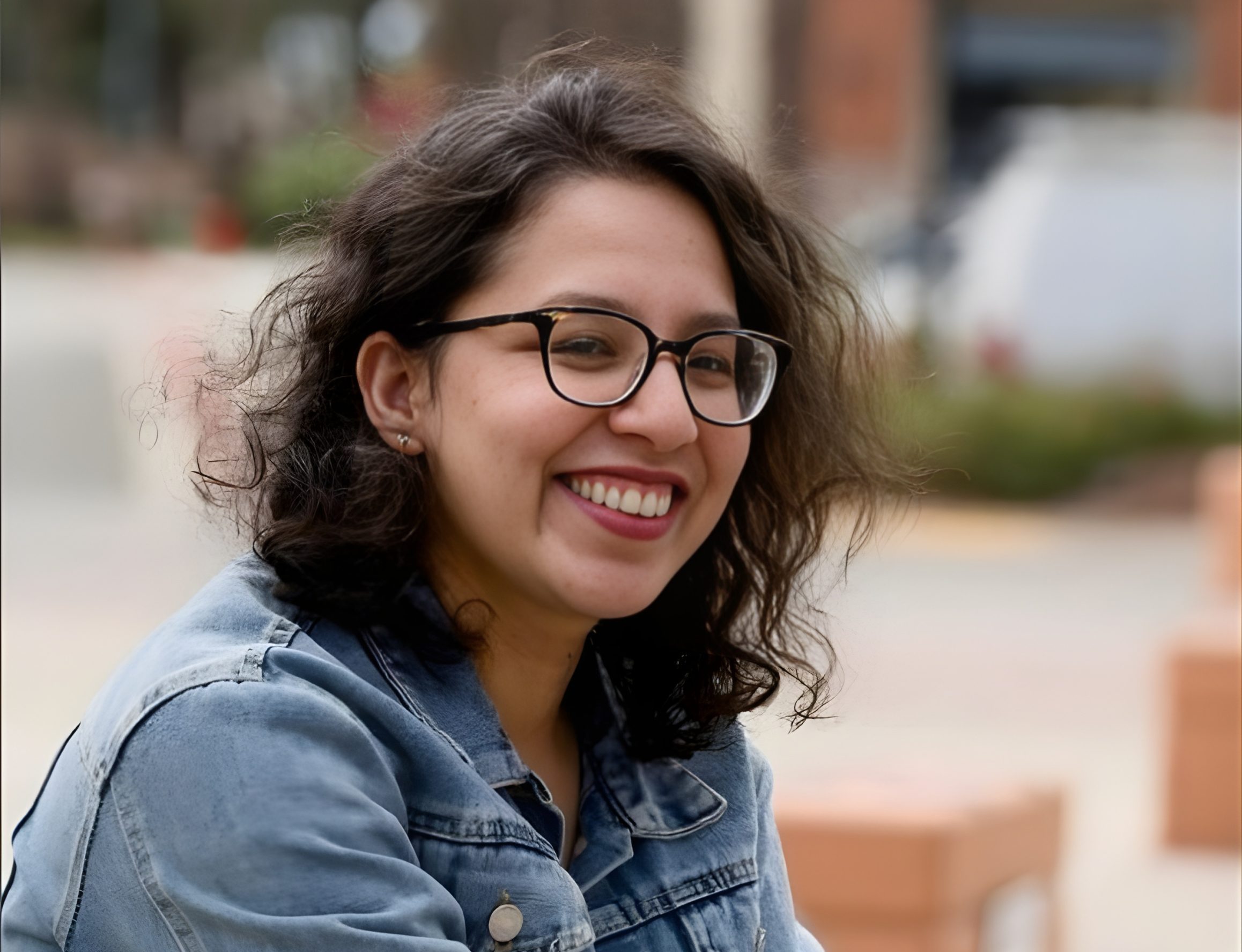
INTERVIEWER: Gökhan Çolak | INTERVIEWEE: Arooba Kazmi

Who is Arooba Kazmi? Could you tell us a little about yourself?
I dread doing intros but here it is. I’m an independent journalist, currently based in the Bay Area. Deeply fond of creative writing and visual storytelling, I often find myself vlogging or sharing reels on Instagram. My aim is to change the mapping of social media by being as vulnerable and as unfiltered as possible and I hope to do that using my own brand. When I’m not working, I’m traveling spending time with my friends at a local coffee shop or engrossed in conversation because well, I love to talk.
What are the positive and negative effects of digital media on the journalism profession?
Pros: Cost efficient – people don’t need to spend money to sign up for digital media platforms. They’re all free. Easily accessible/Global outreach – anyone anywhere can access social media all over the world. Engagement – audience and reporters can engage through comments, reels, videos, etc.
Cons: Fake news/misinformation – false news can spread quickly leaving folks to question credibility Decline of newspapers – millennials/Gen Z utilize social media platforms to consume news rather read newspapers. Newspapers cost money and often times people go for things that are free and easily accessible.

What should be taken into consideration when doing journalism in digital media?
Branding – Having an established platform or strong social media presence that promotes your organization and the stories you strive to tell.
Storytelling – Being able to use different multimedia techniques (reels, shorts, stories, vlogs) to tell or show the story that you are most passionate about and doing it in a way that is unique to your identity/brand.
Authenticity – Putting content out that is real and relatable to your audience. Ensuring all your content genuine, lacks filters and is true to who you are.
In your opinion, what are the ethical principles that should be followed?
Respecting Privacy – If you’re publicly speaking on a particular issue/topic, it’s imperative that you leave out names and protect the anonymity of others because it allows sources to trust you and your reporting while engaging in the material you put out there.
Taking accountability – It’s always great to be open to feedback and criticism. If you have make a mistake in your reporting and incorrectly stated a fact then it’s always best to accept your mistake and say you were wrong. That helps build credibility and allows ppl to trust and respect you.
Legal Media Laws – Ensuring anything you’re producing and putting out there is solely produced by you. If you are trying to promote works by other writers/journalists, then you should always be attributing it to them.
Building Credibility – When you initially start, your audience is small but overtime it grows if you’re putting out content that resonates with people. The way to go about it is by being vulnerable.

What do you think about online journalism?
Online journalism is ever-evolving. It’s certainly a necessary tool and one that many of us heavily rely on for our daily news consumption. Whenever there’s a crisis, whether it’s the Black Lives Matter movement or the Israel-Palestine conflict, online journalism is the best way to keep with the news. During the pandemic, that’s all that we relied on. Its presence is necessary to spread awareness and trends to ensure we are being heard.
How can we verify the accuracy of news published on the Internet? What should social media users pay attention to in this regard?
Engaging – By engaging in the content, asking questions and doing our own research. Sometimes the answers aren’t clear but we need to do our end of the work and the best way is to hop on a phone call.
Source – Check each source and ask yourself is the story coming from a credible publication? And also cross reference the sources. Many times the same story is covered by several media outlets but by reading or watching the news, we ensure whether something contains biases or is fully impartial.
Conduct Outreach – In each story, there will always be a primary source. See if you can get in touch with them. If you’re able to, often times, they can lead you to the right place.

Do you think that male dominance in mainstream media drives female journalists to digital media platforms?
This depends on the journalist. Just because the news environment is male-dominant, that should not deter women from pursuing jobs in media outlets. They should be able to establish a digital media presence, in addition to the jobs they do. These days, gender doesn’t take any precedence on whether someone has a digital media presence or not. Most journalists, men and women, have a strong social media presence, irrespective of their genders. Journalism is about storytelling and spreading awareness in a way that resonates with others and if you’re able to accomplish that, then your job is done.
Leave a Reply