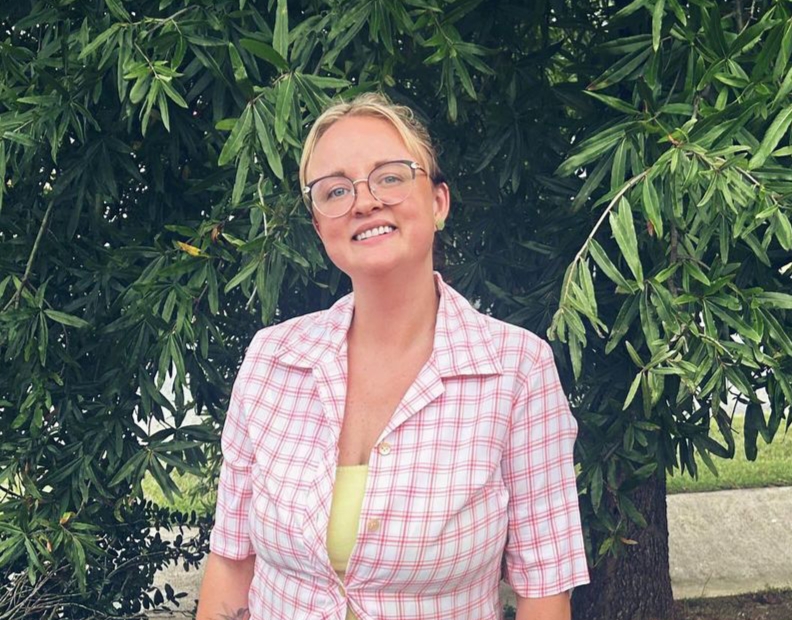
Who is Tricia Cherie? Could you tell us a little about yourself?
As a human, I am a creative who finds solace in many types of expression, from sketching and playing instruments to writing poetry. When it comes down to it, I am just a big kid who has never stopped asking questions. As a professional, I extend my curiosity for expression into the pieces I write as a music and culture journalist. I founded No Apologies Magazine during my undergraduate studies at the University of Mary Washington.
I was driven to create a space for unapologetic writing that challenges the status quo for myself and anyone who has writen for me along the way. My overarching goal is to blend pop culture with meaningful commentary, always aiming to engage readers with a bold, relatable voice. As a graduate student at NYU, I continue exploring stories that matter and am beyond excited for what’s yet to come!
What are social media platforms positive and negative impacts on journalism?
Social media platforms are both a blessing and a curse for journalism. On the one hand, they offer incredible ways to share your work and reach large audiences in record time. On the other hand, they give the same opportunities to people who don’t adhere to the ethical standards journalists are taught to follow. This become particularly alarming when someone can knowingly spread misinformation daily with a well-crafted me that others, possibly well-meaning folks, take at face take at face value and share with their friends and family.
Suddenly, you have a whole community confused about what’s actually going on, leading to the generalization that it’s all “fake news,” which isn’t the case. As news and journalism have evolved, social media has adapted, providing a perfect vehicle for informing audiences by making sharing easier than ever. In the right hands, this is fantastic, but in the hands of the ill-informed or malicious, it’s detrimental and can have real-life consequences. In short, what’s great about these platforms is also what’s terrible about them.
Is the number of journalists working in the mainstream media decreasing today?
It truly depends on how you define mainstream media. For some, mainstream press refers to broadcast journalists on major networks like CNN, MSNBC, and FOX. For others, it may be The New York Times or The Wall Street Journal. One thing is clear: we are well past the point of debating whether traditional print publications are understaffed —they statistically are. Optimistically, I would note that the journalism industry has become much more diversified, and journalists have met the times and adapted, channeling their skills in various ways to continue imparting the news. This might be through pieces published online as freelancers or more in-depth features in niche magazines.
By traditional standards, the industry has decreased significantly and will continue to do so until the definition of a journalist is redefined for proper polling. In a recent article in The Washington Post titled “Wait, Does America Really Still Employ a Ton of News Reporters?” reporter Andrew Van Dam says it best, “We’re all still… working the same long hours for the same unimpressive pay, feeding fact-checked information to a doubt-racked nation.”
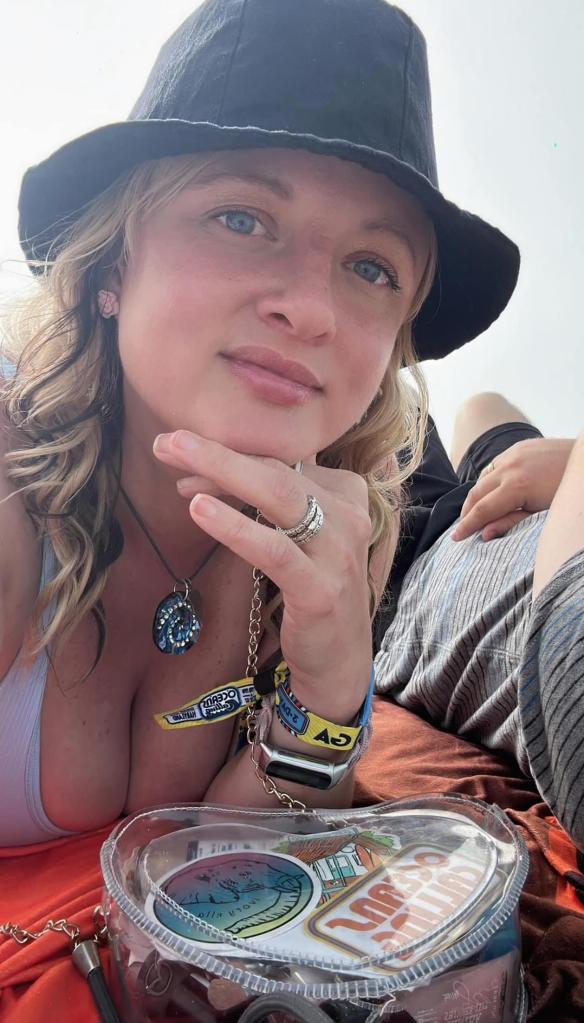
Is YouTube a new alternative to mainstream media?
Yes and no. I use YouTube to watch essential and well-vetted news programs like PBS NewsHour and various clips from major networks. That said, YouTube is a mix of professionals, podcasters, and video essayists. I also enjoy watching comedy programs like John Oliver’s Last Week Tonight and The Daily Show, both hosted by well-known personalities and supported by a team of researchers, writers, comedians, and, dare I say, journalists.
Do journalists have editorial independence on the YouTube Platform?
This varies on a case-by-case basis and depends on the publication and the type of news being covered. It’s difficult to give a definitive answer except for knowingly soliciting false or misleading information. In that sense, you could argue that many FOX reporters aren’t journalists, as they knowingly spread misinformation, and the FOX network itself claimed in court that their programming isn’t real news but entertainment.
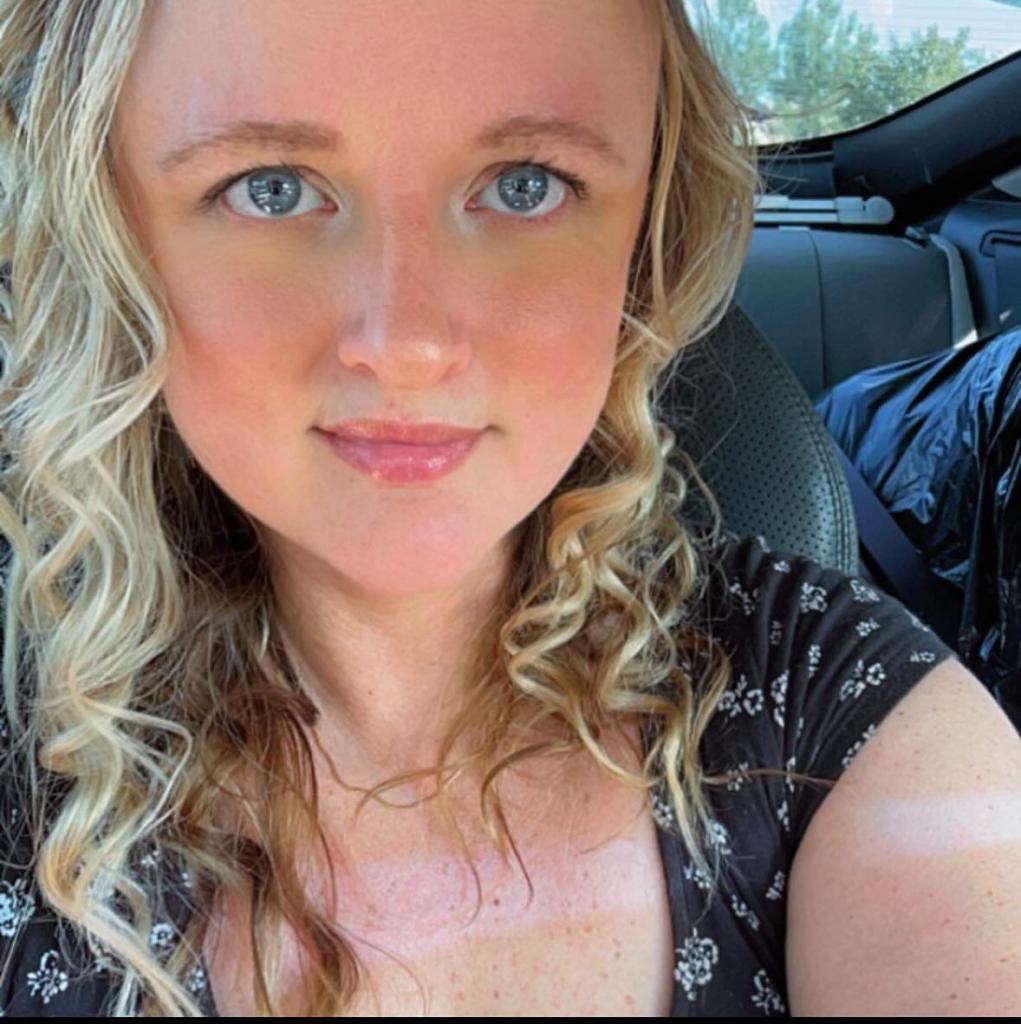
What do you think about the development of artificial intelligence? Will it have an impact on the journalism profession?
I recently finished reading Co-Intelligence: Living and Working with AI by Ethan Hollick, which I highly recommend for anyone interested in learning more about AI from an educator’s perspective. On a macro scale, artificial intelligence will impact almost every aspect of the workforce in the years to come. That said, AI and ChatGPT have already begun to affect journalism, and when applied appropriately, they are incredible tools for writers of all kinds. ChatGPT can serve as an editor, research assistant, or critic and help you expand your ideas. Instead of feverishly scanning your AP Stylebook or sifting through Google search results, you can ask your ChatGPT bot specific questions and get a direct answer in seconds. I tend to have a more optimistic view of AI, believing it will help journalism far more than hinder it.
 prcarnetworld.com