1. How did you become interested in visual journalism and how did you decide to pursue a career in this field?
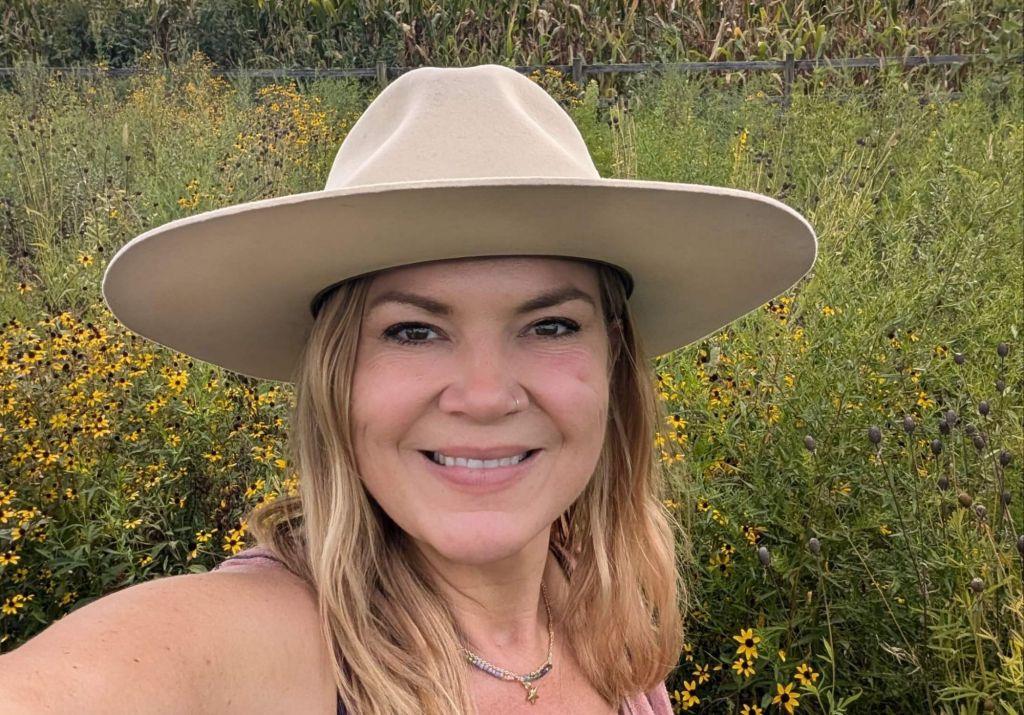
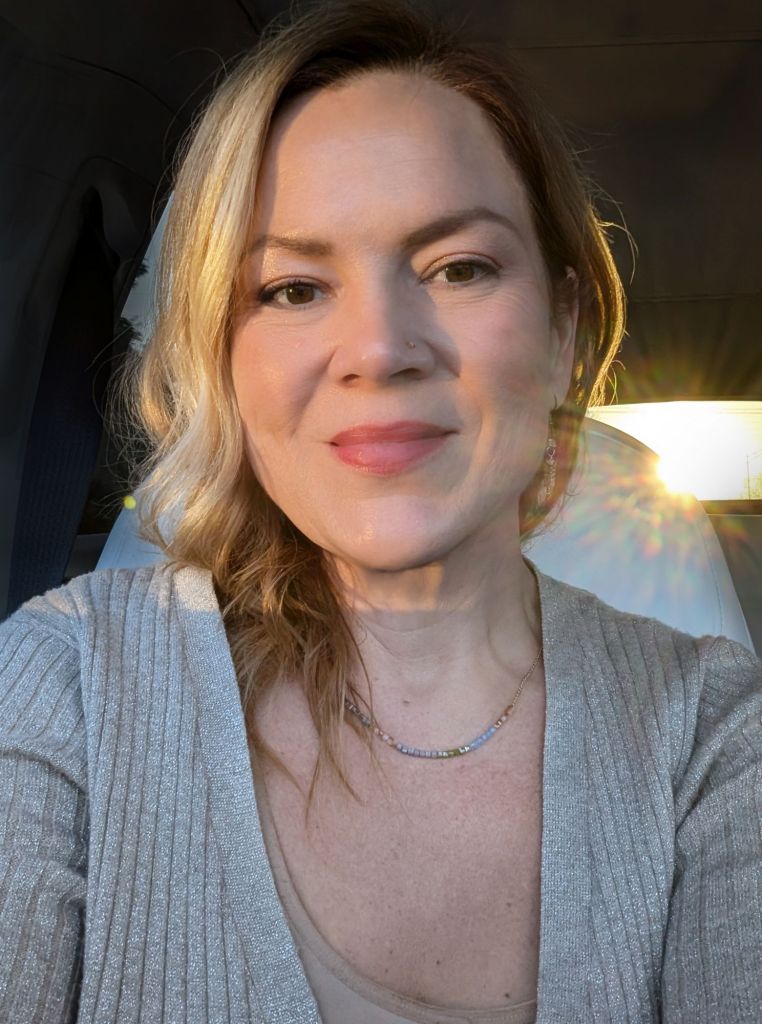
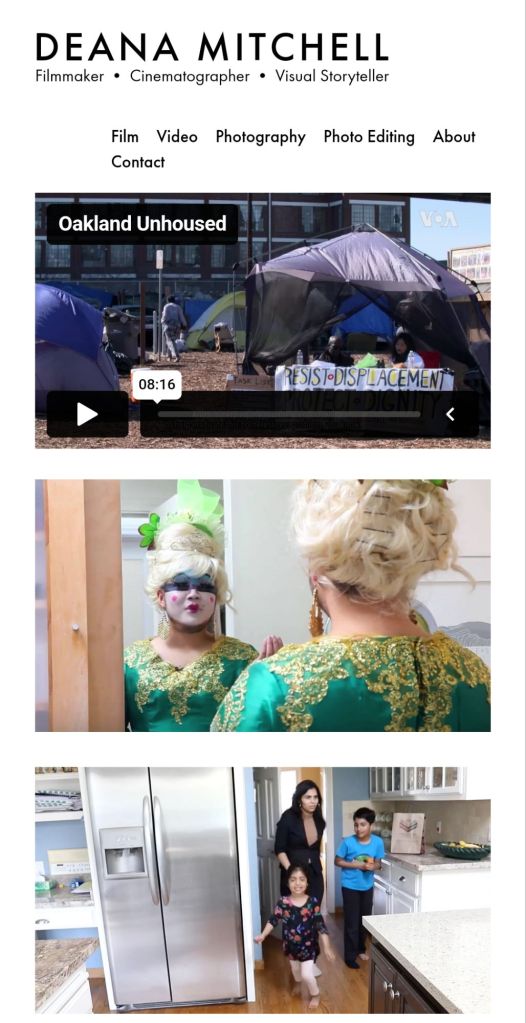
Even as a child, I always really loved going to movies, sitting in a dark theater and getting lost in another world for a few hours. It was a respite in a chaotic childhood, but I also specifically loved the visual storytelling. As a teenager, I started falling in love with directors who had a unique visual style like Spike Lee. At the same time, I found the photojournalism essays in magazines like LIFE to be very compelling. I loved how single images in a series could come together to tell a powerful story. I grew up in suburban Kansas City, so my artistic outlet was going to bookstores and grabbing a pile of photography books and pouring over them for hours. I started at the University of Missouri as a freshman planning to transfer to a film school. I got a work study job in the photojournalism department my first year, though, and fell in love. I liked the creativity of telling stories visually but also the independence of working as a photojournalist. After working as a still photographer and photo editor for ABC News for several years, I felt compelled to get back to my first love–filmmaking, so I went back to school to get my Masters in Journalism (documentary film) at UC-Berkeley. I’ve been doing video journalism and documentaries ever since.
2. What were the biggest challenges you faced in creating documentaries about various cultures and communities?
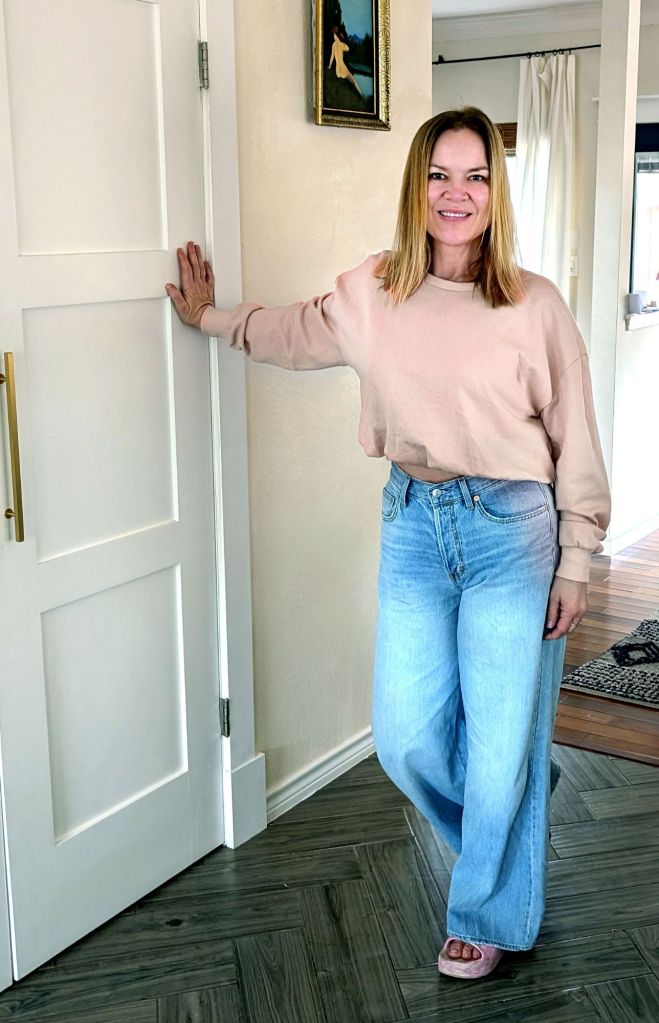
I think the biggest challenge in making documentaries is funding. There are a lot of talented people fighting for the same grants. So many passionate documentarians are willing to work for free up to a certain point, but in the end, you want to be able to pay people and to get paid. The work we do as documentary filmmakers is meaningful and we deserve to earn a living.
Getting to spend time with people from different cultures and communities is the silver living. It’s a gift to be allowed into someone’s life in such an intimate way. I do my best to document what I see and hear in an honest way that gives respect to the subject and their lived experience. It’s such an honor to be allowed to film or photograph someone. They are trusting me, and it’s a balance of remaining respectful and sensing their boundaries. It’s important to be able to sense when to back off and give them space. It takes time to build rapport with people.
3. You won the Northgate Award for your documentary “Before Dawn/After Don” What did this experience contribute to you?
I was in class with so many talented filmmakers and getting some recognition for my film was an honor.

4. As someone who has lived in different countries, how have your cultural experiences influenced your journalistic practice?
I didn’t come from a wealthy family. I took every opportunity I could, though, to travel. I took out student loans to study abroad in Mexico and Spain, and then I taught English in Japan after university to try to pay some of those loans back. While in Japan, I took opportunities to travel around different parts of Asia. I love hitting the streets, eating street food and going to local dance clubs, talking to locals. Even simple things are harder–like taking a cab, but it’s also truly living in the present moment. All of the senses are heightened—we see, hear, smell, taste, and touch new things. And, the understanding and empathy gained by talking with people with different perspectives is life changing. Our cultures help define us, but ultimately, we are all human.
5. How did you integrate drone technology into your journalism work and what are your experiences in this field?
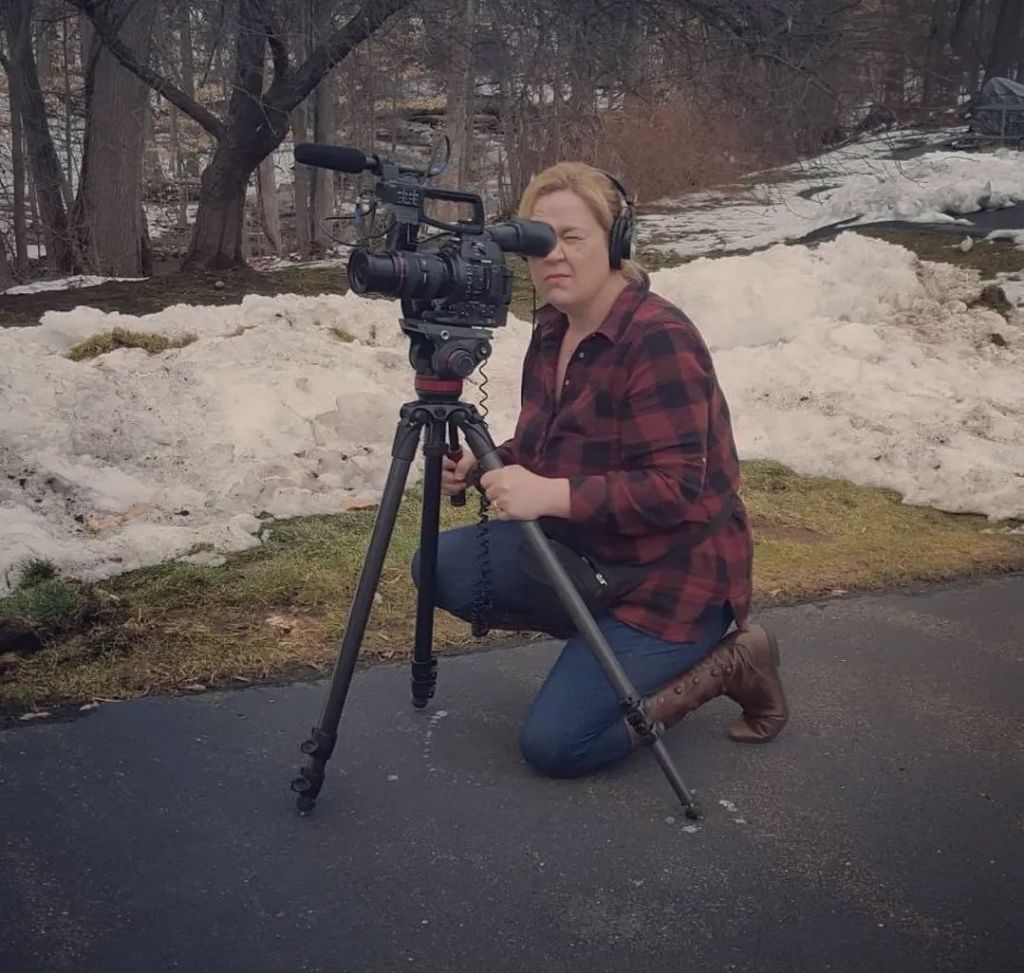
During covid when everything was shut down, my employer at the time, Voice of America, had us doing Zoom interviews. I felt frustrated not being able to get out and shoot stories. I decided to get my FAA Part 107 Remote Pilot Drone license, out of frustration. It was actually super interesting to learn so much about aviation and flight rules. Drone footage really helps elevate stories by adding bird’s eye views. They are also super fun to fly. I have gone to a few drone conferences, actually, and there are a shocking number of industries that employ drone pilots.
6. While working at Voice of America, how have you observed the impacts of AI and technology on journalism?
The Trump Administration is dismantling “Voice of America.” I was recently laid-off from my position there. While working there, I covered a lot of technology stories including many about AI. I think it will be interesting to see how technology like Open AI’s video generation model, Sora, changes the film industry. It is already mind blowing what you can already ask Sora to create–selecting the era, subject matter, camera, and visual style in a seconds.

7. What projects do you plan to work on in the future and what are the goals you want to achieve in your journalism career?
I love telling stories that focus on social justice, really I just love connecting with others and getting to spend time with them, and help tell their life story. I am open to doing this again for another news outlet, but I am also excited to direct and film more of my own documentaries. I am looking for a passionate editor to team up with. I have a few film ideas in the research stage and am excited to have a bit more time to focus on that.
I am also creating my own video business helping other businesses get exposure through sharing personal stories of why and how they got started. Honest storytelling is very powerful and, in my opinion, the best way to connect with other people. I am excited for this new stage.
 prcarnetworld.com