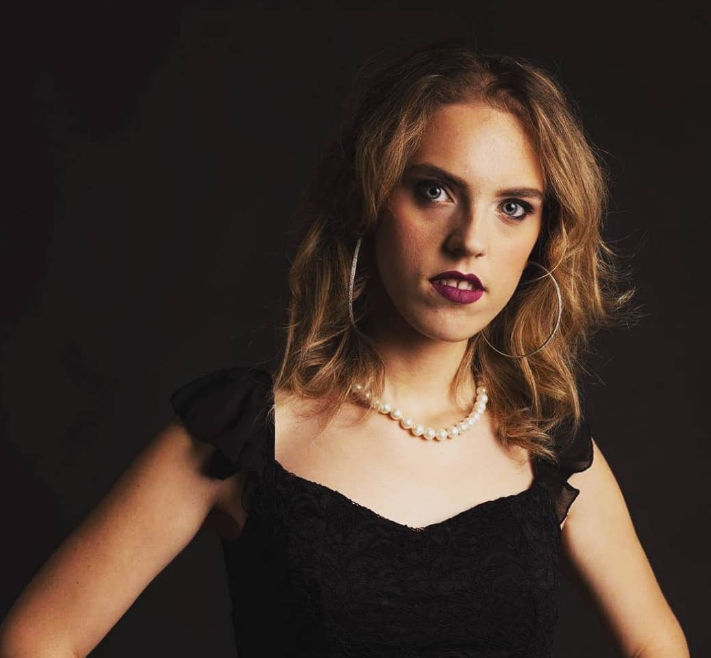
Interview with Actress Martina Pelone about Acting

Who is Martina Pelone? Could you tell us a little about yourself? How did you discover your acting talent?

I am a young actress. I discovered my love for this profession one evening while taking part in a beauty contest. We were asked to do a talent test and so I recited a monologue and I knew in that moment that this is what I wanted to do in life.

What is the importance of philosophical thought and imagination in acting? Can those who dont have philosophical thinking and creativity become actress?

Having philosophical thought, imagination and creativity is important in this profession because it is what helps us discover ourselves and when this happens we are able to bring both our internal and external world to the surface in the characters we play.

In your opinion what are the essential criteria for beıng a good actress?

I dont think there are specific criteria but certainly talent, determination, dedication and passion for this profession but above all you need a lot of luck.

Is it necessary to open acting faculties in universities? What studies can be done in this regard?

It would be very nice to have acting as a university subject. However, it must be said that there are faculties specialized in the theoretical study of the subject. For example, I study at the faculty of theater, cinema and media at Sapienza and the subjects I do help me to understand my profession from 360 degrees.
What are your thoughts about Italian Cinema? Will it surpass Hollywood Cinema in the future?

I really liked the Italian cinema of the past. or the cinema of Federico Fellini by Gino Pontecorvo. today Italian cinema I must say that there are moments in which I love it and others in which I dont like it very much, but I think that it is trying to go back up a lot, especially thanks also to directors of the caliber of Matteo Garrone and Paolo Sorrentino but it is not yet able to surpass Hollywood perhaps in the future but not yet.

Do you see any shortcomings in Italian Cinema in terms of acting and technique? How can these deficiencies be remedied?

I’ d be lying if I said no. Yes, I see that there are a few shortcomings in the Italian audiovisual context in various sectors and I’’’ m sorry about this because I think that Italian talents are actually second to none except that today a lot is reasoned from the point of view that a project must be based on views and earnings and in this way the talent and creativity part is put into the background and this does not give a way to truly show the true value that is part of this profession.

How are female actors represented in Italian Cinema? Do you have any criticism about this?

They are not badly represented, in fact from this point of view things are improving a little. also thanks to the fact that there is starting to be greater respect due also to the fact that abroad is increasingly interested in focusing on Italian actresses.

Do you fellOw cinemas in different countries around the world? Which country’s cinema interests you the most?

I really like French cinema and lately I've become very passionate about oriental cinema. I really like that oriental actors are able to act a lot with their eyes and this really makes you understand how the gaze and the imagination behind them do at least 90% of the work.

Netflix, Amazon and Disney movie platforms, what are their positive and negative effects on actors and the movie industry? Do you thınk these platforms bring Hollywood movies to the forefront?

The platforms have been an excellent help. because they have entered a moment of strong cinematographic crisis. but all this has a negative side, namely that there is a risk of replacement, let me explain, the platforms are overtaking the cinema, almost taking its place and this is very wrong.
What advice would you like to give to young people who want to become actors? How should they improve themselves?

Good question. I recommend studying, believing and not giving up even if the path seems impossible.
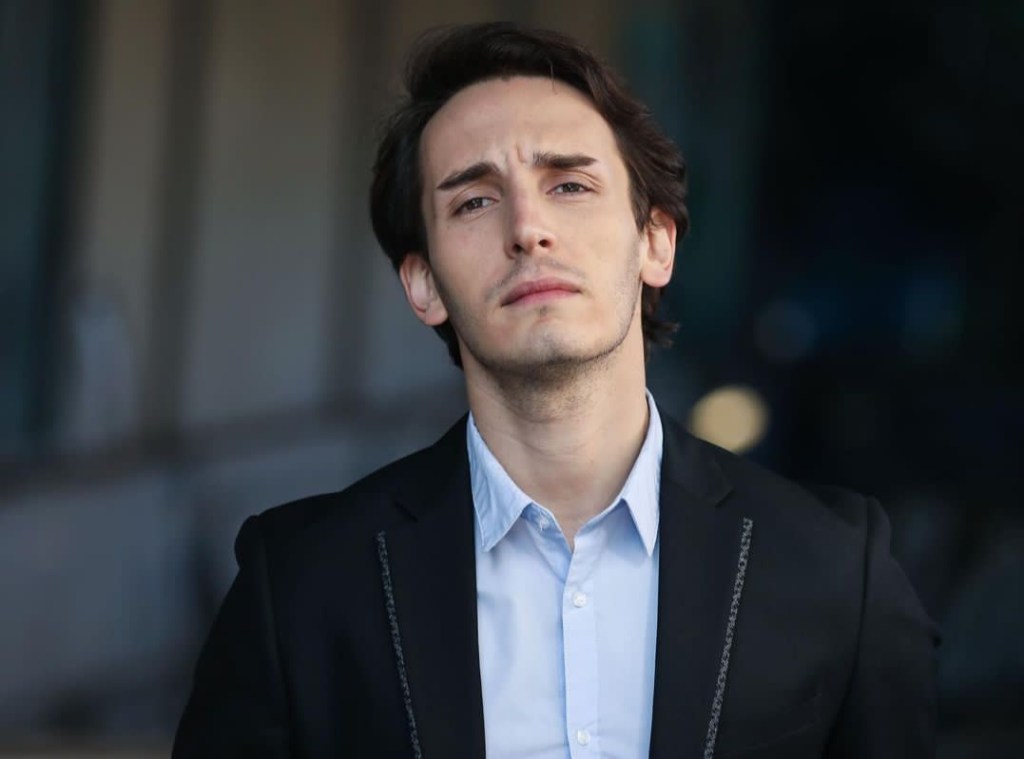
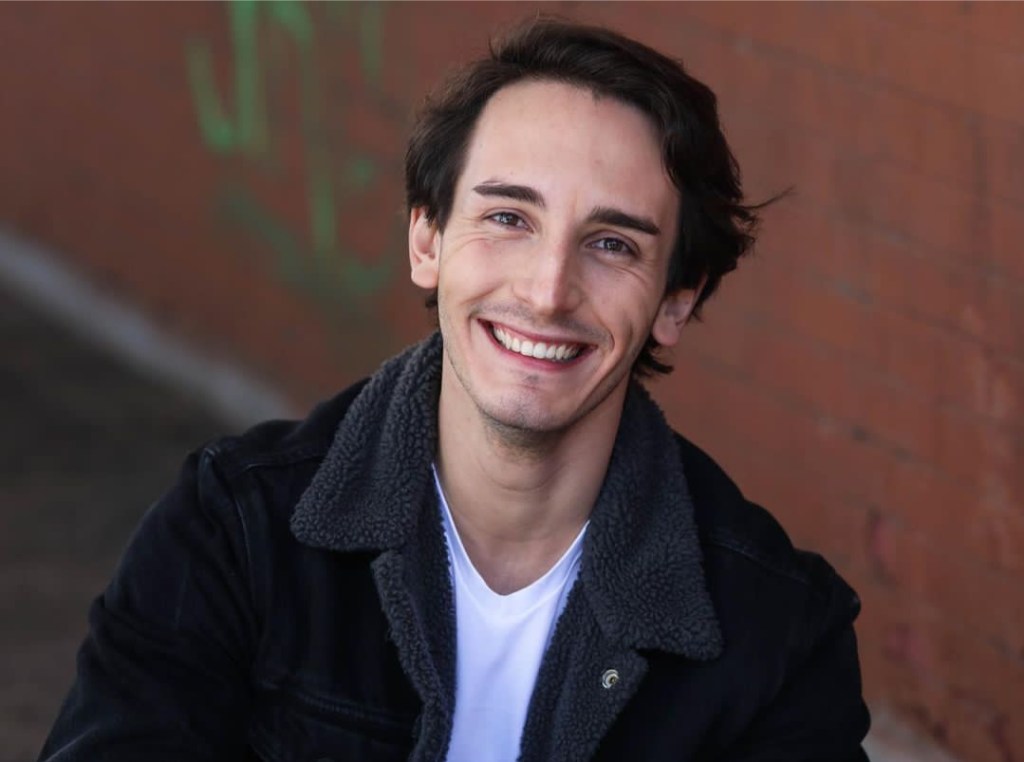
Interview with Actor Mattia Tassi about Agency and Acting

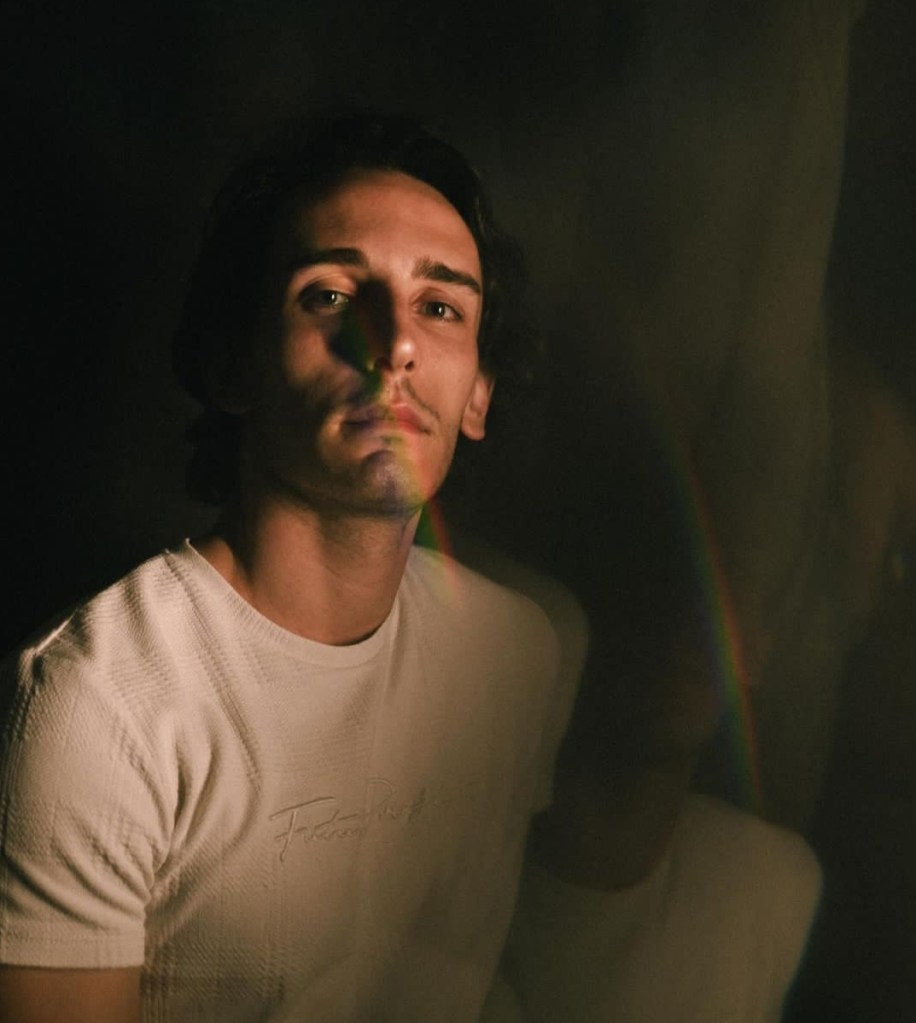
Who is Mattia Tassi? Could you tell us a little about yourself? *What would you like to say about acting? What are the positive and negative aspects of being an actor today?

I am a young aspiring Roman actor. I got “the calling” when I was 12 and have never thought about quitting since. acting is putting yourself out there by choosing to give yourself to people, whether those people are the characters or just the spectators. I don’t think there are objectively negative or positive aspects, it all depends on how the individual person experiences things.

One aspect that I would say is negative is the fact that the 25-35 age group is not talked about much. the age when you are both young and adult is bisfracted when in my opinion it is the most interesting for an actor finding a good agency is 80% of the job. then I also think that agents are like trousers, the same model can fit you well while it doesn’t fit me. At the moment I consider myself very lucky with @verastar.agency

What does being in an acting agency contribute to an actor’s success?

I am not a successful actor at the moment so I don’t think I can answer you but I promise that as soon as I become one I will come and answer you.

What advice do you have for those who want to become actors?

Resilience beats talent. this doesn’t mean that you shouldn’t have it, just as it doesn’t mean that talent shouldn’t be cultivated with study, but resilience is fundamental. If you want to undertake this journey you must be aware that it is a journey made up of ups and downs and you never see the light at the end of the tunnel so develop the ability to get up despite everything and everyone.

What is the importance of acting agencies for an actor?

An agency is the one who proposes you for casting lists for films but joining a large agency is not synonymous with a lot of work or guaranteed success. There is no recipe for this job so every thought must always be clarified and very personal.


Interview with Researcher, Author and Freelancer Emily Garside

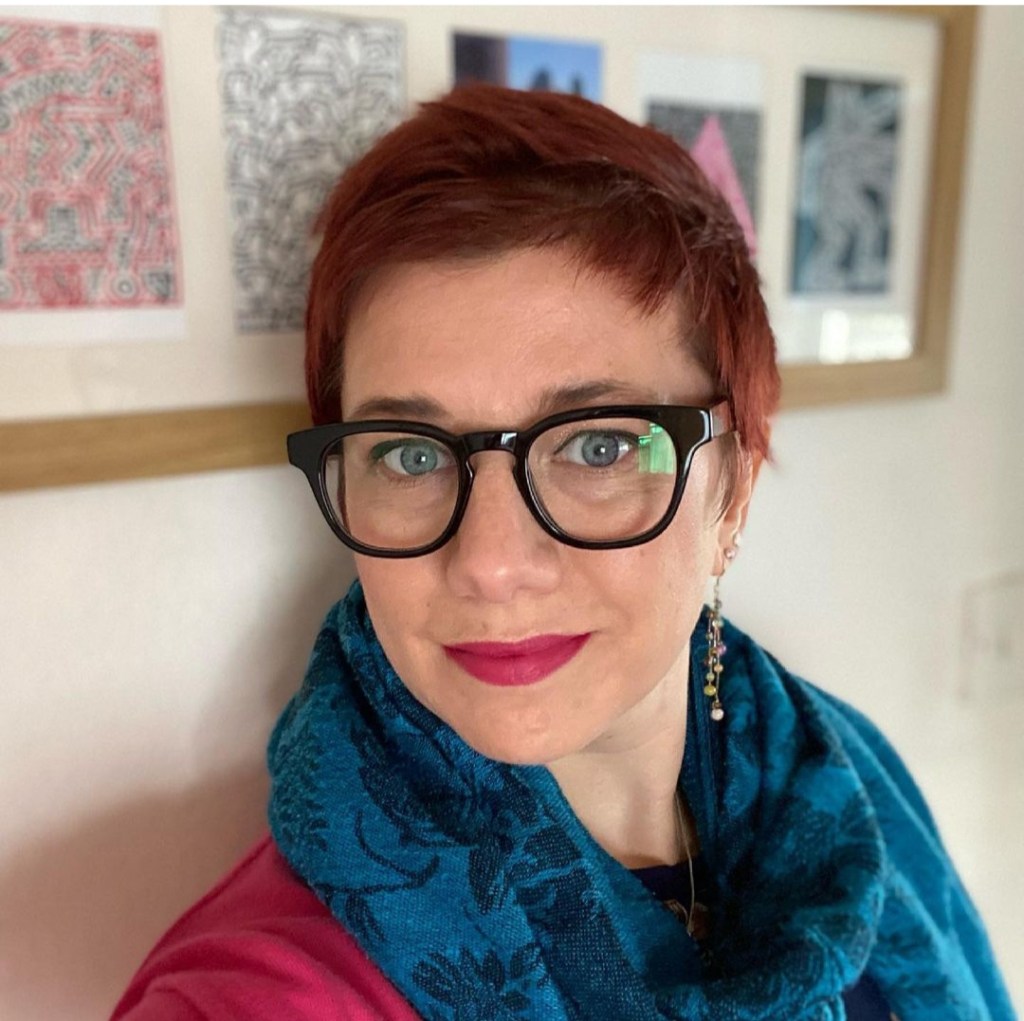
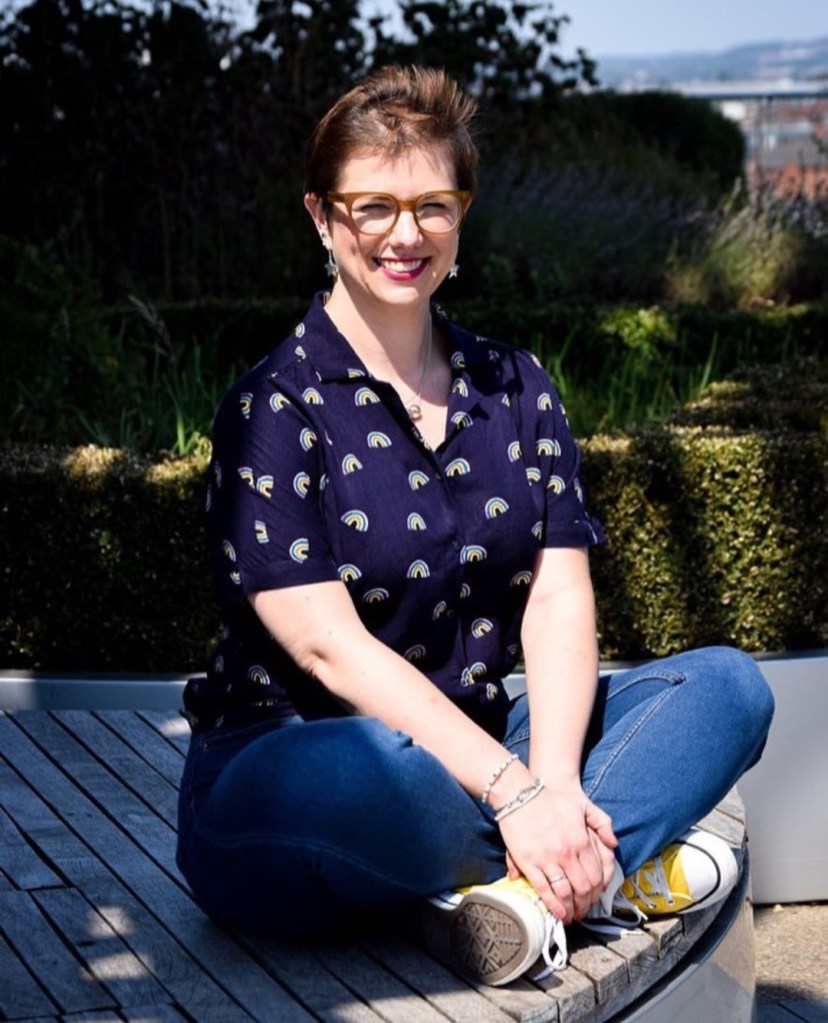
Emily Garside

Who is Emily Garside, could you tell us a little bit about yourself?

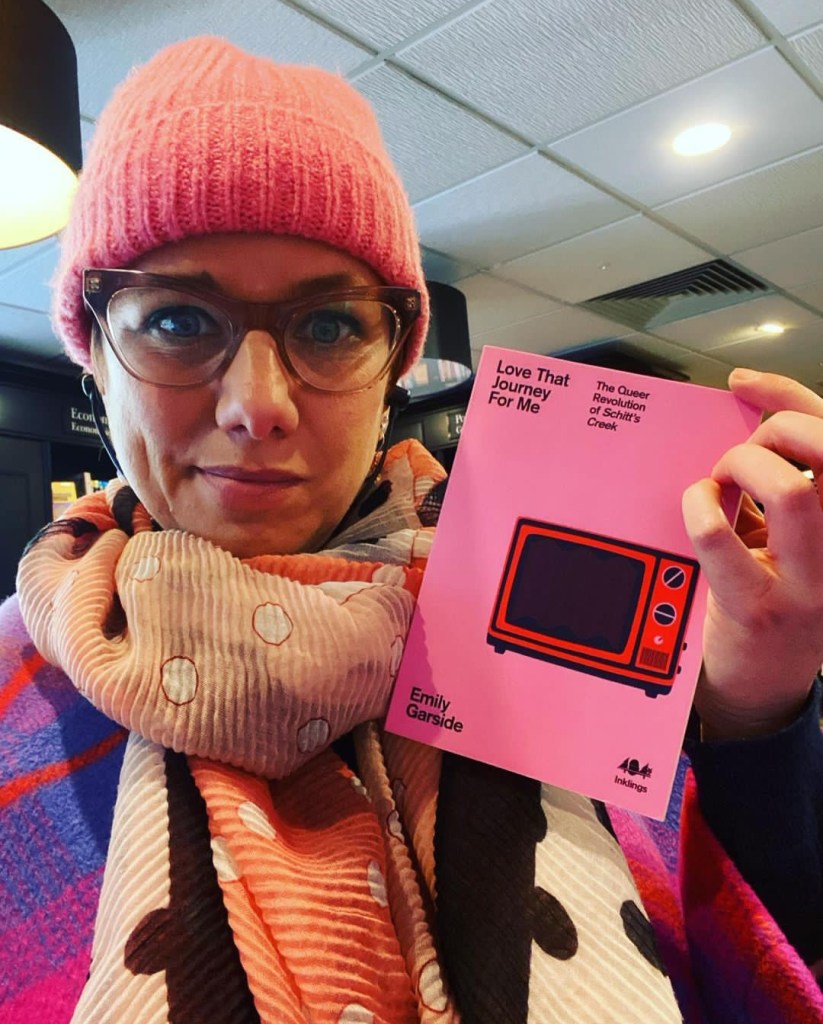
I am a a nerd for all things Queer History and Culture. Beginning with a PhD on theatrical responses of the AIDS pandemic, I got distracted by TV and accidentally wrote a book on Schitt’s Creek. I then turned a lifelong love of Doctor Who and watching Queer as folk too young into a book on Russell T Davies. I write on all things Queer theatre, with a speciality in musicals of course, TV and cultural history. And my mantra is ‘know your history’ and I seeks to educate Queer folks and allies alike on the hidden history of the LGBTQ+ community they might have missed.

Which work of yours are you most proud of, and what impact do you hope it will have on those who read it?

I’m proud of all the work in different ways. My book on Angels in America and my book on Rent represent the hard work of my PhD and two important pieces of theatre that mean a lot to me. My books on Schitt’s Creek represent both something that gave me a lot of hope and community at some difficult times (and something joyously Queer) and my work on Russell T Davies feels like a culmination of growing up a Queer nerd in Wales.

There are still many gatekeepers out there who limit the number of voices we have in writing. Even those who are attempting to ‘champion’ marginalised voices sometimes have a view of what that means and who can be ‘allowed’ a voice.

In your view, what are the biggest barriers to becoming a writer, and what needs to be worked on to break these barriers down?

It’s also a question of time and resources for many- not everyone has the time to dedicate not just to the writing but all the energy and resources it takes to do all the other things. Finally often LGBTQ+ writers are still treated as a ‘tick box’…often if somewhere has one ‘gay book’ or one ‘Queer woman writer’ they think that’s all they need. But obviously there are a lot of us with varied and valuable contributions to make.

What is the biggest challenged you’ve faced thus far in your writing journey, and how did you overcome it?

I think for me the transition from being an academic to whatever I’d call myself now. I still don’t feel at home in the academic space, and I feel like I left that behind a long time ago… yet its what people associate me with outside of academia. So for me a big challenge has been navigating what that means for my writing. And as with everyone finding the time to dedicate to writing while still earning a living. I think its easy to forget that writers rarely earn enough to get by on what they do, and so we’re all out here juggling a million jobs.

What does the process of ‘queering’ media look like to you, and why is it important?

For me it’s understanding what is already there and what is missing. I always say ‘know your history’ because there’s so much of Queer history that has been hidden from us, and that we should be striving to find out about, to know how to move forward. Equally, we should be listening to the community and remembering to elevate the voices who still lack representation- Trans voices, especially those from BIPOC, but also lesser-known identities like Asexuality all deserve representation as much as Gay and Lesbian characters and stories.

For me Queering media too is about breaking down the heteronormative and patriarchal norms that we all exist in- instead of embracing other ways to be in relationships, to have families and to exist. In my mind, we can only truly start to embrace that when we see it represented.

Do you have any concerns surrounding the tokenisation of queer themes and queer characters in media?

It’s definatly a danger- the idea that we have one gay, lesbian or trans character and representation is ‘done’ feels sometimes like the approach TV films or publishers take. However, i would never want to push back too hard on it because some representation still feels better than none. But we should keep pushing to diversify the people we see on our screens and whose work we are reading.

What key texts would you recommend to someone newly interested in queer culture and queer history?

For fiction you can’t go wrong with Tales of the City Armisted Maupin’s classic accounts of Queer community in San Francisco across the decades offer lots of history even though they’re fiction. For other history Queer City by Peter Ackroyd and Queer London by Alim Kheraj as well as Homo History by Aaron Twichen.

Are you optimistic about the future of asexual representation within popular culture? Why do you think it has taken so long for asexuality to be taken as ‘seriously’ as other sexualities in gaining media representation?

I think we are heading in the right direction. But obviously, there’s more work to be done. All round we need varied representation to understand that all Queer people aren’t the same. For Asexual represention things are better than they were even 2-3 years ago, but equally with more visbality comes sometimes misunderstanding and hostility. So we need to keep working to combat that.