

Women across the globe disproportionately occupy the low-paid, ‘low-skill’, and ‘low-value’ jobs underpinning society – from childcare to cleaning. This idea of ‘occupational inequality’ can aid in understanding not only financial inequalities women are facing in various business contexts – such as the gendered pay gap – but also inequalities of treatment, with the occupations held by women determining their broader social and moral ‘worth’ and treatment.
OCCUPATIONAL INEQUALITY
Women are majoritarily occupying what have come to be colloquially deemed ‘low-skill’ jobs, characterised by their undervalued, insecure, and low-wage nature. These occupations exist in stark contrast to ‘white-collar’ jobs as well as those traditionally associated with corporate ‘business’.
These disproportionalities have set precedent, with women then beginning to limit the occupations they feel they can access and navigate, limiting their prospects, and in turn, chances for occupational mobility. This means women enter the workforce in sectors with diminished pay and security, with minimal training and opportunities for mobility, creating ‘imprisonment’ in these occupations.
Moreover, when women do enter these higher-paying occupations, it is often at a far lower level than their male counterparts, with men taking up most senior managerial roles, and being favoured in receiving promotions.

Working mothers are disadvantaged here, in that senior and managerial posts are often accompanied with rigidity, contrasting the habitual flexibility associated with less senior positions. Taking the unpredictability of matters such as childcare, it is evident that this lack of flexibility in managerial positions establishes an obstacle prohibiting working mothers from attaining these roles.
It is in this sense that male privilege and successes become almost self-confirming, with the success of men in business being deemed a meritocratic achievement, and thus evidence of men’s superiority in the realm of the workplace. What this narrative neglects to acknowledge, however, is the intrinsic ‘head start’ men have received, simply by virtue of being men.
There is a broader inequality of occupation in gendered terms, with men dominating (the coincidentally high paying) fields of technology, mechanics, and engineering, whilst women remain in jobs related to the arts and human services. This ‘naturalised’ division of labour establishes divisions of training and education, with individuals being classified, educated, and offered opportunities in relation to their ‘natural’ occupational position.

Here we see the emerging of gendered ‘occupational segregation’ in employment and business, as patterns of male success emerge, creating hierarchies of value and worth in the workplace. As such, orders and hierarchies are being curated based on gender, but traits associated with genders are also being substantiated in relation to the broader order. In tandem, gendered orders and ordered genders work together to maintain dual processes of the valuation of men and devaluation of women in business and workplace contexts.
STEREOTYPES & OCCUPATIONAL LIMITATIONS
When discussing the occupational roles women tend to disproportionately occupy, it is also worth noting the naturalisation of stereotypes which then inform women’s employment. Hegemonically, it has become standardised that business surrounding ‘care’ belongs to women, be it through cleaning or catering. There are explicit sexist undertones explaining the disproportionality of teachers as women, providing a maternal, nurturing figure for young children – a mother away from the home.
When discussing the occupational roles women tend to disproportionately occupy, it is also worth noting the naturalisation of stereotypes which then inform women’s employment. Hegemonically, it has become standardised that business surrounding ‘care’ belongs to women, be it through cleaning or catering. There are explicit sexist undertones explaining the disproportionality of teachers as women, providing a maternal, nurturing figure for young children – a mother away from the home. These ‘natural’ qualities of compassion and nurturing are also laid out in accordance with air hostesses, having a primary role of emotional labour, providing care and support for those around them. The key component underpinning these roles is that of serving, whether physically or emotionally, the woman is having to serve the needs and demands of others.
‘EMOTIONAL LABOUR’
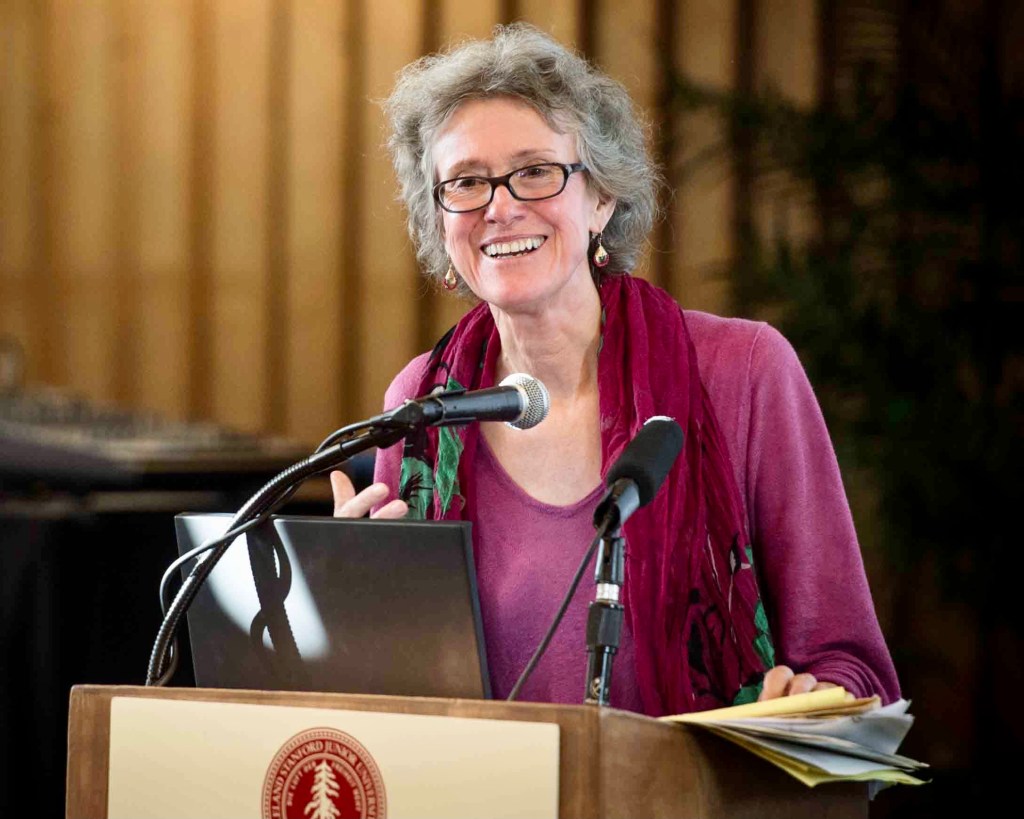
It is in these service-based occupations that there is a disproportionate necessity to carry out ‘emotional labour’ – a term established by sociologist Arlie Hochschild. In this context, ‘emotional labour’ refers to the regulation and management of emotions and feelings to ‘match’ the required profile and expressions associated with the job.
This ranges from control over vocal tone and word choices, to facial expressions and having ‘welcoming’ body language. This requires bodily work to display a certain image, in tandem with mental work to suppress certain emotions, whilst manufacturing personas which demonstrate the ‘desirable’ traits. Jobs dominated by women such as those in customer service, nursing, and childcare require friendly temperaments, and, considering pervasive stereotypes surrounding women having an innate ‘approachability’ and ‘hospitable’ character. This contributes to the established divisions of occupations, as the low-paid and low-valued jobs in businesses requiring emotional labour are more likely to be given to women who are ‘naturally incline d’ to possess these characteristics. With women often situated in employment which demands of them stereotypically ‘feminine’ emotions and actions such as empathy and care, this contributes to occupational segregation through associating the physical and emotional traits of ‘men’ and ‘women’ with certain jobs. This creates more broadly a classificatory system determining which jobs are ‘for men’, in contrast to which jobs are ‘for women’.
DOMESTIC LABOUR
Moreover, there is an overt division between ‘work’ as labour which receives monetary compensation and ‘work’ as necessary labour which remains both expected, and unpaid. This stems from underlying gender essentialising narratives of what it means to be a ‘woman’, associating women as having their time and energy naturally devoted to household chores and familial labour.
This is the imprisoning axis of contemporary womanhood, as, in the ‘business’ and ‘economic’ sphere, women are undervalued, yet, also in their ‘home’ sphere, they are also being devalued and deprived of the opportunity to rest, having the burden of domestic labour weighing disproportionately upon them.
This is reminiscent of the binary nature of the business/home ‘spheres’, with men dominating ‘business’ and ‘work’, whilst women are the focal point of domestic ‘home’ life. Thus, when women enter the workforce, regardless of their occupational prestige, it is still a transgression beyond women’s expected commitments to the home life, creating a barrier whereby women remain outside the accepted standard of who can enter ‘business’.
 prcarnetworld.com