
Interview Series: Photography in the Digital Age | Interviewer: Gökhan Çolak

Your photographic practice often places people and their personal stories at the center. As a photographer, how do you position the human face and body as a medium of visual storytelling?
For me, the human face is not simply a subject — it is a landscape of lived experience. In portrait photography I am less interested in appearance than in presence: that fragile moment when a person stops performing and allows themselves to simply exist in front of the camera. The face and body become a visual language through which memory, emotion, and identity can emerge.
You studied at the Łódź Film School, an institution known for its strong cinematic tradition. How has this background influenced your photographic aesthetics and compositional approach?
Studying at the Łódź Film School profoundly shaped the way I think about images. Cinema teaches you to think not only in frames but also in atmosphere, rhythm, and narrative tension. Even when I create a single photograph, I try to build a frame that feels like a fragment of a larger story — an image that suggests what happened before and what might unfold after the moment captured.
Portrait photography is often described not only as the production of an image but also as the creation of a relationship. How does the interaction you establish with your subjects shape the visual narrative of your photographs?
A portrait is always a relationship. The photograph is only the visible result of an invisible process: trust. When that trust
appears, the person in front of the camera begins to reveal something more authentic than any pose could produce. My role as a photographer is to create a space where that authenticity can emerge naturally.
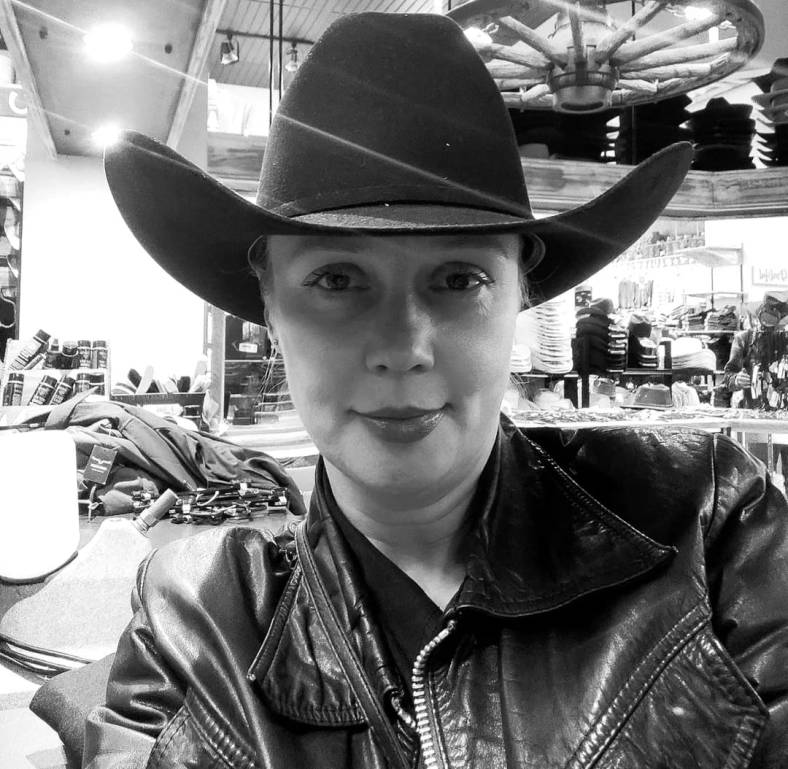
In your portfolio, thematic series such as Women, Men, Love & Marriage, and Family & Kids stand out. Do you see these categories simply as practical groupings, or as an attempt to capture different social and emotional stages of human life?
These categories reflect more than a practical structure. They represent different emotional and social dimensions of human life. Childhood, individuality, partnership, and family are stages through which identity evolves. Through photography, I am interested in observing how these relationships shape the way people see themselves and one another.
Digital technologies have radically transformed the production and circulation of photography. In your view, how has this transformation affected photography’s relationship with authenticity, intimacy, and documentary truth?
Digital technology has dramatically accelerated the production and circulation of images. However, authenticity in photography has never depended on technology itself — it depends on intention. Documentary truth is not only about what the camera records, but about the ethical relationship between the photographer, the subject, and the viewer.
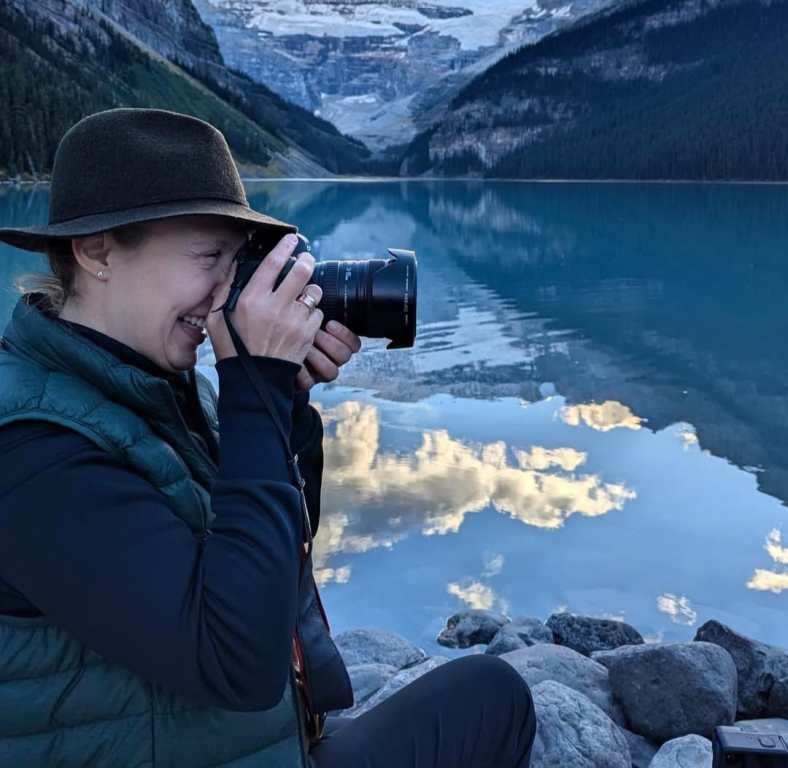
Portrait photography often involves a delicate balance between spontaneity and staging. How do you establish an aesthetic and ethical balance between these two dimensions in your work?
Portraiture always exists somewhere between observation and interpretation. Light, space, and composition create a visual framework, but the most meaningful moments are rarely fully controlled. I try to create conditions where spontaneity can happen, rather than directing every gesture.
What are your thoughts on the role of photography in shaping social memory and personal identity? In particular, how do you see family and personal portraits functioning as cultural documents for the future?
Photography is one of the most powerful tools for preserving both personal and collective memory. A family portrait may seem ordinary today, but decades later it can become an invaluable cultural document. Photographs quietly accumulate meaning over time, revealing how people lived, how they loved, and how they understood themselves.
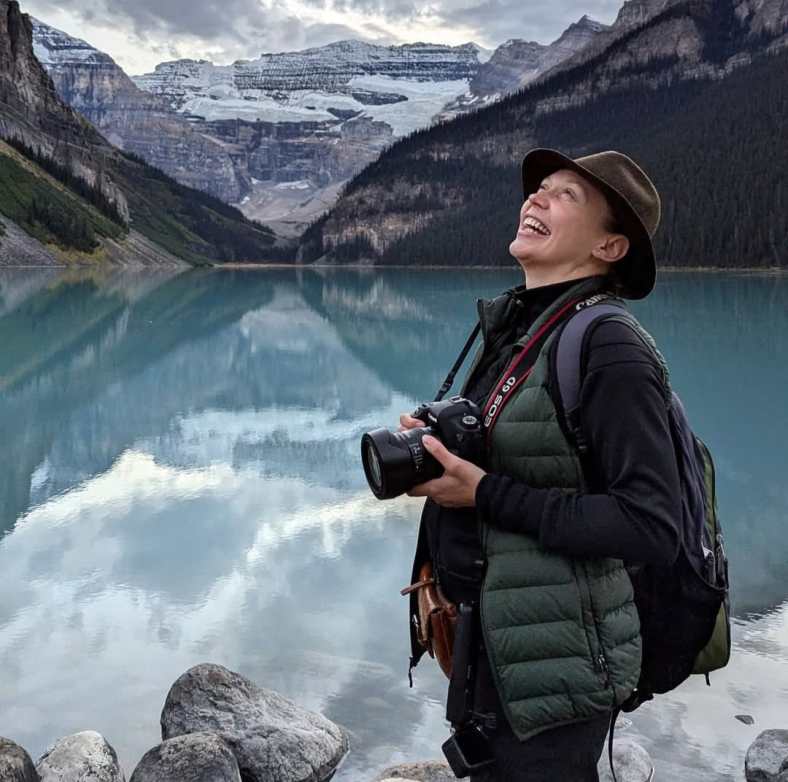
Are there particular artists, photographers, or traditions in cinema and art history that have influenced your visual language?
I am inspired by photographers who approach portraiture as a way of understanding society and the human condition. August Sander’s systematic exploration of people and social identity, as well as Sebastião Salgado’s deeply humanistic documentary work, have been particularly influential for me. Their photographs demonstrate how portraiture can move beyond representation and become a form of visual anthropology. At the same time, cinema has strongly influenced my visual language, especially in the way atmosphere and narrative tension can shape a single frame.
Social media has become a central space for contemporary photographic culture. How do you think these platforms are transforming the aesthetics and meaning-making processes of photography?
Social media has transformed photography into a global and immediate form of communication. Images travel faster and reach wider audiences than ever before. At the same time, the speed of this circulation can sometimes reduce the depth of engagement. The challenge for photographers today is to create images that still have the power to slow the viewer down and invite reflection.
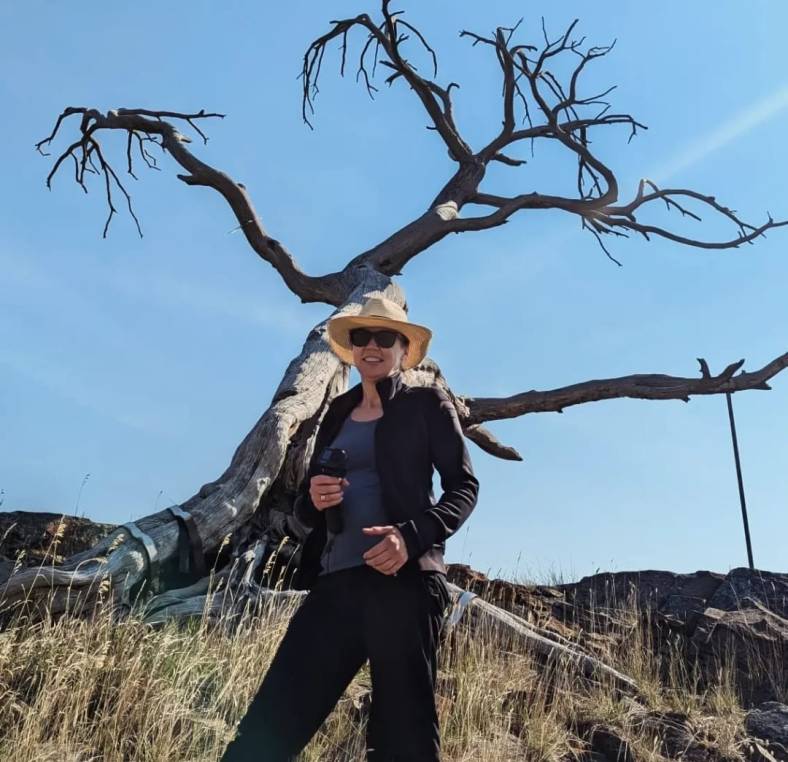
Finally, how would you define the role of photography in today’s world? Do you see it primarily as a tool of witnessing reality, or as a medium for more personal and emotional narratives?
Today photography occupies many roles simultaneously. It documents reality, but it also interprets it. The most compelling photographs often exist somewhere between these two dimensions — where observation meets emotion, and where a single image can carry both personal and universal meaning.
 prcarnetworld.com