

What does interior design mean to you? What led you to choose this field? Has your professional identity evolved into a form of self-expression over time?
I’ve always felt that my mind sits at the intersection of the scientific and the creative, and I was searching for a field that could connect both. It led me to architecture. I started observing buildings more, sketching them, and it became a source of inspiration. This field requires a deep respect for knowledge and structure: you need to understand the rules in order to break them with intention. For me, this is what distinguishes architectural design from other forms of art. When designing a space, I try to weave self-expression with functionality – something I see myself getting better at with experience. I enjoy the process of letting each project become an evolving conversation between these two forces.
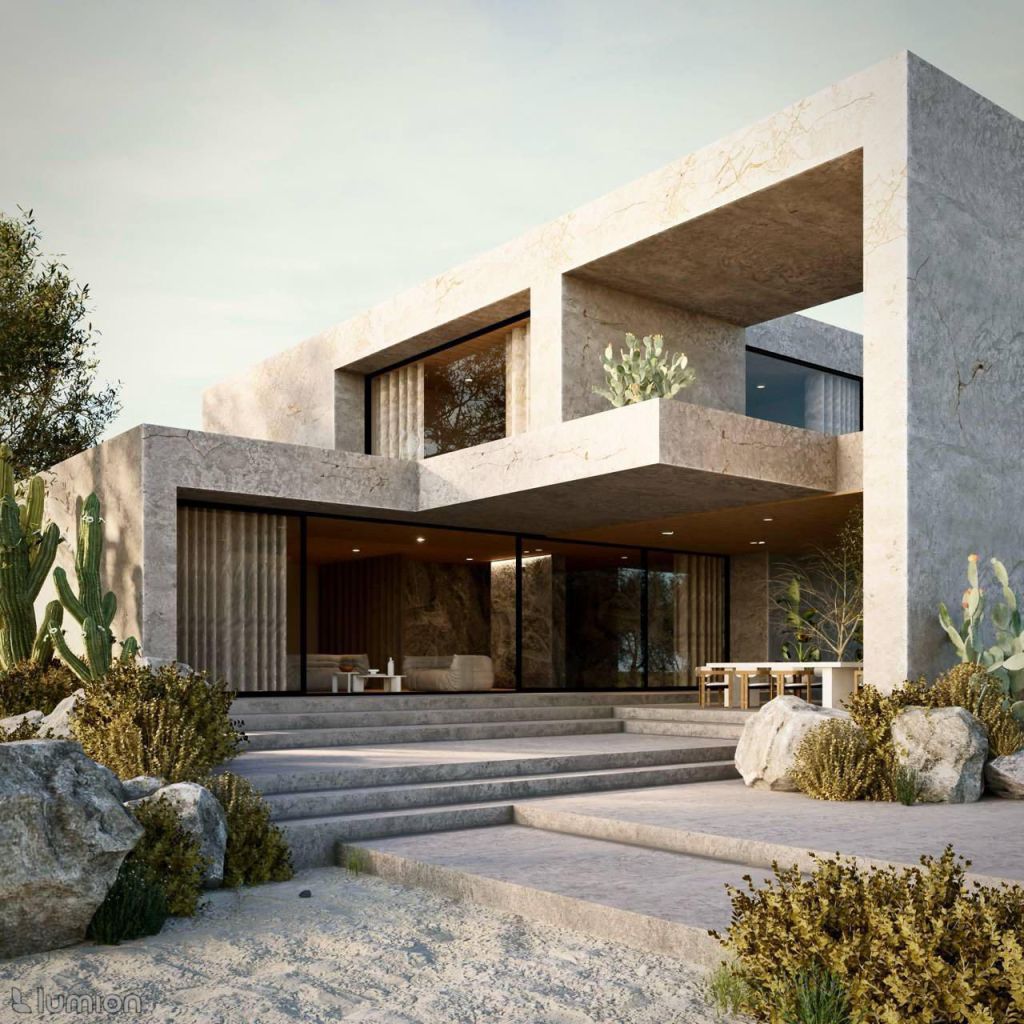
How have the cultural landscapes of London, Warsaw, and Palermo influenced your aesthetic approach? In what ways have the textures and architecture of these cities left traces in your spatial compositions?
These cities have significantly shaped my sense of aesthetics. Each of them speaks a different language – through culture, materials, textures, and lifestyles. Together they have broadened my approach to design. After experiencing them, and observing how they each carry this dialogue between self-expression and functionality, I’m taking what inspired me into my own practice.
In London, I worked on high-end renovations of Victorian houses in a conservation area. That experience was about designing contemporary interiors and structures with respect for heritage, and rules, while also engaging with the city’s modern, multicultural identity. I love how each neighbourhood there is unique, letting you get a variety of experiences depending on where you go. Through both my work and my studies at UAL, I learned to approach design in a multidisciplinary way. London sharpened my awareness of sustainability and encouraged me to think beyond conventional solutions, which continues to influence how I shape spaces today.
Warsaw, by contrast, feels more urgent, driven by speed and ambition. My work there was fast-paced, I often created practical yet elevated interiors for new developments or the renovation of post-Soviet buildings. The city’s landscape reflects this duality. It has also transformed in recent years into a place of growing international appeal. It was surprising but now I find this ongoing change very inspiring.
Palermo offered me a completely different perspective. At first, its apparent chaos felt like the opposite of Warsaw’s order, but over time I learned to embrace its rhythms. I love its nature and vibrant streets. What stands out to me is the strong sense of community and the openness of the people. The architecture here is a unique mix of different styles, particularly Arab and Norman influences. In interior design, I notice an appreciation for vintage pieces, art, and natural materials, often nicely incorporated into contemporary spaces. I find this, along with the city’s ability to slow down and remain present, deeply inspiring.
I’m excited to continue bringing these influences into my future projects.
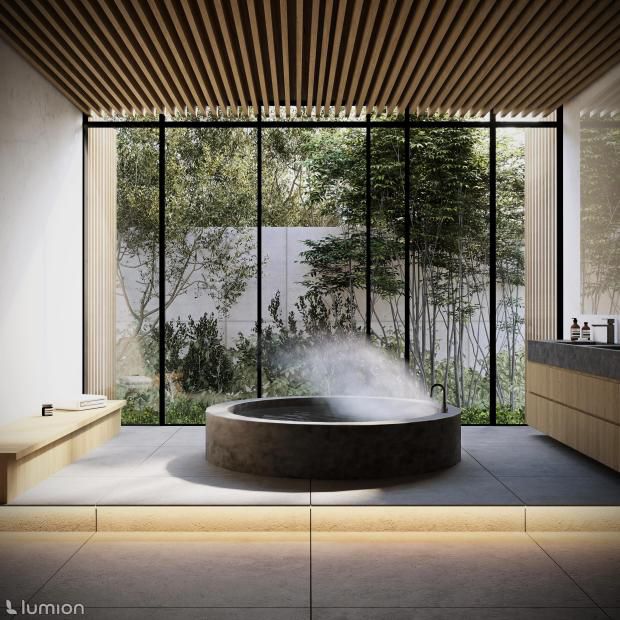
Which emotion or conceptual theme influences your design process the most? How do concepts like melancholy, belonging, memory, or calmness manifest in your interior projects?
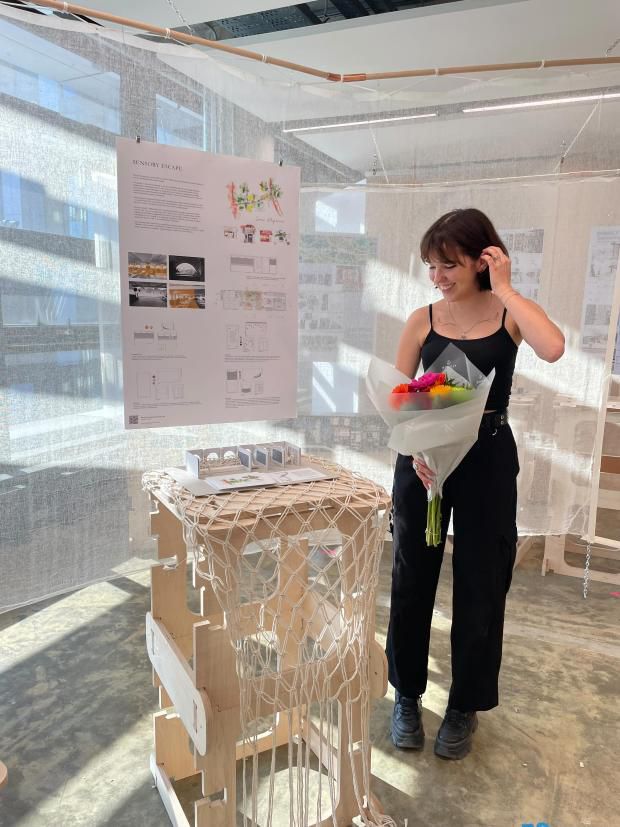
It’s a beautiful, and also difficult question. In my final project at university, I explored the idea of designing experiences rather than just spaces through sensory pods – each designed with a focus on one sense, to bring calmness as a response to a problem of overstimulation in public spaces. That research showed me how much design can go beyond appearance: it can become a multisensory experience that shapes memory, emotion, and well-being.
I carry this thinking into my work, where I try to design not just spaces that function well or look beautiful, but spaces that people can truly dwell in, places that resonate with intimacy, belonging, calmness. Gaston Bachelard in his book “The poetics of space” describes a home as a shelter for the most intimate parts of our identity. It’s important to have that in mind when designing interiors people will live in but also very exciting to take part in creating this unique atmosphere.
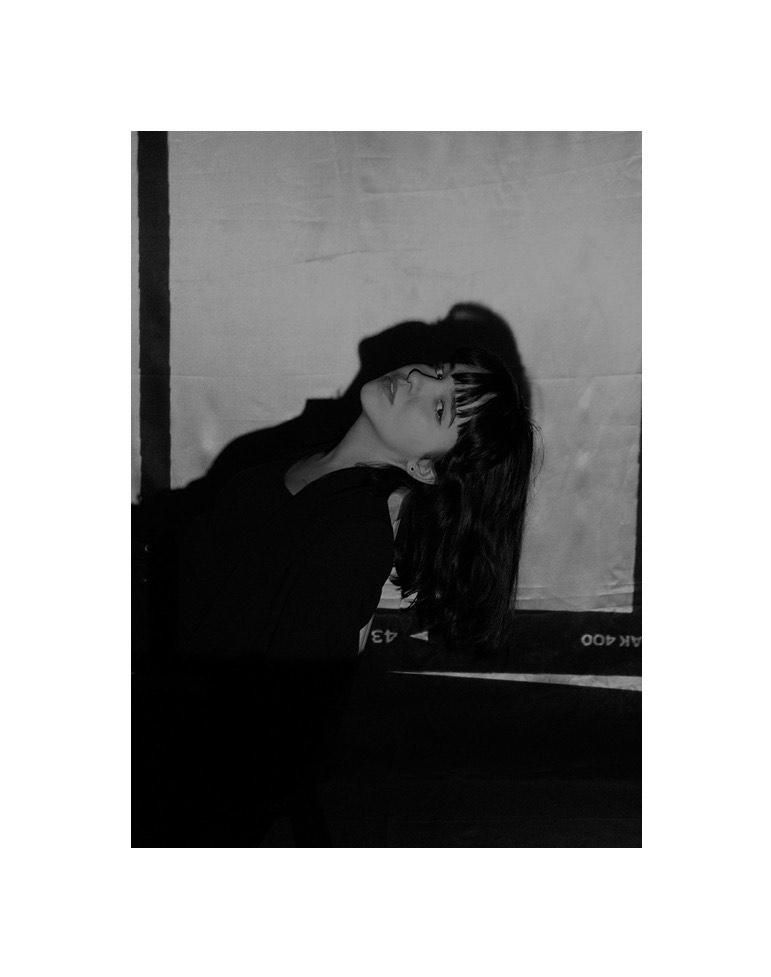
How do you connect photography, portraiture, and visual storytelling with your practice in interior design? Are there moments when a frame, a body, or a certain light gives you an idea for a new spatial arrangement?
I believe exploring various media of art helps in finding your personal voice. It shapes creativity, stimulates the senses to form new concepts, and pushes boundaries. In my practice, I always think about the user’s experience. I love lighting design, as it has a huge influence on the final atmosphere of a space. I observe my surroundings and get inspired by reflections of light, shifting shadows, colours, and the movement of sunlight. Working with photography and portraiture also taught me about framing and perspective, how even small shifts can completely change a composition. It showed me the importance of moving between attention to detail and the ability to step back and see the whole picture.
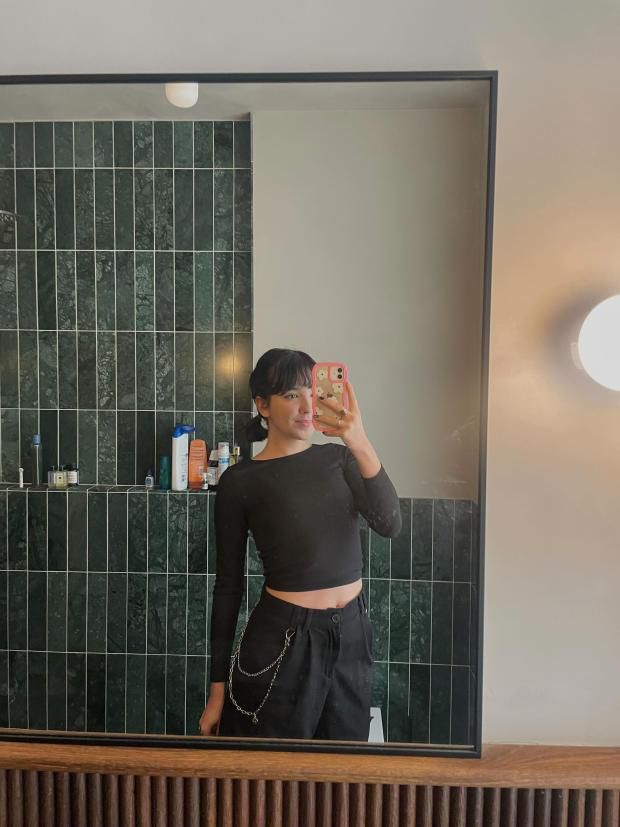
How do digitalization, social media, and algorithmic visibility affect your creative process? Do you find this transformation exciting and full of potential, or do you see it as limiting in certain ways?
It’s an interesting phenomenon. On one hand, it can be limiting as certain styles go viral and quickly become trends, which makes it feel safer to follow rather than question them. However, I’ve noticed that what resonates with me more and what gains more meaningful recognition, is staying true to your own voice. Not being afraid to stand out creates a stronger connection with your audience – that’s what I’m currently working on. By embracing individuality, it becomes easier to attract clients who are drawn to your unique perception of space. For me, the dream is to be recognised for my own design style, and to work with clients who choose me precisely for that reason.
Do you have a dream project you’d like to realize in the future? Are you excited by the idea of creating not just interiors, but immersive spaces that speak to emotions and memory?
I’m at a stage now where, after gathering many different experiences, I always carry new ideas in my head. While I don’t have a single defined concept yet, I’ve long dreamed of creating a space where people can connect, build community, and support local artists – while also making a positive impact on people and the planet. At different times this vision has taken the form of a café, a speakeasy with an art gallery, or something in between. Although it’s not my main focus right now, it’s always there in the background as an open possibility. So yes, I’m definitely excited by the idea and maybe one day you can all step into that space and experience it with me 🙂
 prcarnetworld.com