Crafting Stories with Data: Lizzie Walsh’s Journey in Climate and Health Journalism

Interview Series: Narrating for the Public Good: Journalism, Data, and Responsibility

I. From Advertising to Journalism: A Story of Transformation
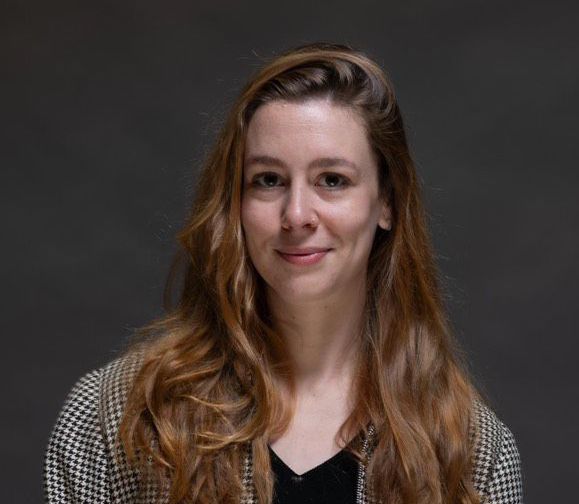
How do you think your five years as a copywriter in the healthcare sector have shaped your writing style and journalistic language today?

Most of my copywriting job was combing through clinical trial data of new pharmaceutical drugs and turning those facts into something that made sense to doctors and consumers. It was a tricky task to balance the desires of the client, who obviously wanted their drug to sell, and making sure my data visualizations and summaries met all these different regulatory standards. But at the end of the day, once you figure out a way to “tell the story”, you just tell it over and over: copy and paste it into a banner ad, a doctor’s office pamphlet, a video script. That story only changes when you get new clinical trial data or start working on something completely new.

After five years of working on different drugs and with different data, I got better at writing about facts in a compelling and clear way. It helped me learn how to visualize the story that the numbers tell, which I do a lot of in my reporting today. And though working with pharmaceutical clients is different from working with editors, it helped me get used to writing feedback. Those clients didn’t care about ripping apart my copy and hurting my feelings, so I developed a pretty thick skin when it comes to editing.
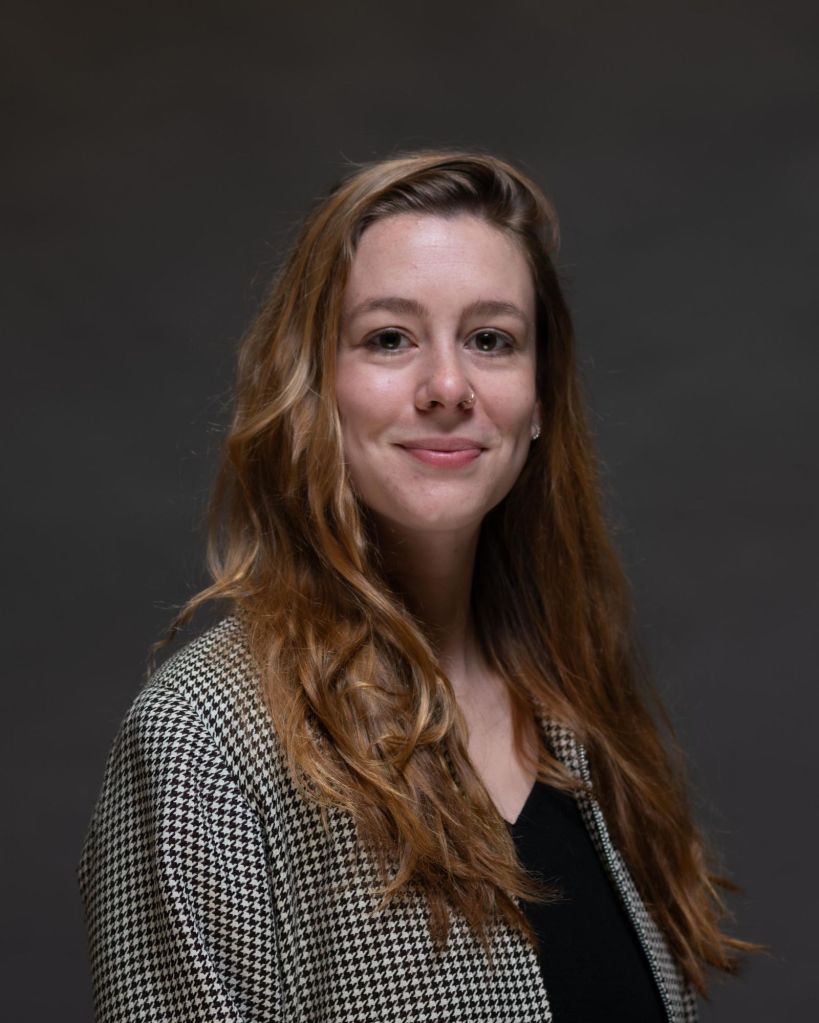
Working with FDA bureaucracy gave you a behind-the-scenes look at the system. Which aspects of the system did you gain the most insight into, and how do these experiences reflect in your journalism?

I talk about this a lot to anyone who will listen: our for-profit healthcare system is so broken in so many ways. There are so many players in the healthcare world: you’ve got the pharma companies looking to make money and beat out the competitor drug, doctors trying to make the right decision for their patient in a crowded drug landscape, and the patient, but you’ve also got a whole host of other intermediary players all trying to accomplish a slightly different thing. And usually that thing isn’t just trying to keep people healthy at a reasonable cost to the patient.

I think what I took away from “seeing behind the curtain” of American healthcare is that so many parts of the system are needlessly complicated, and most of those complications come from each player trying to get the most money out of a drug sale. The distributors, private insurance companies, pharmacy benefit managers—they all want a little piece of it for themselves. I got fed up with the whole thing, and wanted to use my writing and data analysis skills for something that’s useful to real people. I try to pair the hard facts with real human experiences, because those stories so often get lost along the way in our for-profit healthcare system.
We think you play a kind of “translator” role when presenting scientific data to the public. How would you define this role?

In the advertising world, we were called “creatives”, which I always thought was kind of funny. Because 90% of that job was about being factual and clear and following the rules your client gives you. But journalism lends itself to actual creativity: original concepts and new ways of looking at a problem, critical data analysis, writing and rewriting and rewriting again to create the best version of the story you’re trying to tell. In science and health journalism, that story often starts with jargon-filled research papers or trade publication press releases. It’s more than just finding the right synonym or defining a scientific term (which you actually don’t want to do too much, or you’ll put the reader to sleep), it’s about choosing the information that’s most important.

Authors hire translators to publish their books in other languages, but those translators do so much more than just replacing words with other words. You have to balance meaning, tone, and style, all while preserving the original intent of the writer.
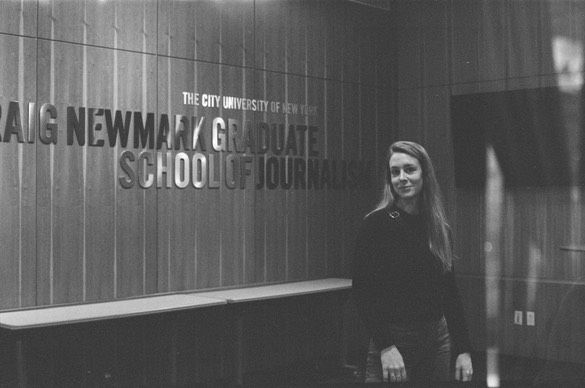
II. Data, Health, and Narrative: Intersections in Journalism

We see you use tools like GitHub and Python and work in data-driven journalism. How do technical tools contribute to your storytelling?

I’m still pretty new to Python and coding languages, but so far I’ve really found these tools help me synthesize and make sense of information, which is always step one. Then I figure out how to present it in a really clear, compelling way to readers.

I recently worked on an investigation of lead in drinking water tap samples across New York City, and I created a website that lets the reader type in their address and see if their apartment has lead pipes or is served by a contaminated water tank. I could have directed them to a complicated map or listed out the locations of all the dirty water tanks in the city, but giving readers a simple interactive to play with is a better way to get people engaged with the story and see why it’s meaningful to them.

What strategies do you use to make complex topics like health and climate more accessible?

I think it’s a combination of things: pulling out the main takeaways that make it relatable and pertinent to the lay-reader, and driving home “the point”, whatever that may be. “Here’s what you need to know, here’s why it matters, and here’s what might happen next.” Writing simply is important for these kinds of stories.
There’s also something to be said for rhythm and pacing in a story, because you’ve got to think about the reader’s experience. When are they going to get bored? How can I cut out the fluff and keep the story moving? Those are all helpful strategies when writing about data and research. A really simple way of doing this is alternating short and long sentences. I think journalists can learn from writers like Shakespeare, Toni Morrison, or Cormac McCarthy, who clearly thought a lot about rhythm and cadence in their work. You might not be writing high literature, but you can still try to make the writing sing.
III. Alternative Narrative Forms and Future Vision

What is the role of alternative media in highlighting critical issues like public health, sustainability, and climate change?

I associate alternative media with original voices and people who refute cultural norms. Right now we’re seeing a lot of corporate influence in newsrooms, which has always been the case to some degree, but in this really polarized political and cultural climate I think more people are aware of it. Independent, alternative outlets can circumvent the status quo and bring attention to stories that big legacy newspapers with corporate interests might not want to.

In this context, how do you define “alternative media,” and where do you place your own work within this framework?

I’m not sure I place myself in the alternative media landscape, because I’m a fairly new journalist and am still learning the basics of the structural craft. I’m not sure I really fit anywhere at the moment.

I will say that, as a data fellow and reporting intern at the digital nonprofit newsroom The City, and it’s been really wonderful to see how a smaller newsroom functions. We get to pitch stories that need to be told, research and talk to people, run copy through our editors, and publish the pieces shortly thereafter. I think the small, scrappy, nonprofit outfit is an alternative to the larger, corporate newsrooms, and I think the reporting process at The City prioritizes the reporter and the people the reporter is writing about. The problem is we don’t have as many resources as, say, The New York Times, which I think is probably the case for a lot of alternative or nonprofit media. But having more money doesn’t necessarily mean you’re doing better work. I could go deeper into the ways I’ve seen that reality bear out… but I’d rather not incriminate myself to future employers.

The takeaway? We need more funding for smaller, nonprofit newsrooms, because those are the places doing important work. Local news is so, so important. Maybe that’s an alternative-enough stance. We’ve seen so many local news outlets disappear after losing funding, and it’s really detrimental for the journalism industry and the people it serves.

Is there a publication you dream of working with in the future? For example, would you like to work at Scientific American?

I’d love to work at Scientific American! Their pieces got me hooked on science journalism, so that would definitely be a dream job. I also love the work that STAT and ProPublica do. I have to say, though, working full-time at The City would also be a dream job. I’m just an intern, but my editors are really wonderful, smart people doing really important work.

What are your thoughts on the importance of journalism that carries public responsibility today? In an era where data-driven content production is widespread, how do you think journalism’s role in serving the public good should be redefined?

Data can help cut through the noise. We’re swamped by media in all different forms these days, and it’s hard to know what to pay attention to. Data tells a real story–it’s not just the experience of one person or group, but about what’s been happening to many people over time.

Of course, you need the human element in there, but that’s just data too, if you think about it. News is data. That TikTok video about the new Korean skin serum is data. The trick is making sense of it, and that’s a journalist’s job. We’ve got to make sense of it, question our own sense-making, and when it’s ready, share it with readers who get to make sense of it too.
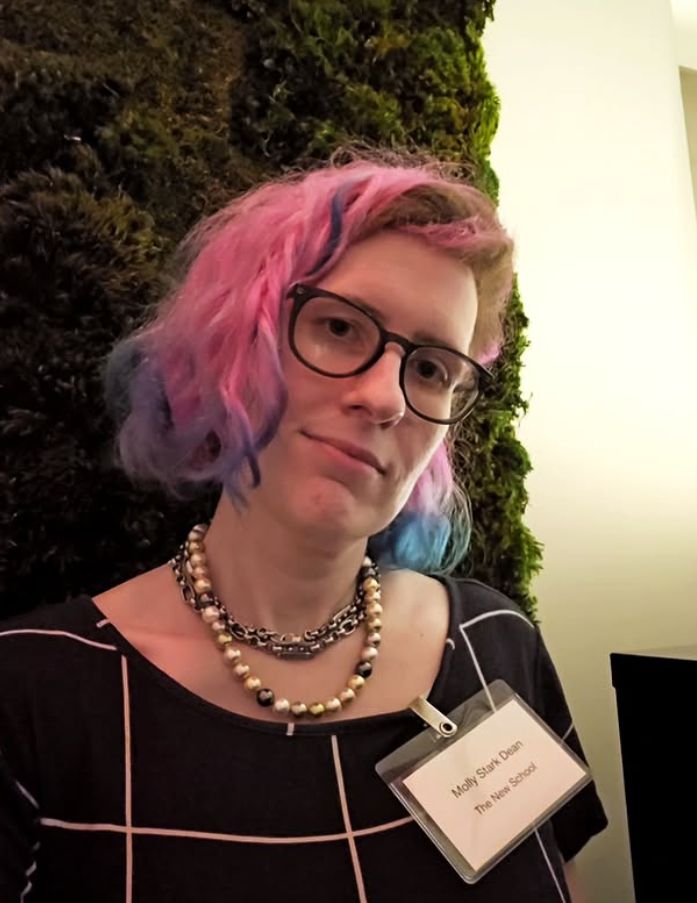
Open Knowledge and Digital Witnessing: A Conversation with Molly Stark Dean on Journalism, Representation, and Media Futures

1. Entering Journalism and Professional Experience

How did you first get involved in journalism?

My high school in Vermont was a student news bureau.

Was there a pivotal moment that inspired you to pursue this path?

I used to watch the local news with my dad every evening.

Having worked at outlets such as Fox News, CBS News, Reuters, and CoinDesk, how have these different experiences shaped your perspective on journalistic practices?

These different experiences showed me how universal newsrooms can be: same shit; sifferent newsroom.

2. Digital Media and Storytelling

In your view, how have digital platforms transformed the way we tell stories in journalism?

Every new method of storytelling gets journalism closer to telling the truth: from oral communication to TV news and digital platforms.

What do you think is the most critical element for a story to be impactful in a digital environment?

Know who you are speaking to and decide the audience you wish to engage.

3. Education and the New Generation of Journalists

You teach a course titled “Journalism and the Machine” at The New School. What core issues or themes do you focus on in that course?

I focus on technology and its influence on the journalism industry.

What skills or competencies do you find most important to instill in emerging journalists today?

Storytelling: it’s more important than learning any emerging journalism technology.

4. Women Journalists and Representation

Could you share more about your work with the Women Do News project?

I promote digital gender equality by writing Wikipedia articles for women journalists.

How would you describe the key challenges women journalists face in terms of visibility in digital spaces?

Digital gender inequality stems from a systematic devaluing of women in all industries.

5. Wikimedia Activism

What kind of content do you produce through your collaboration with Wikimedia NYC, and what kind of impact do you aim to achieve?

My journalism career helped me identify key news influencers to speak on panels at Wikimedia events.

How does open access to knowledge intersect with journalism today?

Journalism is the underlying source code of the open knowledge movement. One is not possible without the other. 


6. Ethics and Editorial Principles


Have you encountered ethical dilemmas while working in different newsrooms? If so, how did you approach them?

Yes, I don’t approve of any work done without a livable wage and healthcare; it is a herculean task to find such work in newsrooms.

How do you prioritize ethical principles when developing content strategies?

A content strategy is most effective when it is developed with clear ethical principles outlined beforehand.


7. Future of Journalism

What are your thoughts on the growing impact of AI and algorithms in journalism?

Journalism pivoted to other tech hype in the past: AI is just the current tech obsession.

How do you envision journalism evolving in the next decade?

Human storytelling is the future.

A Bilingual Journey of Visual Narrative: Interview with Leila Sofia Medina on Documentary, Journalism and Representation

Is bilingual journalism for you merely a method of communication, or is it also a matter of identity and representation?  

Bilingual journalism is deeply tied to my identity. As an Ecuadorian video journalist living in New York, being bilingual allows me to tell stories that often go unheard—stories of people who navigate two languages and two cultures. It’s not just about translating words; it’s about representing lived experiences and ensuring that our communities are accurately portrayed, while also highlighting narratives that are often overlooked.

What role does language play in visual storytelling? How do you develop methods to transcend linguistic boundaries?  

Language is essential when connecting with the people you’re interviewing—it helps you understand them better and even relate to their story. But visual storytelling allows us to go beyond words; it becomes a universal language. The power of video lies in showing a story in a way that allows viewers to connect with characters, even if they don’t speak the same language.

What kind of connection do you draw between bilingual journalism and documentary filmmaking?  

For me, the two are inseparable and work hand in hand. Documentary gives me the space to explore stories in depth, while bilingual journalism lets me represent my community. Both require trust, empathy, and immersion in the context of the story, as well as connecting with the people involved.

Creating multilingual content requires more than just a technical skill. What kind of ethical or cultural responsibility do you believe it entails?

Regardless of language, I believe it’s essential to stay true to what your sources are saying and to their lived realities. When translating, writing, or editing, I always ask myself: Am I keeping the context intact? Could this harm the person or community involved? Am I portraying them fairly? That ethical responsibility is always present.

When telling stories in different languages, is it more important to remain faithful to the spirit of the language or to universal narrative structures?  

I don’t believe there’s a single universal narrative structure. There are many ways to tell a story, and as a storyteller, you need to understand your subject to determine how best to tell it. Every story, character, and context is different. So rather than forcing a formula, I prioritize preserving the spirit and authenticity of the story.

How do you manage the processes of translation and subtitling in your multilingual projects?  

If the project is in Spanish, I usually do the translation and subtitling myself. I try to maintain the richness of the language, knowing that some expressions may not directly translate. When working in other languages, it’s important to collaborate with someone who understands the language and can provide an accurate, culturally aware translation.

How does this linguistic diversity affect the global circulation of your stories?  

Being bilingual is definitely an advantage—it allows me to collaborate with a wider range of publications and outlets and to shape stories for different audiences. It’s also helped me understand how to tailor storytelling styles based on whom the viewer is.

For you, is documentary filmmaking a transmission of reality or a form of creative reconstruction?  

I think it’s both. It’s a transmission of reality, but with your vision as the filmmaker. Documentaries allow for creativity and deeper emotional connection while staying rooted in truth. As long as you’re honest with the facts and the people involved, you can bring in creative elements to strengthen the story—otherwise, it becomes fiction.

When choosing your subjects, do you look for a personal connection, or are you more guided by societal needs?  

You need to feel connected to a story to tell it well—not necessarily on a personal level, but emotionally and intellectually. That connection helps you invest the time and care the story deserves. At the same time, I also ask myself: Why this story? Why now? What impact can it have? That’s where societal relevance comes in.

What are some of the most difficult ethical dilemmas you’ve faced during fieldwork?  

One challenge is deciding whether to include moments of vulnerability—moments that might make a story more powerful but could leave someone feeling exposed. I ask myself: Is this adding something meaningful, or is it just emotional drama? Another dilemma is knowing when to protect someone’s identity and making sure they understand what it means to be on camera or have their name shared.

Compared to classical cinematic language, how would you define the unique expressive power of documentary?  

Documentary is cinema—there’s no doubt about it. It might be less polished sometimes, but the goal is the same: to tell a compelling story that connects with audiences. The difference is that documentary is grounded in real life. There’s room for imperfection, but that doesn’t make it any less powerful or cinematic.

Among your projects so far, which story has impacted you the most, and why?  

Two projects stand out. One is a short documentary I made about migrant families from Ecuador who journeyed to New York. It opened my eyes to the reality so many face—not just the struggle to arrive, but the continuous challenges they face even after getting here.  

The second is a school documentary I did about a local drag artist in Astoria. It explored themes of family, grief, and chosen community. It helped me discover a world full of resilience and passion, and I learned so much from this artist and their journey.

What themes tend to stand out in your documentaries—such as migration, identity, or social struggles?  

I’m drawn to stories about identity, gender, and migration—especially within the Latin community. I find power in stories of people who are finding or rebuilding themselves. Those narratives are deeply human and universally resonant.

What is your process of developing a project—from the moment you first conceive the idea to the final edit?  

It varies depending on the project. For short stories, I usually start with a question or something I’m curious about. I research, identify potential sources, and start interviewing. After filming, editing is my favorite part—it’s where everything comes together, like solving a puzzle. For me, it’s the moment where the heart of the story really takes shape.

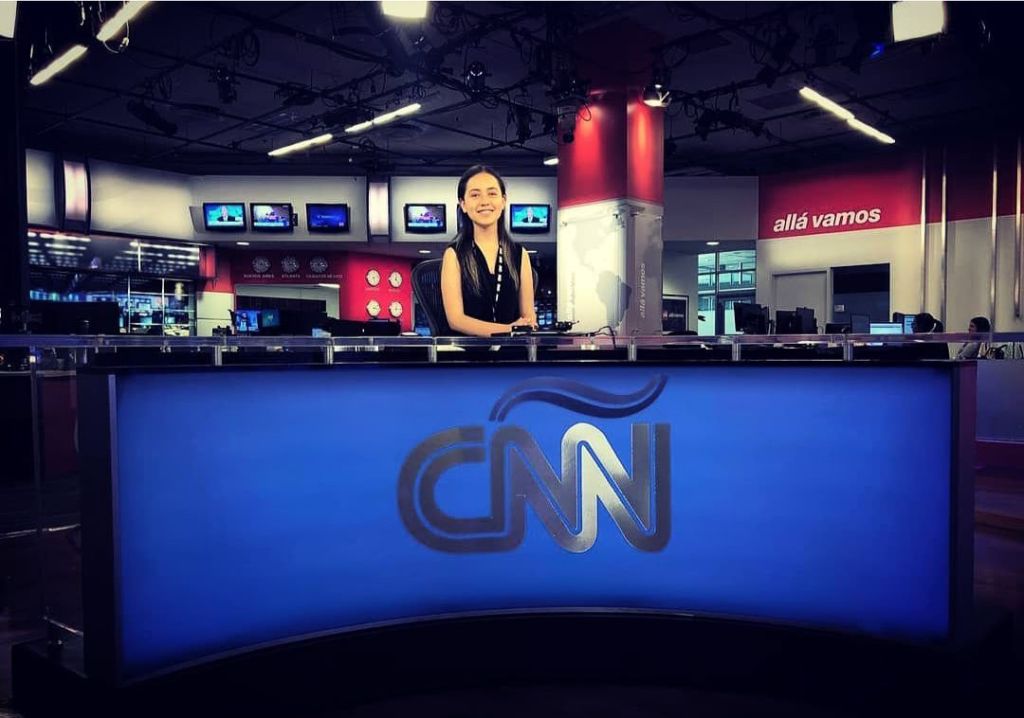
How has your experience at CNN en Español contributed to your independent projects?  

It was my first real experience in journalism, and I see it as my school. It taught me how to structure a story, how to shape it in a way that connects with people. I covered stories from many different communities, which made me even more passionate about storytelling. That experience definitely pushed me toward pursuing documentary filmmaking more seriously.

“The Evolution of Journalism: Digitalization, Writing, and Artificial Intelligence with Genevieve Hartnett”

Journalism in the Digital Age

In your opinion, what is one of the biggest transformations of the journalism profession in the digital age?

I’m still relatively new to the business of news, but I would say the expectation of coming right out of school and landing up immediately on a masthead. Freelance reporting has become such a large part of getting your foot in the door at certain publications It also allows you a freedom to go after stories you might not always get to at a large news organization. It makes a career trajectory sometimes feel less certain, but also allows for more independence in the media landscape.

How do you evaluate the impact of social media on news consumption? What are its advantages and disadvantages compared to traditional journalism?


I used to be more cynical about the fact that a large portion of people get their news from social media. However, after seeing the work of people like Bisan Owda and Motaz Azaiza and their on the ground and award winning reporting from Gaza, I’ve realized how much citizen journalism can not only inform but also tap into communities in a way that traditional media may not always be able to. Even if their coverage is not in traditional news media outlets, they show a tenacity and kindness to the communities they report on that inspires me as an early career journalist. 


Readers’ trust in news sources has been shaken. How can we rebuild the credibility of journalism in the digital age?


I think so much of the reason reader’s trust in news sources has been shaken is because there is still a lot of mystery to the business of journalism and how we actually do our jobs. I’ve learned so much about investigative journalism through reading She Said by Meghan Twohey and Jodi Kantor on how they broke the Harvey Weinstein story at The New York Times and really getting a look into their reporting process. I think transparency into our journeys with certain stories can really help build trust and relatability with the public.

Also, so many people feel that journalism and journalists only exist in cities, and really only in the biggest cities at that. So many incredible leaders are working to bring quality journalism to rural and local areas where reporters are going out of their way to reach forgotten communities. I think these publications and initiatives in news deserts can help demystify the work of journalists, and maybe even bring more people with different perspectives to the profession!

What do you think about the impact of algorithms and personalized news feeds on journalism?


I mainly think that algorithmic bias is just something that more people need to be aware of and how it’s affecting the ways we communicate with one another. The amount of times I hear someone give a hot take they think no one has heard before, meanwhile it’s verbatim from something that was in the latest episode of Subway Takes! These algorithms really can make you feel like we’re all living the same existence, being fed the same content.  I think encouraging a healthy dose of skepticism about why you are being shown a certain video is something we should be teaching more of.

Journalism, Writing and Artificial Intelligence


How do you interpret the impact of artificial intelligence on the news production and content creation process in journalism?


I feel like most journalists I speak to are still relatively skeptical about relying too heavily on AI – not only for its intelligence impact, but also of that on the environment. That being said, it is being more heavily integrated into all aspects of our business, from hiring to even processing data for stories. Everyone is able to draw their own line, but for me, I always want my creativity to lead the way in my writing process.


What do you think about the use of artificial intelligence-supported tools (ChatGPT, automatic news writing software, etc.) in journalism?


I try to look at AI as a tool that you learn how to use in order to not get left behind. What that often looks like for me is using Otter or Descript to transcribe interviews, or sometimes entering a story I wrote into Chat GPT to help with making a concise pitch to a publication by pulling out the main ideas.  Still, I don’t think it has the capability to truly replace journalists, as so much of our work is connecting with people on a human level.

What do you think about the ethical dimensions of AI-supported content? How should the boundary between artificial intelligence writing and human journalism be protected?


While I think that AI can be a tool that we use to make some of the organization process of writing easier, I am wary about ever letting it actually write stories or content for us. It may be able to imitate styles of famous writers or publications, but I don’t think it can ever substitute for intellectual curiosity that is required in human journalism. In my masters program, we’ve learned about AI and how to use it for certain projects, but we still have strict rules about using it to write entire stories. I think news organizations ought to have similar guidelines, and many already do.


Do you think artificial intelligence is a tool that makes journalists’ jobs easier, or is it a threat that changes the nature of the profession?


I think we as journalists need to learn how to use it as a tool so that it doesn’t change the nature of our profession. Sorry if that’s a cop out 🙂 In one of our classes, a friend and I drafted an AI tool called ManiFFFest (the three f’s are For the Freelance Frontier) that would help freelancers figure out where to pitch a story they were working on. The idea was to have the app do the work of pitching, emailing follow ups, etc while you get back to focusing on writing and reporting. Obviously it’s a big dream, but I think AI tools for journalists need to have the real people in mind from their inception.

The Future of Journalism and Writing

What are the biggest challenges for young people who want to be journalists and writers today?

I think one of the layover effects of algorithms and the isolation forced by the Covid-19 pandemic is that it can be harder to develop a unique voice. Weirdly, I think you learn more about what you actually think and your own opinions when you’re in a group with others, discussing ideas and how your opinions may differ. Developing a real sense of community with other writers or creatives is one of the best ways to find your own perspective, which is so critical to stand out in a crowded field. 

How will journalism develop in the future? What skills should the new generation of journalists have?

I think in order to survive, journalism needs to embrace diversity in its hiring and perspectives that it promotes. We are in a political climate where tools that fueled segregation are being implemented disturbingly fast. As an industry we need to be prepared to protect the many gains that we have made in being more inclusive of different voices. As a member of the new generation of journalists, I’m trying to develop my skills in adapting to periods of crisis and uncertainty. To me, this means building up your own skills outside of a traditional job and potentially creating your own avenues to success.

How do you evaluate the rise of independent journalism and alternative media platforms?

I’m really curious to see how Substacks from established journalists may totally shift the media landscape in the next five to ten years. What may have started as ways for writers to express their own opinions have become some of the leaders on breaking details from stories that news organizations may not be reporting. Will these Substacks become mini news rooms of their own, breaking news before others can get to it?  

I’m also interested to see what happens in the podcast space next. Audio journalism is one of my major interests as I think it can tell stories and engage more listeners in editorial content than ever before. After their crucial influence on the 2024 Presidential election, I’m curious to see if podcasts become even more prominent in delivering news or potentially dwindle from over exposure. 

In your opinion, what will be the most important technological developments that shape the future of journalism and writing?

If there is anything that AI could do to really be a net positive in the future, it would be some kind of tool to assist with media literacy, especially for young people. The cutting of funds to the arts and humanities really worries me in terms of the long term effects it will have on dissemination of information and encouragement of creativity.  If we teach skills to people at a young age on how to think more critically not just about what they see on the news, but also asking them what they thought of the movie they watched or the song they just listened to, already we are developing smarter individuals who might go on to give new perspectives to the media landscape.

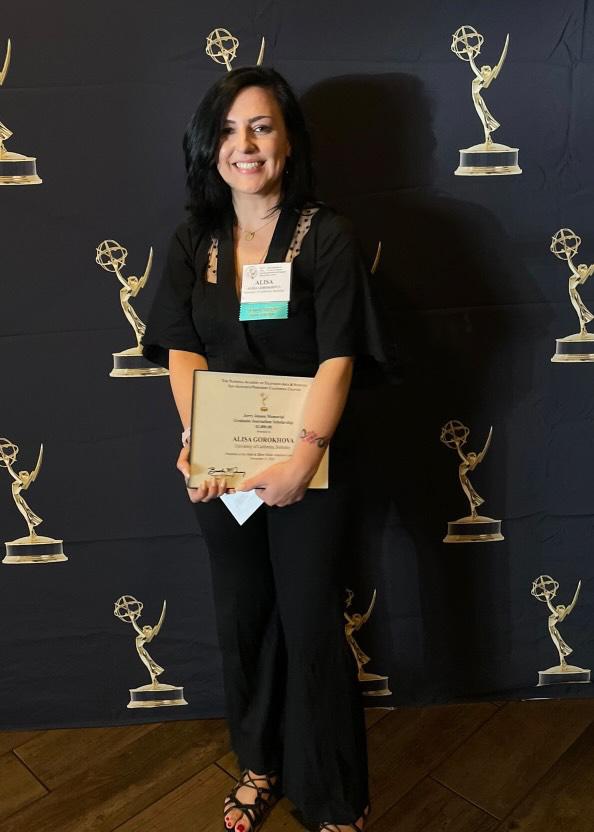
Interview with Documentary Filmmaker and Journalist Alisa Gorokhova on Documentary Filmmaking and Journalism

Who is Alisa Gorokhova? Can you tell us a little about yourself?

I am a Ukrainian-Canadian documentary filmmaker, writer, and journalist – in no particular order. I spent the first 10 years of my career in commercial copywriting. Unlike most people, I actually enjoyed the peace and quiet the pandemic brought because it gave me time to re-evaluate my life thus far and priorities going forward. I was in my early 30s, a perpetual expat living in a foreign country, with a handful of close friends, no family nearby, and a career I wasn’t in love with. After months of deliberation during lockdown, I decided to change everything about my life until it had not only more meaning, but love and joy within it.

I decided to move back to North America from Europe after 10 years, and to begin investing in building a network and support system that would be with me for the rest of my life. I also applied to the University of California, Berkeley Graduate School of Journalism to study documentary filmmaking. I had always considered documentaries to be the highest art form. Most importantly, I decided to wholeheartedly embrace the creativity within me that I had been running away from my entire life. I graduated with a Master of Journalism degree from Berkeley in May 2024. What’s next? I wish I knew. What I do know is that I am finally fulfilling my full potential and that alone is a priceless investment.

Could you tell us about your work as a Documentary Filmmaker?

I started filmmaking relatively late in life – in my mid 30’s. But I do sincerely believe that my life experiences thus far saturate my work on every level. Berkeley encouraged us to make films that were important to us, and that permitted us to explore topics that were important to us. And when what was close to my heart was too painful to address, I learned to shift focus to a similar issue but within a different community. For instance, I have family that, due to the war in Ukraine, were forced to flee to Germany as refugees. Emotionally, I felt unable to produce a narrative about Ukrainian refugees as it was too painful. Instead, I made a short film about an Iranian refugee to the US and his experiences entering a new country with nothing except the clothes on his back in 1979. With that piece, it was important to me to show that refugees, regardless of their point of origin, are unique, complex individuals, and that more often than not, they would prefer to live in peace in their homeland given the opportunity.

Creatively speaking, I love films that explore different styles, themes and formats of storytelling. I try to bring that into everything I do. Rather than adapt something that has already been made to my taste, I try to push myself into a storytelling style that is unexplored. In that regard, Stanley Kubrick is a hero of mine, as he is to so many filmmakers, from Denis Villeneuve to George Lucas. Obviously, I have a long way to go until I’m in the same dimension as those three, but one can dream. 🙂

What would you like to say about Documentary Films made today? What deficiencies do you see in terms of content and technique? What do you think about the future of Documentary Filmmaking?

Documentaries today are bigger than they have ever been. In fact, I don’t understand how people can say that they don’t like documentaries in this day and age – docs come in every genre, on every topic matter, in every language. How can one dislike them all? That said, there are documentaries made today that should never have been made, let alone screened before a global audience. A recent example, I’m sad to say, is “Russians at War” which does not shy away from acknowledging that it is Russian propaganda about the war they themselves started, made by a journalist who worked for the main propaganda channel in Russia – RT. And yet it was screened at the Toronto International Film Festival. As a Canadian, and as a Ukrainian, it was a slap in the face to the entire Ukrainian diaspora in Canada. Documentaries, unlike fiction films, have to be held to a higher standard of reporting and storytelling overall.

As journalists, we must fight disinformation and propaganda head on, especially when it is produced and funded by a country that uses propaganda as a weapon of war. In spite of the financial struggles rocking the filmmaking industry overall today, I believe that the future of documentary filmmaking is bright. The more people there are that watch docs today, the more future generations of journalists and filmmakers will want to make them. People tend to forget content and filmmaking technique, but they will not forget how a film made them feel. A documentary can make you feel smart, it can make you weep, it can make you feel involved in an important cause, it can make you feel educated, and, most importantly, it can make you fall in love with a topic. As long as documentaries like that continue to be made, the future of doc filmmaking is limitless.

What is the importance of documentary films in raising awareness about social problems?

People are visual beings. It is one thing to learn about a social issue by reading about it, it is another thing to witness it with your own eyes, even if it is on a screen. To see the pain on the face of someone, anyone, suffering massive injustice – that sticks with you. Anyone with an ounce of empathy can find a documentary they relate to emotionally that spurs them on to make a change in their life, to fight for a social cause. That is why, stylistically, we as filmmakers must continue to explore themes and genres. Society evolves, and so must we with it.

Are films festivals effective in promoting documentary films? Do you think that cinema students can promote their films at festivals and famous film studios? Should universities collaborate with film festivals, film studios and famous producers?

Yes and no. I have seen films made by classmates get the attention they deserve at film festivals, and I have witnessed films that I felt absolutely deserved attention be passed over by film festivals. Realistically speaking, film festivals have agendas and they have themes. A film can be excellent, but if its topic is not in tune with the mood of the festival that year, it will not be picked.

I don’t think festivals are very invested in collaborating with universities and film students, and that is their prerogative. Festivals are a for profit business, after all. Universities are there to instill a higher level of knowledge than what is in the mainstream and on the festival circuit. If film students stick to what film festivals want, we will never push the industry forward, expand its boundaries creatively, and it will never grow as a result. And creative sgrowth and exploration is ultimately what keeps us all employed.

But, of course, all students would love to promote their films at festivals. I just don’t think that should be our key goal as student filmmakers. Good films, student or otherwise, will live on regardless, and we have our entire lives left to create. University is the time to learn and better yourself – not necessarily the time to succeed.

Are you considering shooting a documentary film in Türkiye? What topics would you choose for a documentary film shoot in Türkiye?

I would love to shoot a documentary in Türkiye! And not just because of the food, the culture, and the cats 🙂 I have a personal connection to the country that I have never been able to explore. Just last week, I got DNA confirmation (to my utmost surprise) that my ancestors were Pontic Greeks who immigrated from Anatolia in northeastern Türkiye to Crimea, a peninsula in southern Ukraine, in the early 20th century.

They spoke a dialect which is now all but extinct in Crimea because of Stalin’s purges of ethnic minorities in the 1930’s, but is still found in Anatolia. The collapse of the Ottoman Empire is abundant with stories, and this is mine. It would be an honor to go to Anatolia, explore the region, learn about the language and maybe even my family history. My family was forced to hide their Greek ancestry during the years of the Soviet Union – my great-grandmother even had to change her Greek name to a Russian one to avoid deportation of the entire family to a Gulag.

I owe my existence to them and so many others like them who had to abandon their ethnic roots in order to survive Soviet fascism. Especially since Russia once more is targeting ethnic minorities in Ukraine en masse.

Most people outside of Ukraine don’t know, but Mariupol is a city populated by Greek-Ukrainians that originally immigrated to Ukraine from Türkiye centuries ago. Mariupol has been all but destroyed by Russia, its ethnic Greek culture decimated. A genocide within a genocide. It is a story that must be told, whether by me or not, or it will keep happening again and again. I would love to work with Turkish filmmakers, historians, linguists and journalists to discover the stories of Anatolia and its significance on global history and culture in Eastern Europe.

What is the importance of documentary filmmaking for the journalism profession? Do you think documentary journalism is given importance today?

We live in a visual world. Without expanding into video in some capacity, whether feature docs or even social media content, I’m fearful for the future of journalism in general. Gen Z doesn’t read newspapers, all their information is obtained digitally. Instead of blaming young people for the natural progression of technology, or clinging on to a past that simply isn’t there anymore, we should be leaning into the new forms of media. Documentaries are a huge aspect of that. Whereas 20 years ago people might have read an investigative piece 20 pages in length several times per week, people don’t have the attention span for that nowadays. Documentaries can bridge that gap by still telling complex investigative narratives in a way that is visual and works with a contemporary attention span. In this way, narrative journalists can work with visual journalists to create masterpieces in storytelling.

Of course, I am hugely biased 🙂 I am truly obsessed with documentaries. A writer will have their own opinion on the matter and that’s as it should be.

Are woman journalists limited to storytelling in war journalism? Does this traumatise women journalists?

The war in Ukraine has proved beyond a reasonable doubt that female journalists – war correspondents – are capable of anything men are and then some. Not only are we capable of reporting on the most horrific aspects of war, I believe we also bring an empathy that encourages vulnerability in our sources that male journalists have a harder time achieving.

People like to say that war is a man’s game, but that has never been the case. My grandmother was a nurse in World War II. She was also a sergeant in the army. Women are often forced into supporting their families when men leave to fight, and they are often left trying to rebuild families after their warriors return home wounded in ever sense of the word. Not to mention the horrors women go through under occupation. The pure savagery Ukrainian women go through under Russian occupation to this day could and will fill hundreds of war crime tribunals in The Hague one day soon.

Women journalists are well acquainted with all of this, both professionally, and often from their own personal family stories. What we bring to the table is storytelling, yes, but also visions of war that men perhaps don’t often see. As important as it is to see the pure violent destruction war causes, something male journalists tackle beautifully, it is also important to bear witness to the emotions of the soldiers put into inhumane conditions where they have to watch their friends’ bodies rot around them while they lie injured and helpless. Or dig up mass graves of women and children with hands tied behind their backs. Or listen to the stories of psychologists working with women who manage to escape occupation which, when it comes to Russia and Russian soldiers, is akin to sexual slavery.

I have personally interviewed veterans from the wars in Iraq, Afghanistan, and now Ukraine. Things have been shared with me that have been shared with no one else, thing they would never have shared with other men or even their families. There are things that I have not been able to put in my films because they are too traumatic for audiences to watch. And all I do is listen to these stories – there are female journalists out there actually living them.

A Ukrainian female journalist and prisoner of war actually died in Russian captivity only a week ago. In terms of trauma, I don’t believe women and men put through the same circumstances get different levels of trauma because of it. There are men that are more sensitive to trauma than I am, and women that are less so. It comes down to the uniqueness of the individual. I will say this, though. Women are much more likely to seek professional help for their trauma than men are. If anything makes us better war journalists, it’s that.

What do you think of YouTube? What are the effects of YouTube on the journalism profession? Has YouTube become an alternative media space against the male-dominated mainstream media?

I love YouTube! And Instagram and even TikTok. I’ve also fallen in love with podcasts lately, and am planning on starting my own soon which would explore the world of media today. There is a place for all social media and other forms of media in journalistic storytelling. TikTok and Instagram in particular have really democratized the spread of news media. And I’m not just talking about influencers, although we should not ignore their importance in the grand scheme of modern day media.

Journalistic content created for modern media forms is a new industry and as such there is no prejudice as to who may or may not participate in it. For instance, opinion pieces in the New York Times are more often than not penned by a certain class of men because that is the legacy of the NYT. This is not the case for new media. Anyone can become influential based on a confluence of factors. And not just in terms of gender, but also age, race, nationality, geography… you name it. Anything that functions as a democratizer is a good thing in my book.

One thing that I feel I must add though, as a journalist. Misinformation is much easier to spread across new media because new media doesn’t hold itself to the same standards as traditional media. Traditional media requires two independent sources for verification of a fact. Obviously, this is not a requirement for new media. Which is why one of the most important things we learn as student journalists is trust but verify, always.

Do you think that the media and the journalism profession are dominated by men? What kind of psychological trauma are women journalists exposed to in a male-dominated media?

You would be hard-pressed to find a profession that is not dominated by men to some extent. So, yes, of course it is. If you hear the word “journalist” you don’t visualize someone like me. You think of someone like Bob Woodward. I have personally encountered tremendous misogyny in all aspects of journalism and media overall. A sports editor assuring me that women are simply not smart enough to edit sports, which… no. Or renowned Pulitzer winning investigative reporters hobnobbing with male journalists who have been outed as sexual predators, even going so far as introducing them to young female journalists. And then of course the endless complaining among men about hiring quotas, as well as their inability to even recognize their innate privilege in an industry built by them and for them. All of that is traumatic to women, whether in journalism or another industry, undoubtedly. But I will tell you a secret. Something I have personally witnessed among millennial and Gen Z women specifically is that we will go to the ends of the Earth to support each other, both emotionally and professionally.

Traditionally, men like to think that most women are competitive with each other, but that is almost never the case in my experience. There are so few of us in journalism and filmmaking that we will support each other just so that, eventually, there will be more of us. The reason for this evolution is that women can no longer stomach tokenism – the idea that one token woman per team is enough. Instead, if there is one woman on a team, more often than not she will work to bring other women on board. THAT is the future of women in journalism. Girlhood. Girl’s girls. Girl code. Whatever you want to call it. We are here to stay and we are here to slay.