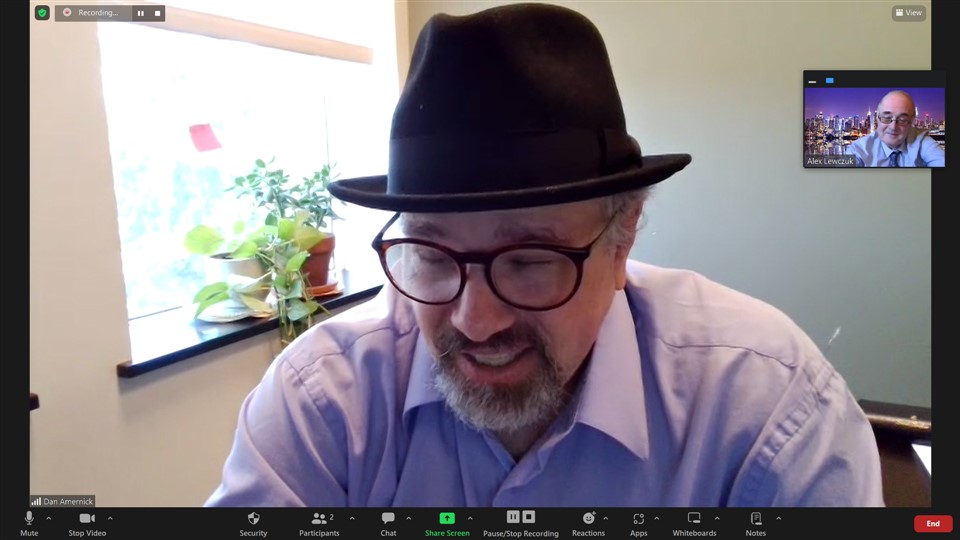
Interviewer: Arzu Karaduman Interview Guest: Dan Amernick

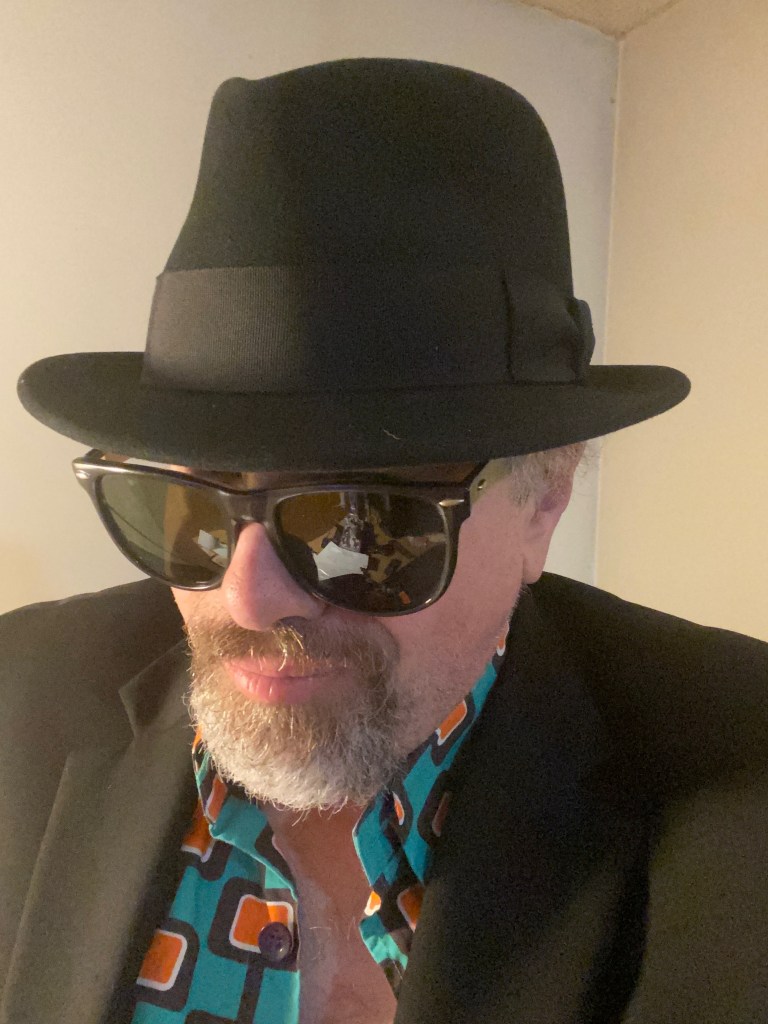
Dr. Dan Amernick is a Senior Professional Lecturer of Media Arts, teaching
Screenwriting for Film & Television and Advanced Screenwriting for Film & Television. Prior to teaching, Amernick worked for a number of years in the entertainment industry, notably on the writing staff of the CBS sitcom The Nanny.
Your career bridges both the professional entertainment industry and academic teaching. Could you describe the pivotal moments that led you from writing for a major networks sitcom like The Nanny to pursuing a doctoral degreeand ultimately teaching screenwriting and media arts?
There wasn’t like a tipping point. There was more of a series of events. Once the show went off the air, then I was doing different types of non-sitcom writing, which was fine because it paid the bills. I was working at SoapCity, doing all the writing, the soap opera features, interviews, and episode recaps. It was great, but I really wasn’t a soap person. The Nanny went off the air in 1999, and I continued working in the soap world until about 2009. And at the time I was already thinking that I wanted to do something with teaching. But, around 2008 or 2009, I was so against the idea of going back to college. I just couldn’t imagine doing it at my age. And at that time, my goals were still different. I was still thinking “Oh, I’ll teach creative writing to third graders,” because that was the age when I had this really good third grade teacher, and I wanted to kind of pay it forward. At some point, though, I started thinking bigger. I started to think college level. And I was cold-calling places, and they told me I needed a master’s. At the time, my arrogant self thought: “Oh, who needs a master’s!” And of course, after going through the process, I did say “I do, and even a Phd!”.
At this point, I was in Vegas working at a job that was not paying well. It was interactive training videos. I was in my early 40s. I knew if I didn’t take the risk and go back to school, then I would just be going from one sort of unfulfilling freelance contract writing gig to the next. And so that was really that kind of pivotal moment. I wanted to teach, so I thought “I’m going to have to go full throttle and go back to school”. After that first year
of the media studies master’s program at Syracuse, the Newhouse School, I thought it was all starting to come together, and next I know I was getting a PhD in mass comm. So that’s the evolution, definitely a combination of career, different priorities, growing older, not wanting to be hustling for writing gigs.
Initially, I hoped to teach TV history and topics that excite my mentor, advisor and friend, Dr. Robert Thompson –I have to name-check Bob obviously. But it turned out my research portfolio was very different than the research of the people who do critical cultural studies. And so it’s made much more sense –when things opened up– to teach screenwriting and media writing classes instead.
Working on the writing staff of The Nanny placed you within a successful network television environment. What lessons about narrative structure, creative collaboration, and television production did you take from that era? And what do you see as the value of practitioner-scholars within media studies today?
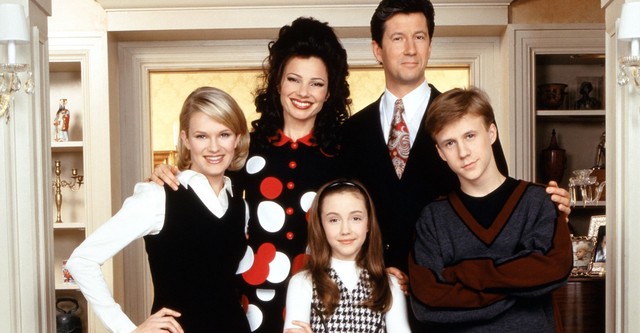
It was just a great era because it was still broadcast TV, and there were still these mass audiences during the network run of The Nanny. We were really lucky. There’s all this creative collaboration. Even as production assistants, once they knew we wanted to write, after we’d been there for a year, my brother and I, they were letting us sit in. They were really good about that in general, respecting everybody’s talent,
wanting to bring people up and promote from within; they were really excellent at that. And I think I have to thank them for that.
We were allowed to pitch story ideas early on, with support from people like Fran Drescher, her then-husband Peter Marc Jacobson, and co-creators Robert Sternin and Prudence Fraser. We also had support from writers and producers like Diane Wilk, Frank Lombardi, and early supporter Janis Hirsch. They all read our sample portfolios, which was part of the creative collaboration. The mentorship was important—they saw potential in people, not just us, but others who wanted to direct or learn about camera work. Everyone got a chance.
When we got our first assignment, the writers provided just the right amount of mentorship. We worked through the story, scene by scene, learning why certain changes were needed. We went through multiple drafts before the script was tabled. It was a process of learning how to structure a script, understanding when a scene needs a stronger punchline or a different type of laugh, or when to end on a blow. It was also a lesson in collaboration. The writers’ room was key to that. Even when we were done with our production assistant jobs, they let us sit in on the room and pitch jokes. It was like auditing a class at night. I always say this wistfully because I understand that this type of writers’ room, as we knew it, is disappearing for various production reasons; that writers room was a real hot bed of collaboration. That kind of multi-cam, live-audience broadcast show, like The Nanny, is becoming less common, especially with the rise of streaming.
Back then we were learning even in our day-to-day tasks. I remember schlepping as a phone page/production assistant and analyzing scripts. We’d take home drafts that changed daily and evaluate what stayed and what didn’t work. For example, a joke that got a laugh in a Monday run-through might not make it to the final version. I think anybody who, if you logged in as much sitcom watching as I did as a child, would know there is an innate sense of the story, of the commercial breaks, the rising action, the act breaks, and the conflict, and people bring that to their screen experiences. Looking back at the whole process now, I remember in one episode there was a scene where a joke run went on for probably a page and a half, but they condensed it to one strong joke. Well, I certainly didn’t bring that to my life as a teacher, the idea of not repeating the same joke over and over; but I learned that from The Nanny.
To not forget your second part question, I think both practitioners and those with a theoretical background bring so much to the table. When I was in grad school, they recognized the value of the practitioner-scholar. And the current leadership at where I’m working definitely has made a point of seeing the practitioner and the scholar that I am. There is no substitute for what we have learned in that writer’s room in those years; working with that particular group of people was the ultimate masterclass. And without that experience, I would not have been able to offer what I’m offering in the classroom.
Sitcom writing often balances formulaic expectations with creative invention. How do you think narrative innovation happens within highly structured formats like network television? Can constraints of genre or industry conventions actually foster creative risk-taking?
Historically, the constraints have forced a certain creativity. That’s not to say that the creative freedom of other formats isn’t great. Going back to what you could or couldn’t do or say on television, writers, in sitcoms especially, would come up with, clever workarounds. The one example that comes to mind automatically is Seinfeld’s “The Contest,” right? A whole episode about that particular topic, which they never mention by name, because of the network standards and practices, they had to come up with clever workarounds. It was within sort of our expectations of what you can get away with on a network television at that time, how they were sort of breaking the boundaries while but being so subtle about it. On the flip side of that is the two-part Maude abortion episode in 1972 where they don’t they don’t mention abortion by name, but we know that the character of Maude Findlay, played by the late Beatrice Arthur, is pregnant and does not want to carry the baby to term. So our expectations, generic genre what have you, have always been disrupted; sitcoms in the 70s started blurring the lines between comedy and drama. Think MAS*H, think All in the Family, think Norman Lear! And then in the 80s dramas like Hill Street Blues and St. Elsewhere start to blur the line between the serious drama and comedy. They bring comedic moments on these life-or-death scenarios, and then The Sopranos and Breaking Bad. Both of those shows were outside of the panopticon of network television, and so they were given those freedoms, but I think there’s something to be said for that.
Make no mistake; those constraints can be challenging and creatively stifling. To my knowledge, we never had to deal with really ridiculous notes. But historically, there’re these network executives and all these stories. There’s a book of notes from network executives called A Martian Wouldn’t Say That: Memos TV Execs Wish They Hadn’t Written. Because you’re dealing with this specific set of guidelines, you come up with ways to subvert it. I think that’s been historically true. And now that’s, you know, just the norm: the sort of subversion of expectations.
How do you see contemporary television, especially in the era of streaming, relating back to the broadcast sitcom structures you experienced earlier in your career? As someone who teaches screenwriting, how do you approach the transformation of practical industry knowledge into structured classroom pedagogy? Are there particular frameworks or case studies you find most effective in guiding students to professional-level scripts?
There’s still this sort of throughline: the delivery system has changed in terms of the contemporary landscape. But the contemporary television has revamped some of the earlier structures. For example, on The Nanny, we were working with the classic two-act structure, multicamera show filmed in front of a live studio audience. And in terms of contemporary television, that earlier structure, I think, has largely gone away. You don’t see multi-cam sitcoms with live audience, with the exception of some of the reboots. But the two-act structure also gave way to a three-act structure modeled more closely on the three-act screenplay paradigm. But even that three-act structure gave way to this sort of four-act structure, which is pretty much the networks squeezing in extra commercial breaks in there to make a little extra money. At the end of the day, though, the basic narrative structure has remained, and I don’t want to say “static” because with streaming there’s more experimentation; they’re not building to a commercial break; they’re not forcing the same sort of pronounced act break. What we did, and how we did it back then, is very different than what’s going on today. But at the same time, it’s still helpful pedagogically to teach the students the three-act screenplay paradigm and show them how these three acts are broken down into sequences: the setup, the confrontation, and the resolution.
If you want to think of that two-act sitcom structure, take the first two acts in the typical three-act structure, the set up establishing the characters and their needs, and the confrontation. Usually in the middle of act two would be a midpoint, where not only is the character’s dream denied, but now they go in a whole other direction because their dramatic need is even more jeopardized, or their need has been upended. The two-act sitcom then continues into a second act of more rising action before that highest point of the climax and a final resolution. Later on, a sitcom condensed that larger real estate of the Hollywood three-act structure and modeled similarly timed act breaks. In the more contemporary four-act structure, they just cut the middle of act three to add that extra commercial break, which in many cases interrupted continuity rather than help sustain it.
When you think about Hollywood and the three-act structure, each act essentially has a beginning, middle and end, so you can break a three-act screenplay down into nine plot points or sequences. You can show students Star Wars and break it down into sequences, and then they’ll understand how a season of streaming series works. For example, each episode of a nine-episode series, like Stranger Things, is one sequence of the whole. So the season becomes an extended screenplay in many ways. Once they understand this basic structure, they can think about what the entire season they want to write looks like.
It’s a good way to show them the foundational structure, even though contemporary shows tend to be more complex with non-linear storytelling, jumping back and forth. To fully understand their film and TV vocabulary, they need to see both classic and contemporary examples. For example, to better understand Parks and Rec, 30 Rock, or Abbott Elementary, they need to watch the original Mary Tyler Moore Show pilot for character development. If they want to understand Pluribus, they should look at what influenced Vince Gilligan, like Twilight Zone or even the philosophy of the original Star Trek—he’s obviously well-read and influenced by classic TV that he pays homage to. Without that context, they’ll watch Pluribus and only compare it to Netflix’s Black Mirror, missing the broader storytelling influences. Expanding their vocabulary is key. They might resent me for it, but once they understand the references, like in WandaVision, they know they see the connections thanks to what is taught in class.
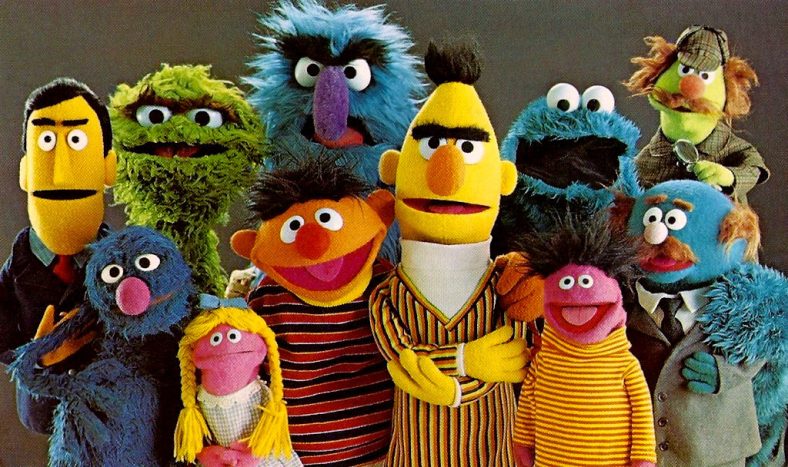
Your research interests include television history and popular culture. For example, you have spoken publicly about your long-standing interest in the Muppets. What draws you to Henson’s creative philosophy, and how do you understand the Muppets’ cultural legacy within the broader history of American media? In what ways do
Henson’s world-building practices — his fusion of puppetry, humor, and emotional sincerity — inform your perspective on storytelling, character creation, or the pedagogical approaches you bring into your screenwriting courses?
I’ll start with the chronological answer, then move to the emotional one. Being of a certain age, I was the ideal target audience for all things Muppet. I was a first-generation Sesame Street viewer, born in the same year the show came on. So, I formed an early emotional bond with Sesame Street Muppet characters. By the time I was too old to watch a show aimed at preschoolers, The Muppet Show came on, which felt like a natural progression.
But on a deeper emotional level, I realized why I connected with the Henson philosophy and the Muppet characters as I got older. They were all eccentric non-conformists, marching to the beat of their own drum. Sometimes literally. These characters, Fozzie Bear, Kermit, Gonzo, Miss Piggy, had relatable needs each with unique emotional needs baked into them. For anyone growing up with a need for creative expression but no platform for it, these characters resonated deeply.
Jim Henson’s philosophy, that we all have something to offer and that it’s okay to be weird and different, was powerful. Growing up in the 70s, when everyone seemed to be wanting to fit in and conform to the norm, it was very appealing to see characters who just wanted to perform and express themselves. Fozzie Bear, for example, is not a good comedian, but he needs approval, undeterred by the two hecklers, Statler and Waldorf.
He just keeps trying! That perseverance and willingness to fail and keep going was incredibly appealing. In the classroom, I try to instill that same sense of individuality and encourage students to think not just about the words on the page but about what they bring and their unique experiences. It’s about embracing their creativity and individuality in the work they produce. I often end my advanced class with a quote attributed to Jim Henson: “Take what you’ve got and fly with it.” I think it’s just great advice!
Students really connect with that, especially when they’re exploring characters and stories about finding themselves, like in many of the shows and films they love. I can see how the Muppets, with their unique blend of individuality and perseverance, are very much in line with 70s culture and its focus on nostalgia and pastiche. But that’s a whole other conversation!

Your recent podcast conversation offered a nuanced reading of Saturday Night Live’s transformation. Prior to the podcast, you published on Saturday Night Live’s “lost seasons” and archival visibility. How did that project shift your understanding of media preservation, institutional memory, and cultural value? In what ways might this perspective be relevant to current debates about digital media and platform ephemerality? And perhaps, through another angle, what does SNL’s trajectory reveal about the changing dynamics of risk, innovation, and political discourse within American broadcast comedy?
One of my friends and colleagues from Newhouse, Dr. Charisse L’Pree, has a regular podcast on SNL. During the 50th anniversary celebration, they invited me to discuss how the show had evolved, which ties into an area I was particularly interested in. I think “the lost seasons project” really informed my understanding of the archive. It was an archival defense, and that’s where I had to define it through Derrida. It wasn’t
easy, but it was key to the project. The idea of who controls the archive has, by extension, control over the historical narrative is central. The two ideas, that is archiving and the lost seasons, went hand in hand.
That project became a way to challenge the narrative around those years of SNL, particularly from 1980 to 1985, which were often dismissed. The general historical narrative, for example, has been that after Lorne Michaels left in 1980 and Jean Doumanian briefly took over, followed by Dick Ebersol, the show was inferior. How do you follow the well-earned mythology surrounding the original cast? The myth was that these seasons were nothing more than an inferior imitation of SNL, and that Lorne Michaels’ return in 1985 saved the show.

That narrative was perpetuated by how the episodes from that period were archived. Many of those episodes are either missing or heavily edited, even in places like Peacock. They’ve shown up in syndication, but they’re not there in their entirety. The 80s episodes are often cut down to about 20 minutes, so you don’t have the chance to really get the full picture. Aside from occasional clips of Eddie Murphy, the breakout star
of that time, you don’t see much of those seasons. I think this downplays the contributions of those seasons. The general theme that went on was that the show became dumber and apolitical. And my argument was maybe there was more than they were given credit for.
In the most general sense, we talk about media ephemerality. Students mock me when I pull out a DVD; I might as well be pulling out a Betamax. But you want this, because your favorite show can just get pulled from circulation, which is what’s been happening for various reasons. Sometimes it’s about agendas, or cost-cutting, but things are disappearing from the archive. Look at what’s been going on with HBO Max, the streaming service for Warner Bros., a legacy studio, which should house the Warner Bros. Looney Tunes cartoons, some of the most iconic animated characters alongside Disney’s. You’d think HBO Max would be a natural home for those cartoons, but under Zaslav they were pulled for cost-cutting reasons. So now you can’t even watch a classic Bugs Bunny cartoon on HBO Max.
That’s just one example, but it speaks to a larger issue of how streaming as this rotating library has become the ultimate ephemeral entity, because they might be permanently out of stock or taken away because of rights clearances, which really reinforces the importance of having physical access to original materials. Sometimes that means owning the physical media, DVDs or whatever format, because streaming has made
media completely ephemeral.
For researchers too, there’s always this sense of incompleteness. If the entirety of a series isn’t available, it really affects the work. When I did my analysis of The Muppet Show, it was hindered because only three seasons were available on DVD. I randomized episodes from those, but some had to be disqualified because of music clearance issues, and even then the episodes themselves were incomplete.
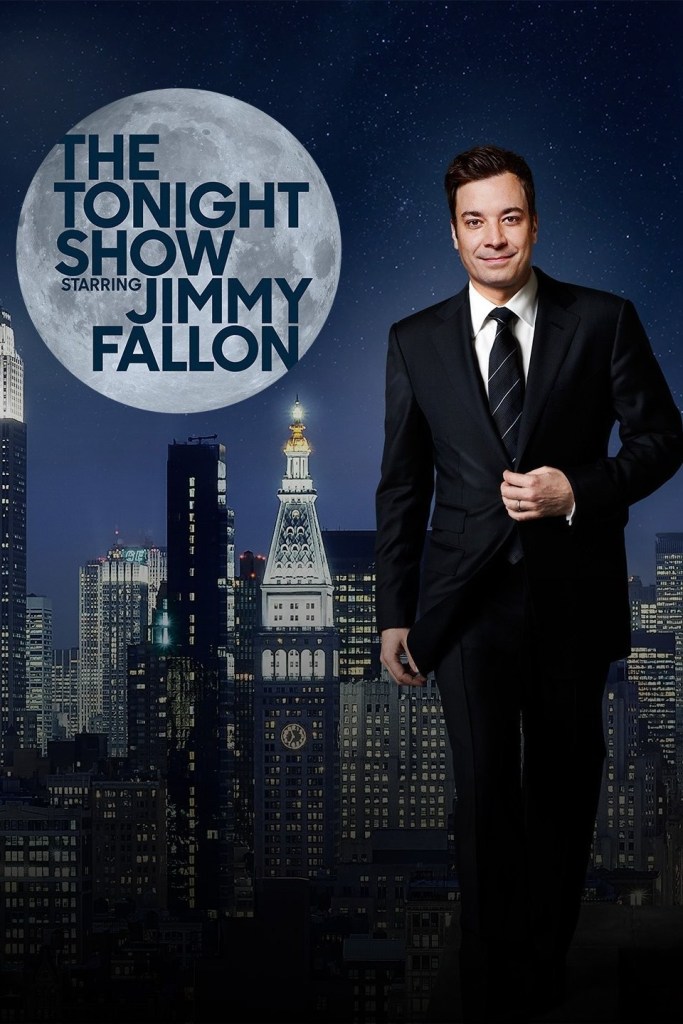
Ideally, you want archives to be as complete as possible, for consumption, yes, but especially for research. There are things that are out of our control, like when they erased all those old episodes of The Tonight Show. With Saturday Night Live, for example, the materials exist; it’s just a matter of access. They’re there, but it would be great to have full availability so we can do real analysis. There’s probably no better show to analyze the latter 20 th century pop culture than Saturday Night Live. The music, the political satire, the mood of the country; you can see shifts over time, especially as it becomes more political during the Reagan and
Bush years. It all comes back to the same point: preserving the archive as much as possible.
Given the widespread popularity and critical success of many current television series, are you ever struck by audience reactions to shows that, from a screenwriting standpoint, you find less compelling or even structurally weak? I’m thinking in particular of the kinds of heated debates that unfold among scholars and TV/film enthusiasts across social media platforms. For example, recently I have seen many similar discussions on Pluribus; however, being a scholar of film aesthetics and sound, I don’t think I bring the same critical attention to storytelling that you do.
I come at it from a few different perspectives: as a former TV writer, a screenwriting professor, and just a regular viewer. My issue isn’t that the writing itself is weaker. That’s not what bothers me. The hill I die on is how the streaming season structure has changed storytelling. When I was working in TV, we did 24 or 26 episodes a season. Over time that number kept shrinking, and now the streaming norm is eight to ten episodes, sometimes followed by a couple of years of disappearance. Writers and producers are doing good work within that framework, but shorter seasons and dropping everything at once don’t always let stories breathe.
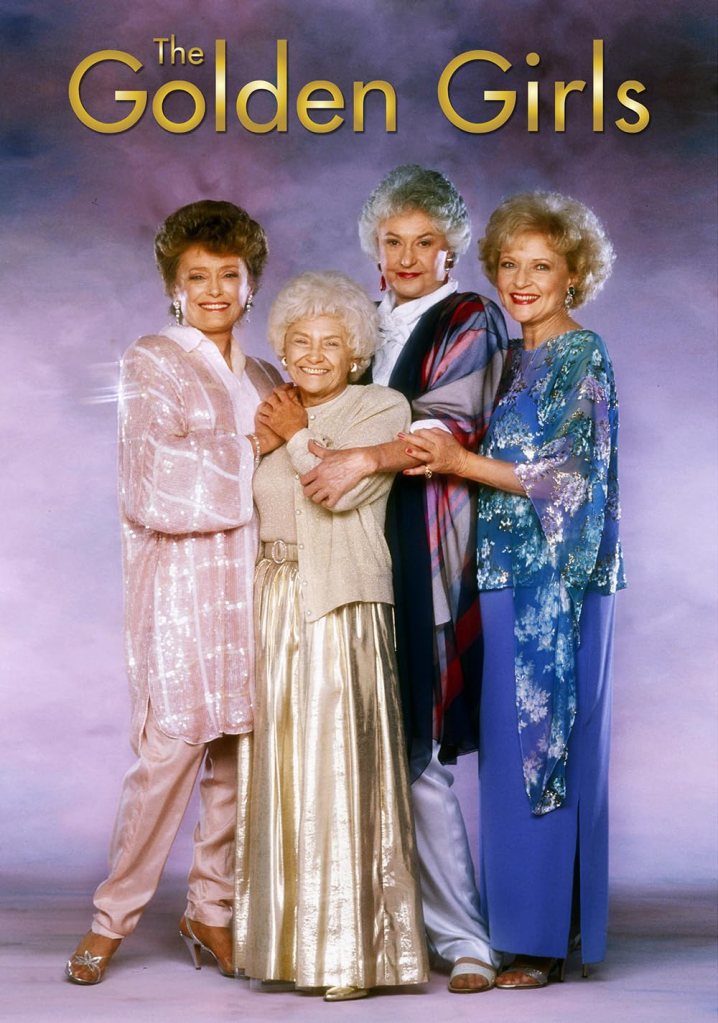
The counter-argument is that longer broadcast seasons meant more misses than hits, and that’s fair. But they also gave shows time. Sitcoms especially needed room to find their voice. Many shows we’re still talking about decades later needed that runway. Take The Golden Girls: as strong as it was out of the gate, you can still see them figuring out rhythm, relationships, and voice in those early episodes. That’s what I think is missing
now.
To their credit, some streamers are adjusting. Netflix realized that dumping everything at once kills the cultural conversation, so they split the final season of Stranger Things. Apple TV has been smart about weekly releases. Shows like Pluribus benefited from that because they stayed part of the conversation longer. And Pluribus in particular became a kind of Rorschach test; Stuart Hall would be smiling! It’s a dream case study.
Honestly, every humanities professor should probably send Vince Gilligan a thank-you basket, because it’s endless material for philosophy and sociology classes. What’s exciting is that people are engaging with a show intellectually. That doesn’t happen often anymore.
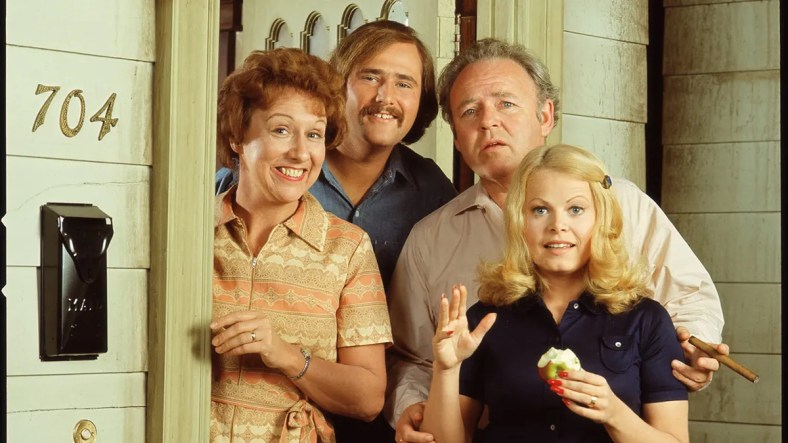
That tension between intention and audience reception isn’t new. When All in the Family aired, teachers requested study guides to use it in classrooms. At the same time, you had Archie Bunker for President T-shirts, which was first ironic, but then worn unironically. People would come up to Carroll O’Connor, a lifelong Democrat, and tell him, ‘You’re the man.’ They were emotionally identifying with Archie and missing the point. As one writer noted, those mugs and T-shirts kept selling long after teachers stopped asking for study guides. That tug-of-war never goes away.
I think Pluribus sustains that tension better than most. Like Severance, it is driven by ideas rather than aesthetics. There’s less danger of what happened with Succession, whose viewers missed the critique of moral bankruptcy of the filthy rich and instead focused on lifestyle fantasy. That’s not a knock on the creators; it’s about reception. When I watched the pilot of Pluribus, I immediately read it through my own experience,
being the lone liberal in a family that’s gone conservative. But at the same time, I’m realizing an anti-vaxxer is probably seeing this as a metaphor for their worldview, and a right winger is seeing this as a metaphor for the dangers of communism. It taps into philosophical ideas such as “Paradise without free will is just a pretty prison” and homages to that false-paradise idea in The Twilight Zone’s ‘A Nice Place to Visit’. And
also, maybe that’s my TV-nut brain, but Koumba Diabaté surrounded by models felt very much like Harry Mudd surrounded by beautiful androids in his second appearance on Star Trek (“I, Mudd”). Those references deepen the show and open it up to multiple readings. Everyone sees their own message reflected back. You see that online, too; people saying the hive mind -the joining- doesn’t sound so bad. That’s what makes it
such an effective utopia/dystopia.
That ties back to something else I took from Pluribus: the idea of groupthink. The constant use of ‘we,’ the chanting ‘Carol, please,’ felt like an allegory for the meme/the hashtag culture. Whether intentional or not, it’s a perfect image of contemporary culture, where ideas circulate endlessly and become consensus before anyone stops to question them. And that’s exactly why the show invites this kind of layered, sustained analysis. The challenge now is season two. That’s the downside of the streaming landscape; long gaps risk losing the cultural conversation. Look at Wednesday. Too much time passed, and people just forgot about it.
Looking ahead, what emerging questions in screenwriting, television history, or media arts are you thinking about in your research, teaching, or even in daily conversations? And finally, just remembering the recent two strikes of the Writers and the Actors Guilds in the US, I would like to ask how you think AI is going to affect the
industry, from screenwriting to production and post-production processes?
The emerging question now is artificial intelligence: what it’s going to do, and where it’s going to leave us. And that’s tough. I don’t want to be alarmist or paranoid, but without guardrails, I understand why people are genuinely worried. There are serious implications: people being put out of work, craftsmanship being slowly
replaced. Those concerns aren’t abstract; they’re real.
When it comes to teaching screenwriting, this is what makes the moment so challenging. Sometimes I feel a bit like Howard Beale at the end of Network, not the ‘I’m mad as hell’ speech, but that quieter moment after he’s won, when he realizes the system has already moved on, and the individual no longer seems to matter. Because how do I stand in front of students and talk about the value of the individual voice when
the landscape has been so radically disrupted?
Even without AI, opportunities have been shrinking. The old origin stories with the right place, right time, getting a foot in the door through production assistant work and slowly moving up those paths are far less accessible now. Students today are going to need even more luck than we had. And that’s hard to say out loud.
So when you’re teaching screenwriting now, you’re not just teaching craft. You’re also making a case for the value of human creativity, the individual voice, and the individual perspective. And you also have to be honest: the odds have gotten harder. Shorter seasons mean fewer scripts, smaller writing staffs, fewer jobs. Sitcoms, in particular, are at a disadvantage in the streaming landscape. A ten-episode half-hour season can be blown through in a night or two, whereas hour-long dramas at least linger longer in the culture.
The takeaway I keep coming back to is that students have to do this for the love of it. The money isn’t guaranteed the way it once was. The opportunities are in flux. That means people are going to have to find ways to tell stories on their own terms—through smaller, more personal, handmade projects. People have access now to tools and mini- studios we never had. They may not reach Game of Thrones–level audiences, but that can’t be the only metric.
What matters is continuing to tell stories. That’s the part AI can’t replace. There will always be audiences who consume whatever is put in front of them, but there will also always be people who can tell the difference. Just like when you read a student paper and immediately know whether a human mind is really there, audiences will recognize authentic voice and intention. That’s the value we’re fighting to preserve.




 prcarnetworld.com
Leave a comment