
Interview Series: Beyond the Frame A Journey into Cinema, Storytelling, and the depths of Human Experience Interviewer: Gökhan Çolak
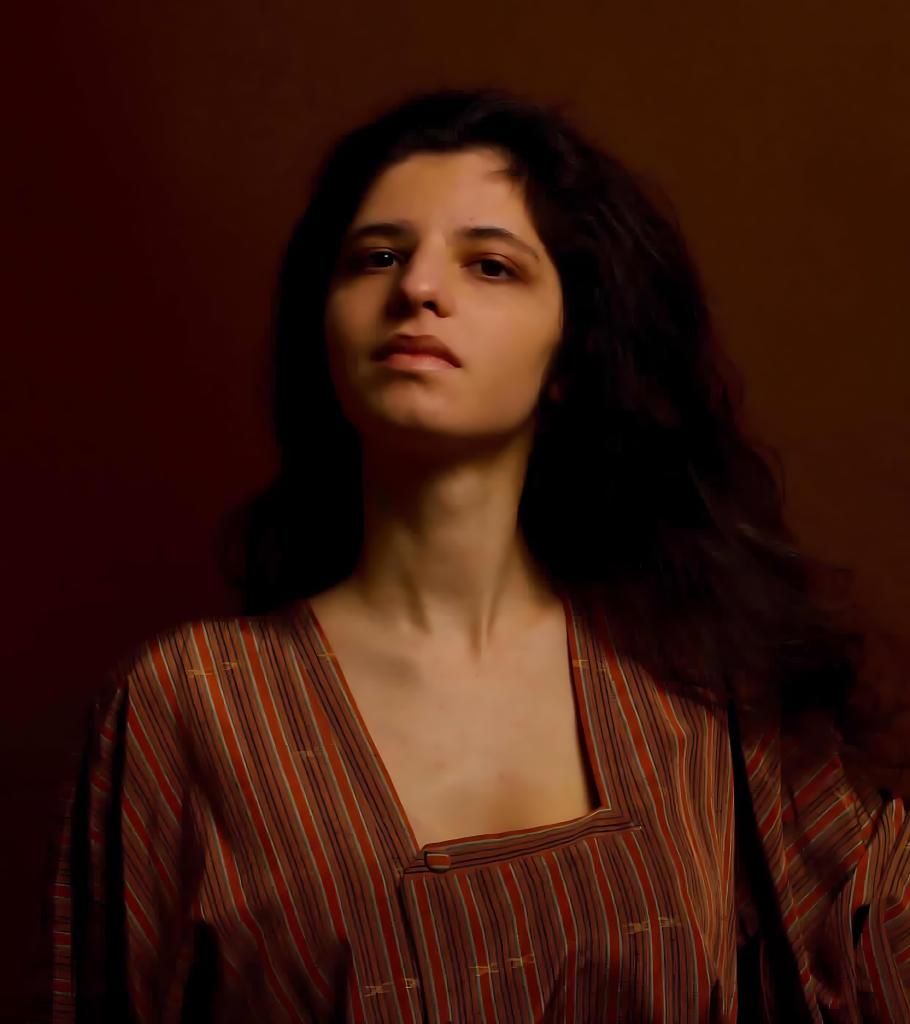
Philosophy of Cinema and Directorial Identity
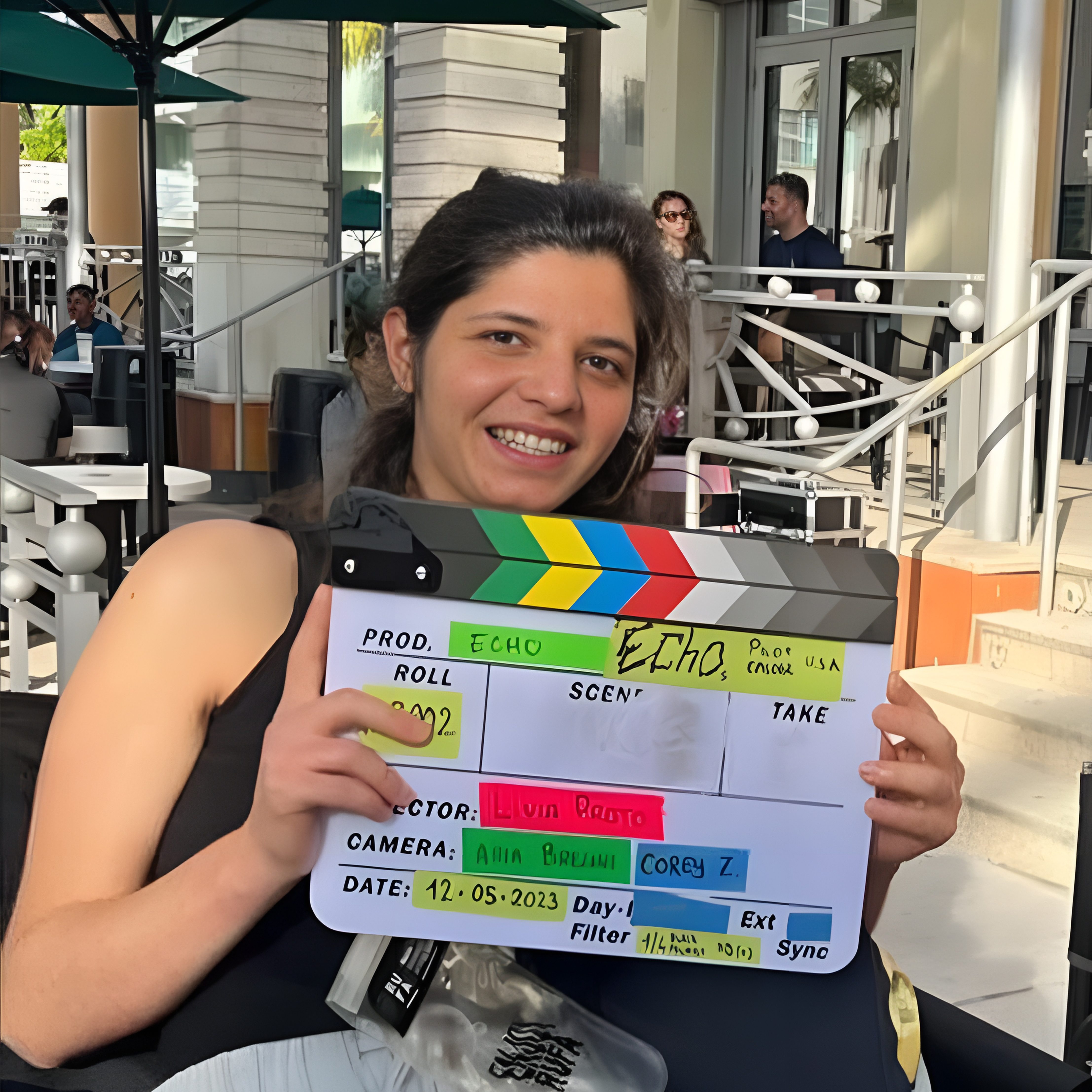
Cinema and art have been a constant presence in my life, but they became essential during a period of deep personal loss. At that moment, I understood more clearly than ever that cinema is both a form of expression and a process of discovery. It has the power to heal, to support us when we fall, and to reflect every dimension of the human experience grief, love, resilience, chaos, and beauty. Coming from a multicultural Turkish and Italian background, I developed an international approach to cinema, rather than one limited to local stories or genres. I am deeply inspired by different cultures, which I consciously integrate into my films. This is reflected, for example, in Echo, whose pilot episode was shot between Rome, Miami, and St. Augustine, creating a narrative geography that moves across cultures and sensibilities.
I would define my cinematic approach as a cinema of memory and perception rather than explanation. I am drawn to a fusion of psychological realism in which inner experience and external reality are inseparable. In my work, time, memory, and space are fluid and unstable. I explore cinema as a language of the unconscious, constructing symbolic worlds where logic dissolves and meaning emerges through perception rather than conventional narrative structure.
The atmosphere, for me, is not simply a background element, but a narrative force in itself. The core ideas that guide my work come from personal experience, art exhibitions, mythology, cinema, and the world around me. I am interested in translating these influences into sensorial cinematic experiences. For example, in the miniseries Ephemeral, which I presented during the Z-Pitch contest in Rome, perfumes and colours function as narrative guides, shaping perception as much as story.
At the heart of my work is the idea that there is never a single way of seeing or interpreting reality. I aim to communicate openness where meaning is not reduced to black-and-white oppositions, but unfolds through layers, ambiguity, and perspective. Lately, I have also become increasingly interested in documentary cinema, and I will soon release a documentary titled Life Again about the first Turkish female microsurgeon, shot in Urla, Izmir.
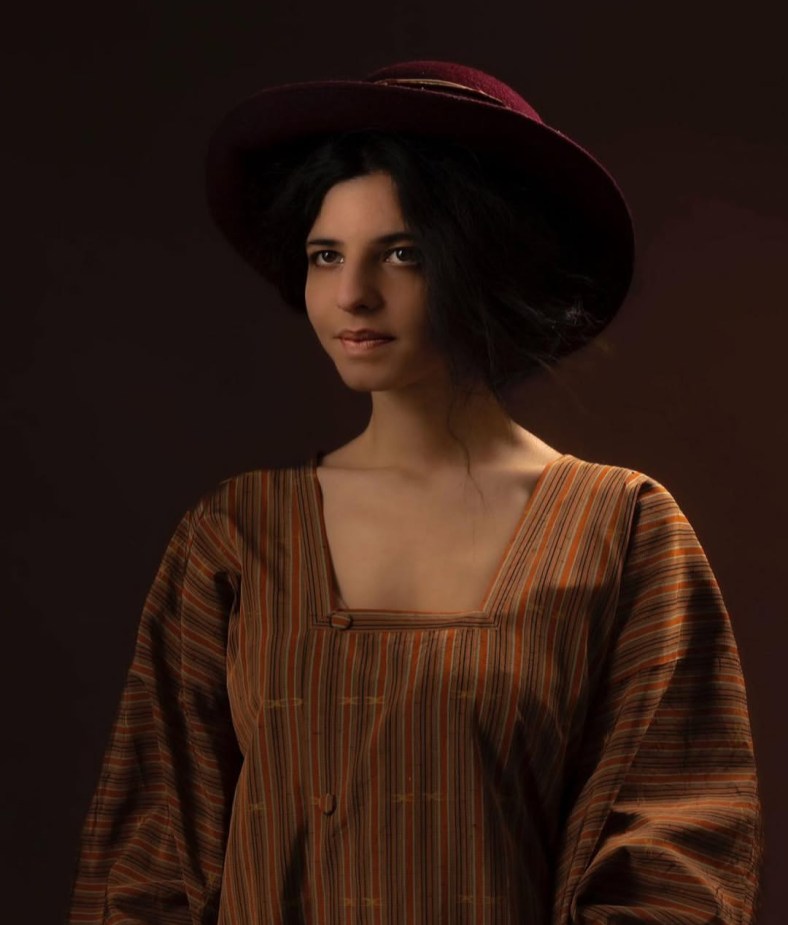
Cinematic References and Influences
My cinema leans more toward a dreamlike and stylized dimension. I am interested in creating emotional spaces rather than providing clear answers, allowing viewers to project their own experiences into the film. Elements such as magical realism, fantasy, and horror are central to my storytelling approach. At the same time, I see my work as evolving. I am still at the beginning of my journey, and I am discovering my language through each project.
I can say that I have not yet made the film I truly want to make. I am currently in the writing process, developing the foundations of what I hope to bring to the screen for a horror movie inspired by mythology. I am less interested in choosing between excess or minimalism, and more in exploring how both can coexist within the same emotional structure. The principle of “less is more” remains essential, as it often allows emotion to resonate more deeply. I see my cinema as a search for balance between these languages, a space where emotion shifts between clarity and ambiguity, presence and absence. In this sense, I am inspired by filmmakers like Stanley Kubrick, who moved across genres while maintaining a strong authorial identity. His ability to construct entirely different worlds while preserving a precise and controlled vision is something I deeply admire.
Auteur Language and Filmography
In It appeared it disappeared and WE, there is a shared sense of atmosphere and emotional intensity. Is this recurring language something you consciously construct, or does it emerge naturally in your work?
This intensity begins during the writing process, where I build emotional layers and internal conflicts, but it fully emerges during shooting, when performances, space, and atmosphere interact organically. Music also plays a fundamental role, particularly in post-production, as it deepens and shapes the emotional experience. For me, cinema must touch something real. If a film does not create an emotional connection, there is no real reason for it to exist.
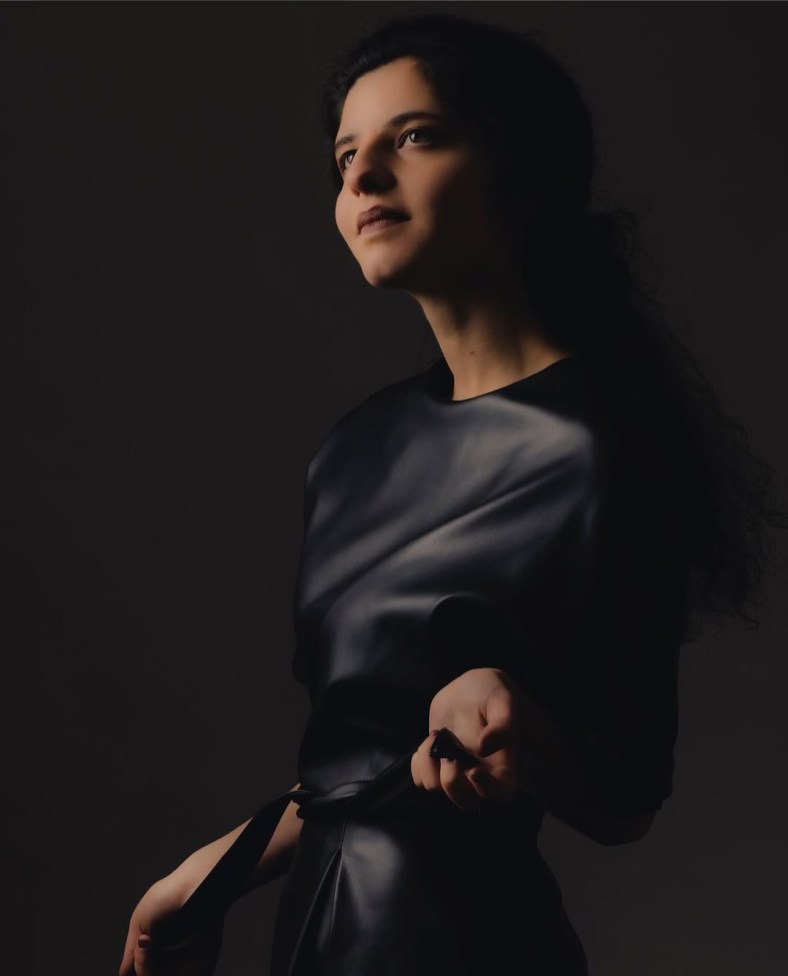
In Mutation, the theme of transformation appears to be quite central. Do you approach this transformation more as a physical change, or as an internal process within the character? In this context, do you feel any affinity with the cinema of David Cronenberg, who is known for exploring the body and identity?
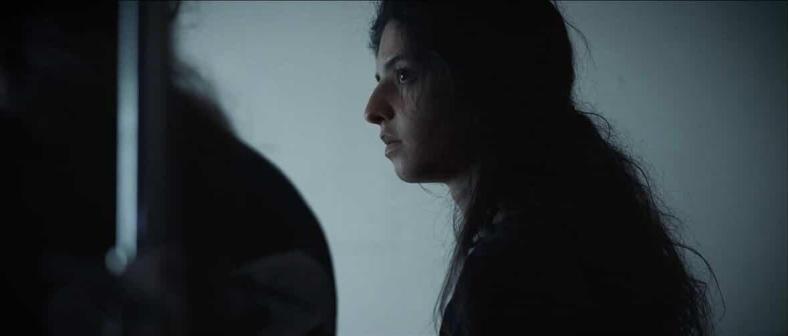
In Mutation, I approach transformation mainly as an internal process that gradually manifests outward. Shot during the COVID-19 quarantine, the protagonist’s isolation leads to a psychological breakdown, blurring the line between inner and outer reality. Mutations tells the story of Olivia, a middle-aged woman who, during mandatory quarantine, slowly descends into madness. Overwhelmed by loneliness, she begins to perceive the walls and objects in her home as living presences, until she creates a final coping mechanism: she starts talking to herself, splitting into another persona with a different voice, as if engaged in a silent, endless chess match against her own mind. I do feel an affinity with David Cronenberg, especially in his exploration of the relationship between body and identity, something I am also investigating through body horror in my current projects.
In And Again And Again And Again, the transience of beauty and its relationship with time stands out. What drew you to this theme, and how did you construct it visually? Do you see any influence from Peter Greenaway, who often works with visual metaphors and themes of decay?
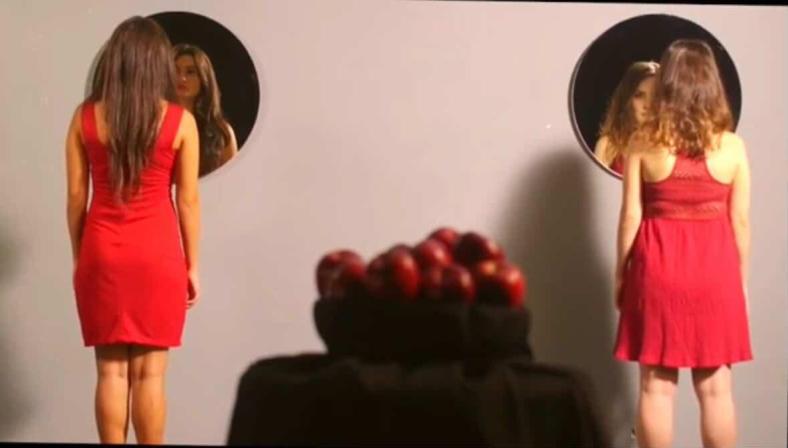
In And Again And Again And Again, I was drawn to the theme of the transience of beauty as a way to reflect on how fragile and constructed our idea of beauty really is. I wanted to explore the tension between youth, desire, and decay, and how time inevitably transforms what we perceive as perfect. Visually, I built this concept around the recurring image of red apples: the color red becomes a symbol of vitality, attraction, and competition. This also connects to the reference to Snow White “Mirror, mirror, who is the fairest of them all?” which allowed me to underline how beauty can turn into obsession and how societal standards push us toward a single, idealized image, flattening individuality.
At the same time, I introduced the element of decay through the apples themselves, which rot at an accelerated speed. This visual choice makes time visible, almost violent, showing how quickly beauty can deteriorate. In this sense, I do feel an affinity with Peter Greenaway’s cinema, his work influenced my approach to transform a simple object into a symbolic structure that carries the entire meaning of the short movie.
Character and Narrative Approach
Your characters often communicate with minimal dialogue, yet they still convey a strong inner world. What, for you, makes a character “silent but powerful”? And how do you balance performance, camera, and editing to create this effect?
For me, what makes a character “silent but powerful” is not the absence of dialogue, but the presence of something deeper, something that passes through the gaze, the body, and the way the actor inhabits the moment. The eyes, in particular, are fundamental: they can reveal tension, vulnerability, or distance without the need for words. The way an actor moves, pauses, or even resists expression can create a strong inner world that the audience perceives intuitively. There isn’t a single formula for achieving this. It always depends on the specific moment within a scene, on the emotional context, the rhythm, and the relationship between characters. A big part of this comes from the work done with actors before shooting. Rehearsal and trust are essential. The more time we spend exploring the character together, the more natural and precise their presence becomes on screen. When that foundation is strong, even the smallest gesture or look can carry significant weight.
Relationship with the Audience
How do you evaluate whether a scene truly evokes an emotional response in the audience? To what extent do you want to shape the meaning the audience takes from your film, do you prefer to guide their interpretation, or leave it open?
For me, a scene truly works when it touches something in the viewer when it makes them feel present, alive, or emotionally involved in a way that lingers beyond the moment itself. If something in that scene resonates, even subtly, then it has created an authentic emotional response. It’s not about forcing a reaction, but about creating the conditions for one to emerge. In terms of meaning, I want to express my own vision clearly, but without being overly prescriptive. I’m not interested in imposing a single interpretation on the audience. Instead, I try to leave space for openness, allowing each viewer to engage with the film through their own experiences and perspectives. I see cinema as a dialogue rather than a political statement.
Contemporary Cinema and Global Perspective
Do you think contemporary cinema is becoming more focused on visual aesthetics, or is it still grounded in strong storytelling? And does this shift lead different national cinemas to become more similar, or do they still maintain strong local identities? In this context, would you say your own cinema leans toward a more universal language, or a more personal one?
Much of contemporary cinema seems increasingly focused on aesthetics, often at the expense of storytelling. Many films move quickly, almost like social media content, where rhythm and surface dominate over depth. However, there are important exceptions particularly in authorial cinema where storytelling remains strong and rooted in local identity. Films like Sentimental Value demonstrate how intimacy and cultural specificity can still resonate universally.
Asian and Middle Eastern cinema are also powerful examples of this balance. Films like Parasite maintain a strong cultural identity while speaking a universal language. In my own work, I try to balance these elements. I aim to create a universal cinematic language through emotion and perception, while maintaining the specificity of my cultural background. Ultimately, it depends on the project, but preserving authenticity remains essential.
In Echo, the structure that connects past and present, along with the character’s search for identity, is particularly striking. In this context, do you feel any affinity with Gilles Deleuze’s approach to cinema, which considers time as a non-linear experience, or with André Bazin’s perspective on reality and subjective experience? When constructing this narrative, were you guided more by a theoretical framework or by an intuitive process?
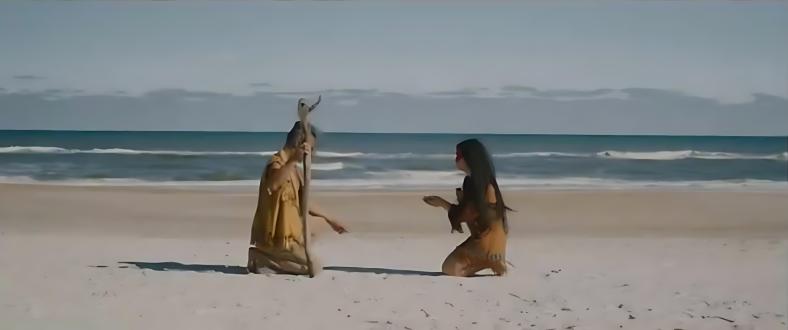
Thank you very much. My approach to Echo was primarily intuitive and visual rather than theoretical. I wanted to create a sense of cyclical time, where the past repeats itself in different forms. I focused on building a dynamic narrative through editing techniques such as cross-cutting and jump cuts, as well as strong visual contrasts. Some visual choices were inspired by films like Killers of the Flower Moon, particularly in the use of low-angle shots for ritual scenes. Colour was also central; each scene was defined by a dominant tone linked to its emotional atmosphere. A distinctive aspect of the film was the reconstruction of the Timucua language, developed through research with screenwriter Melda Sherman. This process strengthened the film’s cultural identity and immersive quality. Finally, a more indirect influence comes from Harry Potter and the Philosopher’s Stone, which shaped my imagination in blending fantasy with reality. I believe that early visual experiences continue to influence how we construct cinematic worlds.

 prcarnetworld.com
Leave a comment