INTERVIEW WITH DEANA MITCHELL ON THE EVOLUTION OF VISUAL JOURNALISM: STORYTELLING AND CULTURAL DOCUMENTATION

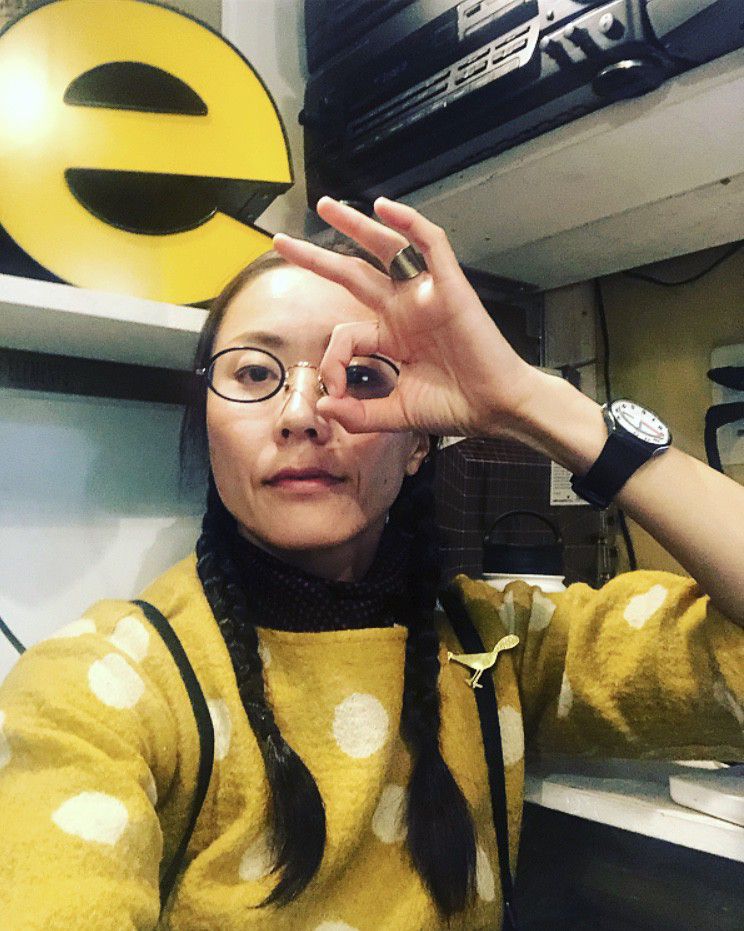
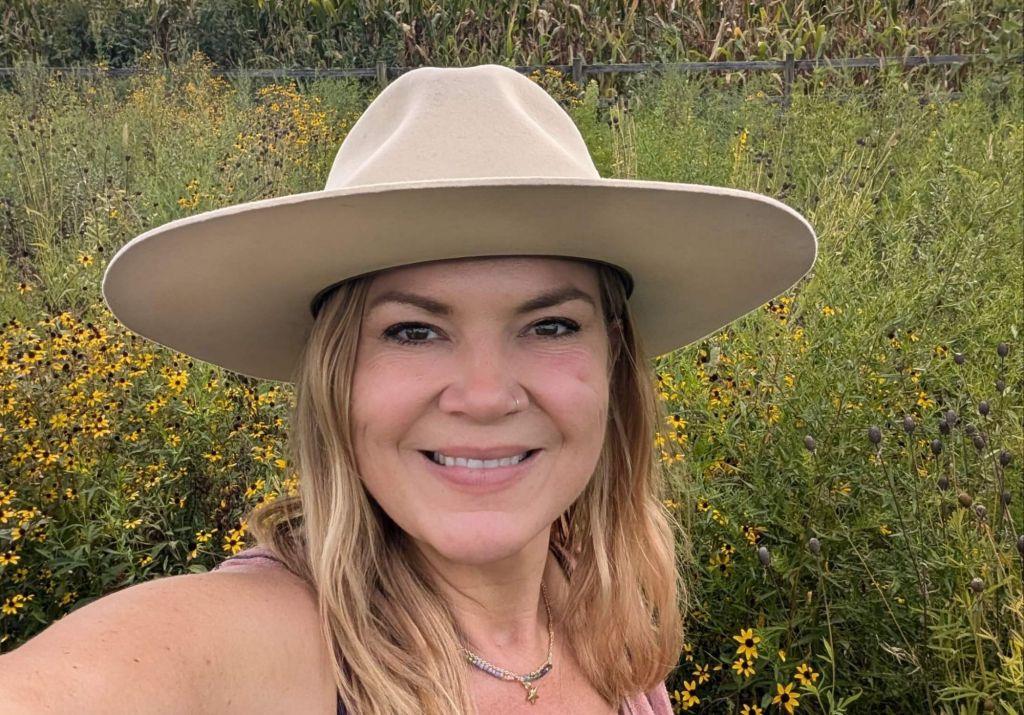
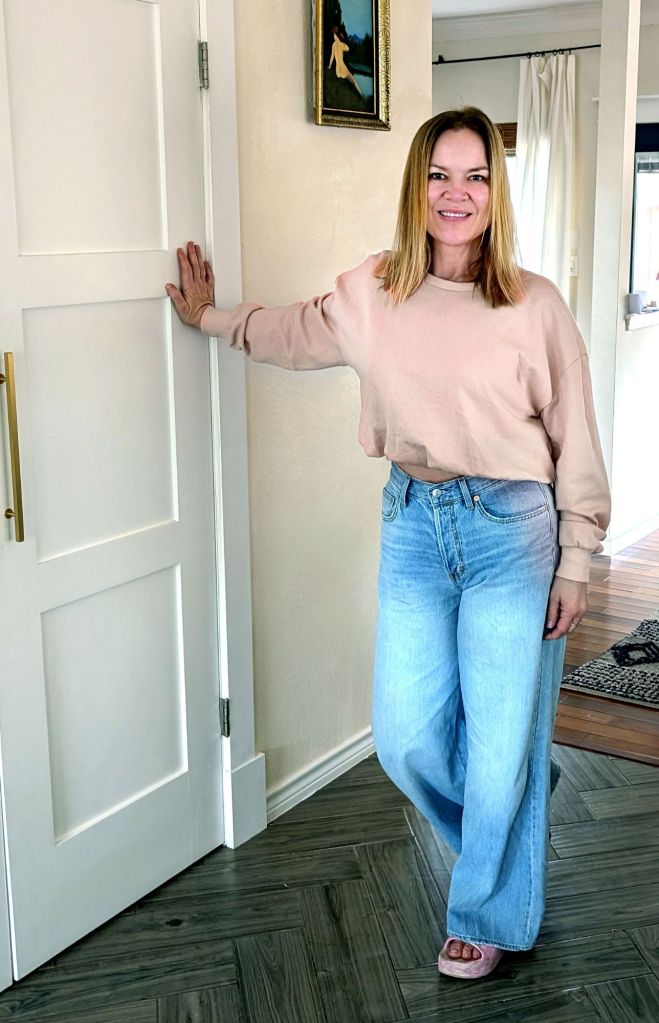
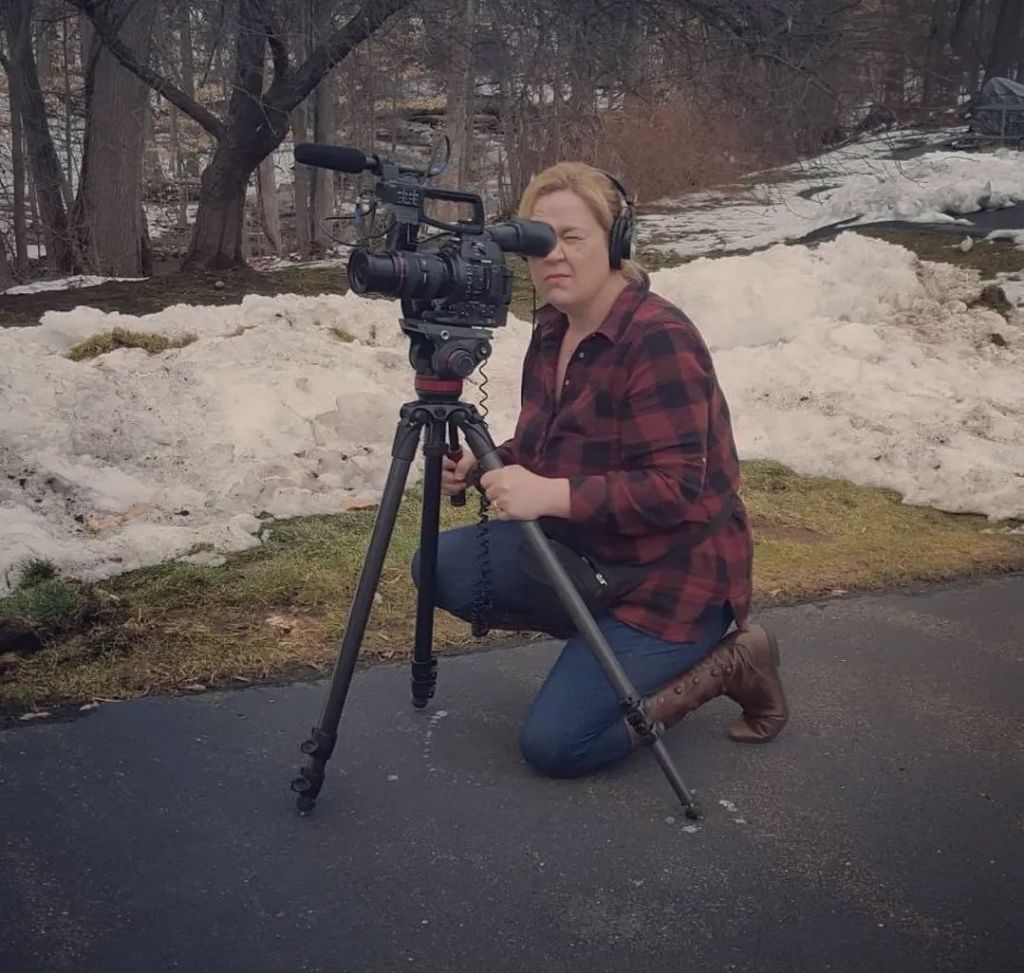
Filmmaker, Cinematographer and Journalist Deana Mitchell


1. How did you become interested in visual journalism and how did you decide to pursue a career in this field?

Even as a child, I always really loved going to movies, sitting in a dark theater and getting lost in another world for a few hours. It was a respite in a chaotic childhood, but I also specifically loved the visual storytelling. As a teenager, I started falling in love with directors who had a unique visual style like Spike Lee.  At the same time, I found the photojournalism essays in magazines like LIFE to be very compelling. I loved how single images in a series could come together to tell a powerful story.   I grew up in suburban Kansas City, so my artistic outlet was going to bookstores and grabbing a pile of photography books and pouring over them for hours. I started at the University of Missouri as a freshman planning to transfer to a film school. I got a work study job in the photojournalism department my first year, though, and fell in love. I liked the creativity of telling stories visually but also the independence of working as a photojournalist.   After working as a still photographer and photo editor for ABC News for several years, I felt compelled to get back to my first love–filmmaking, so I went back to school to get my Masters  in Journalism (documentary film) at UC-Berkeley.  I’ve been doing video journalism and documentaries ever since.

2. What were the biggest challenges you faced in creating documentaries about various cultures and communities?

I think the biggest challenge in making documentaries is funding. There are a lot of talented people fighting for the same grants. So many passionate documentarians are willing to work for free up to a certain point, but in the end, you want to be able to pay people and to get paid. The work we do as documentary filmmakers is meaningful and we deserve to earn a living. 

Getting to spend time with people from different cultures and communities is the silver living. It’s a gift to be allowed into someone’s life in such an intimate way.  I do my best to document what I see and hear in an honest way that gives respect to the subject and their lived experience. It’s such an honor to be allowed to film or photograph someone. They are trusting me, and it’s a balance of remaining respectful and sensing their boundaries. It’s important to be able to sense when to back off and give them space. It takes time to build rapport with people. 

3. You won the Northgate Award for your documentary “Before Dawn/After Don” What did this experience contribute to you?

I was in class with so many talented filmmakers and getting some recognition for my film was an honor.


4. As someone who has lived in different countries, how have your cultural experiences influenced your journalistic practice?

I didn’t come from a wealthy family. I took every opportunity I could, though, to travel. I took out student loans to study abroad in Mexico and Spain, and then I taught English in Japan after university to try to pay some of those loans back.  While in Japan, I took opportunities to travel around different parts of Asia. I love hitting the streets, eating street food and going to local dance clubs, talking to locals. Even simple things are harder–like taking a cab, but it’s also truly living in the present moment.  All of the senses are heightened—we see, hear, smell, taste, and touch new things. And, the understanding and empathy gained by talking with people with different perspectives is life changing. Our cultures help define us, but ultimately, we are all human.

5. How did you integrate drone technology into your journalism work and what are your experiences in this field?

During covid when everything was shut down, my employer at the time, Voice of America, had us doing Zoom interviews. I felt frustrated not being able to get out and shoot stories. I decided to get my FAA Part 107 Remote Pilot Drone license, out of frustration. It was actually super interesting to learn so much about aviation and flight rules. Drone footage really helps elevate stories by adding bird’s eye views. They are also super fun to fly.  I have gone to a few drone conferences, actually, and there are a shocking number of industries that employ drone pilots. 
6. While working at Voice of America, how have you observed the impacts of AI and technology on journalism?

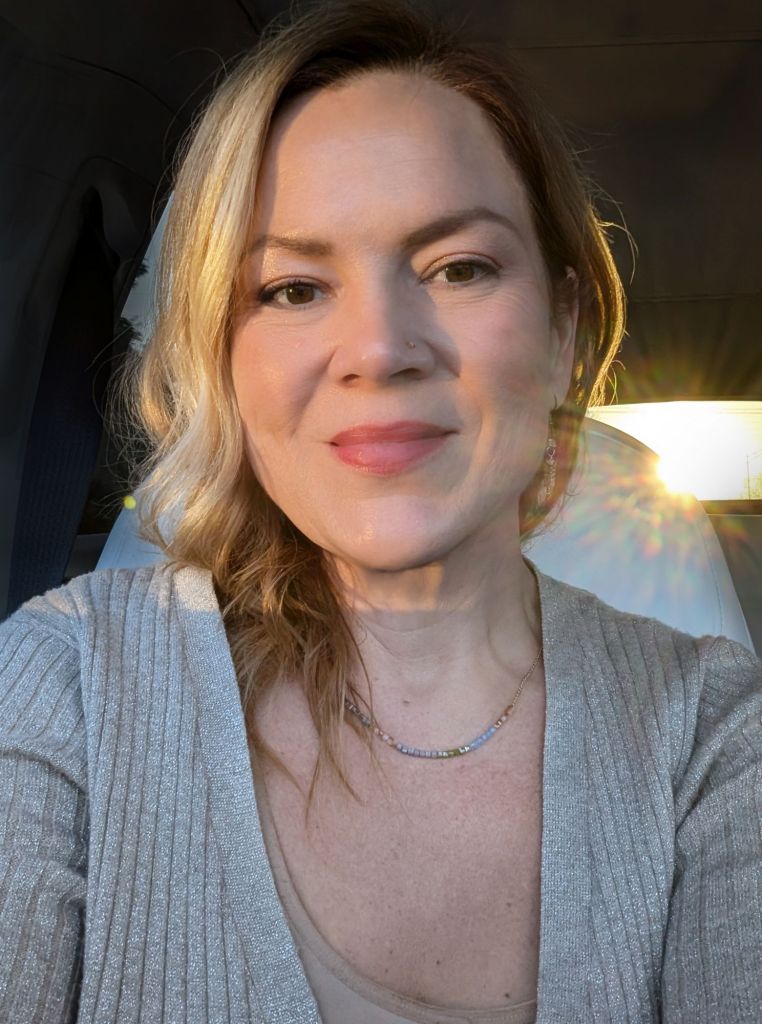
The Trump Administration is dismantling “Voice of America.” I was recently laid-off from my position there. While working there, I covered a lot of technology stories including many about AI. I think it will be interesting to see how technology like Open AI’s video generation model, Sora, changes the film industry. It is already mind blowing what you can already ask Sora to create–selecting the era, subject matter, camera, and visual style in a seconds. 

7. What projects do you plan to work on in the future and what are the goals you want to achieve in your journalism career?

I love telling stories that focus on social justice, really I just love connecting with others and getting to spend time with them, and help tell their life story.  I am open to doing this again for another news outlet, but I am also excited to direct and film more of my own documentaries.  I am looking for a passionate editor to team up with. I have a few film ideas in the research stage and am excited to have a bit more time to focus on that. 

I am also creating my own video business helping other businesses get exposure through sharing personal stories of why and how they got started.  Honest storytelling is very powerful and, in my opinion, the best way to connect with other people.    I am excited for this new stage.
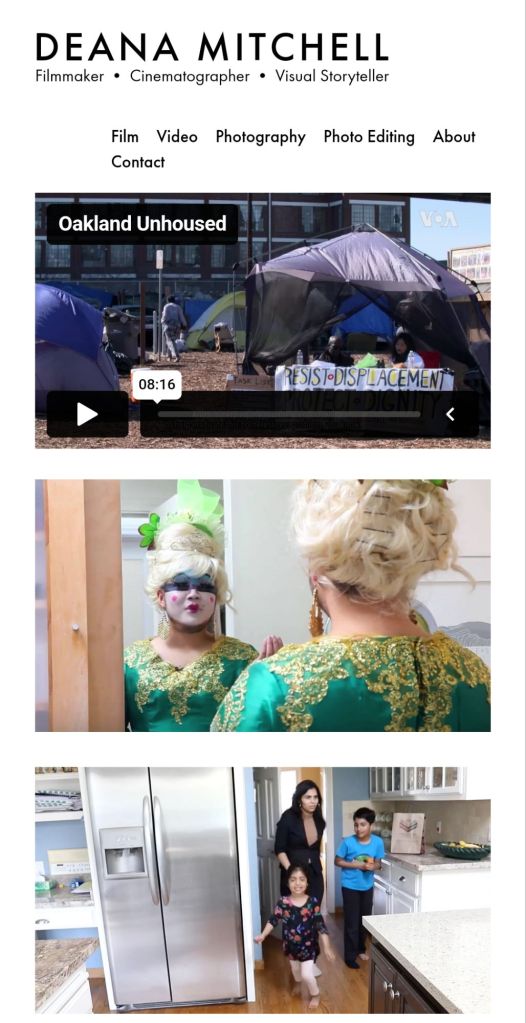
http://www.deanamitchell.com

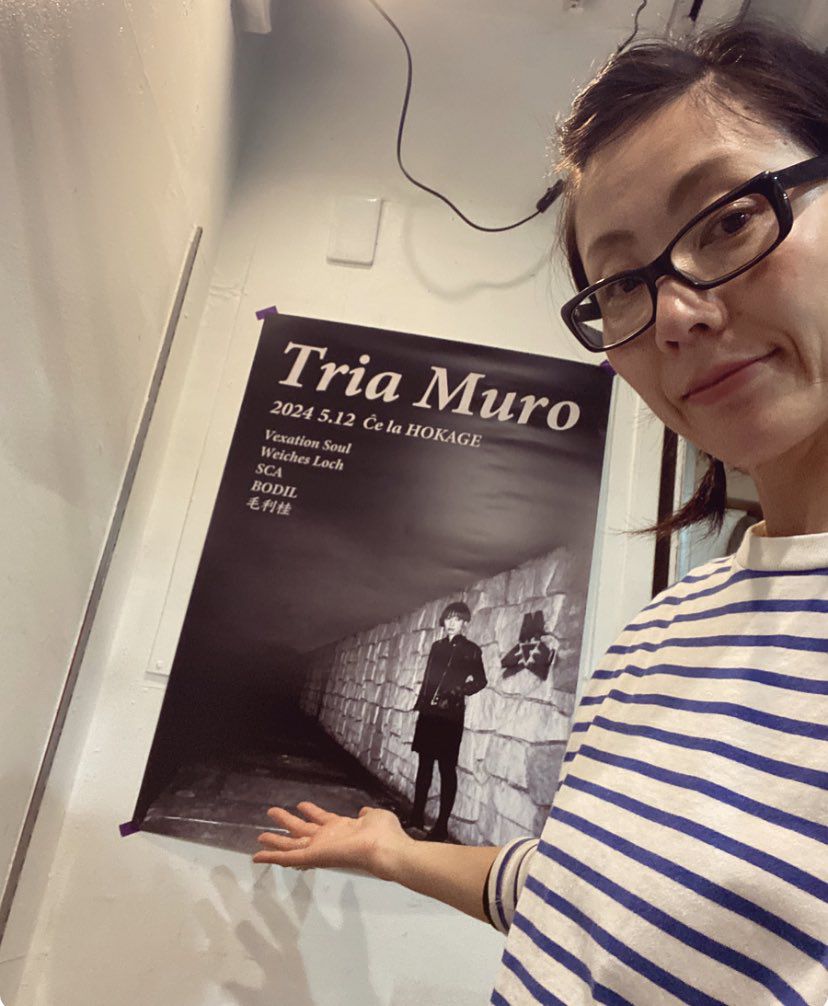
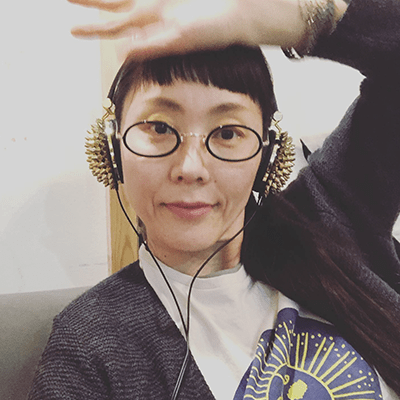
Interview with Experimental Music and Sound Artist Katsura Mouri on “Noise Istanbul Festival and Experimental Music”

Interviewer: Pr Carnet Magazine Editor-in-Chief, Academician and Author Semay Buket Şahin.

Mouri-san, we know you as an experimental sound artist, but could you tell us more about yourself? Who is Katsura Mouri?

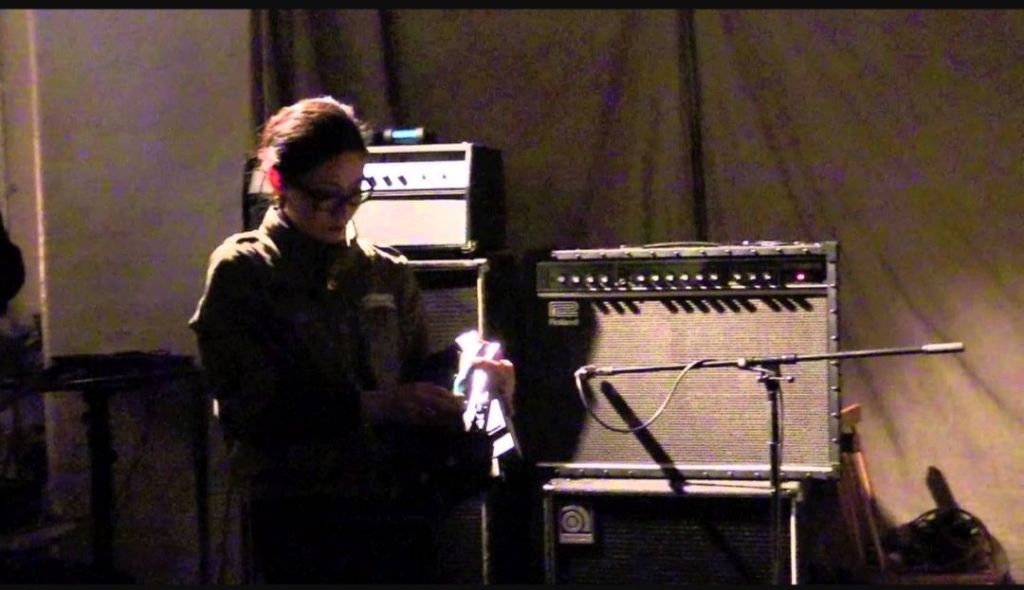
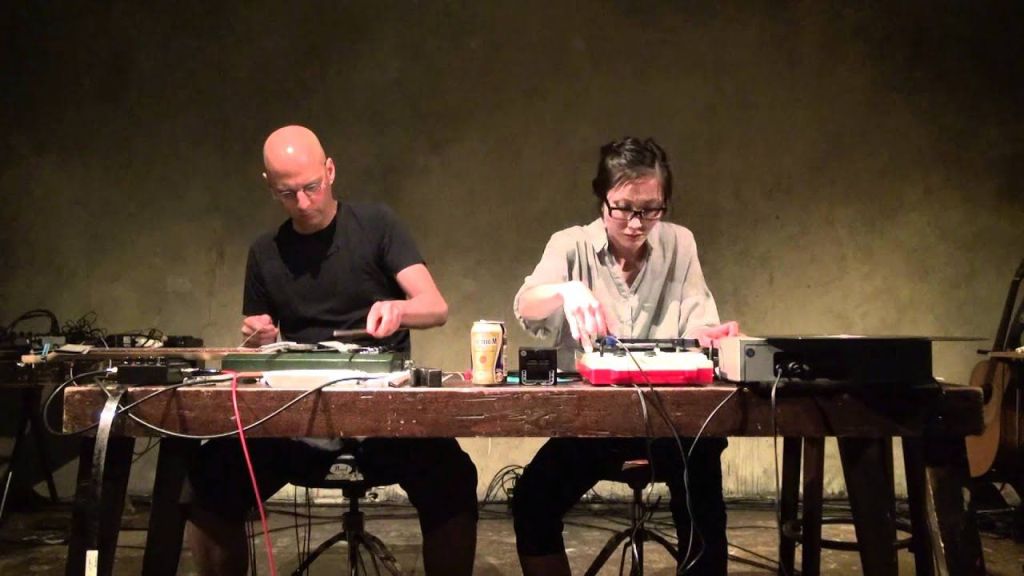
I am a musician and sound artist who performs using toy turntables as musical instruments.

Rather than engaging in conventional turntablism techniques such as scratching or beat juggling, I amplify the hum noise produced by the turntable and perform with it as if it were a musical instrument. This hum noise can be modified through effects processors to create ambient tones or timbres resembling those of a guitar.

In addition to utilizing hum noise, I also amplify sounds picked up by the cartridge, following an approach similar to John Cage’s Cartridge Music. Furthermore, I incorporate circuit bending techniques that manipulate the internal circuitry of the turntable to generate sound.

In recent years, I have also been engaged in the creation of three-dimensional artworks and sound installations that incorporate turntables.

You recently visited Istanbul for Noise Istanbul. Could you share your experience of performing at the Noise Istanbul festival? How did the festival’s atmosphere and audience influence your approach to performance? Additionally, how did you find Istanbul in terms of its cultural and artistic energy? As an experimental sound artist, did you find anything particularly inspiring?

The festival venue was located in the new city district, lined with sophisticated shopping streets. It was a magnificent concert hall housed in a modern European-style building.

I was quite surprised by the number of young people in the festival audience. Some were leaning forward, listening intently, and I could tell that they were genuinely enjoying the music.

At a previous festival where I performed, I was influenced by the audience’s energy, which led to a highly energetic performance on my part. This time, since the audience was deeply engaged in the music, my performance became more focused on sound. While it was not perfect, I believe I was able to deliver a solid performance.

Istanbul was a fascinating city where European and Asian cultures seamlessly merged.
One of the most memorable experiences for me was visiting the Blue Mosque. Its beauty and grandeur far exceeded my imagination, and I was instantly captivated. Inside the mosque, some people sat quietly in meditation while others prayed, creating an atmosphere of tranquility that contrasted sharply with the bustling streets outside.

Although the architectural form, scale, and color palette were entirely different, the sense of sacredness and the slow passage of time reminded me of Japanese Zen temples. I once created a  three-dimensional artwork based on the theme of Zen, and I feel that my visit to the mosque might inspire me when I next work on a Zen-themed piece.

I found Istanbul to be a remarkable city that embraces and coexists with diverse cultures, including both historical heritage and modern urban life.

A short walk from the city center led to places where one could enjoy nature, and the presence of numerous travelers from around the world reminded me of Kyoto, where I live. This sense of familiarity gave me a strong feeling of connection to the city.

Experimental music often challenges conventional norms. What drives you to continue working in this niche genre? Through your work, what do you hope to communicate or achieve?

As many may already know, experimental music has been shaped by legendary artists such as Pierre Schaeffer, a pioneer of musique concrète, and John Cage, who explored the full potential of experimental sound and influenced countless artists. I, too, have been deeply inspired by them.

I find great joy in exploring how to innovate new and unconventional sounds. Of course, coming up with groundbreaking innovations like John Cage is no easy feat. However, even achieving small innovations brings me immense satisfaction, and that serves as my motivation.

Additionally, when an audience resonates with my work, I feel a profound sense of happiness, which also fuels my drive.

I do not create my works with the intention of conveying a specific message to others. I am simply doing what I love.

There is no set goal or destination in my artistic practice—I am not striving to achieve something specific. I am simply in pursuit of what is fun and interesting.Moving forward, I want to continue exploring the possibilities of the turntable.

What led you to choose experimental music and turntablism as your primary means of expression? Were there any specific moments or influences that shaped this decision?

When I was 19, I was a rather unconventional DJ—so much so that no one could dance to my sets. In fact, some audience members even left the venue.

Around that time, I started working part-time at Parallax Records in Kyoto, where I met a group of people with whom I formed an ensemble that performed with records simultaneously. Rather than following a typical DJ style, we experimented by striking the turntable cartridge, generating scratch noises, and exploring alternative ways to perform with turntables.

After the group disbanded, I found it difficult to transport two Technics SL-1200 turntables and a large collection of records to live venues on my own. This led me to start using toy turntables, which were lightweight and easy to carry. At the same time, I had grown tired of the conventional DJ setup, where the turntables were placed on a table.

Coincidentally, I was really into Jimmy Page at the time, which inspired me to develop a performance style where I held the turntable like a guitarist rather than using it in a traditional DJ manner.

In the collaborative album Various Histories, you explore the fusion of sound textures and soundscapes. Through this collaboration, what have you learned about your artistic identity and the possibilities of experimental music?

For tracks 1 through 4 on this album, I edited and restructured the recordings of our improvised performances. Not just for this project, but in all my works, I compose through a process of re-editing recorded sound. When improvisation is recorded, both the good and the bad elements are captured. By extracting only the best parts and reassembling them, the result can be an entirely new and extraordinary piece that surpasses the original recording.

This album was created by selectively reconstructing the most compelling elements—such as the mechanical noises from Tim Olive’s magnetic pickups, the scratch noises from prepared records, and the drones produced by turntables.

Much like how John Cage used environmental sounds as musical material, I find excitement in treating noise and sound itself as raw material, reconfiguring it with creative intent to transform it into something even greater. Just as environmental sounds are limitless in variation, I see infinite possibilities in the sonic textures and noise generated by musical instruments.

In today’s cultural landscape, why do you think experimental music is important? Do you see it as a means of pushing boundaries, expressing individuality, or responding to social change?

Experimental musicians are, by nature, already highly individualistic simply by constantly challenging new ideas. It goes without saying that experimental music has expanded cultural boundaries—figures like Merce Cunningham and John Cage, who applied chance operations to performance, are prime examples.

However, I believe that not only experimental music but also all forms of culture and art—including visual arts, design, architecture, media, dance, and fashion—are equally important. Engaging with and understanding a wide range of artistic and cultural fields broadens one’s perspective far more than focusing on a single discipline. To adapt to social change, we must be able to respond quickly and flexibly to shifting environments. Understanding experimental music may help eliminate preconceived notions and biases, allowing for a more agile response to various changes.

Recently, emerging technologies such as AI and virtual reality have been gaining attention. AI-driven music production and VR concerts are expanding the possibilities of the future. While it is uncertain how experimental music will be utilized and evolve, I am excited about the transformations that will come with technological advancements. I, too, am eager to continue exploring new challenges in the future.

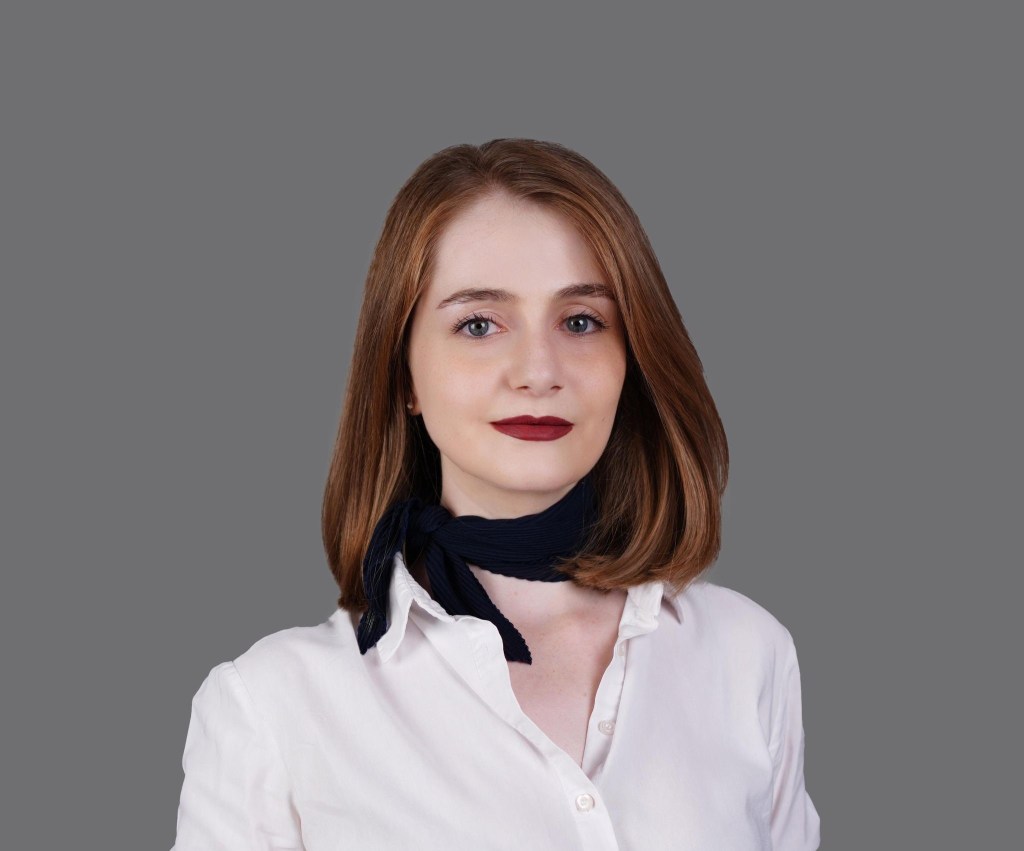
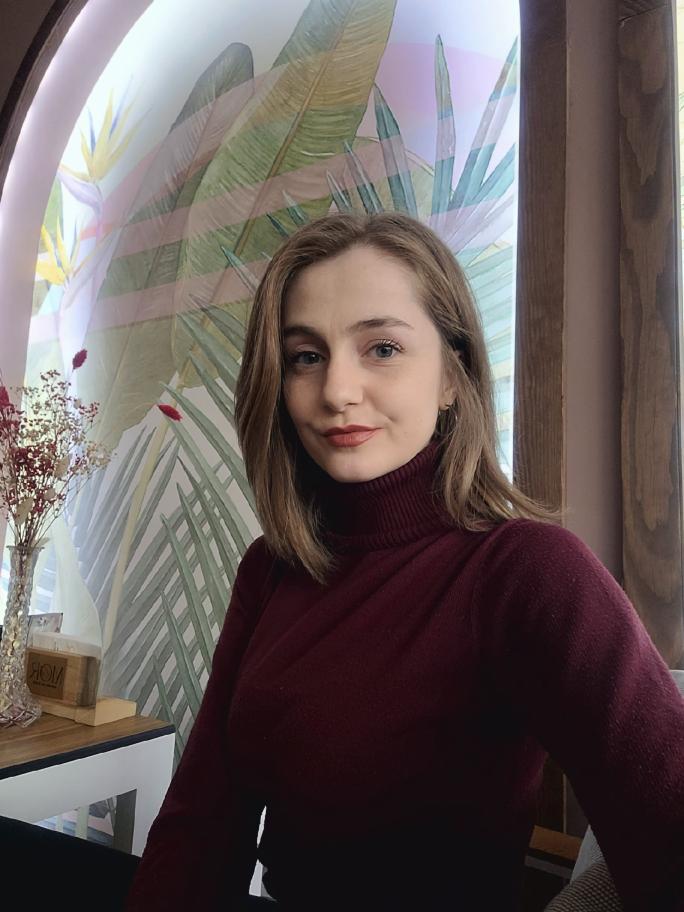
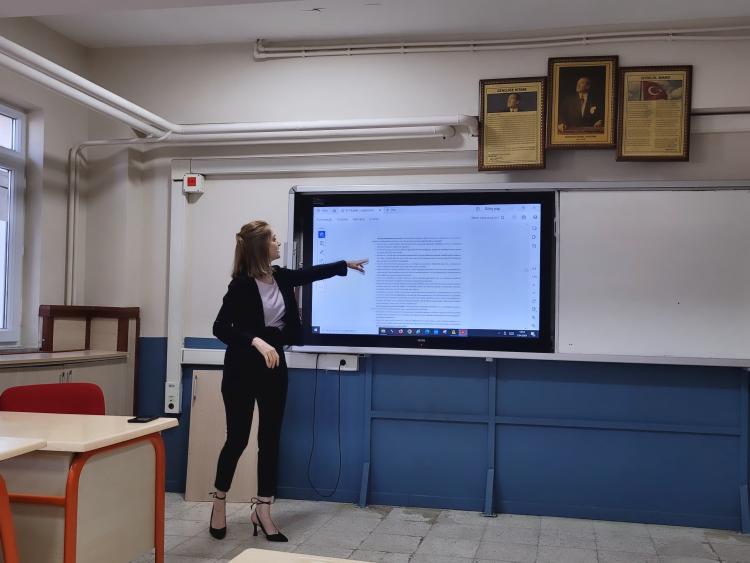
Interview with Digital Marketing Consultant Şule Şahin on Digital Marketing Strategies and the Importance of Artificial Intelligence

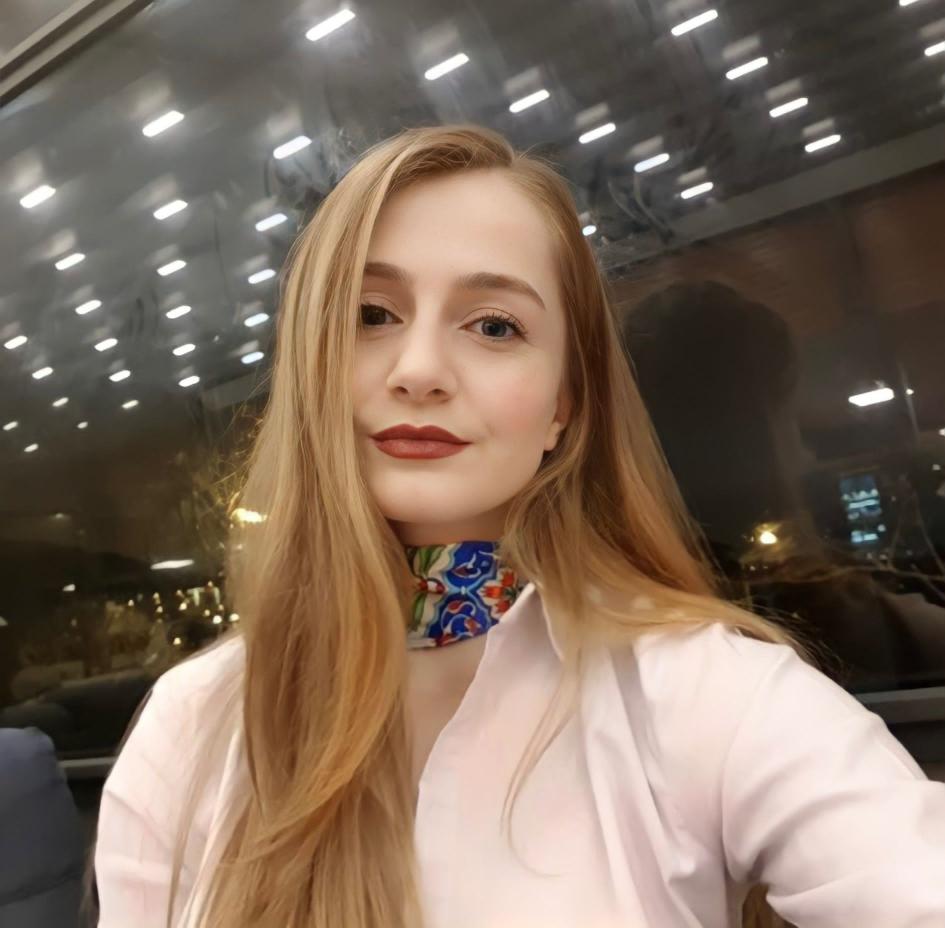
Who is Şule Şahin? Can you tell us a little about yourself? What is your professional adventure that led you to digital media consultancy?

I’m Sule Sahin. I am 27 years old, born and raised in Bursa. If I were to express myself in one word, it would definitely be ‘curious’. Thanks to this feature, I never limited myself, always researched, took risks, wanted to develop and learn.

My career life, which started with academic studies in the field of accounting, has been continuing with the field of digital marketing, which I met a little by chance and a little by curiosity for about a year and said ‘this is it’.

What is the importance of digital marketing consultancy for brands?

Being in the digital world offers great opportunities for businesses to carry their activities beyond borders. With digital marketing consultancy, brands do not have to wait for their customers for the promotion and sale of their products and services. It takes its place in all electronic devices and media tools of potential customers with advertising strategies prepared by digital marketing experts. In addition to traditional marketing, digital marketing consultancy saves businesses time and cost. Therefore, it aims to make more sales with less effort. It gets faster results from potential customers within the scope of digital marketing activities and helps them respond faster to their requests and needs. It can get ahead of competitors who are not yet in digital, and enables companies that continue their digital activities to follow their work more easily.

Which strategies does a brand’s digital marketing specialist mainly apply to promote the brand’s online presence, brand awareness and product and service?

First of all, social media platforms suitable for the brand must be ready. Because users on the internet always do research before shopping for products or services. We need to introduce the brand identity to potential customers in the best and correct way in social media and give them confidence. At this point, especially social proof and references play an important role. Comments and messages about the brand on the internet should be followed to learn the impression we leave on users. The website of the business owners, if any, is checked. In order to provide the fastest and most reliable service to potential customers, efforts should be made to maximise the quality of the website. It should not be forgotten that the algorithm also follows these elements.

A low quality, slow website reduces the quality of the brand’s advertising and may prevent it from getting the results it wants. In our preliminary work with brands, we explain the importance of media tools to our customers and present the website quality results to them. At the point where all media tools give good results, we create digital marketing strategies for the needs of brands and start working.

Is the digital marketing strategy of social media accounts, websites and e-commerce sites different?

Absolutely. The basis of our work is to know the brand and its customers well. It is not right to try to apply the same advertising strategy to a corporate company and an e-commerce company. In addition, although they are in the same sector, we also have customers who demand different studies. Some of them reach us for more sales, some to go up in Google rankings, some to promote their brand in the best way in digital. It is our duty to determine digital marketing strategies that will meet the demands and needs of brands and to continuously develop these strategies.

What are the dangers waiting for brands that do not need digital media consultancy?

The biggest danger is being forgotten. Nowadays, you are recognised as much as your presence on the internet. While their competitors carry their brands to everywhere where there is internet, businesses that lag behind in digital work will not go beyond their own neighbourhood, they will count where they are, and if they are lucky, they will survive with certain sales.

Business owners who want to move their brand to digital but try to manage this process alone can be exhausted by physical work on the one hand and digital work on the other, or give up at the first digital obstacle they encounter. Because the internet is like an ocean. If you want to move forward without a route, you will get lost.

What are the common misconceptions about digital marketing consultancy?

I can say it is the profession itself. Although it is a sector that is frequently encountered with its activities, unfortunately, the name and profession of ‘digital marketing’ still does not have a clear image in people’s minds. When it comes to digital marketing, people think of e-commerce activities such as Amazon and Trendyol. In fact, the strangest question I received in this profession was ‘Do you sell electronic cigarettes?’. There are too many business owners who are unaware that the advertisements in many media tools are the work of the digital marketing sector. They want their products and services to appear on all digital platforms like competing companies, but they don’t know the name of what they want. For this reason, we definitely make a preliminary interview before starting our work with businesses.

I tell businesses who I am, what digital marketing is and how I work. Because as much as I know my client, my client should also know me and be aware of the work I will do for him/her.

What do you think about the development of artificial intelligence? How will it affect digital marketing and its experts? Do you think artificial intelligence will replace digital marketing experts?

For the moment, I am very happy with the development of artificial intelligence, because the development of artificial intelligence means that digital studies gain importance. As a digital marketing specialist, artificial intelligence has a great place in our work. Content ideas, texts, animations… These are just the beginning. I think that people who work in digital marketing and similar fields and do not benefit from artificial intelligence will be far behind the experts who develop their work with artificial intelligence in the future, even if they do not realise it now. If we are going to carry out digital studies, we need to be able to follow the developments in that world.

As long as this continues, artificial intelligence will continue to be used as a tool, not a goal. Of course, artificial intelligence continues to develop rapidly and surprise us every day. If we do not develop and keep up with this change, we will lose this war.

What should be done to get the right digital marketing training? Is it also necessary to learn artificial intelligence applications that will be used in the future?

First of all, they should definitely reach the experts of this subject. Unfortunately, not every person who receives digital marketing training has enough equipment to provide training in this sector with the name of an expert. In addition to a certain knowledge, there must be working experience. It is difficult to carry out studies in this field by watching part-part videos on social media and Youtube. People who are already trying to progress in this way feel that they are doing wrong because they cannot fully understand the logic of working. I know because I felt this way in my first digital marketing training. When I received a second training from a different expert, I was able to say ‘okay’ and continue, otherwise I had already quit. However, education never ends in digital studies. Getting a good digital marketing education only creates a solid foundation. However, in this process where digital studies are developing rapidly, it is not enough to proceed only with basic information.

Especially artificial intelligence brings very different dimensions to the sector. Staying behind these developments means staying behind in the profession. In order to be a good digital marketing expert and represent our clients’ brands in the best way, we need to be open to learning and development.