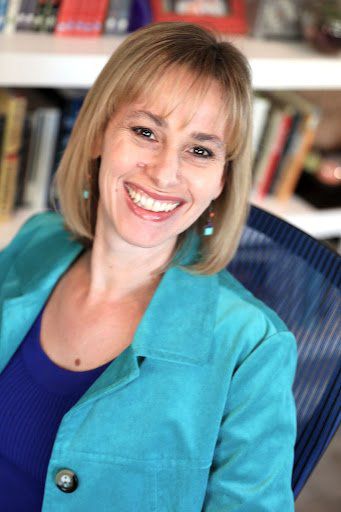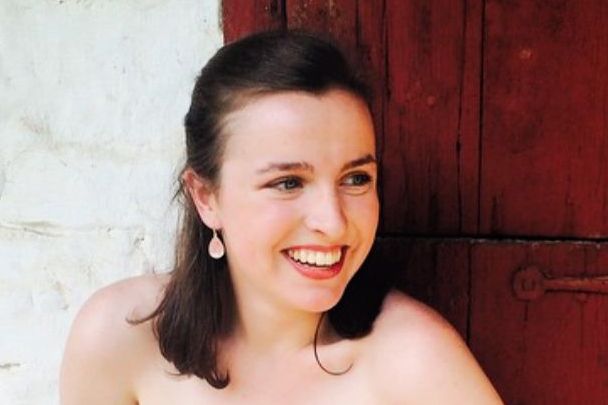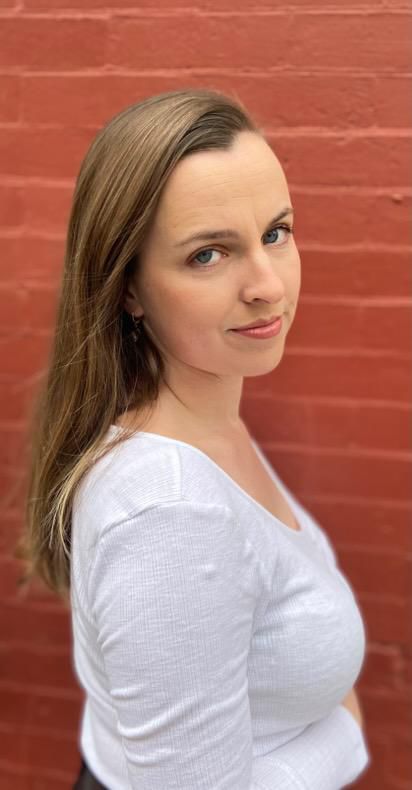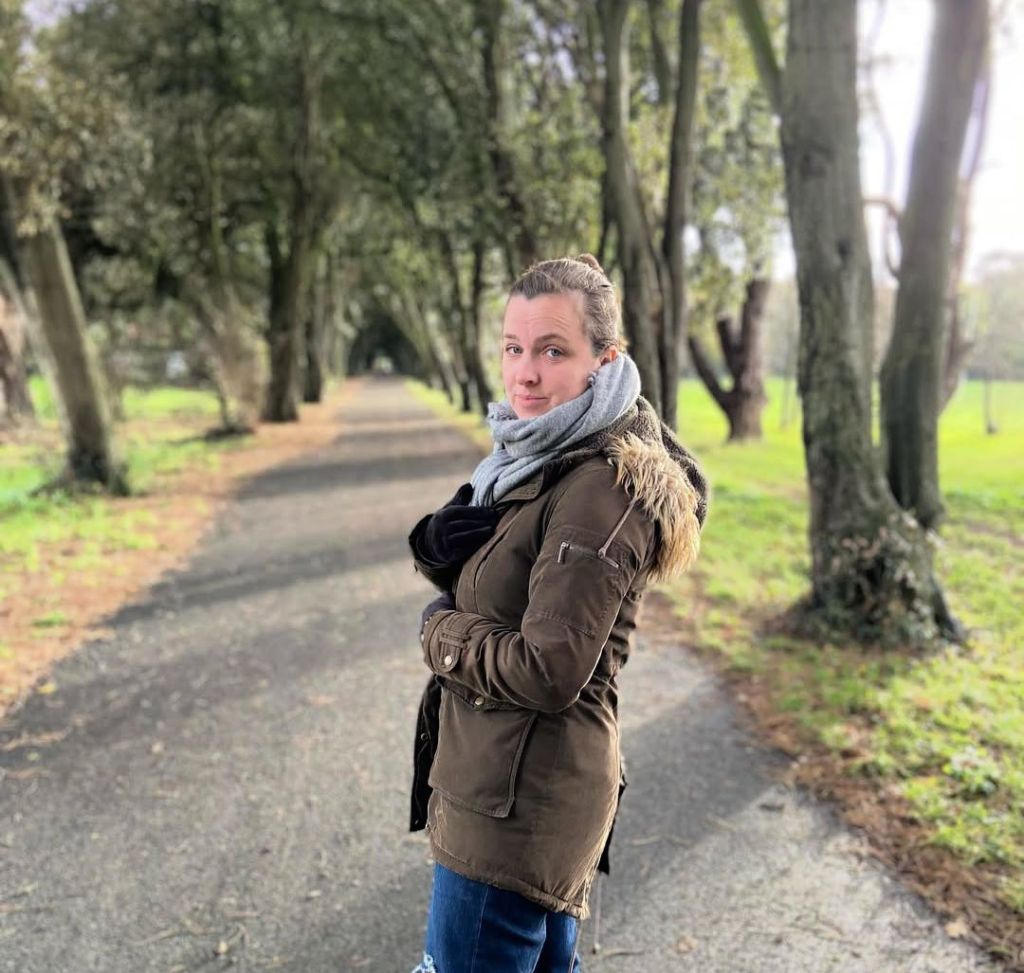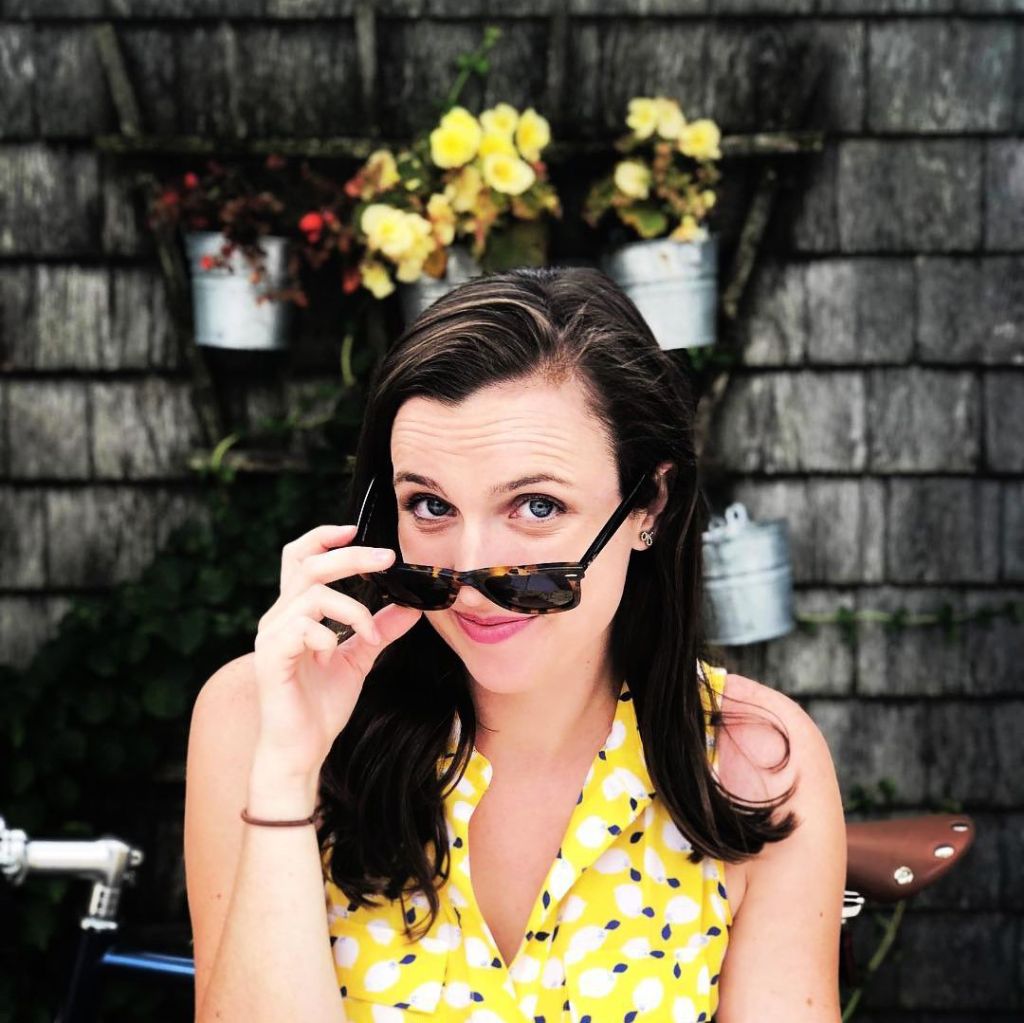
From Travel Writing to Local News: A Professional Journey with Hailey Fulmer

Interview Series: Creative Writing Adventures of Young Journalists
Academic Journey

What motivated you the most to pursue a graduate degree in journalism at NYU?

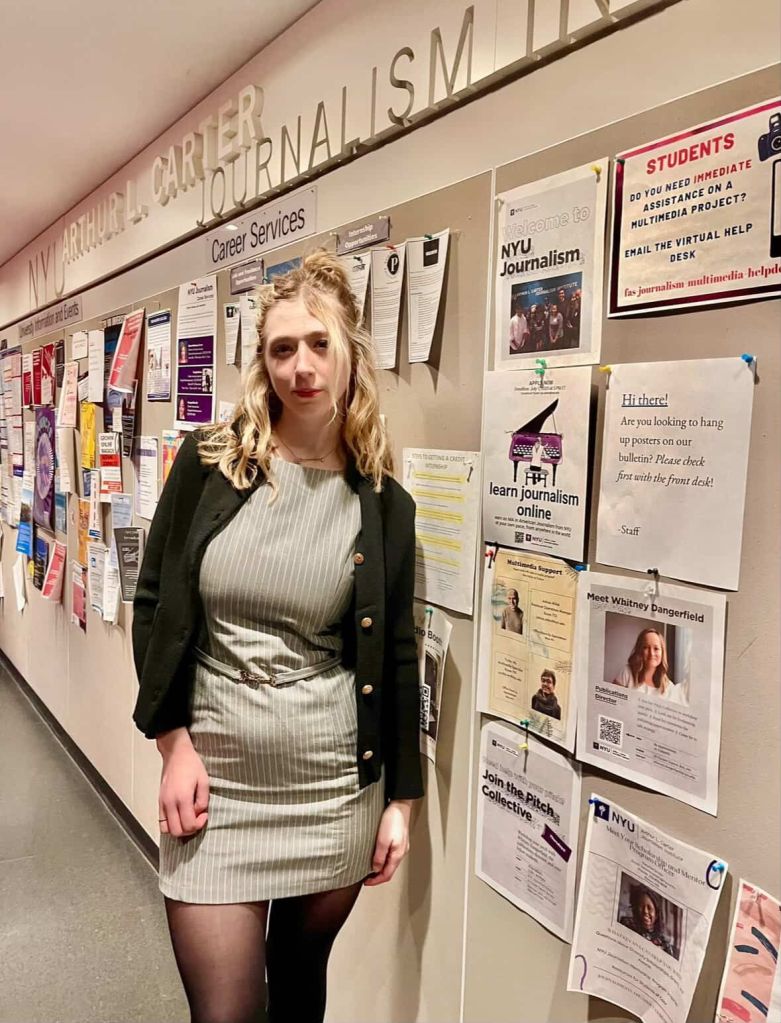
I was motivated to pursue a graduate degree in journalism at NYU because of my passion for storytelling. I wanted to pursue a career where I could have a platform to write and showcase my work, but more importantly, I wanted to make a difference with my voice. I enjoy providing others the opportunity to share their stories and the value they bring.

I graduated with my Bachelor’s degree in English at Mount St. Mary’s University in May of 2024. I spent the first month of that summer job searching; however, I felt like something was missing. Many of my family and friends encouraged me to become a teacher; however, I knew it wasn’t for me. I felt very lost in my future career at first, because I knew I loved to write, but unfortunately, an oversaturated job market was not in my favor. I pursued an English degree because I wanted to pursue writing, and I was not willing to give that up.

With further discussion with family and friends, the idea of pursuing my master’s had been thrown around, but I didn’t know exactly what I wanted to do yet. I decided to set up a virtual meeting with one of my career counselors for further guidance. He encouraged me to apply to NYU’s AJO (American Journalism Online). With only about a month until the deadline, I applied and was accepted. I never thought that this was the path I was going to take, but everything about the program– the community, support system, and the academic growth– I wouldn’t trade it for the world.
Creative Background & Journalism

How do you think your background in creative editing and theater has influenced your approach to news writing?

I enjoy creating visual scenes that appeal to a reader’s eye, and I believe that creative writing and theater have helped me express a range of emotions in my reporting. In theater, I enjoyed acting out and studying scenes that express vulnerable emotions. During my undergrad, I wasa part of a play called The Wolves, which was about a group of high school soccer players experiencing young adulthood and navigating their issues. I played the goalie, a character who is a perfectionist and suffers from anxiety attacks. In one scene, I was on stage alone, and my character had a moment of breaking down. It was just me on the stage, and I had to capture the intense emotions– hyperventilating, crying, screaming, and anger. With creative writing, you create different emotions and images, but in the form of writing. Even if I am writing a hard news story, you need to be able to garner a reader’s attention, so having the ability to carry heavyemotions in your writing is important.
Travel Writing Inspiration

How did your study abroad experience in Dublin shape your interest in travel writing? Could you share a standout memory from your time there?

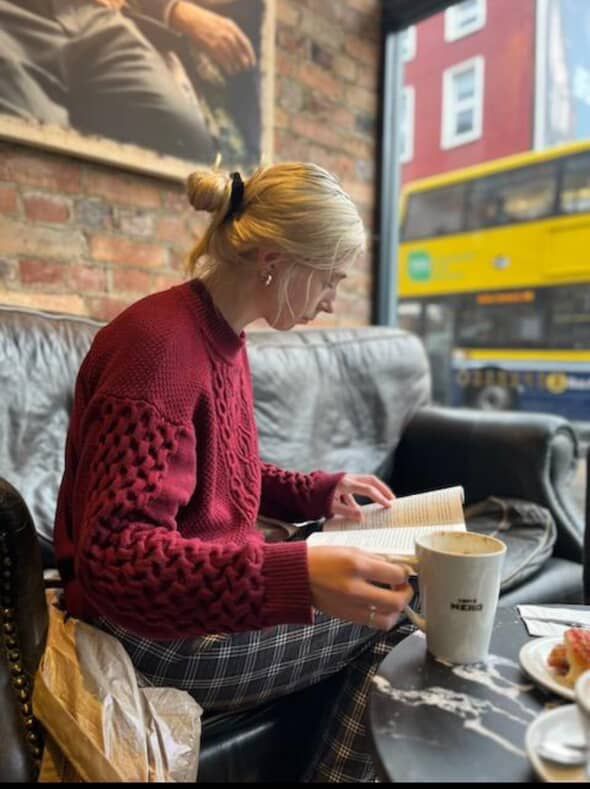
For one, studying abroad is probably one of the best experiences you could ever have in your young adulthood. No matter what you are studying, it really opens your mind, and it not only helps shape your academic and career goals, but you also gain so much personal growth. I decided to do it in my fall senior year, which is not typically ideal, but before I started my college journey, I told myself that I would do it, and it was then or never. While I was there, my professor assigned us assignments that catered to Irish culture– we not only wrote, but we also read a lot of travel writing. One of the stories, “Europe Through an Open Door” by Rick Steves, is a travel book that encourages travelers to experience what is beyond typical tourist destinations. This story opened my mindto focus on destinations that are underappreciated. So, when I would write, I made sure to find experiences that were as unique as possible.

I would sit alone in a small, quiet pub away from the city and learn some of its history. My friends and I did a ‘staycation’ in a small town called Sligo. Our Airbnb was in the middle of nowhere, and we had to walk almost an hour to get to town. We wanted to go to a small Irish pub down the road, which was difficult to get to since taxis rarely came out where we were. Finally, when our taxi driver pulled up to our Airbnb, he laughed when we told him we were going to ‘Ellen’s Pub’. It made sense when we arrived; it looked like a shack-like building. We ended up chatting with some locals, and a small Irish band gave us an intimate concert in the backroom– it was dark, and it felt as if I was sitting around a campfire listening to classic Irish tunes. Moments like those give you opportunities to write about personal and engaging experiences.

The connections that you can make while exploring another country create memories you will never forget, eager to write down quickly in your journal, which will later turninto a developed narrative.
Storytelling Approach

When covering topics like the job market, do you prioritize human stories or data in your reporting? What advantages do you find in your approach?

Covering topics like the job market, I tend to prioritize human stories rather than reporting. I mostly do this because these types of stories are personal to me, and I think people’s stories are more raw instead of throwing a reader a bunch of data to read. Not that a lot of data is bad, but for me, I enjoy focusing on the story aspect because those emotions from real people get reactions from other people. When you get reactions from other people, they are more inclined to advocate what you are advocating for, and then you know you have made a difference. I actually just had a job interview, and one of my stories that talks about the job market caught the hiring manager’s eye. He referenced it, which made me feel really good because it’s like, if a hiring manager brought up one of my stories I wrote about the decline of the job market, then I clearly made some kind of difference.

I also enjoy telling the stories of others because it amplifies their voice and makes them feel seen and heard. I have recently interviewed a lot of political figures in my area, and they talked about how they feel about the current political environment. They shared where they came from, their journey to how they got towhere they are today and what has inspired them in their careers. Being given a platform to share these stories is very rewarding.

AI and News Production

How do you evaluate the impact of artificial intelligence (e.g., Google Gemini) on news production processes, particularly in stories like Marc Robin and Fulton Theater?

I evaluate a lot of this impact by asking myself how we can use it, without getting rid of the human aspect of the craft. Although many of us disagree with artificial intelligence, it stillcontinues to evolve, so we may eventually reach a point where it’s difficult to avoid it. When I interviewed Marc Robin, the current artistic director of Fulton Theater, he talked about how they started to incorporate the Google Gemini with grant research, so it really speeds up thatprocess and leaves more room for creative development on the theater’s end, which I think is great.

If we can use it separately to leave room to further develop the craft of journalism, then journalists can further elevate their stories. In my interview with Robin, he expressed hisconcerns over the overuse of AI. Artificial intelligence is not able to mimic human emotion, so similarly to theater, as journalists, you are expressing the emotions of other people. 

There are many ethical boundaries along with AI, but there is so much practical use to it. I think many people, especially in this industry, may be opposed to it. But, I would say in my program, I have learned a lot about its practical use, and I have found myself utilizing it as a research tool.
Local Journalism & Audience Connection

In focusing on local and specific news like election security in Pennsylvania, what do you think is the most effective way to build an emotional connection with your readers?

I focus a lot of my coverage on policies and issues that are important to communities in Pennsylvania. I want readers to be able to feel how much the story is rooted in their community— specifically Pennsylvania as a swing state, there is a lot at stake with elections. Right now, there are specific areas that are seeing a lot more blue especially after the No Kings Day protest.

I see the passion in the people that I talk to, and I translate that passion into a story. A lot of the local politicians I talk to have families, and they see a lot of issues that directly impact their children and their experiences, so translating that in my reporting carries a lot of weight. For
me, the most effective way I have found to build this emotional connection is to talk to local people who are passionate about specific issues and get their story out there. I also incorporate the “what’s next” aspect of the story, basically what could happen if a certain outcome would occur with a policy or election. It develops a connection for readers because these issues may directly impact them personally.

Political Coverage Insights

What were some key findings from your work on campaign ads during the 2024 election cycle? What do you pay attention to when reporting on such content?

Many of my key findings were based on how meaningless the ads were, despite Pennsylvania being a swing state. I paid a lot of attention to how much each candidate was spending on political ads. Despite the increased expenditures from previous elections, people didn’t seem to care for it. I think this comes from people already deep into their beliefs and wanting to see more action. People that I talked to rather see the money being spent on more beneficial projects. It’s important to pay attention to what people actually care about, because you see a lot of things that politicians say or advertise things, but there may be little action on their end. You have to really pay attention to what people actually care about when reporting crucial moments in an election season.

Future Perspectives

Are there new areas you plan to focus on in your journalism career? For example, digital journalism, data journalism, or freelance work?

My goal one day is to get into investigatihtve journalism. I really want to invest my time in underrepresented communities. A dream of mine is to go into film and produce a documentary to cover the work I do. Kiki Mordi’s work as an investigative journalist has been really inspiring to me. She produced a BBC documentary called Sex for Grades exposing lecturers in Ghana and Nigeria that were sexually harassing their students. In the documentary she also shared her own experience of sexual abuse and harassment.

She experienced a lot of misogynistic attacks, which says how much the media can try to silence your work. I look up to her because despite attacks online, she pushed through the people that tried to discredit her. For me, I want to think about the community that I am doing this work for and how they are impacted because it’ll always remind me how much change you can really bring with your work.
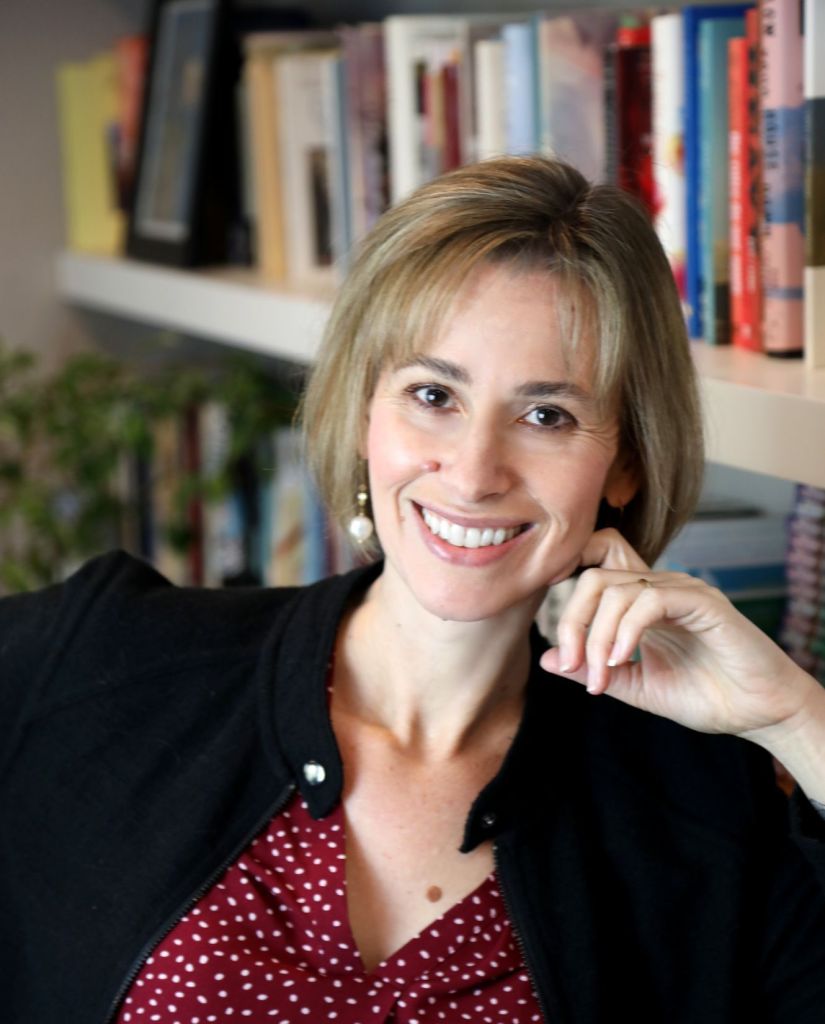
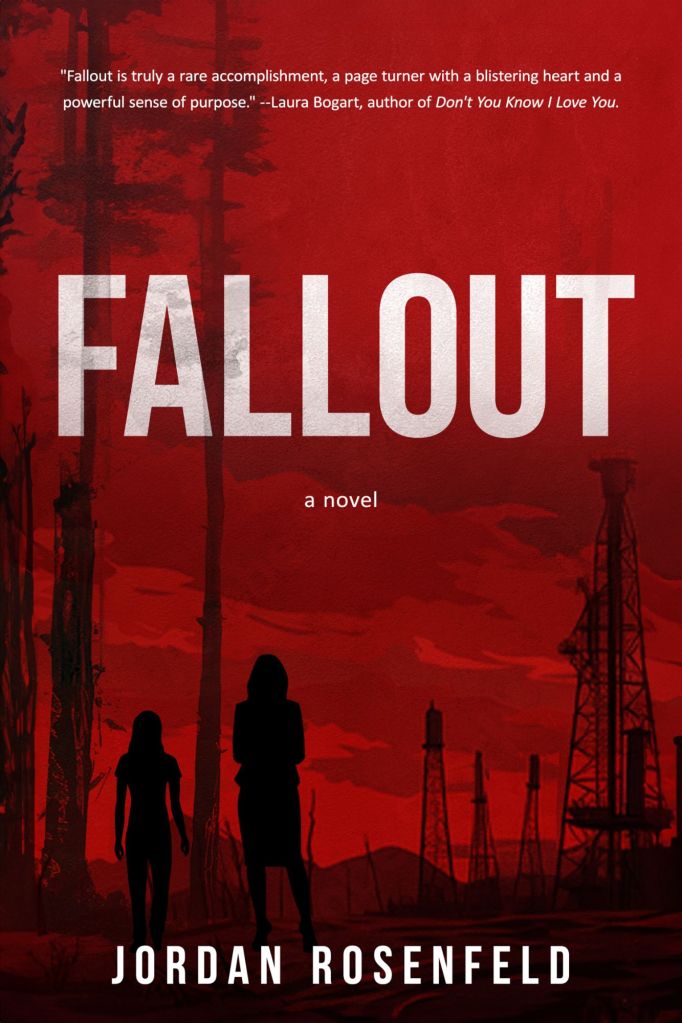
An Ecology of Words: Jordan Rosenfeld’s Journey From Writing Craft Books to Eco-Thriller

Interview Series: “The Ecology of Narrative Between Writing and Nature”

You mentioned that Fallout was the result of a nine-year-long effort. Which phase of this process was the most challenging for you?

I didn’t write it in one pass. It was a process of starting and stopping as the ideas unfolded, and I made time in between my work and childrearing. I think the hardest part was figuring out how I was going to bring the story to a satisfying conclusion without being predictable, or too complicated or stretching plausibility.

How did you craft the psychological connection between Justine’s involvement with the eco-anarchist group and the loss of her child?

The character of Justine already has a connection to the eco-anarchist group before the loss of her child, but it seemed to clear to me that as a character who has suffered her worst fear and greatest loss, she now has “nothing to lose” in a sense. So it made sense that she is now freed in a new way to pursue this group that takes huge risks in pursuit of their goals. But it’s all, in its own way, a part of her avoiding her grief. The book is essentially trying to get her to face that grief.

The novel questions the “dirty” decisions that environmental movements sometimes must make. Do you think activism inherently involves such moral grey areas?

I don’t think of activism as requiring moral grey areas, per se—I think of it as answering and addressing the moral gray areas of larger systemic issues and systems of power that dominate. To undermine systems of power of means to “look” morally grey when really it’s that they’re forced to sidestep traditional, societal and even sometimes “legal” means of achieving their ends because they don’t have the power.

What kind of sensitivity did it require to address ecology and motherhood together?

I wrote from my own experiences as a mother (while not one who experienced child loss directly, I could quite easily connect to that feeling), and as someone watching climate change ravage my own state and the World. Where other kinds of “sensitivity” came to play was to make sure I wasn’t representing anyone of a different race or experience in a harmful way, so I engaged a sensitivity reader.

Your nonfiction books, especially Make a Scene and Writing the Intimate Character, focus on scene creation and character depth. Which of these techniques did you particularly try to implement in your novel Fallout?

I’ve written about writing craft and taught writing for over 20 years, so I think I’ve pretty much internalized these concepts now. Thus I’m not “focusing” on these particular techniques as I write—the story is just playing out in my mind. I think, if anything, I’m starting to focus more intentionally at the sentence level lately, however, as I feel I have the others pretty dialed in.

Your upcoming book, The Sound of Story, focuses on voice and tone. What aspects did you pay attention to when crafting character voices in Fallout?

It was important to me that the characters sounded unique, different from one another, particularly my three main co-protagonists, but also the many women of Project Nemesis. So, for example, I made Zoe a little more terse and to the point, and Justine more longwinded, and Hannah to sound like her youthful age. I tried to think about their lexicon and syntax given their experiences and jobs, etc. But I wrote Sound of Story after Fallout (Though I have been teaching courses on the topic).

Your novel highlights issues faced by low-income and Black communities in the context of environmental justice. What motivated you to include this theme in your fiction?

I credit my parents for always caring about justice of all kinds, and for raising me with maybe a little more awareness than the average person in my position. I also credit a lot of activists and writers that I’ve been exposed to over the last say 15-20 years for having really taught me how to fill in gaps in my own white privileged knowledge. But also reading. When you read widely and by people of all ethnicities and life experiences, it hopefully expands your mind to look at the realities of injustice all around us.

What narrative possibilities did writing an ecological crisis story through a journalist character offer you? How do you think a journalist character adds depth to an ecological crisis-themed narrative?

Well, I think writers are always creating ciphers for the experience of being a writer and I am a journalist, though not an investigative one like Justine, so it wasn’t a total stretch. I needed her to be persistent, someone who doesn’t give up easily, who has tenacity and strives for the truth. Journalism worked on several levels. It also gave her a way “in” to a group that otherwise would probably never have accepted her.

How did you maintain long-term creative motivation while writing your novel? Did your book, A Writer’s Guide to Persistence, serve as a guiding resource during this process?


Long term creative motivation is a process of coming back to my writing practice again and again. In in fact, part of what it means to me now (at nearly age 51) to be a writer is that: you start and stop, and start and stop, and sometimes the stopping goes on longer than before, but I have always always returned to it. I think A Writer’s Guide to Persistence was one of the ways I came back to my writing after my son was born (he’s now 17).

You have taught creative writing courses through the University of Oslo and Brown University’s summer program, as well as  teaching online classes and keeping the Substack newsletter, Writing In the Pause. How do you discuss novel writing alongside technical writing practices within these platforms? How do they complement each other?

I teach many aspects of novel writing through my classes, and through my writing books. My Substack blog is where I process aspects of writing craft and personal experiences at the same time, hopefully in ways that keeps it from being dull. I like to talk about process almost more than craft these days, because I’ve grown very interested in the different ways we approach writing, and how we can keep ourselves creatively fulfilled even when so many terrible things are going on in the World around us.

In case you would like it, here is my most current bio:
Jordan Rosenfeld is author of seven books on the craft of writing including How to Write a Page-Turner, the bestselling Make a Scene, Writing the Intimate Character, A Writer’s Guide to Persistence, Writing Deep Scenes and Write Free. She is also the author of three novels Fallout, Forged in Grace and Women in Red. Jordan’s articles and essays have been published in hundreds of publications, such as The Atlantic, LitHub, The New York Times, The Rumpus, Salon, and Scientific American. She teaches online writing classes and at numerous writing conferences, such as the Writers’ Digest Conference, the San Francisco Writers Conference, and the Redwood Writers Conference. She is a freelance manuscript editor and writing coach, and author of the popular Substack, Writing in the Pause. http://www.jordanrosenfeld.net

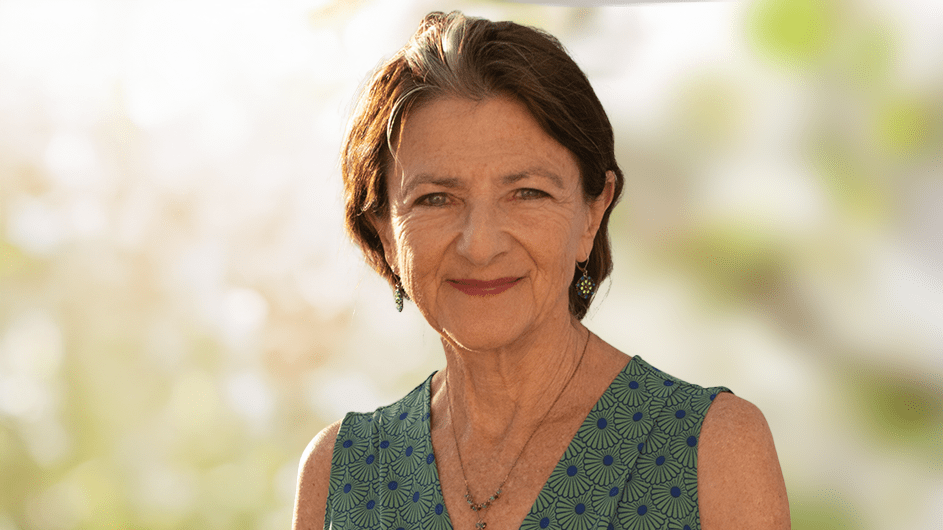
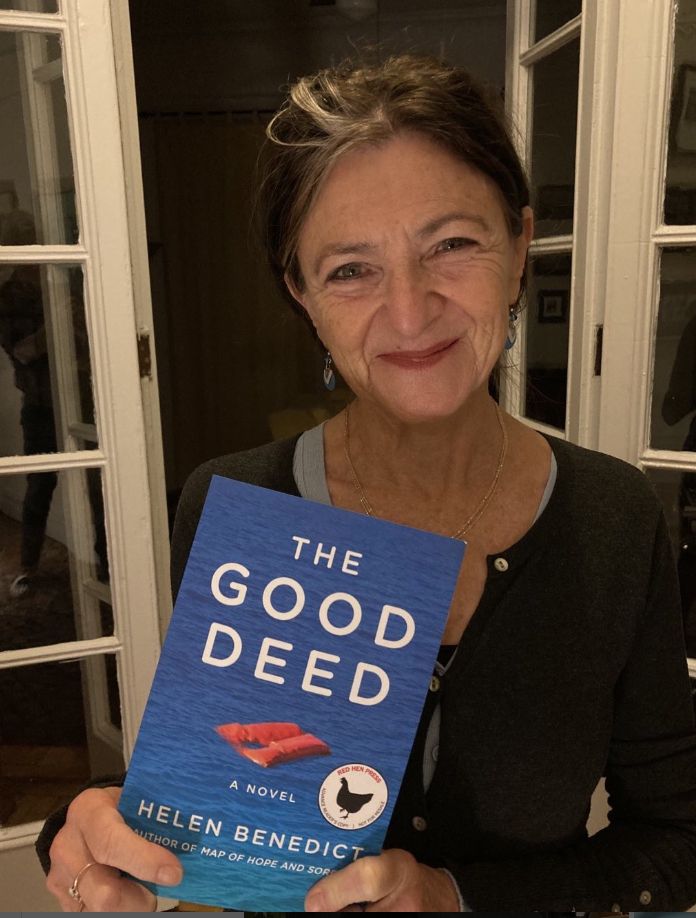
Interview with Helen Benedict on “Women, Refugees and Quiet Witnesses of War”                                           

The Good Deed and the Power of Fiction

The Good Deed is based on your experiences visiting refugee camps in Greece. How did you balance factual accuracy with fictional storytelling in this novel?

I believe that if one is going to write fiction set in real places and encompassing real events, one should be accurate about those. So although the people in my novel, The Good Deed, are all invented, I like to say they all could exist. Likewise, even as the events that happen to those people are also invented, they, too, could happen to anyone in their circumstances. Thus I used my research in the camps, my talks with real people, and my fact gathering to make the story as plausible and authentic as possible.

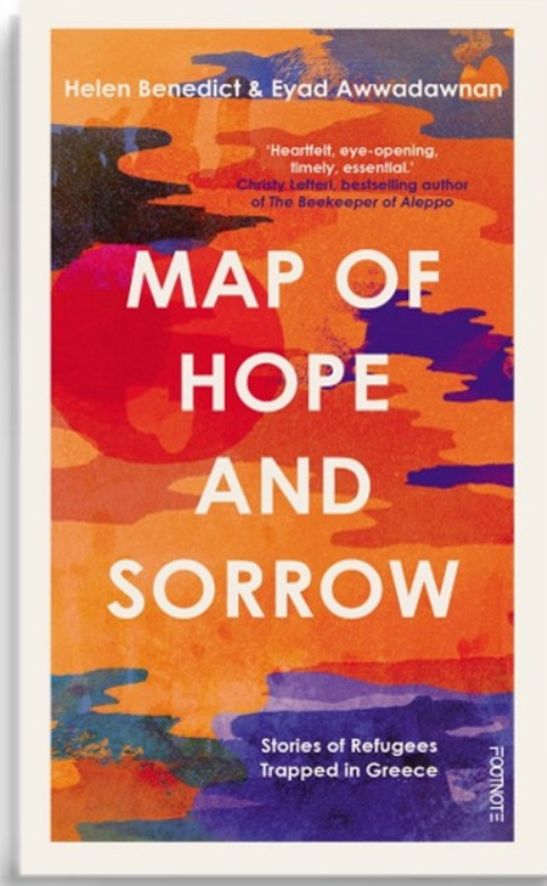
What motivated you to transition from nonfiction accounts in Map of Hope and Sorrow to a fictional narrative in The Good Deed?

There are always barriers with real people. One has to worry about putting them in danger, re-traumatizing them, invading their privacy, for a start. But those dangers don’t exist with fictional characters. Thus I feel that I can get deeper into people’s hearts with fiction. I can go deep inside what it feels like to be forced away from your home, what it feels like to live as a stranger in a land that’s hostile to you, what it’s like from moment to moment to live in a refugee camp, and the ways that one can find comfort and sustenance and friendship and love. I wanted to write about the way human beings survive, the hardship, which I find very moving.

    And I wanted to do it from the inside, which is the landscape of fiction.

    How did your collaboration with Eyad Awwadawnan influence the development of characters and events in The Good Deed?

    Eyad taught me so much about life in Syria, life as an Arab, life as a Muslim, life in a refugee camp. He and I combed over every word of my novel together, so he could make sure I made no cultural or other mistakes. He helped steer me away from extremes and stereotypes and he helped me understand my characters from the inside out. And he helped me work within the Arabic language.

    Refugees, War, and Gendered Violence

    Your work often highlights the unique challenges faced by women refugees. What systemic changes do you believe are necessary to address these issues effectively?

    The biggest change to help women is to end mysogyny! Meanwhile, we should all be raising our sons to understand that women are their equals in every way, and not sexual objects there for men’s pleasure or vessels for motherhood alone. We should also be enshrining this fact in the law, ensuring that women have the same rights and opportunites as men have. In refugee camps, single women and survivors of any kind of abuse ought to be given safe and secure housing, medical and psychological care, and a supportive community. Unfortunately, this is not happening. I address more specific systemic changes in the last chapter of my book, Map of Hope and Sorrow.

    In your research, what common misconceptions have you encountered about refugees, and how do your writings aim to challenge them?

    The world is very busy demonizing refugees these days. Authoritarian, populist and nativist leaders such as Donald Trump in the United States, Viktor Orbán in Hungary and many more like to find scapegoats on which to direct the ire of the populus and distract them from the real threats of climate change, economic injustice and erosion of human rights. This is the oldest playbook in history. Today, people are told that refugees are all lazy opportunists who have come to live off the fat of the land, or are all terrorists, or are religious extemists out to change change our cultures and lifestyles. Or that they are all criminals, murderers and rapists. None of these accusations have any a basis in fact. Research has long shown that immigrants commit fewer crimes than natives and are not interested in changing anybody’s way of life. They simply want to survive and build a decent future for their children. All my books about refugees, fiction and nonfiction, are aimed at counterracting these negative streotypes by reminding readers that refugees are no different from them, and that any of us, with enough bad luck, could be a refugee.

    How do you approach the sensitive task of portraying trauma and resilience in your characters without perpetuating stereotypes or causing further harm?

    By being specific and accurate. By never eroticising or glamorizing violence or war. By being honest about how destructive violence is, and yet realistic about how people survive. I try very hard never to write the kinds of lies we see everywhere: that war is glamorous, that soldiers are noble, that victims can always rise up and win.

    Military Culture and Sexual Violence

    Your book The Lonely Soldier brought attention to sexual assault in the military. What progress have you observed since its publication, and what challenges remain?

    For a time there was some progress, in that at least the subject of sexual assault was no longer hidden in the military. But now, with Trump in office in the US and his henchman, Pete Hegseth in charge of the military, the department designed to push back against sexual violence has been dismantled, the honoring and recognition of women has been banned, and a culture of white, Christian, macho mysogyny has been glorified. This is a disaster for anyone in the military who has been harassed, bullied or sexually assaulted, and for any woman hoping to be treated with respect.

    How did your investigative work on military sexual assault influence your subsequent novels, such as Sand Queen and Wolf Season?

    I could never have written either of those novels without the inside knowledge I gained from my three years of interviewing women in the military, and all I read and heard about that very insular and secretive culture. Because of that research, I had the confidence to portray war trauma, sexual assault, sexism within the military, and how all that affects people when they come home from war.

    What ethical considerations guide you when writing about real individuals’ experiences with trauma and violence?

    I start by making sure I understand the risks they face. Are they living without legal protection? Are they under threat? Are they still too shaken to speak about certain topics? And how I can protect them on these fronts? It is very important to treat any source who has been traumatized as a partner, not someone to get something out of, so you can discuss how best to protect them together. It’s important to be respectful and sensitive, and not to force anyone to tell you anything they don’t want to. I like to give my sources control over what to say about themselves, and to make sure we understand each other’s goals in doing these interviews in the first place. Why do they want to tell me their stories? And why do I want to tell them myself? Find shared goals so you can work together toward the same end.

    Writing Across Genres and Teaching

    How do you decide whether a story should be told through fiction or nonfiction? What factors influence this choice?

    I don’t decide – it doesn’t work that way. What inspires me to write nonfiction is when I see an injustice that isn’t understood or known enough about, and so feel I need to let the public know. What inspires fiction can be a visual image, a sentence, the sketch of story I heard somewhere once. Novels grow out of characters, nonfiction out of facts.

    As a professor at Columbia University, how do you incorporate your fieldwork and research into your teaching methodology?

    I bring all I learn out in the world into my teaching. I teach courses on social justice journalism, so all my work on the miltary, war, refugees has been useful. It helps me advise students on ethical interviewing, on research, and on style.

    What advice would you offer to aspiring journalists and writers who wish to cover topics related to war, refugees, and social justice?

    Do your homework. Read as much as you can about your chosen subject. Don’t go in with a fixed idea you want to prove, go in looking for answers and stories you might not even expect. Prepare to have your eyes opened, your mind changed. Make sure you know why you are pursuing this subject and why your subjects want to talk to you. Treat people with respect. Never make a promise you can’t keep. Never break a promise you have made. Above all, be honest.

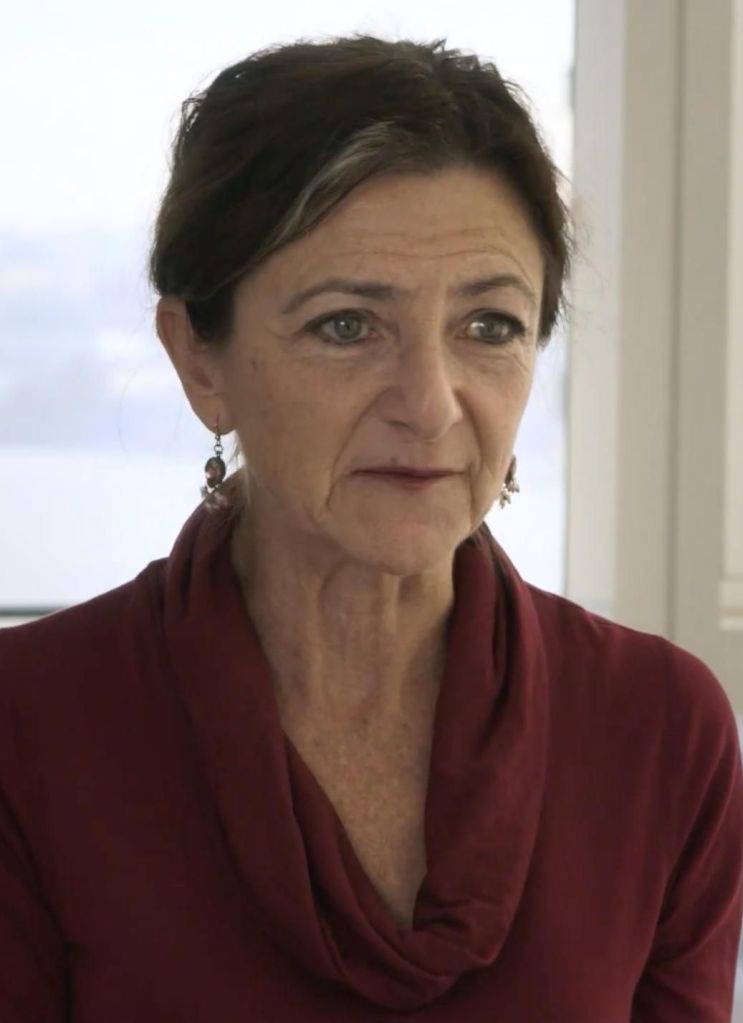
    “The Evolution of Journalism: Digitalization, Writing, and Artificial Intelligence with Genevieve Hartnett”

    Journalism in the Digital Age

    In your opinion, what is one of the biggest transformations of the journalism profession in the digital age?

    I’m still relatively new to the business of news, but I would say the expectation of coming right out of school and landing up immediately on a masthead. Freelance reporting has become such a large part of getting your foot in the door at certain publications It also allows you a freedom to go after stories you might not always get to at a large news organization. It makes a career trajectory sometimes feel less certain, but also allows for more independence in the media landscape.

    How do you evaluate the impact of social media on news consumption? What are its advantages and disadvantages compared to traditional journalism?


    I used to be more cynical about the fact that a large portion of people get their news from social media. However, after seeing the work of people like Bisan Owda and Motaz Azaiza and their on the ground and award winning reporting from Gaza, I’ve realized how much citizen journalism can not only inform but also tap into communities in a way that traditional media may not always be able to. Even if their coverage is not in traditional news media outlets, they show a tenacity and kindness to the communities they report on that inspires me as an early career journalist. 


    Readers’ trust in news sources has been shaken. How can we rebuild the credibility of journalism in the digital age?


    I think so much of the reason reader’s trust in news sources has been shaken is because there is still a lot of mystery to the business of journalism and how we actually do our jobs. I’ve learned so much about investigative journalism through reading She Said by Meghan Twohey and Jodi Kantor on how they broke the Harvey Weinstein story at The New York Times and really getting a look into their reporting process. I think transparency into our journeys with certain stories can really help build trust and relatability with the public.

    Also, so many people feel that journalism and journalists only exist in cities, and really only in the biggest cities at that. So many incredible leaders are working to bring quality journalism to rural and local areas where reporters are going out of their way to reach forgotten communities. I think these publications and initiatives in news deserts can help demystify the work of journalists, and maybe even bring more people with different perspectives to the profession!

    What do you think about the impact of algorithms and personalized news feeds on journalism?


    I mainly think that algorithmic bias is just something that more people need to be aware of and how it’s affecting the ways we communicate with one another. The amount of times I hear someone give a hot take they think no one has heard before, meanwhile it’s verbatim from something that was in the latest episode of Subway Takes! These algorithms really can make you feel like we’re all living the same existence, being fed the same content.  I think encouraging a healthy dose of skepticism about why you are being shown a certain video is something we should be teaching more of.

    Journalism, Writing and Artificial Intelligence


    How do you interpret the impact of artificial intelligence on the news production and content creation process in journalism?


    I feel like most journalists I speak to are still relatively skeptical about relying too heavily on AI – not only for its intelligence impact, but also of that on the environment. That being said, it is being more heavily integrated into all aspects of our business, from hiring to even processing data for stories. Everyone is able to draw their own line, but for me, I always want my creativity to lead the way in my writing process.


    What do you think about the use of artificial intelligence-supported tools (ChatGPT, automatic news writing software, etc.) in journalism?


    I try to look at AI as a tool that you learn how to use in order to not get left behind. What that often looks like for me is using Otter or Descript to transcribe interviews, or sometimes entering a story I wrote into Chat GPT to help with making a concise pitch to a publication by pulling out the main ideas.  Still, I don’t think it has the capability to truly replace journalists, as so much of our work is connecting with people on a human level.

    What do you think about the ethical dimensions of AI-supported content? How should the boundary between artificial intelligence writing and human journalism be protected?


    While I think that AI can be a tool that we use to make some of the organization process of writing easier, I am wary about ever letting it actually write stories or content for us. It may be able to imitate styles of famous writers or publications, but I don’t think it can ever substitute for intellectual curiosity that is required in human journalism. In my masters program, we’ve learned about AI and how to use it for certain projects, but we still have strict rules about using it to write entire stories. I think news organizations ought to have similar guidelines, and many already do.


    Do you think artificial intelligence is a tool that makes journalists’ jobs easier, or is it a threat that changes the nature of the profession?


    I think we as journalists need to learn how to use it as a tool so that it doesn’t change the nature of our profession. Sorry if that’s a cop out 🙂 In one of our classes, a friend and I drafted an AI tool called ManiFFFest (the three f’s are For the Freelance Frontier) that would help freelancers figure out where to pitch a story they were working on. The idea was to have the app do the work of pitching, emailing follow ups, etc while you get back to focusing on writing and reporting. Obviously it’s a big dream, but I think AI tools for journalists need to have the real people in mind from their inception.

    The Future of Journalism and Writing

    What are the biggest challenges for young people who want to be journalists and writers today?

    I think one of the layover effects of algorithms and the isolation forced by the Covid-19 pandemic is that it can be harder to develop a unique voice. Weirdly, I think you learn more about what you actually think and your own opinions when you’re in a group with others, discussing ideas and how your opinions may differ. Developing a real sense of community with other writers or creatives is one of the best ways to find your own perspective, which is so critical to stand out in a crowded field. 

    How will journalism develop in the future? What skills should the new generation of journalists have?

    I think in order to survive, journalism needs to embrace diversity in its hiring and perspectives that it promotes. We are in a political climate where tools that fueled segregation are being implemented disturbingly fast. As an industry we need to be prepared to protect the many gains that we have made in being more inclusive of different voices. As a member of the new generation of journalists, I’m trying to develop my skills in adapting to periods of crisis and uncertainty. To me, this means building up your own skills outside of a traditional job and potentially creating your own avenues to success.

    How do you evaluate the rise of independent journalism and alternative media platforms?

    I’m really curious to see how Substacks from established journalists may totally shift the media landscape in the next five to ten years. What may have started as ways for writers to express their own opinions have become some of the leaders on breaking details from stories that news organizations may not be reporting. Will these Substacks become mini news rooms of their own, breaking news before others can get to it?  

    I’m also interested to see what happens in the podcast space next. Audio journalism is one of my major interests as I think it can tell stories and engage more listeners in editorial content than ever before. After their crucial influence on the 2024 Presidential election, I’m curious to see if podcasts become even more prominent in delivering news or potentially dwindle from over exposure. 

    In your opinion, what will be the most important technological developments that shape the future of journalism and writing?

    If there is anything that AI could do to really be a net positive in the future, it would be some kind of tool to assist with media literacy, especially for young people. The cutting of funds to the arts and humanities really worries me in terms of the long term effects it will have on dissemination of information and encouragement of creativity.  If we teach skills to people at a young age on how to think more critically not just about what they see on the news, but also asking them what they thought of the movie they watched or the song they just listened to, already we are developing smarter individuals who might go on to give new perspectives to the media landscape.

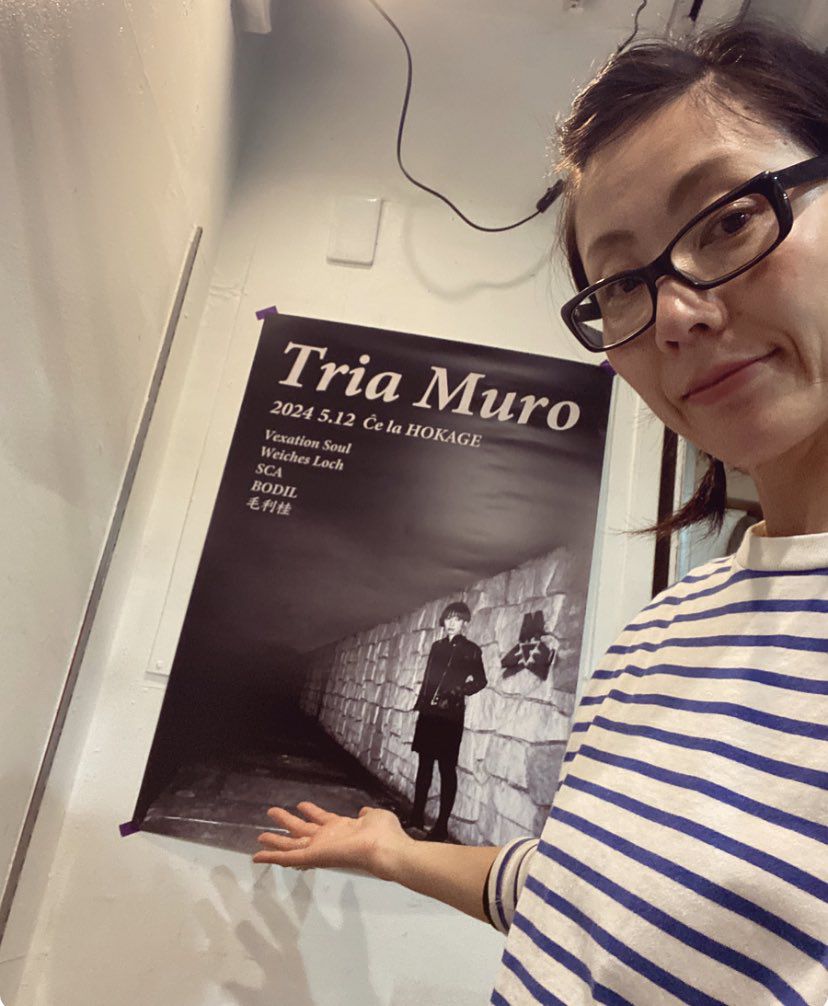
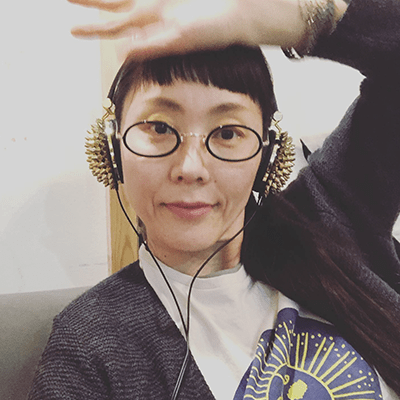
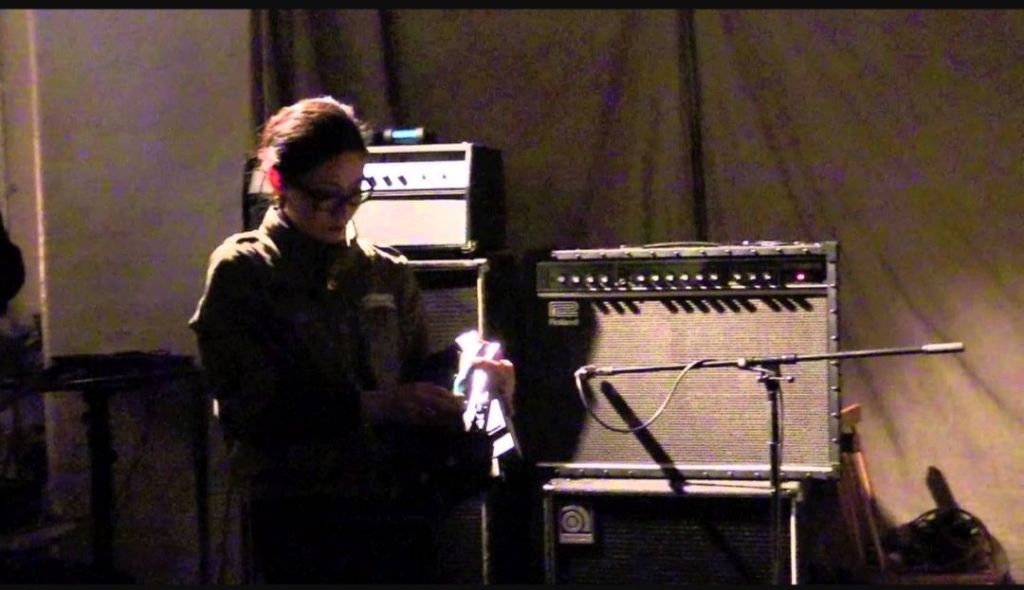
    Interview with Experimental Music and Sound Artist Katsura Mouri on “Noise Istanbul Festival and Experimental Music”

    Interviewer: Pr Carnet Magazine Editor-in-Chief, Academician and Author Semay Buket Şahin.

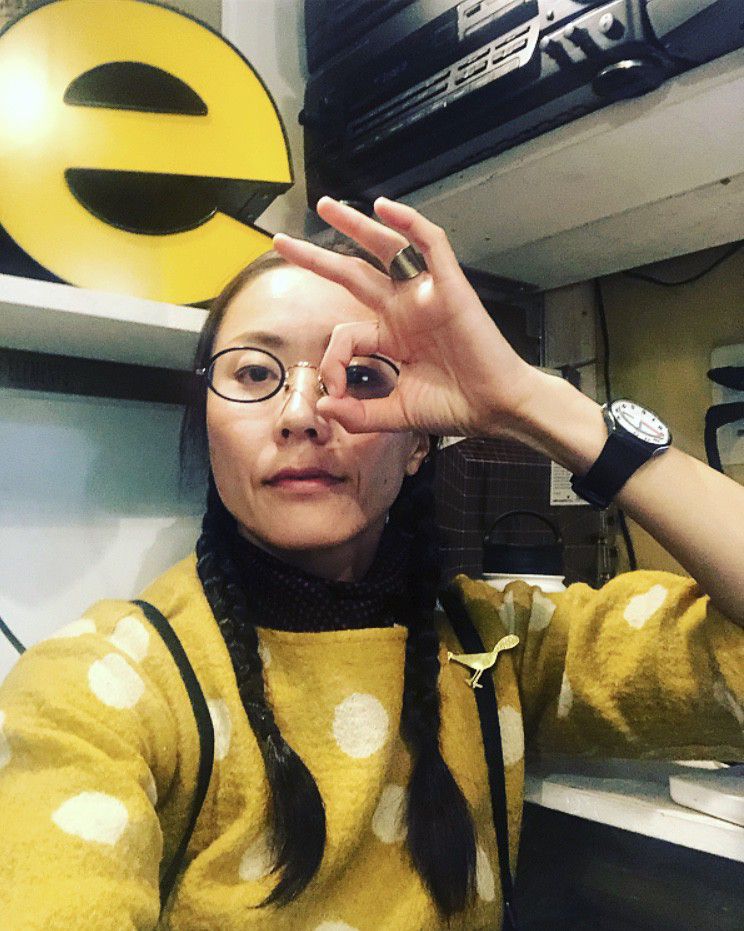
    Mouri-san, we know you as an experimental sound artist, but could you tell us more about yourself? Who is Katsura Mouri?

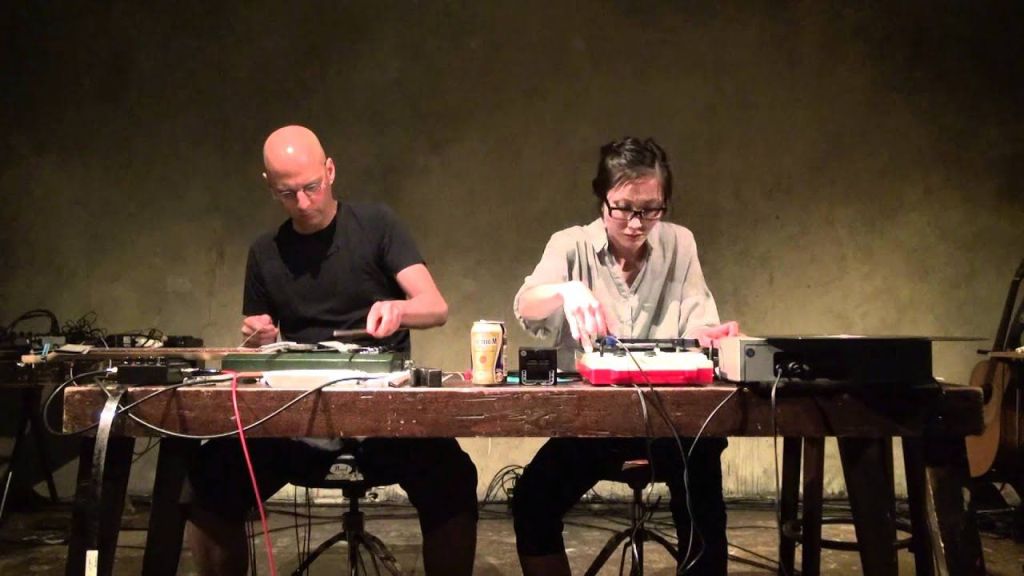
    I am a musician and sound artist who performs using toy turntables as musical instruments.

    Rather than engaging in conventional turntablism techniques such as scratching or beat juggling, I amplify the hum noise produced by the turntable and perform with it as if it were a musical instrument. This hum noise can be modified through effects processors to create ambient tones or timbres resembling those of a guitar.

    In addition to utilizing hum noise, I also amplify sounds picked up by the cartridge, following an approach similar to John Cage’s Cartridge Music. Furthermore, I incorporate circuit bending techniques that manipulate the internal circuitry of the turntable to generate sound.

    In recent years, I have also been engaged in the creation of three-dimensional artworks and sound installations that incorporate turntables.

    You recently visited Istanbul for Noise Istanbul. Could you share your experience of performing at the Noise Istanbul festival? How did the festival’s atmosphere and audience influence your approach to performance? Additionally, how did you find Istanbul in terms of its cultural and artistic energy? As an experimental sound artist, did you find anything particularly inspiring?

    The festival venue was located in the new city district, lined with sophisticated shopping streets. It was a magnificent concert hall housed in a modern European-style building.

    I was quite surprised by the number of young people in the festival audience. Some were leaning forward, listening intently, and I could tell that they were genuinely enjoying the music.

    At a previous festival where I performed, I was influenced by the audience’s energy, which led to a highly energetic performance on my part. This time, since the audience was deeply engaged in the music, my performance became more focused on sound. While it was not perfect, I believe I was able to deliver a solid performance.

    Istanbul was a fascinating city where European and Asian cultures seamlessly merged.
    One of the most memorable experiences for me was visiting the Blue Mosque. Its beauty and grandeur far exceeded my imagination, and I was instantly captivated. Inside the mosque, some people sat quietly in meditation while others prayed, creating an atmosphere of tranquility that contrasted sharply with the bustling streets outside.

    Although the architectural form, scale, and color palette were entirely different, the sense of sacredness and the slow passage of time reminded me of Japanese Zen temples. I once created a  three-dimensional artwork based on the theme of Zen, and I feel that my visit to the mosque might inspire me when I next work on a Zen-themed piece.

    I found Istanbul to be a remarkable city that embraces and coexists with diverse cultures, including both historical heritage and modern urban life.

    A short walk from the city center led to places where one could enjoy nature, and the presence of numerous travelers from around the world reminded me of Kyoto, where I live. This sense of familiarity gave me a strong feeling of connection to the city.

    Experimental music often challenges conventional norms. What drives you to continue working in this niche genre? Through your work, what do you hope to communicate or achieve?

    As many may already know, experimental music has been shaped by legendary artists such as Pierre Schaeffer, a pioneer of musique concrète, and John Cage, who explored the full potential of experimental sound and influenced countless artists. I, too, have been deeply inspired by them.

    I find great joy in exploring how to innovate new and unconventional sounds. Of course, coming up with groundbreaking innovations like John Cage is no easy feat. However, even achieving small innovations brings me immense satisfaction, and that serves as my motivation.

    Additionally, when an audience resonates with my work, I feel a profound sense of happiness, which also fuels my drive.

    I do not create my works with the intention of conveying a specific message to others. I am simply doing what I love.

    There is no set goal or destination in my artistic practice—I am not striving to achieve something specific. I am simply in pursuit of what is fun and interesting.Moving forward, I want to continue exploring the possibilities of the turntable.

    What led you to choose experimental music and turntablism as your primary means of expression? Were there any specific moments or influences that shaped this decision?

    When I was 19, I was a rather unconventional DJ—so much so that no one could dance to my sets. In fact, some audience members even left the venue.

    Around that time, I started working part-time at Parallax Records in Kyoto, where I met a group of people with whom I formed an ensemble that performed with records simultaneously. Rather than following a typical DJ style, we experimented by striking the turntable cartridge, generating scratch noises, and exploring alternative ways to perform with turntables.

    After the group disbanded, I found it difficult to transport two Technics SL-1200 turntables and a large collection of records to live venues on my own. This led me to start using toy turntables, which were lightweight and easy to carry. At the same time, I had grown tired of the conventional DJ setup, where the turntables were placed on a table.

    Coincidentally, I was really into Jimmy Page at the time, which inspired me to develop a performance style where I held the turntable like a guitarist rather than using it in a traditional DJ manner.

    In the collaborative album Various Histories, you explore the fusion of sound textures and soundscapes. Through this collaboration, what have you learned about your artistic identity and the possibilities of experimental music?

    For tracks 1 through 4 on this album, I edited and restructured the recordings of our improvised performances. Not just for this project, but in all my works, I compose through a process of re-editing recorded sound. When improvisation is recorded, both the good and the bad elements are captured. By extracting only the best parts and reassembling them, the result can be an entirely new and extraordinary piece that surpasses the original recording.

    This album was created by selectively reconstructing the most compelling elements—such as the mechanical noises from Tim Olive’s magnetic pickups, the scratch noises from prepared records, and the drones produced by turntables.

    Much like how John Cage used environmental sounds as musical material, I find excitement in treating noise and sound itself as raw material, reconfiguring it with creative intent to transform it into something even greater. Just as environmental sounds are limitless in variation, I see infinite possibilities in the sonic textures and noise generated by musical instruments.

    In today’s cultural landscape, why do you think experimental music is important? Do you see it as a means of pushing boundaries, expressing individuality, or responding to social change?

    Experimental musicians are, by nature, already highly individualistic simply by constantly challenging new ideas. It goes without saying that experimental music has expanded cultural boundaries—figures like Merce Cunningham and John Cage, who applied chance operations to performance, are prime examples.

    However, I believe that not only experimental music but also all forms of culture and art—including visual arts, design, architecture, media, dance, and fashion—are equally important. Engaging with and understanding a wide range of artistic and cultural fields broadens one’s perspective far more than focusing on a single discipline. To adapt to social change, we must be able to respond quickly and flexibly to shifting environments. Understanding experimental music may help eliminate preconceived notions and biases, allowing for a more agile response to various changes.

    Recently, emerging technologies such as AI and virtual reality have been gaining attention. AI-driven music production and VR concerts are expanding the possibilities of the future. While it is uncertain how experimental music will be utilized and evolve, I am excited about the transformations that will come with technological advancements. I, too, am eager to continue exploring new challenges in the future.

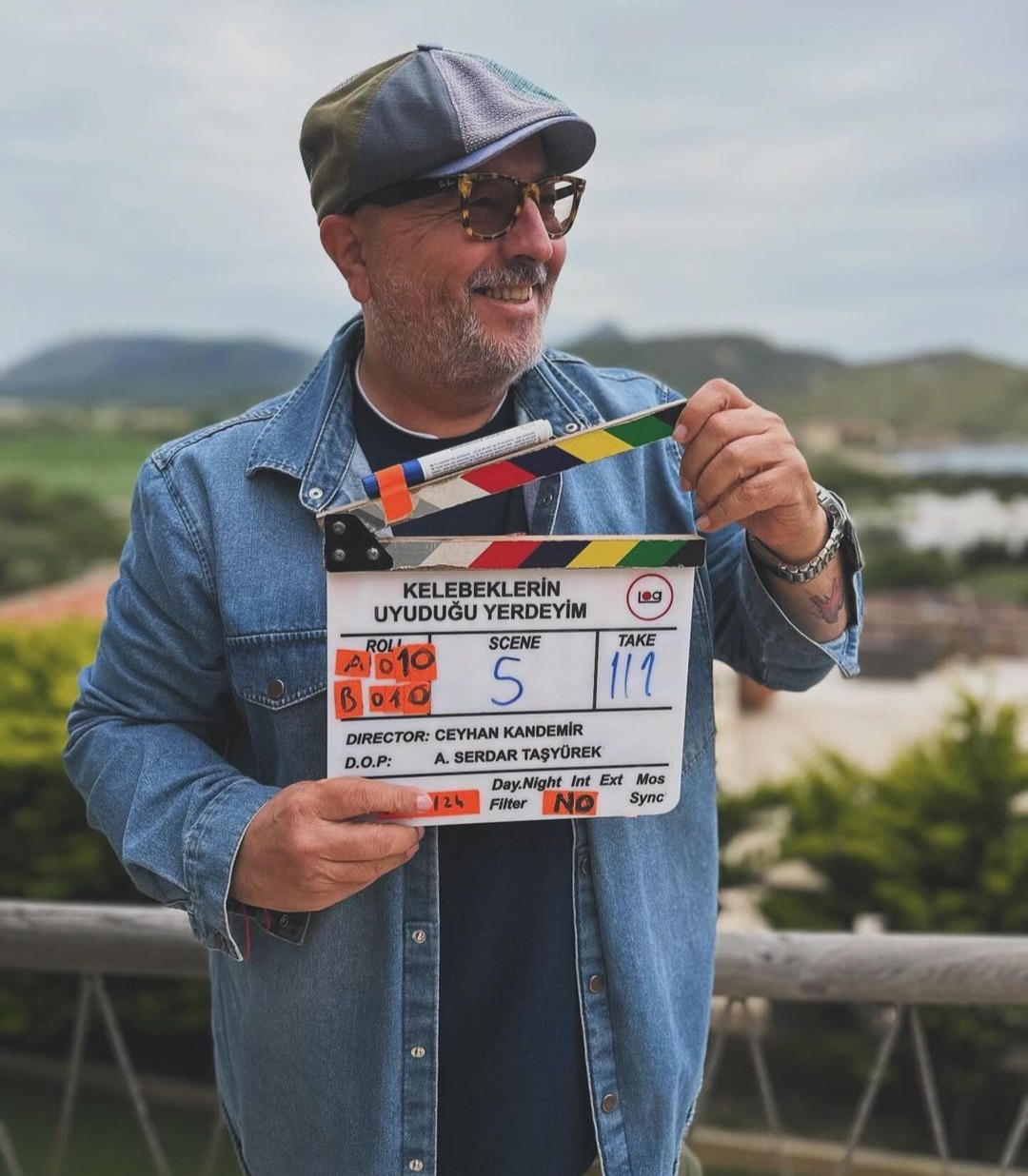
    Actor, Director and Screenwriter Dr. Amina Zhaman explains the importance of Ceyhan Kandemir’s trilogy

    I would like to emphasize that literature, music, and theater play an important role in the Ceyhan Kandemir trilogy.

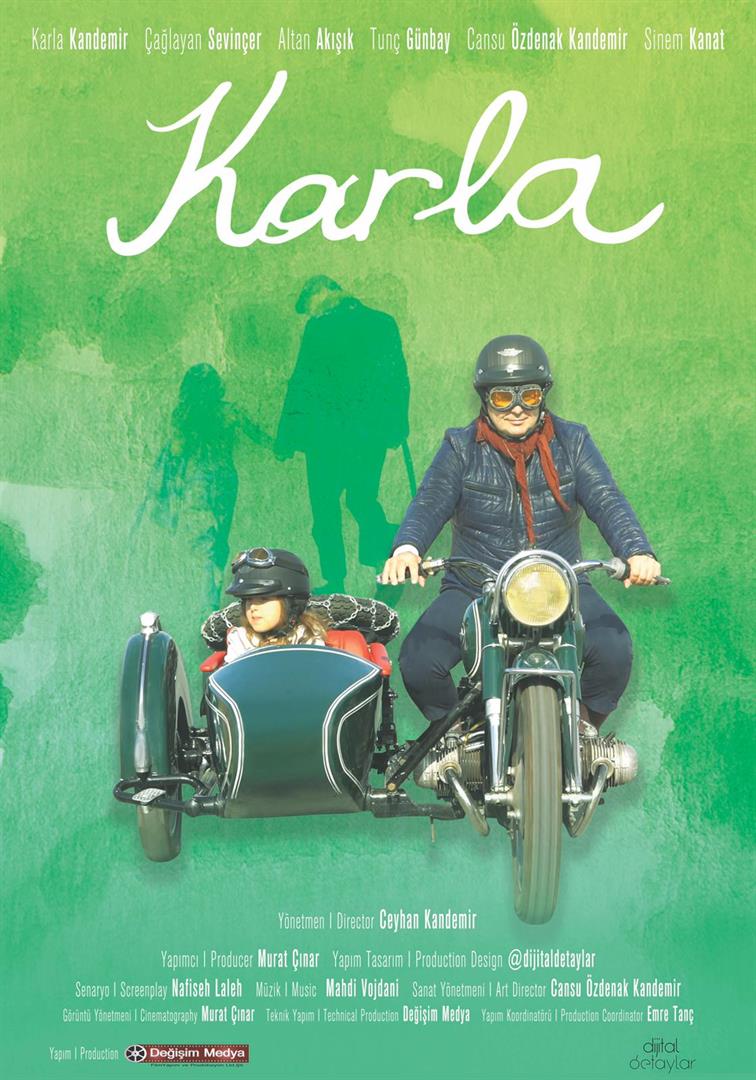
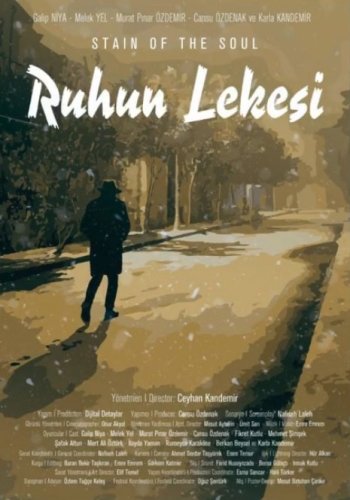
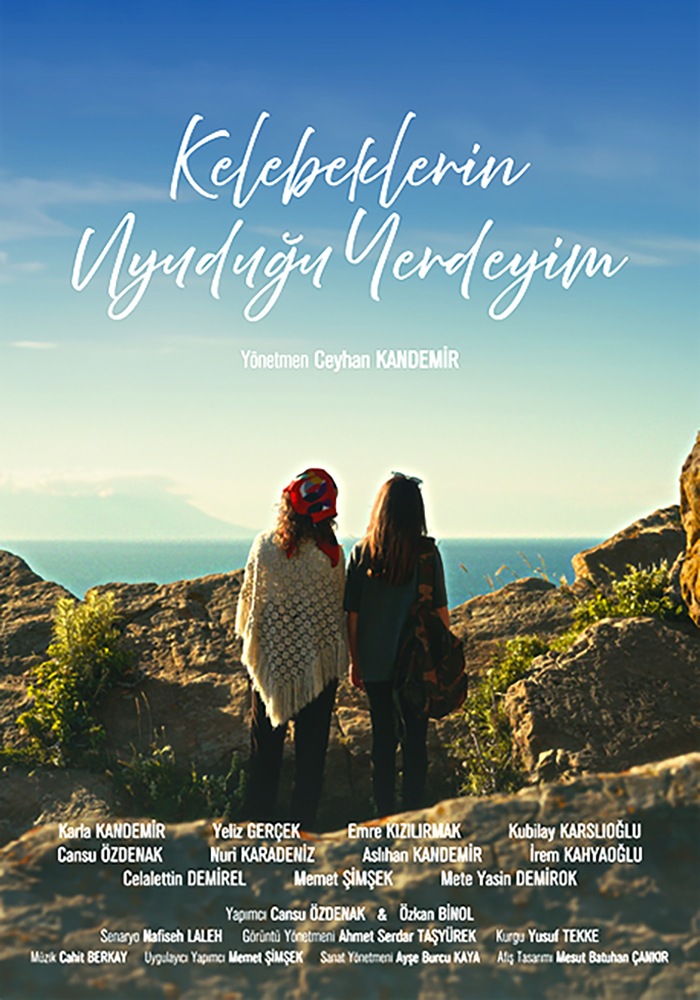
    I saw Ceyhan Kandemir’s trilogy – “Karla” (2019), “Ruhun Lekesi” (“Stain of the Soul”, 2022), “Kelebeklerin Uyudugu Yerdeyim” (“I am Where the Butterflies Sleep”, 2024) – in reverse order. Nevertheless each chapter was unique, clear and complete itself. It was a true journey for me – from wisdom in the third part to chaos in the second and to joy in the first. Ceyhan Kandemir’s collaboration with screenwriter Nafiseh Laleh was very productive. In 5 years they made 3 feature films in Turkiye that won multiple awards at the national and international film festivals. Professor of Istanbul University Dr. Ceyhan Kandemir dedicated his trilogy to his daughter Karla.

    She brilliantly performed in all three films. In “Karla” and “I am Where the Butterflies Sleep” she plays the leading role, in “Stain of the Soul” Karla makes a lovely cameo. The episode with her is like a breath of fresh air in the life of the main character, an acclaimed guitarist. Both heroes read the same book – Shaun Tan’s “The Red Tree”.

    Since Karla read Antoine de Saint-Exupéry’s and Ralph Waldo Emerson’s works in her childhood, Tan’s illustrated book about depression and loneliness doesn’t seem a strange choice for a smart girl. I want to underline that literature, music and theatre play important roles in Ceyhan Kandemir’s trilogy. In his movie “Karla” director masterfully shows us the backstage of a puppet theatre and by the way makes a great cameo as a viewer. Actor Caglayan Sevincer made an incredible portrayal of Karla’s father. Great interaction between Karla and master of puppets Caglayan brought so much joy to the screen. In “Stain of the Soul” Ceyhan Kandemir takes us to the world of flamenco. It reminded me Pedro Almodovar’s film “The Flower of My Secret” (1995) starring Joaquin Cortes. In the feature “I am Where the Butterflies Sleep” islanders watch Cansu Ozdenak’s brilliant performance in immersive theatre. No wonder that one of the characters Mr. Ali Kadri was speechless after that… Cansu Ozdenak co-produced the film with Ozkan Binol. She also wrote lyrics and sang main themes in Ceyhan Kandemir’s trilogy. When Ozdenak enters the frame, she brings lightness and charm. Even when she is not singing or speaking, it is impossible to take your eyes off her. She has a class that is rarely seen today in cinema.

    Fabulous exterior scenes in all 3 films amazed me. Cameraman Murat Cinar created a special atmosphere in “Karla”. The scene where the father and daughter ride a motorcycle looks like a Vincent van Gogh painting: white clouds in the very centre of the blue sky, yellow hay and green trees. In its colorfulness, Ceyhan Kandemir’s film can be compared to the works of Pedro Almodovar.

    The walls, dishes, interior items – everything has its own bright color. Not to mention the royal breakfast… The heroes don’t even need to go to the bakery around the corner. They always have hot simits at home. Dr. Onur Akyol’s unforgettable shots of Istanbul in “Stain of the Soul” inspire me to pack my bag and go see Galata Tower and Bozdoğan Kemeri again as soon as possible. Director of Photography Ahmet Serdar Tasyurek did a great job too in “I am Where the Butterflies Sleep”. Watching magnificent views of Gökçeada island was a true pleasure. Now I know where exactly the butterflies sleep – in Çanakkale, my next destination. Ceyhan Kandemir’s trilogy bring a lot of tourists to Turkiye. And the number raises after each successful screening – at Antakya Film Festival, Kadikoy Cinema, Güzel Ordu International Film Festival, Halic Goldenhorn International Film Festival, Istanbul International Nartugan Film Festival, International TV & Film Festival Slavic Fairytale. Pablo Picasso once said: “Every child is an artist. The problem is how to remain an artist once we grow up.” The main character of the trilogy Karla grew up before our eyes. She not only remained an artist, but also found her place in life – and it is where her roots are. In the beautiful country of Turkiye.

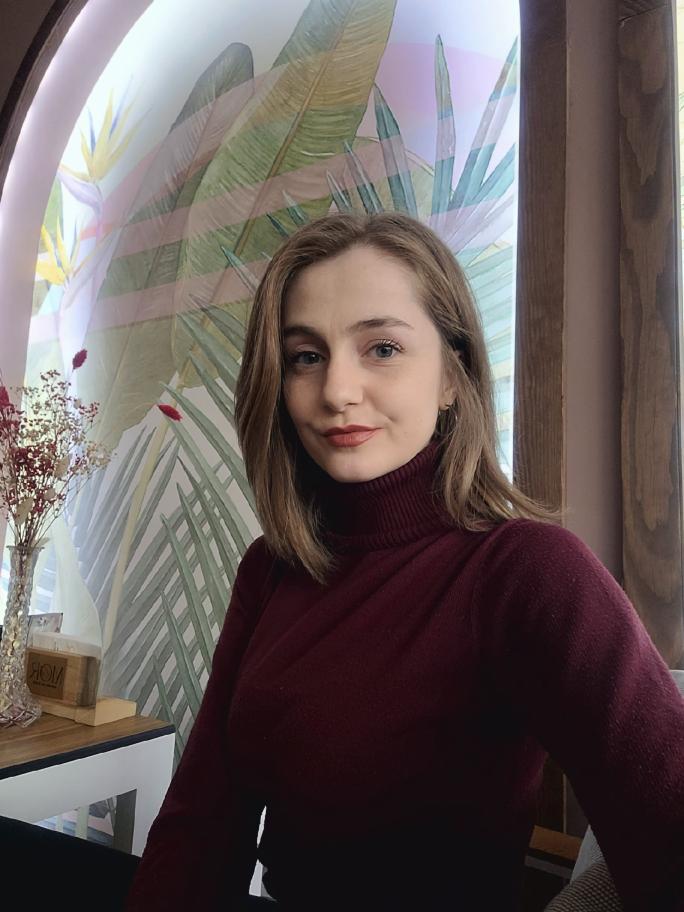
    Interview with Digital Marketing Consultant Şule Şahin on Digital Marketing Strategies and the Importance of Artificial Intelligence

    Who is Şule Şahin? Can you tell us a little about yourself? What is your professional adventure that led you to digital media consultancy?

    I’m Sule Sahin. I am 27 years old, born and raised in Bursa. If I were to express myself in one word, it would definitely be ‘curious’. Thanks to this feature, I never limited myself, always researched, took risks, wanted to develop and learn.

    My career life, which started with academic studies in the field of accounting, has been continuing with the field of digital marketing, which I met a little by chance and a little by curiosity for about a year and said ‘this is it’.

    What is the importance of digital marketing consultancy for brands?

    Being in the digital world offers great opportunities for businesses to carry their activities beyond borders. With digital marketing consultancy, brands do not have to wait for their customers for the promotion and sale of their products and services. It takes its place in all electronic devices and media tools of potential customers with advertising strategies prepared by digital marketing experts. In addition to traditional marketing, digital marketing consultancy saves businesses time and cost. Therefore, it aims to make more sales with less effort. It gets faster results from potential customers within the scope of digital marketing activities and helps them respond faster to their requests and needs. It can get ahead of competitors who are not yet in digital, and enables companies that continue their digital activities to follow their work more easily.

    Which strategies does a brand’s digital marketing specialist mainly apply to promote the brand’s online presence, brand awareness and product and service?

    First of all, social media platforms suitable for the brand must be ready. Because users on the internet always do research before shopping for products or services. We need to introduce the brand identity to potential customers in the best and correct way in social media and give them confidence. At this point, especially social proof and references play an important role. Comments and messages about the brand on the internet should be followed to learn the impression we leave on users. The website of the business owners, if any, is checked. In order to provide the fastest and most reliable service to potential customers, efforts should be made to maximise the quality of the website. It should not be forgotten that the algorithm also follows these elements.

    A low quality, slow website reduces the quality of the brand’s advertising and may prevent it from getting the results it wants. In our preliminary work with brands, we explain the importance of media tools to our customers and present the website quality results to them. At the point where all media tools give good results, we create digital marketing strategies for the needs of brands and start working.

    Is the digital marketing strategy of social media accounts, websites and e-commerce sites different?

    Absolutely. The basis of our work is to know the brand and its customers well. It is not right to try to apply the same advertising strategy to a corporate company and an e-commerce company. In addition, although they are in the same sector, we also have customers who demand different studies. Some of them reach us for more sales, some to go up in Google rankings, some to promote their brand in the best way in digital. It is our duty to determine digital marketing strategies that will meet the demands and needs of brands and to continuously develop these strategies.

    What are the dangers waiting for brands that do not need digital media consultancy?

    The biggest danger is being forgotten. Nowadays, you are recognised as much as your presence on the internet. While their competitors carry their brands to everywhere where there is internet, businesses that lag behind in digital work will not go beyond their own neighbourhood, they will count where they are, and if they are lucky, they will survive with certain sales.

    Business owners who want to move their brand to digital but try to manage this process alone can be exhausted by physical work on the one hand and digital work on the other, or give up at the first digital obstacle they encounter. Because the internet is like an ocean. If you want to move forward without a route, you will get lost.

    What are the common misconceptions about digital marketing consultancy?

    I can say it is the profession itself. Although it is a sector that is frequently encountered with its activities, unfortunately, the name and profession of ‘digital marketing’ still does not have a clear image in people’s minds. When it comes to digital marketing, people think of e-commerce activities such as Amazon and Trendyol. In fact, the strangest question I received in this profession was ‘Do you sell electronic cigarettes?’. There are too many business owners who are unaware that the advertisements in many media tools are the work of the digital marketing sector. They want their products and services to appear on all digital platforms like competing companies, but they don’t know the name of what they want. For this reason, we definitely make a preliminary interview before starting our work with businesses.

    I tell businesses who I am, what digital marketing is and how I work. Because as much as I know my client, my client should also know me and be aware of the work I will do for him/her.

    What do you think about the development of artificial intelligence? How will it affect digital marketing and its experts? Do you think artificial intelligence will replace digital marketing experts?

    For the moment, I am very happy with the development of artificial intelligence, because the development of artificial intelligence means that digital studies gain importance. As a digital marketing specialist, artificial intelligence has a great place in our work. Content ideas, texts, animations… These are just the beginning. I think that people who work in digital marketing and similar fields and do not benefit from artificial intelligence will be far behind the experts who develop their work with artificial intelligence in the future, even if they do not realise it now. If we are going to carry out digital studies, we need to be able to follow the developments in that world.
    As long as this continues, artificial intelligence will continue to be used as a tool, not a goal. Of course, artificial intelligence continues to develop rapidly and surprise us every day. If we do not develop and keep up with this change, we will lose this war.

    What should be done to get the right digital marketing training? Is it also necessary to learn artificial intelligence applications that will be used in the future?

    First of all, they should definitely reach the experts of this subject. Unfortunately, not every person who receives digital marketing training has enough equipment to provide training in this sector with the name of an expert. In addition to a certain knowledge, there must be working experience. It is difficult to carry out studies in this field by watching part-part videos on social media and Youtube. People who are already trying to progress in this way feel that they are doing wrong because they cannot fully understand the logic of working. I know because I felt this way in my first digital marketing training. When I received a second training from a different expert, I was able to say ‘okay’ and continue, otherwise I had already quit. However, education never ends in digital studies. Getting a good digital marketing education only creates a solid foundation. However, in this process where digital studies are developing rapidly, it is not enough to proceed only with basic information.

    Especially artificial intelligence brings very different dimensions to the sector. Staying behind these developments means staying behind in the profession. In order to be a good digital marketing expert and represent our clients’ brands in the best way, we need to be open to learning and development.

    GENERATIONS IN MEDIA USE: “DIGITAL IMMIGRANTS, DIGITAL HYBRIDS AND DIGITAL NATIVES”

    People of the 21st century, where the digital world has changed the way of life, are expected to have knowledge about the developing information and internet technologies and to master the relevant technological equipment. It is obvious that today’s mass media are decisive in social and global relations. Therefore, it is essential to adapt to rapidly changing and developing living standards. From this point of view, the need for traditional media tools, which is decreasing day by day, has long been on the agenda to be replaced by digital media.

    The process, which has caused radical changes in the schemata of education, health, economy, politics and culture, points to differences between people born in this process and those who started to live before the digital world. In this table, which seems to be divided into two, it is actually possible to evaluate the period covering the audience before digital media in different categories within itself. In this context, it is possible to categorise those born in 1970 and before, those born between 1970-1999 and those born after 2000.

    However, while it was easier to make this distinction before the Internet, today it is not enough to be literate to make this distinction. In addition, it is necessary to know and make sense of computer technologies and coding languages, software programmes, data, algorithms and many similar technology terms.

    From this point of view, the 2000s, especially the WEB 1.0 process, which is considered as social media, are decisive dates. People who were born before this date are different with their skills and mental attitudes before the internet (Tonta, 2019:755-757).

    With its multifaceted structure, the Internet has changed and transformed not only skills but also ways of thinking. In this sense, efforts are being made to digitally educate the mass, which is defined as digital migrants, who communicate only with traditional media tools, and to ensure their mastery of the field, and trainings in this direction continue in the context of advancing technologies.

    However, even though the theoretical infrastructure is provided with manual skills or training, it has not been easy to change the mindset. According to Prensky, the generation born before 1970 has problems in adapting to digital environments and continues to need printed sources to access information (Çetin & Özgiden, 2013: 174-175). In this sense, the traditional weight of people who were born long before the Internet, from family life to education life, from business life to the political party they belong to, is obvious. Such habits are unlikely to change radically. Therefore, the living standards and social structures of those born in 1970 and before are not coincidental in terms of resistance to today’s digital opportunities.

    Prensky (2003) categorises those who are familiar with digital media tools and those who are not as “digital natives and digital immigrants”. Digital natives consist of the generation born in 1980 and after and are also referred to as Millennials, Digital Natives, Net Generation, The Gamer Generation, Next Generation, N-generation, Cyber Kids, Homo Zappiens, Grasshopper Mind.

    Digital immigrants are the generation born before 1980. Digital immigrants are not familiar with virtual reality like digital natives born in the digital world, but a generation that tries to adapt later (Eşgi, 2013:181).

    Digital immigrants represent the group who encounter technology in their twenties, who are more conservative in mastering technological tools and may experience adaptation problems, and whose new media literacy is at a lower level than digital hybrids and natives. However, the concepts of digital migrant and digital hybrid give an interrelated picture, which may contain inaccuracies for the information related to the mentioned understanding of digital orientation.

    It can be seen that individuals in their fifties and sixties, who are defined as digital migrants as of the current process, also utilise technological opportunities and even use new media platforms appropriately in their working life with the training they have received in technology. This is actually an important evidence to determine the radical changes created by internet technologies in human life.

    DIGITAL HYBRIDS

    Rapidly developing information and internet technologies have led to social and cultural changes. In the information world where geographical limitations are no longer important, while the age factor is important in internet usage, especially the age range of the people who shape today’s world is remarkable.

    This age range shows that an intermediate age range is needed on the scale of immigrant and native, which Prensky categorises in the context of digital media. This generation, which both benefits from the blessings of the technology it is in and does not completely lose its traditional loyalty, is defined as “Digital Hybrids”.

    It is important that this user profile, about which not much information can be accessed in the relevant literature, covers the people who are determinants of education, health, economy and politics of the time we are in. While globalisation has become widespread to the extent that it supports the local, digital hybrids have become the cornerstone of the structuring that serves this expansion. In this context, the use of media by digital hybrids is of great importance (Kakırman Yıldız, 2012:820).

    This group, which consists of people born between 1970 and 1999, before the millennium, does not show as much resistance as immigrants, but leads a lifestyle that depends on printed sources in parallel with the use of the internet. This group, defined as digital hybrids, uses technology at least as efficiently as natives.

    The most important point where digital hybrids differ from digital migrants is that digital migrants first prefer printed sources and then use the internet to access information, while digital hybrids first search the internet and then look at printed sources. In this sense, it is possible to say that digital hybrids adapt quickly to new situations and draw a profile that is open to change. However, it is seen that they do not leave their old habits while experiencing change (Kakırman Yıldız, 2012:821-822).

    DIGITAL NATIVES

    It is possible to say that digital migrants are compulsorily involved in the technological world due to their nature, and that they use new media against an obligation. Likewise, while digital hybrids prioritise traditional media opportunities, they benefit from new media environments as a second source. The adaptation and use of these immigrants and hybrids to information integration is mostly shaped by need. However, it would be appropriate to say that digital natives, who are born into technology and who show serious differences with both digital generations, point to a very different lifestyle in this context.

    Digital natives are people born in 2000 and later years, for whom digital communication tools, which are called new media, constitute an important part of their daily life practices. Especially considering the sophistication of the 2000s in terms of information and internet technologies, the age factor, which indicates an understanding of culture independent from the society they live in, plays a major role in the use of new media by digital natives (Bilgiç et al., 2011:3-5).

    “Digital natives use technology in five different contexts: personal interest or entertainment, social communication, daily use (such as information storage or access to information, looking at train tickets…), professional work and university/course work” (Eşgi, 2013:183).

    In the context of these features, digital natives want to socialise quickly unlike real life. Digital natives are open to making new friendships. It is important for them to access information and news instantly. In this sense, they prefer to read information not only as text but also as infographics designed in the form of expression with graphics. Again, they have a working style that is not holistic but fragmented. In this sense, they prefer to read information not only as text but also as infographics designed in the form of expression with graphics. Again, they have a working style that is not holistic but fragmented.

    IN THE FINAL ANALYSIS

    It is possible to say that gaining a more objective perspective in accessing accurate and real information and news and in the decisions taken is parallel to the age and generation accessing new media applications. In this direction, with the existence of a user profile that has mastered the developing technologies, it will be ensured that all the blessings of technology will be carried out in a position to work for the benefit of humanity.