1. Women in Journalism and the History of Struggle
In your book “Undaunted”, you discuss the challenges women journalists have faced for over 180 years. What are the biggest structural barriers women face in today’s media landscape?
The greatest challenges for women in journalism today are first and foremost the same challenges faced by men: the diminution of the public’s trust in what it reads or hears or sees, the collapse of the long-standing advertising model that sustained the industry and allowed it to thrive, and the current lack of a reliable alternative. For women particularly, although there have been many advances over the past two centuries, threats to personal safety abound, both virtually and physically.
What sociological and cultural dynamics do you think lie behind the fact that women have historically risen to prominence in journalism during times of crisis?
It’s interesting, isn’t it? Historically, this has happened time and time again. In times of war, as men went off to battle, openings for women emerged out of necessity. And in the case of individual organizations, as they neared collapse, we see women gaining opportunities that were rarely offered beforehand, as if to gain attention for outlet as it struggled to survive or as a “Hail Mary” pass, a desperation move. In the 1930s and 1950s, I found several examples of women becoming city editor or even managing editor in organizations that were on the brink of collapse. Inevitably, they collapsed soon after. Note the current prevalence of women in all positions in cable and television news and draw your own conclusion. Again, historically, there were always a few editors functioning under severe budgetary restraints who figured out it was possible to attract a higher caliber of talent for the little they could pay if they hired women, who worked for less (so delighted for the opportunity!) when the top class of men would go elsewhere for better pay. That pay disparity persists.
Do you believe that pioneering figures like Margaret Fuller and Nellie Bly still serve as sources of inspiration for women journalists today?
I know they do. Certainly Nellie Bly. Just check my daily Google Alert for her name or the queries I receive from middle school girls, wanting information for their school projects, or from podcasters who know a good story when they see one. Bly inspires them as she inspired me.
2. Media Ethics, Identity, and Representation
When researching the phenomenon of “passing” in journalism, how did you observe its effects on media professionals?
Do you mean undercover reporting? That’s too involved a subject for a short answer. I’d refer you to this piece of mine, written some years ago, which I note seems to be taught often:
What concrete steps do you think media organizations should take to overcome the underrepresentation of women and minority groups?
A perennial need and so much has been tried over the past fifty years or so. There’s progress, but never enough, and yet it remains so very important because we know the representation within a given outlet, the better, the truer, the product. I wish I had a better answer.
In your view, is “undercover” reporting still an ethical practice in modern journalism, or has it become outdated in the digital age?
It’s expensive to undertake and fraught with ethical and legal conundrums, but it is still practiced, sometimes very effectively. Despite the potential pitfalls, as a form, it responds so well to so many of journalism’s most important goals, especially: to inform by penetrating walled off institutions and situations that mean to keep the public out and to prompt those in a position to do so to act to right societal wrongs. The narrative power of the form is undeniable; it makes the significant interesting—another high journalistic value.
3. Looking Ahead and Professional Advice
What are your greatest concerns and hopes for the future of journalism as a profession?
That the field survive as those who care most would want it to and that we develop better ways for the public to be able to discern authentic information from mis- and deliberately false information.
What key strategies do you think are most important for women journalists to become more visible and influential in the industry?
Do great work. Be like my five Pulitzer Prize- winning former students: ambitious, disciplined, courageous, and indefatigable. Historically, exceptional talent and great networking skills have proved to be important, too, in bringing women to the fore. Even in times when there was almost no place for women in the field, the cream has risen. Be the cream.
What values and approaches would you personally recommend to aspiring journalists entering the field?
See above; add passion, diligence, and above all, integrity.
THE EVOLUTION OF DIGITAL ART AND THE ROLE OF CULTURA INQUIETA
What has been the most impactful transformation you’ve witnessed in the development of Cultura Inquieta as a digital platform for culture and art?
Seeing how Cultura Inquieta has become a community—growing larger and more emotionally connected—has been the most impactful transformation. We don’t just share art, we share sensitivity, conversations, doubts, beauty, and critical thinking. We’ve learned to listen as much as we publish, and that has allowed the platform to evolve with a soul of its own.
How has the way people connect with art changed through digital platforms?
The connection is now more immediate. People don’t just consume art—they comment on it, reinterpret it, and share it as part of their identity. It’s become more democratic, more everyday… and also more emotional. There’s a lot of information, a lot of stimuli, but also more opportunities to be creative, to make and share the beauty around us with the rest of the world.
AESTHETICS AND NARRATIVE IN CONTENT CREATION
What aesthetic and narrative elements do you prioritize when creating content for Cultura Inquieta?
Emotion—always. The first thing we look for is something that stirs us. Aesthetically, we value whatever has soul: it can be minimalist or baroque, but it must speak. Narratively, we prioritize the beauty of simplicity, poetry, and honesty. We care about substance, but also about how we tell the story—above all, it must have humanity.
ALGORITMS VS. CREATIVITY
How do you think algorithms affect creativity and originality in digital media?
They’re a double-edged sword. On one hand, they can amplify what we do and connect valuable content with more people. But they also sometimes push us to repeat formulas, to play the game of “what works.”
The key is not to lose our center. At Cultura Inquieta, we ask ourselves: Does this add something? Does it make sense for us to tell this? If the answer is yes, we trust it will find its way, even if the algorithm doesn’t bless it right away.
COMMUNITY ENGAGEMENT AND DIGITAL STRATEGY
What strategies do you use to keep the audience engagement alive and meaningful at Cultura Inquieta?
We talk. We ask questions. We listen. We make those on the other side feel involved. Sometimes it’s with an open question, sometimes with a story we know resonates with all of us. Our commitment is born out of respect: we don’t treat the community as a passive audience, but as a chorus of voices with whom we build something together. And we also leave room for silence—where reflection often takes root.
THE FUTURE OF DIGITAL ART
What trends or directions do you think will shape the future of digital art?
I see art becoming increasingly hybrid, sensory, and participatory. Artificial intelligence, immersive environments, augmented reality… they’re going to change how art is created and experienced. But I also believe the future lies in reclaiming emotion, even in the digital realm: works that challenge us, that make us feel human amidst the code.
PERSONAL CREATIVITY AND SOURCES OF INSPIRATION
What inspires your own creative process? Are there digital platforms, artists, or themes that especially influence you?
I’m inspired by whatever makes me pause. A photograph I can’t stop looking at for no clear reason. A sentence that sticks in my chest. I draw a lot from everyday life: from the silences in a conversation, from the way someone talks about what they love. I’m also inspired by artists who cross disciplines—people who write through music, who paint through words. Digitally, I like platforms that care for both visuals and text equally, like It’s Nice That or Another Magazine. But above all, I’m inspired by the Cultura Inquieta community: what they share, what they comment, what moves them.
ART AND SOCIAL TRANSFORMATION
How do you see Cultura Inquieta’s role in contributing to cultural or social transformation through the public visibility of art?
Cultura Inquieta is a loudspeaker for beauty, but also for justice. We believe art is not only about contemplation—it can also be a form of resistance, of protest, of embrace. Our mission is to shine a light on stories that matter, on artists who give voice to the unspoken. If we can get someone to look at the world with a little more empathy after reading or watching us… then we’re already transforming something.
Is bilingual journalism for you merely a method of communication, or is it also a matter of identity and representation?
Bilingual journalism is deeply tied to my identity. As an Ecuadorian video journalist living in New York, being bilingual allows me to tell stories that often go unheard—stories of people who navigate two languages and two cultures. It’s not just about translating words; it’s about representing lived experiences and ensuring that our communities are accurately portrayed, while also highlighting narratives that are often overlooked.
What role does language play in visual storytelling? How do you develop methods to transcend linguistic boundaries?
Language is essential when connecting with the people you’re interviewing—it helps you understand them better and even relate to their story. But visual storytelling allows us to go beyond words; it becomes a universal language. The power of video lies in showing a story in a way that allows viewers to connect with characters, even if they don’t speak the same language.
What kind of connection do you draw between bilingual journalism and documentary filmmaking?
For me, the two are inseparable and work hand in hand. Documentary gives me the space to explore stories in depth, while bilingual journalism lets me represent my community. Both require trust, empathy, and immersion in the context of the story, as well as connecting with the people involved.
Creating multilingual content requires more than just a technical skill. What kind of ethical or cultural responsibility do you believe it entails?
Regardless of language, I believe it’s essential to stay true to what your sources are saying and to their lived realities. When translating, writing, or editing, I always ask myself: Am I keeping the context intact? Could this harm the person or community involved? Am I portraying them fairly? That ethical responsibility is always present.
When telling stories in different languages, is it more important to remain faithful to the spirit of the language or to universal narrative structures?
I don’t believe there’s a single universal narrative structure. There are many ways to tell a story, and as a storyteller, you need to understand your subject to determine how best to tell it. Every story, character, and context is different. So rather than forcing a formula, I prioritize preserving the spirit and authenticity of the story.
How do you manage the processes of translation and subtitling in your multilingual projects?
If the project is in Spanish, I usually do the translation and subtitling myself. I try to maintain the richness of the language, knowing that some expressions may not directly translate. When working in other languages, it’s important to collaborate with someone who understands the language and can provide an accurate, culturally aware translation.
How does this linguistic diversity affect the global circulation of your stories?
Being bilingual is definitely an advantage—it allows me to collaborate with a wider range of publications and outlets and to shape stories for different audiences. It’s also helped me understand how to tailor storytelling styles based on whom the viewer is.
For you, is documentary filmmaking a transmission of reality or a form of creative reconstruction?
I think it’s both. It’s a transmission of reality, but with your vision as the filmmaker. Documentaries allow for creativity and deeper emotional connection while staying rooted in truth. As long as you’re honest with the facts and the people involved, you can bring in creative elements to strengthen the story—otherwise, it becomes fiction.
When choosing your subjects, do you look for a personal connection, or are you more guided by societal needs?
You need to feel connected to a story to tell it well—not necessarily on a personal level, but emotionally and intellectually. That connection helps you invest the time and care the story deserves. At the same time, I also ask myself: Why this story? Why now? What impact can it have? That’s where societal relevance comes in.
What are some of the most difficult ethical dilemmas you’ve faced during fieldwork?
One challenge is deciding whether to include moments of vulnerability—moments that might make a story more powerful but could leave someone feeling exposed. I ask myself: Is this adding something meaningful, or is it just emotional drama? Another dilemma is knowing when to protect someone’s identity and making sure they understand what it means to be on camera or have their name shared.
Compared to classical cinematic language, how would you define the unique expressive power of documentary?
Documentary is cinema—there’s no doubt about it. It might be less polished sometimes, but the goal is the same: to tell a compelling story that connects with audiences. The difference is that documentary is grounded in real life. There’s room for imperfection, but that doesn’t make it any less powerful or cinematic.
Among your projects so far, which story has impacted you the most, and why?
Two projects stand out. One is a short documentary I made about migrant families from Ecuador who journeyed to New York. It opened my eyes to the reality so many face—not just the struggle to arrive, but the continuous challenges they face even after getting here.
The second is a school documentary I did about a local drag artist in Astoria. It explored themes of family, grief, and chosen community. It helped me discover a world full of resilience and passion, and I learned so much from this artist and their journey.
What themes tend to stand out in your documentaries—such as migration, identity, or social struggles?
I’m drawn to stories about identity, gender, and migration—especially within the Latin community. I find power in stories of people who are finding or rebuilding themselves. Those narratives are deeply human and universally resonant.
What is your process of developing a project—from the moment you first conceive the idea to the final edit?
It varies depending on the project. For short stories, I usually start with a question or something I’m curious about. I research, identify potential sources, and start interviewing. After filming, editing is my favorite part—it’s where everything comes together, like solving a puzzle. For me, it’s the moment where the heart of the story really takes shape.
How has your experience at CNN en Español contributed to your independent projects?
It was my first real experience in journalism, and I see it as my school. It taught me how to structure a story, how to shape it in a way that connects with people. I covered stories from many different communities, which made me even more passionate about storytelling. That experience definitely pushed me toward pursuing documentary filmmaking more seriously.
Columnist, Storyteller and Culture and Art Dırector of Pr Carnet World Magazine Arielle Gonzales
In an era where words travel faster than ever, digital platforms have redefined the way we write, read, and connect. We sat down with digital writer Arielle Gonzales to talk about her creative journey in the world of online storytelling. From inspiration to audience engagement, from navigating social media to building a writer’s voice in the digital age—this is a candid conversation about writing beyond the page.
INTRODUCTION TO WRITING AND THE DIGITAL SHIFT
When and how did you first start writing?
I started writing when I was in middle school because I was different from others. I was very creative and loved watching others in different aspects. My mind would create ideas for short stories that I would share with my family. For years, I stopped until college, when I started to figure out why I loved creating and writing. Now, I’m writing more but waiting for my big break to do it full-time forever. Writing speaks to my soul, especially since I’m not the best at speaker.
Someone told me, “ Why don’t you write about what you think?”
What led you to shift towards digital platforms? What influenced this transition the most?
Growing up I wanted to write for magazines like Sex in the City, Ugly Betty, and Living Single, however, newspapers are not really there anymore. So in college, I switched to digital platforms such as Medium, freelancing and Substack. The switch wasn’t hard to do because the digital world is better for getting the stories across.
CREATIVE PROCESS AND INSPIRATION
What themes do you enjoy exploring the most in your writing?
Where do you draw inspiration from? What digital sources or environments nurture your creativity?
The themes I enjoy exploring is the ones that make the audience think, feel, and be open-ended. Everyone can have a different opinion, but sometimes the story is the same. Stories can be the same yet in different fonts. People want to feel related to something that feels. The soul understands.
My inspiration comes from people and the things around me. Most of the time, its like a light blub that went off like “people would want to know about this”. I just go with my gut then research if needed too. Most of my writings come from the soul, meeting people in passing. Writing is a space where pictures and seeing sometimes don’t express what it is. Words can run deep and can make you change that thought as you try to understand what it is. I would say for digital platforms, TikTok, Facebook and Medium.
THE IMPACT OF DIGITAL MEDIA
In your opinion, how does digital writing differ from traditional writing?
Digital writing differs from traditional writing in format, tone, and interaction. While traditional writing is linear, formal, and mostly text-based, digital writing is dynamic, conversational, and often includes multimedia elements like images or links. It encourages reader interaction through comments and shares, and it’s usually produced and consumed much faster than traditional writing. I love both but digital has this way of speaking to the audience due to being more personal.
What are the most challenging and empowering aspects of writing on platforms like social media or blogs?
I prefer blogs to social media. The reason for this is that there is more freedom than on social media. It’s very empowering to be in spaces that are very much similar and open like Medium and Substack communities. Social Media can be overwhelming since I only use it for updates or reposting for my blog (a marketing tool for networking)
READER INTERACTION
How does engaging directly with your audience affect your writing?
When I engage with the audience, It’s usually in the process. I like to ask questions and learn. So I pretty much write off that. I want my writings to make a person feel, whether it’s an opinion, essay, story, poetry, or article. I want to have the audience think and come back to ask me questions, such as the recent blog story on The Lover Era due to months of seeing, hearing, and learning from others.
Do feedback or comments from readers influence your writing style or topics?
Of course, but not so much that I will change my whole writing for them. I enjoy feedback and comments so I can become a more advanced writer. I still have growing to do and learn as well.
FUTURE PROJECTS AND ADVICE
What upcoming projects are you currently working on or excited about?
I am working on putting out another Lover Era one and Unmasking Yourself: Why We Hide What We Love (And How to Stop)”. I have a couple of freelancing things coming up. I’m just trying to be a full-time writer since I went to school for that, as well as digital media. So, if you know anyone who needs a writer, I can be that!
What advice would you give to those who want to start a digital writing career?
Don’t stop writing. I know the world is crazy and bittersweet. Do what you enjoy always. I’m glad I came back to it even though it was always there. I still have my middle writings, my family wants me to publish one day. Even if you think it’s not going to be interesting, write it. I recently put out an article that was raw, love, and emotional called “Soft, But Not Stupid: The Lover Era (But Not Too Much Tho).” It’s about being a lovergirl (or guy) who has done the work, yet it’s complicated to be vulnerable. Parts of the emotional viewpoint is The Photograph, Sade song “Is it a crime” interwined with my mom’s story as a woman who told me how she was a lovergirl yet let fear take over to the point she let her work be her love. That broke her up as she grew older.
Starting Your Journalism Career and Sources of Inspiration
What experiences or events in your life had the greatest impact on your decision to start a career in journalism? What motivated you the most when you decided to pursue this field?
I loved writing and I wanted to have a job that allowed me to write as much as I could. But also at that time I was in high school and my History professor asked us to start being aware of the news because Colombia was living a historic moment: the State was going to sign the peace agreement with one of the oldest guerrillas of our country.
I wanted to be a reporter of peace and that somehow encouraged me to pursue my career in journalism.
During your time at Javeriana University studying Social Communication and Literature, what were the most important academic or personal lessons that shaped your journalism career?
Well in the university I started to actually feel disappointed about journalism. I felt journalism in Colombia was struggling, most outlets were financed by large corporations with a lot of political interests. And I saw little to no space to do journalism in a creative way.
So I started to see myself writing fiction and poetry. But I knew I wouldn’t make a living with just my creative writing because I wasn’t still prepared to publish my literary work. However, literature for sure opened my horizons and made me ask myself questions about the form and how the aesthetic part of writing can also be challenged in journalism.
Work on Social Issues and Its Impact
How did your personal passion for critical societal issues such as climate change, health, and gender inequality develop? How did working on these issues affect your career as a journalist?
I think it developed at a very early stage and it was because of two things: my older sister and my high school. My sister was studying Environmental Engineering and wanted to focus her studies in the social part of the environment. She planted a seed of multiple questions in my brain and since that moment I started to care a lot about climate change and the environment. It is also because I come from a country that is mega-biodiverse and I have always loved the nature that surrounded me.
My high school had a class of gender and literature where I started to be more aware about gender inequality and social justice. So when I started my studies in the university, I already had in me an objective of contributing to social justice in whatever I chose to work on in my life. Then, I guess that my studies also guided me through that path, I read a lot of gender, reception, literary and communications theory, as well as philosophy.
What methods have you used to make an impact with your stories on these topics? Particularly in gender equality, what were the biggest challenges you faced when covering such sensitive issues?
I started covering gender as a freelance in a small digital outlet and I tried to talk about topics that I did not see anywhere else at the moment: life feminist motherhood or menstrual disorders. But later, when I worked at Mutante I learn about the power of engagement journalism and how this method can actually amplify the impact of journalistic stories, because they are being useful and interpellating a particular type of person who was seeking for that information.
Now, if we talk about challenges, I would say that finding sources and accessing information. A lot of people experienced the topics I was covering, but they did not want to talk and it is because of social stigmas. Then large corporations, like fertility clinics, like to stay on the safe side, so they rather answer in a polite but incomplete way than respond to your questions.
International Experience and Your Journalism Perspective
How did your experience with the United Nations Environment Programme and the Colombian Consulate in New York transform your approach to journalism? What kind of global perspective did these international platforms offer you?
These experiences changed my approach in journalism significantly. The Consulate helped me connect with the Colombian immigrant community and the needs they had. I was not very aware of the way the community is living and the geopolitical relations behind massive immigration.
Then, UNEP was a place to understand international treaties, public hearings and the international environmental agenda. It helped me to see climate change in a global way, meaning that it showed me the relations of power behind greenhouse gas emissions, food waste and renewable energies. It wasn’t only UNEP as an institution, but the people who were there. Most people were from the Global North and had that kind of approach to the climate emergency, but the Global South has a knowledge that has not been appreciated but is essential for the survival of humanity.
While studying in New York, how did interacting with different cultures shape your understanding of journalism? How do you compare your experiences with the media landscape in Colombia to the global perspective you gained?
In NYC I’ve been covering particularly Latinx communities, and that means I am very exposed to multiple cultures, because Latinxs are not a monolith. So I’ve connected with Peruvians, Mexicans, Hondurans, Venezuelans, Ecuadorians, and of course Colombians. This has showed me that we are very similar, but our national histories are different and that crafts our paths heterogeneously. I see how Latinx people are all classified in the same box, but our culture and life experiences are utterly different. However, there is for sure something that unites us: our region has suffered oppression and colonialism even later than we started being “free nations”.
This approach contrasted with the media landscape in Colombia because in Colombia we mostly cover the national context, and when we cover the international it usually is from the same few countries that call our attention.
Cortazar once said that for him, living in France wasn’t a way to be apart from Argentina, it was actually a tool allowing him to see his country as a whole with perspective and distance. And I feel very much like that.
Digital Media and the Future of Journalism
How do the innovative approaches brought by working in digital media shape the evolution of journalism? What do you think about the impact of digital transformation on media content and audience engagement?
The innovative approaches brought by digital media have fundamentally reshaped journalism, not just in how stories are told, but in how communities are included in the storytelling process. Jeff Jarvis, in A Journalism of Belief and Belonging, argues that journalism’s role isn’t just to inform, but to “build bridges among communities” and “make strangers less strange.” That belief has been central to my work as a journalist who constantly thinks in engagement as an essential part of this craft.
Digital transformation has also allowed journalism to build trust in new ways. When we treat engagement not as a strategy to reach more people, but as a practice to foster community, we deepen the public’s relationship with journalism.
Did your experience at Mutante contribute to establishing your expertise in digital media? What are your thoughts on the impact of digital platforms on the future of journalism?
Digital transformation has opened up new ways to move beyond one-way communication and instead create dynamic, participatory spaces for dialogue. At Mutante I experienced firsthand how digital tools can be used not only to distribute content, but to actively listen to communities and co-create journalism with them. We built our editorial agenda around the real informational needs of our audience, using digital platforms to host conversation communities—safe spaces where people affected by issues like fatphobia or gender inequality could connect, share experiences, and help shape coverage.
This shift has had a profound impact on media content and audience engagement. Stories are no longer just produced for people—they’re created with them. Content becomes more relevant, empathetic, and actionable when it emerges from the lived experiences of the communities it aims to serve. For example, through engagement strategies like newsletters with high open rates, explainer content, and social media conversations, we were able to make complex topics like climate displacement or mental health more accessible and urgent.
Challenges and Opportunities as a Female Journalist
What have been the biggest challenges you’ve faced as a female journalist? How have you overcome these challenges, and how have they influenced your journalism practice?
One of the biggest challenges I’ve faced as a female journalist is navigating the intersection of economic precarity, immigration status, and gendered expectations—especially as a Latina, immigrant woman working in the U.S.
Feminist journalism isn’t just about telling stories—it’s about interrogating the systems that shape people’s lives. At La Papaya, a feminist publication I co-founded, and later at Mutante, I embraced a kind of reporting rooted in radical care, tenderness, and community.
These challenges didn’t just shape what I report on—they shaped how I report. I learned to approach journalism as a tool for both inquiry and empowerment, one that must offer not only critique but pathways for action. At Mutante, this meant pairing investigative stories with community dialogues and support networks. In New York, it’s meant spotlighting immigrant communities through stories that resist reduction to labor or struggle—showing instead how they build joy, resilience, and systems of mutual support.
Ultimately, the challenges I’ve faced have taught me that journalism must make space for both vulnerability and resistance. They’ve pushed me to tell stories that go beyond exposing injustice to also enable hope, healing, and transformation.
What are your thoughts on how women are represented in the media? What steps should be taken within the industry to make more women visible in journalism?
Women are often represented in the media through narrow, stereotypical lenses—either as victims or as exceptional figures who’ve “overcome” adversity, rarely with the full complexity of their identities, contributions, and struggles. This lack of nuance not only flattens our stories, but reinforces systems that make women—especially immigrants, and working-class women—invisible unless their pain is deemed newsworthy.
As a feminist journalist, I believe the problem isn’t just who tells the story, but who gets to be seen as a source of knowledge and power. At outlets like La Papaya and Mutante, I worked to challenge those dynamics by co-creating journalism with women who are usually excluded from traditional narratives—whether they were survivors of obstetric violence, informal workers, or community leaders.
To make more women visible in journalism, the industry needs to go beyond diversifying newsrooms. It needs to value and invest in alternative storytelling methods that center care, collaboration, and community engagement. That includes hiring more women—especially women from marginalized backgrounds—not just as reporters, but as editors, decision-makers, and strategists. It also means rethinking what we consider “newsworthy,” and creating space for stories rooted in lived experience, emotion, and collective knowledge.
Vision for the Future and Career Goals
How do you plan to shape your journalism career in the future? Are there specific projects you’d like to be involved in, and what kind of societal changes do you hope to contribute to through these projects?
I plan to shape my journalism career around the core belief that information is a tool for dignity and transformation—especially for those who have historically been excluded from mainstream narratives. My goal is to create journalism that starts by asking communities what they need, and that turns information into a pathway toward action and justice.
One project I hope to develop is a bilingual, hyperlocal resource hub for Latinx and immigrant communities in New York. Resources exist in the U.S.—like free clinics, subsidized food markets, and language classes— but information about them is fragmented, inaccessible, or simply not reaching the people who need it most.
More broadly, I want to be part of initiatives that challenge dominant narratives about Latinx and immigrant communities—stories that move beyond deficit framing and instead highlight resilience, contributions, and systems of mutual aid. Through community engagement, investigative reporting, and narrative storytelling, I hope to contribute to a media landscape that empowers rather than marginalizes, and that pushes for policies rooted in equity and care.
How do you think the experiences you’ve gained in journalism have transformed into a service to society? What is your personal mission in journalism in both the short and long term?
My experiences in journalism have taught me that storytelling is not just a profession—it’s a public service. From reporting on reproductive justice in Colombia to covering immigrant canners and nostalgia-driven plays in Queens, my work has always aimed to dignify lives often ignored by mainstream media. These stories are not just content—they are windows into systems, tools for empowerment, and sometimes, lifelines.
Living in New York as a Latina immigrant radically reshaped my understanding of identity, visibility, and structural inequality. For the first time, I saw myself racialized—as just another “Hispanic” or “Latina”—in a system that often treats our communities as statistics rather than individuals. This shift fueled a deeper commitment to what Eduardo Galeano called los nadie—the nobodies who don’t appear in history books, who are denied voice, name, and presence. My journalism now strives to rewrite that narrative.
In the short term, my mission is to continue building journalism that centers community needs, provides practical resources, and opens space for dialogue and participation. In the long term, I want to contribute to transforming newsrooms—structurally and culturally—so that they truly reflect the diversity of the people they serve. That includes advocating for more Latinx journalists in leadership roles, creating mentorship pipelines, and championing forms of storytelling that embrace care, complexity, and co-creation.
Filmmaker, Cinematographer and Journalist Deana Mitchell
1. How did you become interested in visual journalism and how did you decide to pursue a career in this field?
Even as a child, I always really loved going to movies, sitting in a dark theater and getting lost in another world for a few hours. It was a respite in a chaotic childhood, but I also specifically loved the visual storytelling. As a teenager, I started falling in love with directors who had a unique visual style like Spike Lee. At the same time, I found the photojournalism essays in magazines like LIFE to be very compelling. I loved how single images in a series could come together to tell a powerful story. I grew up in suburban Kansas City, so my artistic outlet was going to bookstores and grabbing a pile of photography books and pouring over them for hours. I started at the University of Missouri as a freshman planning to transfer to a film school. I got a work study job in the photojournalism department my first year, though, and fell in love. I liked the creativity of telling stories visually but also the independence of working as a photojournalist. After working as a still photographer and photo editor for ABC News for several years, I felt compelled to get back to my first love–filmmaking, so I went back to school to get my Masters in Journalism (documentary film) at UC-Berkeley. I’ve been doing video journalism and documentaries ever since.
2. What were the biggest challenges you faced in creating documentaries about various cultures and communities?
I think the biggest challenge in making documentaries is funding. There are a lot of talented people fighting for the same grants. So many passionate documentarians are willing to work for free up to a certain point, but in the end, you want to be able to pay people and to get paid. The work we do as documentary filmmakers is meaningful and we deserve to earn a living.
Getting to spend time with people from different cultures and communities is the silver living. It’s a gift to be allowed into someone’s life in such an intimate way. I do my best to document what I see and hear in an honest way that gives respect to the subject and their lived experience. It’s such an honor to be allowed to film or photograph someone. They are trusting me, and it’s a balance of remaining respectful and sensing their boundaries. It’s important to be able to sense when to back off and give them space. It takes time to build rapport with people.
3. You won the Northgate Award for your documentary “Before Dawn/After Don” What did this experience contribute to you?
I was in class with so many talented filmmakers and getting some recognition for my film was an honor.
4. As someone who has lived in different countries, how have your cultural experiences influenced your journalistic practice?
I didn’t come from a wealthy family. I took every opportunity I could, though, to travel. I took out student loans to study abroad in Mexico and Spain, and then I taught English in Japan after university to try to pay some of those loans back. While in Japan, I took opportunities to travel around different parts of Asia. I love hitting the streets, eating street food and going to local dance clubs, talking to locals. Even simple things are harder–like taking a cab, but it’s also truly living in the present moment. All of the senses are heightened—we see, hear, smell, taste, and touch new things. And, the understanding and empathy gained by talking with people with different perspectives is life changing. Our cultures help define us, but ultimately, we are all human.
5. How did you integrate drone technology into your journalism work and what are your experiences in this field?
During covid when everything was shut down, my employer at the time, Voice of America, had us doing Zoom interviews. I felt frustrated not being able to get out and shoot stories. I decided to get my FAA Part 107 Remote Pilot Drone license, out of frustration. It was actually super interesting to learn so much about aviation and flight rules. Drone footage really helps elevate stories by adding bird’s eye views. They are also super fun to fly. I have gone to a few drone conferences, actually, and there are a shocking number of industries that employ drone pilots.
6. While working at Voice of America, how have you observed the impacts of AI and technology on journalism?
The Trump Administration is dismantling “Voice of America.” I was recently laid-off from my position there. While working there, I covered a lot of technology stories including many about AI. I think it will be interesting to see how technology like Open AI’s video generation model, Sora, changes the film industry. It is already mind blowing what you can already ask Sora to create–selecting the era, subject matter, camera, and visual style in a seconds.
7. What projects do you plan to work on in the future and what are the goals you want to achieve in your journalism career?
I love telling stories that focus on social justice, really I just love connecting with others and getting to spend time with them, and help tell their life story. I am open to doing this again for another news outlet, but I am also excited to direct and film more of my own documentaries. I am looking for a passionate editor to team up with. I have a few film ideas in the research stage and am excited to have a bit more time to focus on that.
I am also creating my own video business helping other businesses get exposure through sharing personal stories of why and how they got started. Honest storytelling is very powerful and, in my opinion, the best way to connect with other people. I am excited for this new stage.
In your opinion, what is one of the biggest transformations of the journalism profession in the digital age?
I’m still relatively new to the business of news, but I would say the expectation of coming right out of school and landing up immediately on a masthead. Freelance reporting has become such a large part of getting your foot in the door at certain publications It also allows you a freedom to go after stories you might not always get to at a large news organization. It makes a career trajectory sometimes feel less certain, but also allows for more independence in the media landscape.
How do you evaluate the impact of social media on news consumption? What are its advantages and disadvantages compared to traditional journalism?
I used to be more cynical about the fact that a large portion of people get their news from social media. However, after seeing the work of people like Bisan Owda and Motaz Azaiza and their on the ground and award winning reporting from Gaza, I’ve realized how much citizen journalism can not only inform but also tap into communities in a way that traditional media may not always be able to. Even if their coverage is not in traditional news media outlets, they show a tenacity and kindness to the communities they report on that inspires me as an early career journalist.
Readers’ trust in news sources has been shaken. How can we rebuild the credibility of journalism in the digital age?
I think so much of the reason reader’s trust in news sources has been shaken is because there is still a lot of mystery to the business of journalism and how we actually do our jobs. I’ve learned so much about investigative journalism through reading She Said by Meghan Twohey and Jodi Kantor on how they broke the Harvey Weinstein story at The New York Times and really getting a look into their reporting process. I think transparency into our journeys with certain stories can really help build trust and relatability with the public.
Also, so many people feel that journalism and journalists only exist in cities, and really only in the biggest cities at that. So many incredible leaders are working to bring quality journalism to rural and local areas where reporters are going out of their way to reach forgotten communities. I think these publications and initiatives in news deserts can help demystify the work of journalists, and maybe even bring more people with different perspectives to the profession!
What do you think about the impact of algorithms and personalized news feeds on journalism?
I mainly think that algorithmic bias is just something that more people need to be aware of and how it’s affecting the ways we communicate with one another. The amount of times I hear someone give a hot take they think no one has heard before, meanwhile it’s verbatim from something that was in the latest episode of Subway Takes! These algorithms really can make you feel like we’re all living the same existence, being fed the same content. I think encouraging a healthy dose of skepticism about why you are being shown a certain video is something we should be teaching more of.
Journalism, Writing and Artificial Intelligence
How do you interpret the impact of artificial intelligence on the news production and content creation process in journalism?
I feel like most journalists I speak to are still relatively skeptical about relying too heavily on AI – not only for its intelligence impact, but also of that on the environment. That being said, it is being more heavily integrated into all aspects of our business, from hiring to even processing data for stories. Everyone is able to draw their own line, but for me, I always want my creativity to lead the way in my writing process.
What do you think about the use of artificial intelligence-supported tools (ChatGPT, automatic news writing software, etc.) in journalism?
I try to look at AI as a tool that you learn how to use in order to not get left behind. What that often looks like for me is using Otter or Descript to transcribe interviews, or sometimes entering a story I wrote into Chat GPT to help with making a concise pitch to a publication by pulling out the main ideas. Still, I don’t think it has the capability to truly replace journalists, as so much of our work is connecting with people on a human level.
What do you think about the ethical dimensions of AI-supported content? How should the boundary between artificial intelligence writing and human journalism be protected?
While I think that AI can be a tool that we use to make some of the organization process of writing easier, I am wary about ever letting it actually write stories or content for us. It may be able to imitate styles of famous writers or publications, but I don’t think it can ever substitute for intellectual curiosity that is required in human journalism. In my masters program, we’ve learned about AI and how to use it for certain projects, but we still have strict rules about using it to write entire stories. I think news organizations ought to have similar guidelines, and many already do.
Do you think artificial intelligence is a tool that makes journalists’ jobs easier, or is it a threat that changes the nature of the profession?
I think we as journalists need to learn how to use it as a tool so that it doesn’t change the nature of our profession. Sorry if that’s a cop out 🙂 In one of our classes, a friend and I drafted an AI tool called ManiFFFest (the three f’s are For the Freelance Frontier) that would help freelancers figure out where to pitch a story they were working on. The idea was to have the app do the work of pitching, emailing follow ups, etc while you get back to focusing on writing and reporting. Obviously it’s a big dream, but I think AI tools for journalists need to have the real people in mind from their inception.
The Future of Journalism and Writing
What are the biggest challenges for young people who want to be journalists and writers today?
I think one of the layover effects of algorithms and the isolation forced by the Covid-19 pandemic is that it can be harder to develop a unique voice. Weirdly, I think you learn more about what you actually think and your own opinions when you’re in a group with others, discussing ideas and how your opinions may differ. Developing a real sense of community with other writers or creatives is one of the best ways to find your own perspective, which is so critical to stand out in a crowded field.
How will journalism develop in the future? What skills should the new generation of journalists have?
I think in order to survive, journalism needs to embrace diversity in its hiring and perspectives that it promotes. We are in a political climate where tools that fueled segregation are being implemented disturbingly fast. As an industry we need to be prepared to protect the many gains that we have made in being more inclusive of different voices. As a member of the new generation of journalists, I’m trying to develop my skills in adapting to periods of crisis and uncertainty. To me, this means building up your own skills outside of a traditional job and potentially creating your own avenues to success.
How do you evaluate the rise of independent journalism and alternative media platforms?
I’m really curious to see how Substacks from established journalists may totally shift the media landscape in the next five to ten years. What may have started as ways for writers to express their own opinions have become some of the leaders on breaking details from stories that news organizations may not be reporting. Will these Substacks become mini news rooms of their own, breaking news before others can get to it?
I’m also interested to see what happens in the podcast space next. Audio journalism is one of my major interests as I think it can tell stories and engage more listeners in editorial content than ever before. After their crucial influence on the 2024 Presidential election, I’m curious to see if podcasts become even more prominent in delivering news or potentially dwindle from over exposure.
In your opinion, what will be the most important technological developments that shape the future of journalism and writing?
If there is anything that AI could do to really be a net positive in the future, it would be some kind of tool to assist with media literacy, especially for young people. The cutting of funds to the arts and humanities really worries me in terms of the long term effects it will have on dissemination of information and encouragement of creativity. If we teach skills to people at a young age on how to think more critically not just about what they see on the news, but also asking them what they thought of the movie they watched or the song they just listened to, already we are developing smarter individuals who might go on to give new perspectives to the media landscape.
Mouri-san, we know you as an experimental sound artist, but could you tell us more about yourself? Who is Katsura Mouri?
I am a musician and sound artist who performs using toy turntables as musical instruments.
Rather than engaging in conventional turntablism techniques such as scratching or beat juggling, I amplify the hum noise produced by the turntable and perform with it as if it were a musical instrument. This hum noise can be modified through effects processors to create ambient tones or timbres resembling those of a guitar.
In addition to utilizing hum noise, I also amplify sounds picked up by the cartridge, following an approach similar to John Cage’s Cartridge Music. Furthermore, I incorporate circuit bending techniques that manipulate the internal circuitry of the turntable to generate sound.
In recent years, I have also been engaged in the creation of three-dimensional artworks and sound installations that incorporate turntables.
You recently visited Istanbul for Noise Istanbul. Could you share your experience of performing at the Noise Istanbul festival? How did the festival’s atmosphere and audience influence your approach to performance? Additionally, how did you find Istanbul in terms of its cultural and artistic energy? As an experimental sound artist, did you find anything particularly inspiring?
The festival venue was located in the new city district, lined with sophisticated shopping streets. It was a magnificent concert hall housed in a modern European-style building.
I was quite surprised by the number of young people in the festival audience. Some were leaning forward, listening intently, and I could tell that they were genuinely enjoying the music.
At a previous festival where I performed, I was influenced by the audience’s energy, which led to a highly energetic performance on my part. This time, since the audience was deeply engaged in the music, my performance became more focused on sound. While it was not perfect, I believe I was able to deliver a solid performance.
Istanbul was a fascinating city where European and Asian cultures seamlessly merged. One of the most memorable experiences for me was visiting the Blue Mosque. Its beauty and grandeur far exceeded my imagination, and I was instantly captivated. Inside the mosque, some people sat quietly in meditation while others prayed, creating an atmosphere of tranquility that contrasted sharply with the bustling streets outside.
Although the architectural form, scale, and color palette were entirely different, the sense of sacredness and the slow passage of time reminded me of Japanese Zen temples. I once created a three-dimensional artwork based on the theme of Zen, and I feel that my visit to the mosque might inspire me when I next work on a Zen-themed piece.
I found Istanbul to be a remarkable city that embraces and coexists with diverse cultures, including both historical heritage and modern urban life.
A short walk from the city center led to places where one could enjoy nature, and the presence of numerous travelers from around the world reminded me of Kyoto, where I live. This sense of familiarity gave me a strong feeling of connection to the city.
Experimental music often challenges conventional norms. What drives you to continue working in this niche genre? Through your work, what do you hope to communicate or achieve?
As many may already know, experimental music has been shaped by legendary artists such as Pierre Schaeffer, a pioneer of musique concrète, and John Cage, who explored the full potential of experimental sound and influenced countless artists. I, too, have been deeply inspired by them.
I find great joy in exploring how to innovate new and unconventional sounds. Of course, coming up with groundbreaking innovations like John Cage is no easy feat. However, even achieving small innovations brings me immense satisfaction, and that serves as my motivation.
Additionally, when an audience resonates with my work, I feel a profound sense of happiness, which also fuels my drive.
I do not create my works with the intention of conveying a specific message to others. I am simply doing what I love.
There is no set goal or destination in my artistic practice—I am not striving to achieve something specific. I am simply in pursuit of what is fun and interesting.Moving forward, I want to continue exploring the possibilities of the turntable.
What led you to choose experimental music and turntablism as your primary means of expression? Were there any specific moments or influences that shaped this decision?
When I was 19, I was a rather unconventional DJ—so much so that no one could dance to my sets. In fact, some audience members even left the venue.
Around that time, I started working part-time at Parallax Records in Kyoto, where I met a group of people with whom I formed an ensemble that performed with records simultaneously. Rather than following a typical DJ style, we experimented by striking the turntable cartridge, generating scratch noises, and exploring alternative ways to perform with turntables.
After the group disbanded, I found it difficult to transport two Technics SL-1200 turntables and a large collection of records to live venues on my own. This led me to start using toy turntables, which were lightweight and easy to carry. At the same time, I had grown tired of the conventional DJ setup, where the turntables were placed on a table.
Coincidentally, I was really into Jimmy Page at the time, which inspired me to develop a performance style where I held the turntable like a guitarist rather than using it in a traditional DJ manner.
In the collaborative album Various Histories, you explore the fusion of sound textures and soundscapes. Through this collaboration, what have you learned about your artistic identity and the possibilities of experimental music?
For tracks 1 through 4 on this album, I edited and restructured the recordings of our improvised performances. Not just for this project, but in all my works, I compose through a process of re-editing recorded sound. When improvisation is recorded, both the good and the bad elements are captured. By extracting only the best parts and reassembling them, the result can be an entirely new and extraordinary piece that surpasses the original recording.
This album was created by selectively reconstructing the most compelling elements—such as the mechanical noises from Tim Olive’s magnetic pickups, the scratch noises from prepared records, and the drones produced by turntables.
Much like how John Cage used environmental sounds as musical material, I find excitement in treating noise and sound itself as raw material, reconfiguring it with creative intent to transform it into something even greater. Just as environmental sounds are limitless in variation, I see infinite possibilities in the sonic textures and noise generated by musical instruments.
In today’s cultural landscape, why do you think experimental music is important? Do you see it as a means of pushing boundaries, expressing individuality, or responding to social change?
Experimental musicians are, by nature, already highly individualistic simply by constantly challenging new ideas. It goes without saying that experimental music has expanded cultural boundaries—figures like Merce Cunningham and John Cage, who applied chance operations to performance, are prime examples.
However, I believe that not only experimental music but also all forms of culture and art—including visual arts, design, architecture, media, dance, and fashion—are equally important. Engaging with and understanding a wide range of artistic and cultural fields broadens one’s perspective far more than focusing on a single discipline. To adapt to social change, we must be able to respond quickly and flexibly to shifting environments. Understanding experimental music may help eliminate preconceived notions and biases, allowing for a more agile response to various changes.
Recently, emerging technologies such as AI and virtual reality have been gaining attention. AI-driven music production and VR concerts are expanding the possibilities of the future. While it is uncertain how experimental music will be utilized and evolve, I am excited about the transformations that will come with technological advancements. I, too, am eager to continue exploring new challenges in the future.
I started to be interested in art and figures, drawing and painting at a very young age. There are artists in my family, including my uncle. My uncle’s early paintings filled the walls of my grandmother’s house.
So I started drawing at a very young age, so much so that my primary school teacher gave me advice because he saw my interest. I drew my friends and classmates very early. I had chosen an art option in high school and my teacher advised me to go to art school. But I preferred to study philosophy, in particular to understand why some people said that painting was dead.
After a few years of teaching philosophy, I chose painting, portraiture and nudes. I became a portraitist in the sense that I seek to bring to life characters, thoughts, experiences, existential postures through faces and bodies. I do not do artisanal portraits whose vocation was simply to represent a person even if there are also many possibilities through a simple portrait. The face and the body are what best express life in all its density. Showing life with a look, a body, its intensity and all the nuances, the language of the body is a complex and rich thing.
Can you tell us about your portrait pictures? As a portrait artist, which artistic and philosophical movements influenced you when creating your artworks?
My portraits are often multiple and are therefore more compositions, scenes than simple portraits. The greatest influence and inspiration comes to me from Renaissance painters, the Italians but also the Flemish.
The Renaissance artists wanted to be thinkers, scholars, men of letters and philosophers. I also feel influenced by a philosopher painter like Nicolas Poussin and certain painters of modernity.
Who are the portrait artists that have influenced you the most? How have their works influenced your own work?
I don’t have a favorite painter but many painters inspire me with their singularity and their way of constructing both a sensitive and conceptual discourse. The richness of the works of the greatest artists is a challenge to be renewed. This is how I experience it and this is what nourishes my work. I always paint as if I were philosophizing, I think but with images rather than words. Images that carry within them a discourse, a complex and often double-faced truth, in other words aphorisms.
What is the message you want to give in your portraits? Do you handle the themes of “evidence of existence” and “beauty” in your portraits?
The purpose is neither beauty nor the illustration of a philosophical thesis but a painting that leads to reflection, to the thought of a multiple and moving existential truth.
I do not want to convey univocal messages or simplistic moral precepts but rather paradoxes, ambivalences. I seek to show the complex of existence and of all experience. The complexity of incarnation and sensation. Painting is also there to arouse desire, in particular the desire for life and beauty is something that provokes this momentum. Even if it is difficult to define what is beautiful, however there are whatever one says balances, harmonies that have an invigorating impact and others less or not. So yes I speak of existence, pain, ambivalence, fear, desire, eroticism and beauty in my paintings.
Can we get an impression of the feelings and thoughts of people at that time by looking at a portrait picture?
Absolutely, when looking at a work of art or a portrait, we perceive the values and beliefs of the era that created them. It is the strength of art to be a witness to what is desired, the beliefs and fears of an era. However, there is a condition for this, that is that the artist agrees to be part of his era and does not just copy in a disembodied way works and styles of the past. It is possible to make portraits in the manner of … realism, Fauvism, impressionism, expressionism while varying the point of view and therefore bearing witness to his era, but it also happens and often that the painter is content to only copy while forgetting the world in which he is immersed.
What is a Picture Aphorism? How is it used in a portrait picture? What is the importance of aphorisms in portrait picture?
A pictorial aphorism is the same as a classical aphorism, that is, a statement, a thought that provokes other thoughts. The only difference is that it is a language made of colors and shapes instead of words and sounds.
The pictorial aphorisms are mainly my compositions, where bodies and people are sometimes staged with evocative elements such as chains, candles, mirrors, metro bars, etc.
Western painting in particular has long had the vocation to edify and instruct, as was the case with great religious painting or paintings depicting episodes from mythology. In this sense, I am not inventing anything, I am only reactivating one of the great vocations of painting. Even if it is no longer a question of teaching a religious or moral discourse, since the paintings are mainly concerned with invoking a critical, political and existential vision.
What advice do you have for those who want to become portrait artists and art aphorists? What kind of training should they receive in this regard?
Today, painting is often either purely retinal or conceptual in the poor sense… I am making the same bet as the artists of the Renaissance… The painter is the equal of a thinker, he does not illustrate but interprets in the strong sense and he thinks about the world, politics, history, the past through his language, a pictorial language… He shows what it feels like to live, to exist, to know, to be in the world… how do we contemporaries live and inhabit the world… Several of my works have an existential but also political dimension because they engage values… A specific discourse on existence and life. And that is also why I do self-portraits… It is a desire to embody my words and my thoughts to the end… I think, I philosophize through painting… I show a vision, an interpretation, an exploration of a personal thought…
The only advice is therefore to think, to observe the great masters, to listen to the murmur of the world, of men. To not be afraid to embody one’s work and to affirm one’s being in the world. Living is a unique and short experience, and painting is one of the most beautiful ways to bear witness to what it feels like to live, to be a body in a moving and enigmatic world.
Interviewer: Academician, Author and Pr Carnet Editor Semay Buket Şahin
Dear Barry, how would you define philosophy? In your opinion, is philosophy a part of science, or is it a discipline that goes hand in hand with science?
Defining philosophy is a philosophical question itself, so any answer presumes something about philosophy, and tends towards circularity. In terms of etymology it means love of wisdom, but one major philosopher, Hegel said that complete philosophy is what becomes wisdom. Despite the etymology, we might also think of philosophy as something different from wisdom, as philosophy is a form of inquiry, while wisdom presumes a state of mind, or a way of being, in which the thinker is identical with wisdom and passes it on rather than engaging in inquiry. If philosophy is related to science, is maybe the science of sciences, then that turns philosophy into essentially epistemology, the philosophy of knowledge, which is a branch of philosophy, so that philosophy is something within philosophy.
If philosophy is not knowledge the obvious alternative is that it is a form of deductive reasoning about abstract principles which tells us something about the structure of reality, which may be a kind of knowledge, but is not the same as the gaining of knowledge in specific science, and is not even the same as the most general form of science. Another possibility is the phenomenological approach in which philosophy reveals some kind of essential reality which is not covered by the scientific pursuit of knowledge or deductive reasoning. Alternatively, returning to Hegel we mighty regard it as the practice of a particular reason which is ‘speculative’ (recognises that identity is also always difference) and dialectical (proceeds through negation of particular universals from an absolute perspective).
This is just a sketch of some of the contours of any debate about what philosophy is. Despite what some philosophers have hoped, philosophy cannot realistically be regarded as just the most general form of scientific method, or the results of a method of abstract reasoning which might be deductive or speculative, or as an access to a kind of pre-theoretical grasp of the cosmos preceding epistemology, metaphysics, logic and speculation. Some have regard philosophy as a form of clarification of problems using the tools of logic or linguistic concepts, but clarification is not the same as resolution. All the approaches mentioned, and others, can be regarded as legitimate parts of philosophy, but if we thinking about what philosophy in its most general sense, I believe it must be something do with the search for universality in explanation and definitions, which always runs into tension between singularity and universality, parts and wholes, particularity and the absolute, subjectivity and objectivity, fragmentary ideas and complete system. This is a list that can be constantly extended. The point is that philosophy is what explores the gaps, inconsistencies, paradoxes and contradictions which emerge in trying to resolve the oppositions just listed. I particularly like Kierkegaard’s suggestion that paradox is the passion of thought, and believe it can be adopted without assuming anything much of what makes up Kierkegaard’s philosophy.
According to your book chapter “Tragedy, Myth, and Liberty in Interstate Theory” in Liberty and Security in an Anarchical World Vol- I how does your polycentric model of sovereignty address the challenges posed by modern globalized conflicts, particularly those involving non-state actors?
A polycentric approach to sovereignty recognises inevitable realities, with regard to the competitive, changeable and localisable nature of institutions designed by humans. While it seems just about possible to have a kind of large centralised imperial nation, these depend on the existence of external threats or anxieties about the external world, which give some basis to a very vigorous exercise of hard power within state boundaries. We might hope for more peace and stronger international institutions, but it seems to be structurally impossible to have a unified global sovereign which either rules in a centralised way or has a coherent structure of devolved sovereignties covering the whole world.
The first option is always going to be disturbed by localised resistance and power competition at the sub-global level. Even if in some way, it is possible to have very integrated uniform sovereignty actglobal level, we are clearly far from such a situation. It could only emerge in a long term way in the far future. This possibility seems to be me to be very abstract, and in reality there could never be a global community possessing a sufficiently dense consensus on interests and principles, to make anything possible more than a very limited form of global sovereignty, which would be in a kind of shifting unstable balance with the sovereignty of nations or the partially shared sovereignty of blocs of nations. Even small nations face periodic challenges to inner sovereignty from the sharper forms of citizen dissent or various kinds of flows of information, population movements economic activity which spill over national boundaries. Completely self-contained sovereignty of nations is impossible as is a completed integrated global sovereignty.
How would rationalistic and homogenizing tendencies of transnational institutions might accommodate the need for global responses to issues like climate change and pandemics? What are your thoughts about that?
Rationalistic and homogenising tendencies in international institutions provide for some basis for international al action on climate change and pandemics. The rationalising and homogenising tendencies also create problems. A single centre trying to impose a unique approach for the whole world will not allow for the benefits of localised experimentation, comparison of solutions, and full debate of polices. Realistically national governments will be a necessary location for information gathering, policy formation and actions.
There may be some grouping of this as in the European Union , but even this is not an exercise of fully integrated sovereignty commanding a cross-European administration. In reality it is based on compromise between elects of European decision making and what nations agree. It is very clear that global co-ordination cannot go any further than this model and is likely to be less. The facts of climate change and the conditions for future pandemics don’t tell us what the best solutions are. These are fields which include unpredictable feedback, at the natural level enhanced by collective human action producing its own feedback. We can’t know in advance what the best possible solution is. We don’t know what the best solution is for different parts of the world given different conditions. There is no perfect solution there is just a variety of trade offs between various actions with various consequences outside the fields of climate and pandemic control. We cannot possibly have perfect knowledge of how to compare the results of a multitude of trade offs in a variety of possible feedback loops. Even if we did have a perfect rational solution based on perfect knowledge of the future, we would still not be able to perfectly control the politics about which kinds of costs populations are likely to tolerate. Some global co-ordination is desirable but we should not deceive us that there can bear perfect global coordination on perfect solutions.
Do you think that if we had adopted the Roman educational system of the Septem Artes Liberales, regardless of race or religion, we could have achieved a more civilized, globalized, and intellectually advanced society today?
The Septem Artes Liberales combine a quadrivium of astronomy, geometry, arithmetic and music with a trivium of rhetoric, grammar and logic. Whatever merits this may have had for the ancient, medieval and early modern worlds, it is not an adequate way of defining basic knowledge for the present. It certainly never produced I can’t right now say how this compares with classical education in southern, central and eastern Asia, which is the obvious point of comparison. It maybe worked in the Roman Empire, then Catholic (later Catholic and Protestant) Europe for providing some common understanding, but it has never been a global model and chant be now.
There is an issue now of global communications, travel and economic flows, which does make the issue of a broad global consensus on the basics of education relevant for present times. That is not the same as arguing that a rigid seven-fold structure can be universally applied. A broad universal education at pre-university level should presumably include mathematics and some high quality of understanding of your own language. This requires some study of literature and history.
The greatest understanding comes from doing something like this one more language, some study of at last one foreign language should be part of any education core, which also serves needs of communication. A well shaped education core should really introduce everyone to the starting elements of all major sciences, natural and social, which means physics chemistry, geography, biology, psychology, sociology and economics. For contemporary life, we should probably add communications studies and information technology. Philosophy provides a way of thinking about foundations and connections between these ares of knowledge. It is rather difficult to study before 16. Before 16, I favour studies of values and critical reasoning. Ideally this should absorb and replace classes specifically devoted to religion, which can be best studied in a critical and comparative environment. Increasing globalization suggests more elements of comparative studies in these areas where applicable. So I don’t have anything as compact as seven areas of study. What I have suggested above covers 14 areas (before getting into foreign languages), so that is a doubling of the old septet. How this is worked out in practice will inevitably vary between global regions, countries and even within countries, allowing for different circumstances along with the benefits of experimentation and comparison.
There is no way of studying all 14 of these things simultaneously throughout the years of compulsory schooling. Schooling should introduced all of them to all students at some point. Constant study is necessary for mathematics and any foreign language (at least one, and in some multi-lingual countries this can be complicate by requirements to study more than one language of that nation). This should be combined with constant study of at least one area of natural science and one area of social science, along with national literature and history (preferably with comparative elements for both). That makes a core sextet, though of a more variable kind than the classical septet. At sixteen this can be joined by philosophy, as once you start to study any field in any real depth, philosophical questions do arise, so that would make a septet, though at this point maybe some choice should be allowed regarding whether to study both social science and natural science.
Six subjects enough for pre-university study and maybe that could drop further in the final year of pre-university study. All countries of the world following something like this patterns probably a prerequisite for properly educated people throughout a global community, equipped to cope with life in any part of the world.
What would you like to say about philosophy education in Turkey? How would you interpret it in terms of language, culture, and history? Do you think Latin and Ancient Greek education should be introduced at earlier stages in Turkey to support the development of free thought?
It is difficult for me to generalize about philosophy education in Turkey. I understand there is less of it at high school level than there used to be which is unfortunate. As with other countries, I favour making classical languages more available as subjects of school study, but it is not possible to make this compulsory. Experimentation in schooling should be allowed in which some schools could specialize in offering classical languages. I certainly think there should be far more departments in this area in Turkish universities, though equally there should be more departments concerned with ancient languages and literatures of the Near East and Asia, as this is the obvious major alternative to the Graeco-Roman-western tradition. None of these traditions should be seen as isolated and self-contained. The complete study of the history of liberty certainly requires some awareness of ancient history and texts, but I don’t think we can make liberty as a way of thinking influencing education too dependent on study of ancient sources. Some element of this is necessary in philosophy and some other humanities, but in general, liberty has to appear through education in emphasis on the development of individuality of a kind which is free thinking, critical and responsible. Some element of classics in the world of education is a significant part of this, but it cannot be the full story. Philosophy has to be understood primarily in terms of a cross-national tradition across centuries in which nations have greatly changed, so it cannot possibly be understood in terms of national tradition or culture or history. Good philosophy in any country depends on having an internationalized and comparative sense of tradition, culture and history.
What types of research can be conducted in the field of philosophy today? What are the studies you have undertaken in relation to philosophy? Do you believe that alternative learning methodologies can be developed in this field?
I don’t have a strong view about new ways of learning philosophy. I teach in fairly old fashioned ways without much resort to tech ology in the class. Philosophy is inevitably affected by new forms of technology and communication, but I can’t see this changing the core. Different instructors can have different views about use of technology. This should be let opt individual choice. In the end all philosophy education has to be directed towards philosophical texts and forms of reasoning which are not obviously greatly changed by technology. I studied most aspects of western philosophical tradition as an undergraduate, making a special effort to study Continental European Philosophy after Kant since this could only be studied as an option (elective), not as part of the core courses. In my postgraduate work, I was very oriented towards Continental Philosophy and its relationship with literary studies.
I also developed interests in political theory, during that time, as an area of academic writing, though I have always read in that area anyway. There are some other things I came across then to do with philosophers who have a very literary aspect to their work, who still interest me, particularly Giambattista Vico and Michel de Montaigne. There was a period in which I was concerned with Wittgenstein, along with connections between Continental and Analytical Philosophy (that is philosophy very oriented towards science, logic, and conceptual analysis). Though that is till of some interest to me, it is not an area where I aim to write much anymore. I have been interested for some time on Foucault and theories of liberty, but have been slow to really consolidate my writing in that area and getting it published. Something similar applies to Vico’s contribution to thinking about philosophy as the philosophy of the human world, in which history and literature are central.
I am aiming to make progress in these projects, along with other writing commitments, which currently include work on Foucault’s view of seventeenth thought. Recently I have published on philosophy and literature and Derrida’s ethics. I aim to keep working on ethics as well as philosophy and literature. I have thoughts about tragedy related to both fields and that may express itself in future writing.
Interviewer: Academician, Author and Pr Carnet Editor Semay Buket Şahin
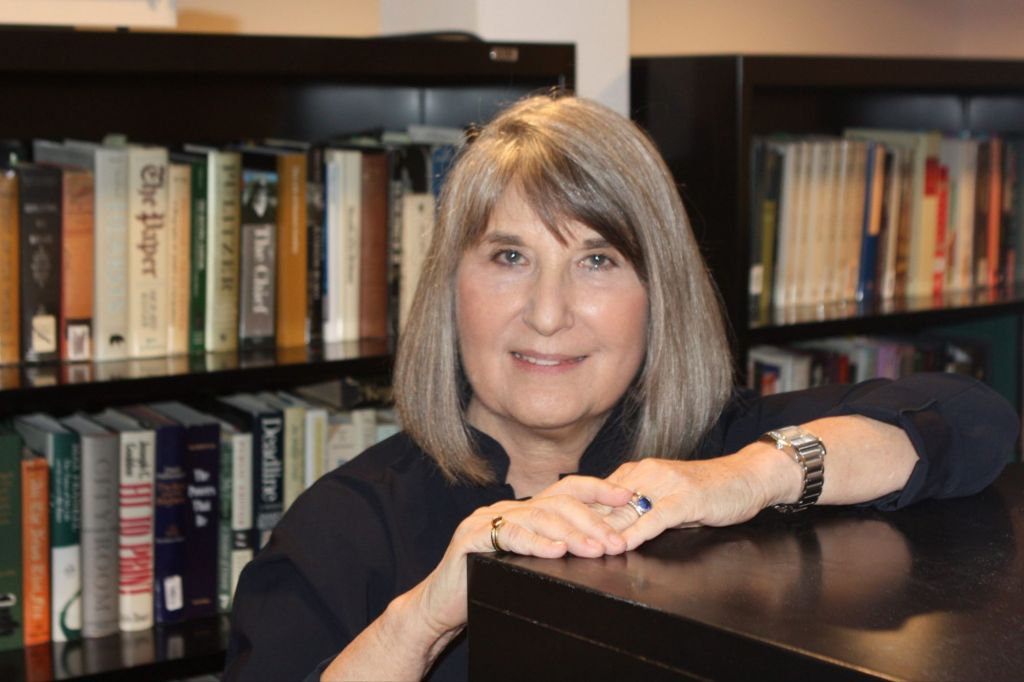
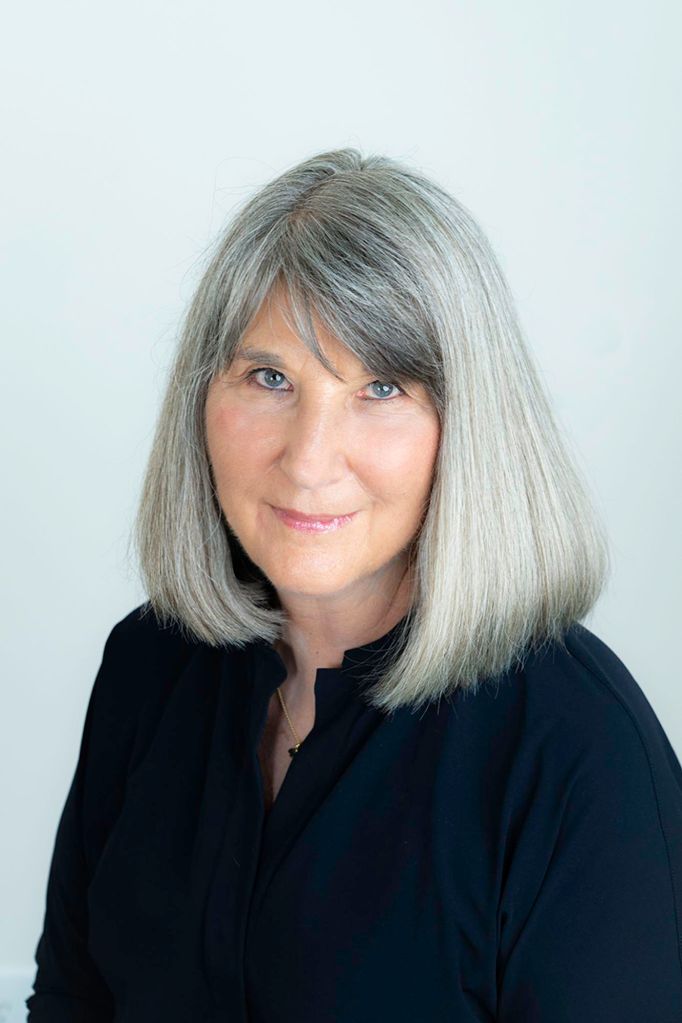
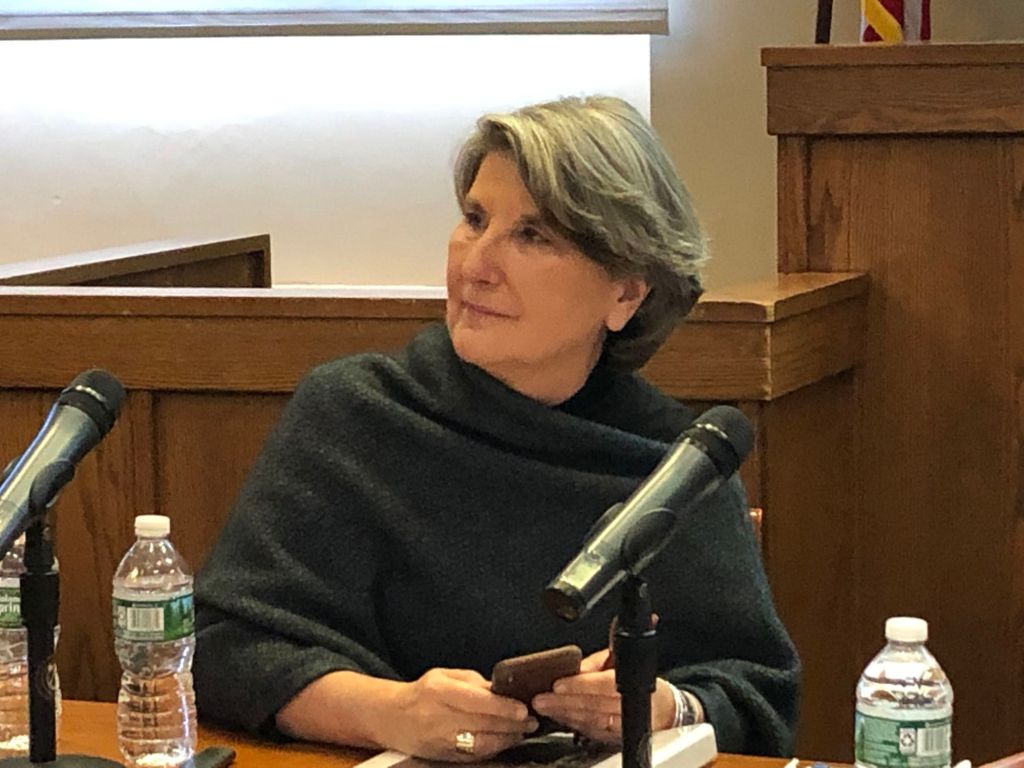



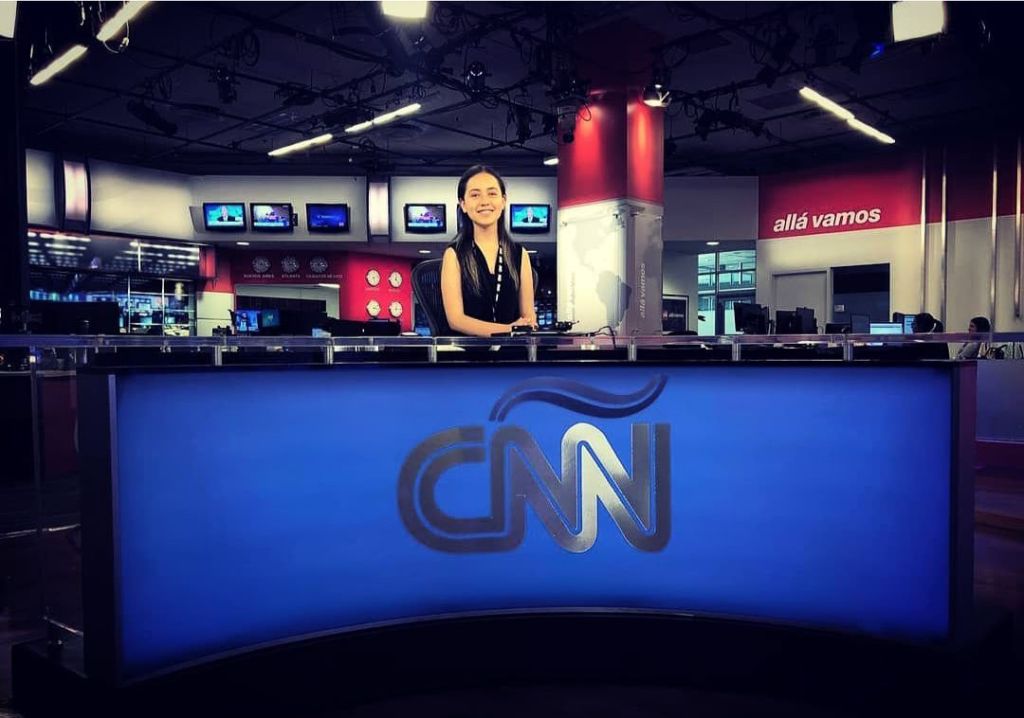


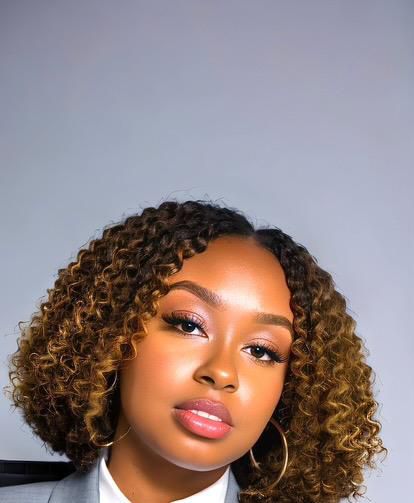


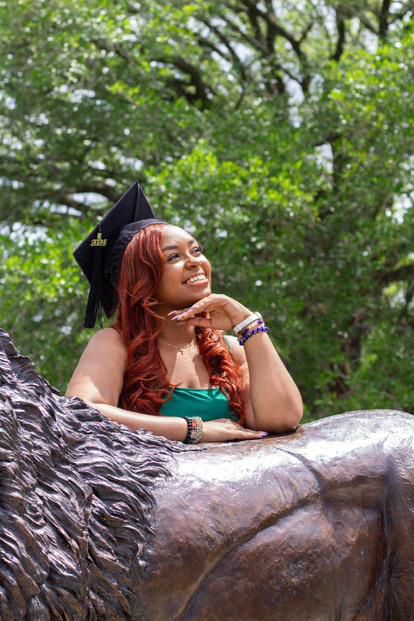

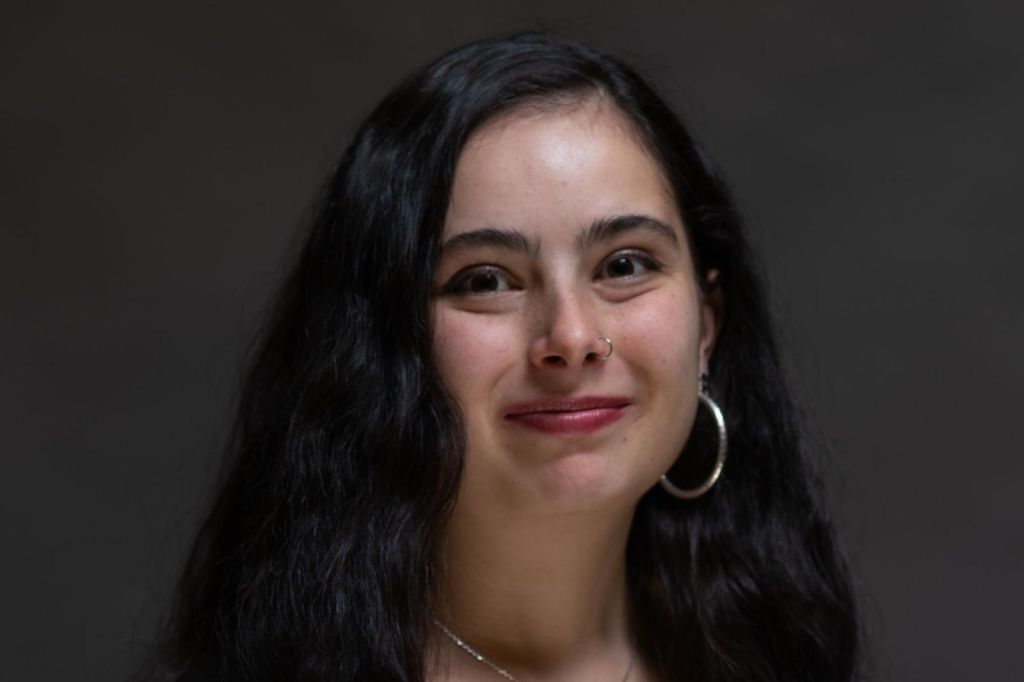
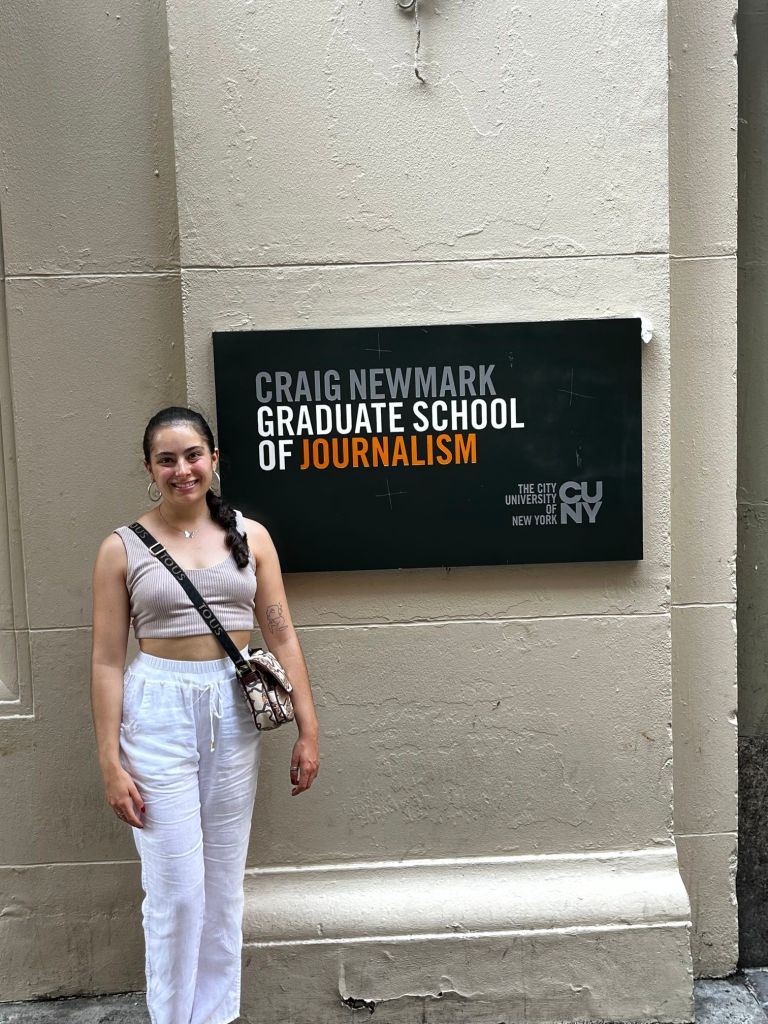
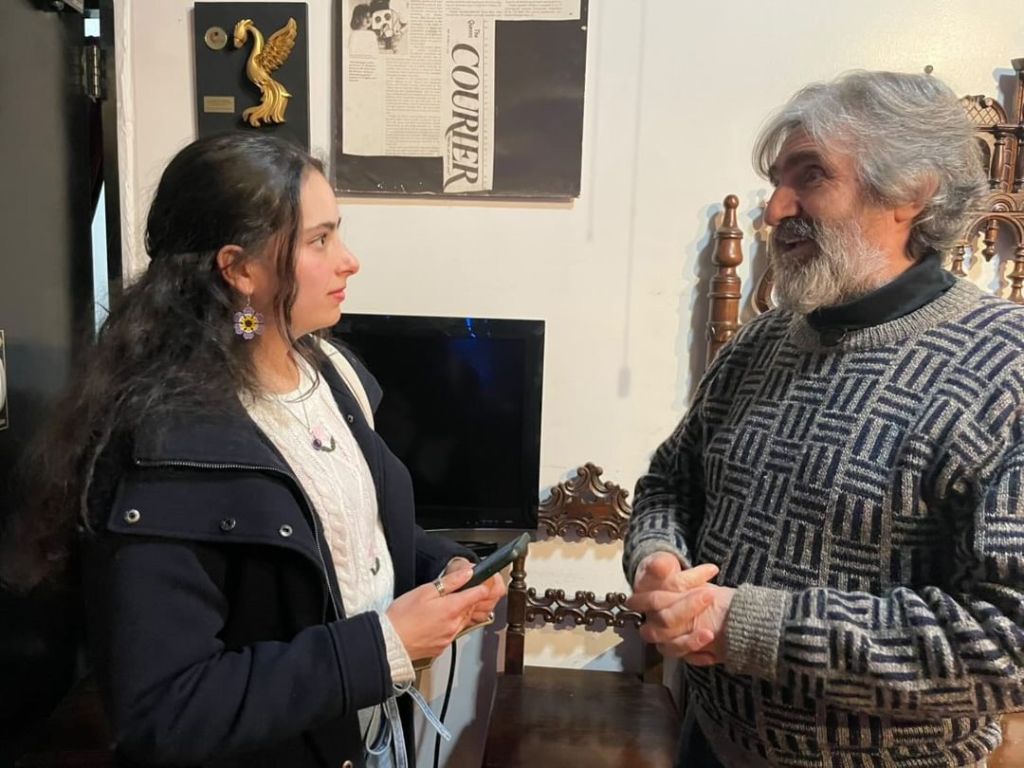

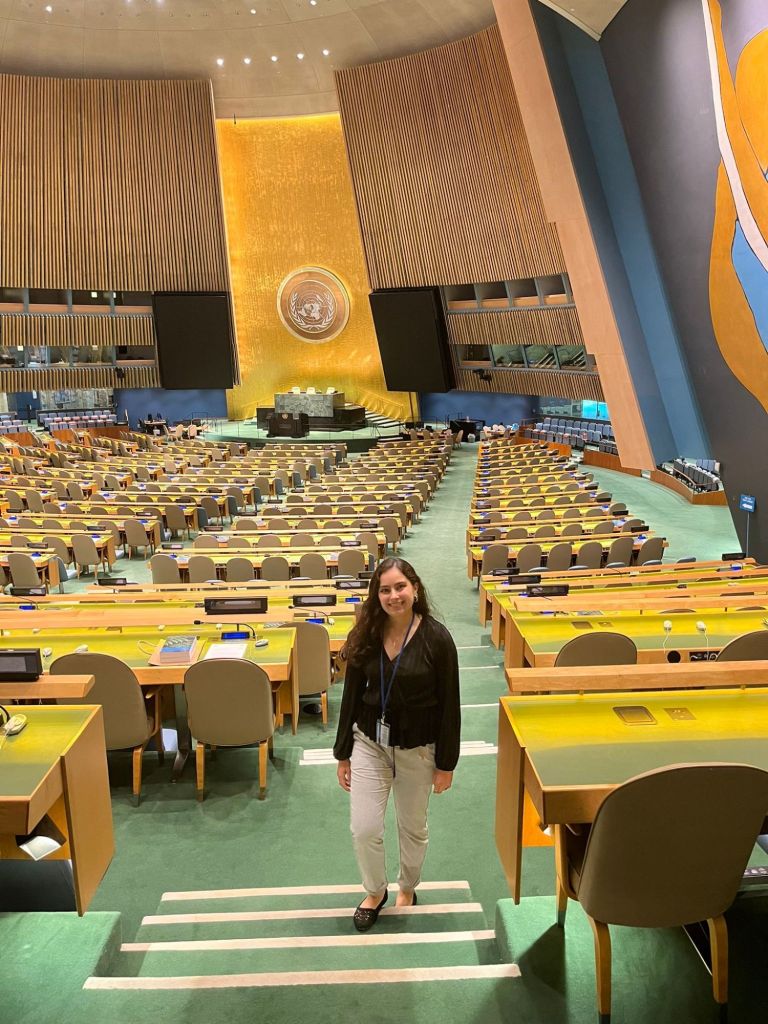

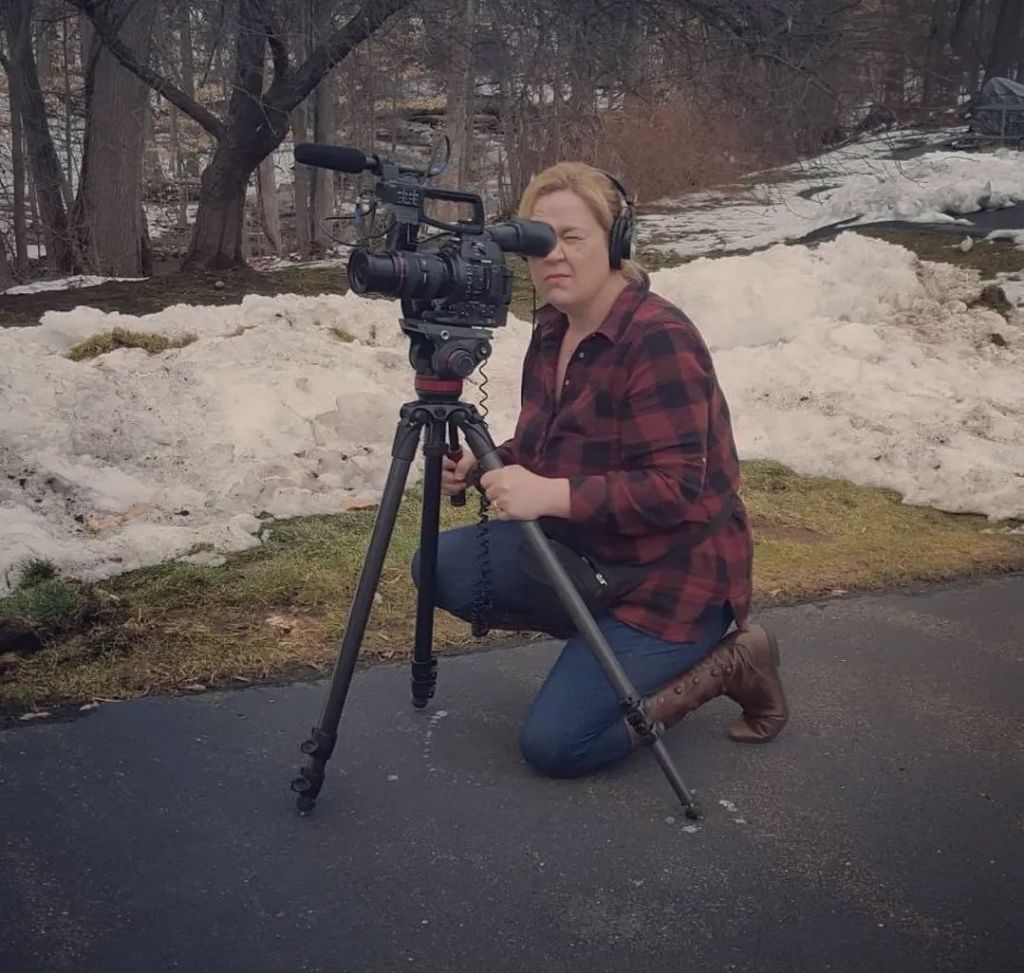
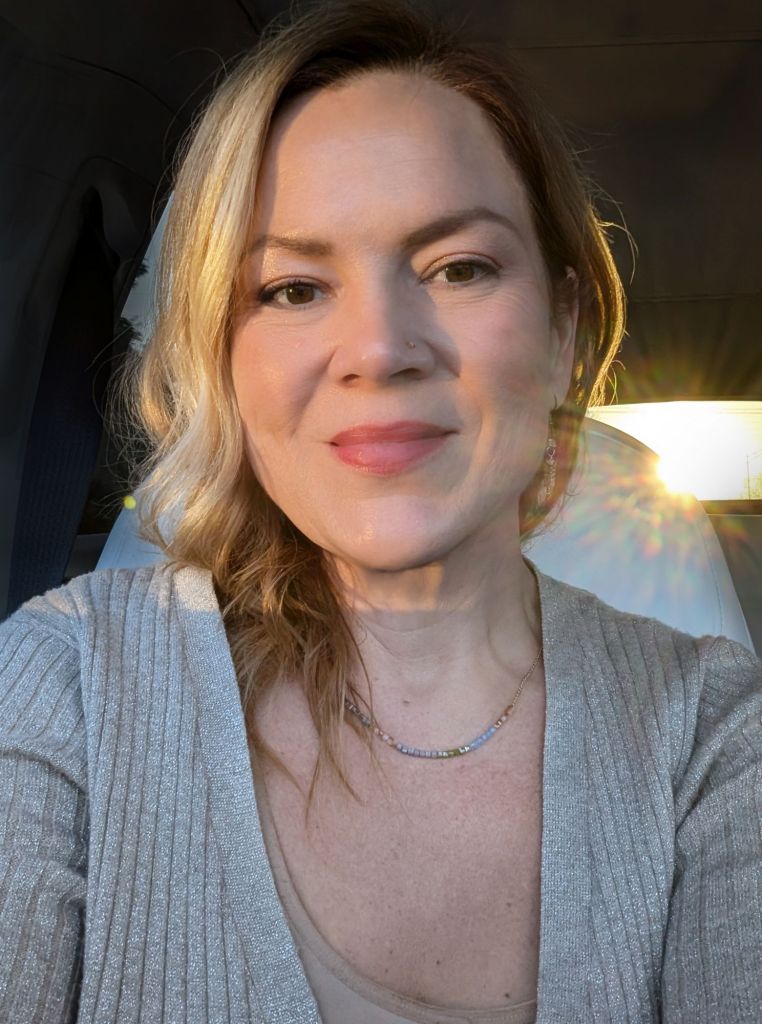

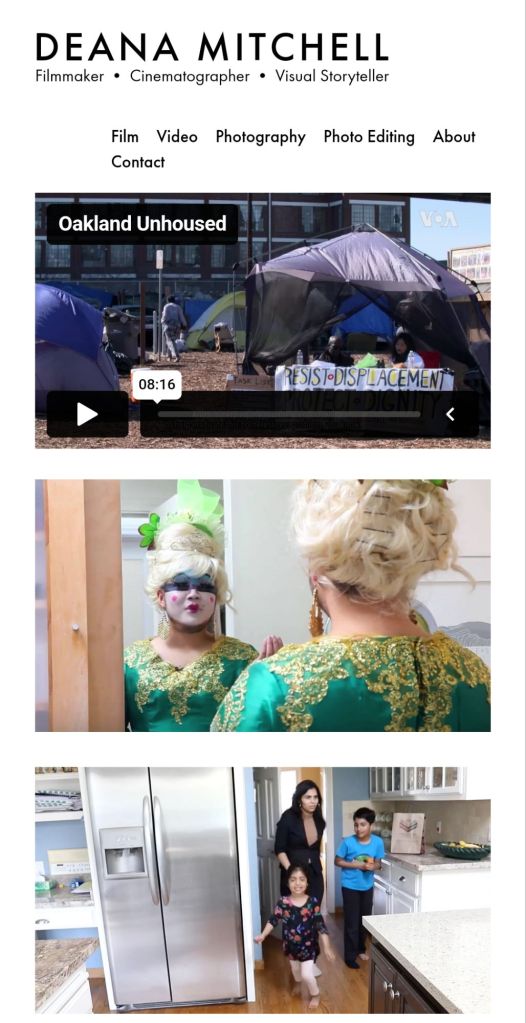



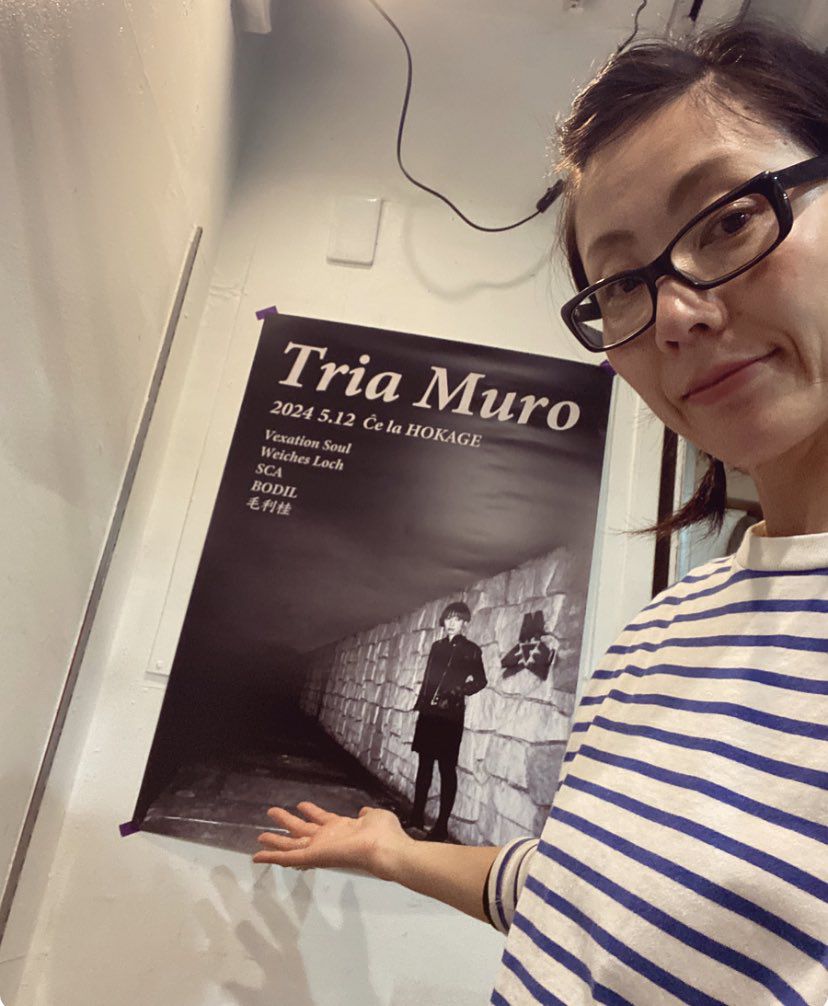
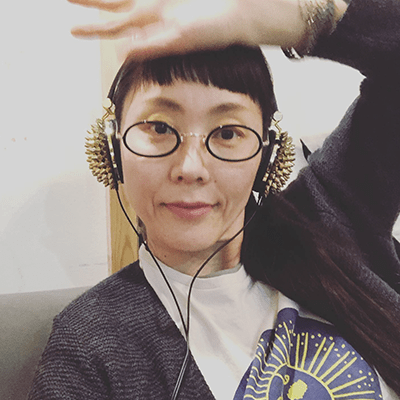
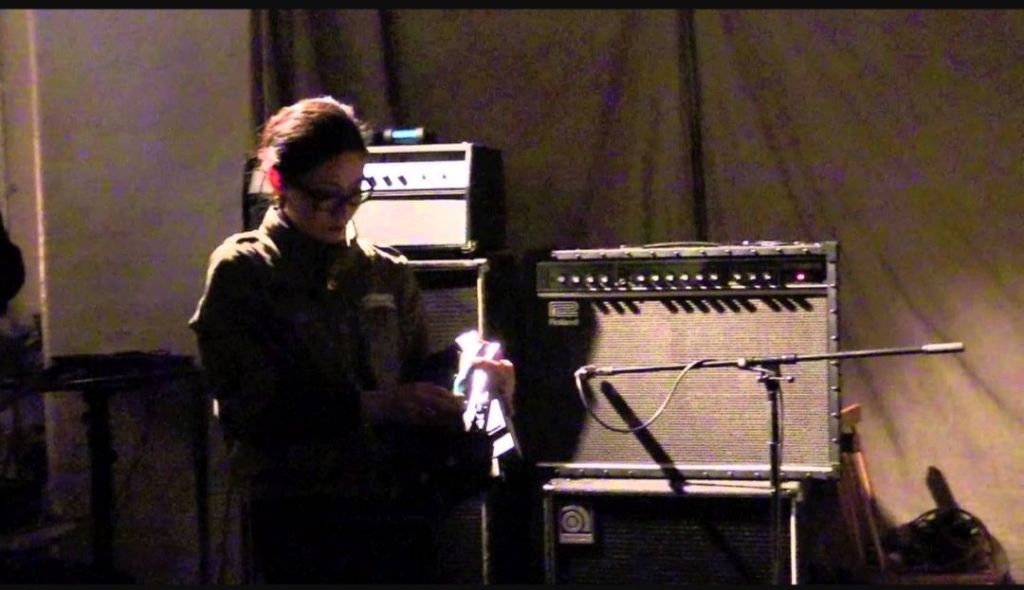
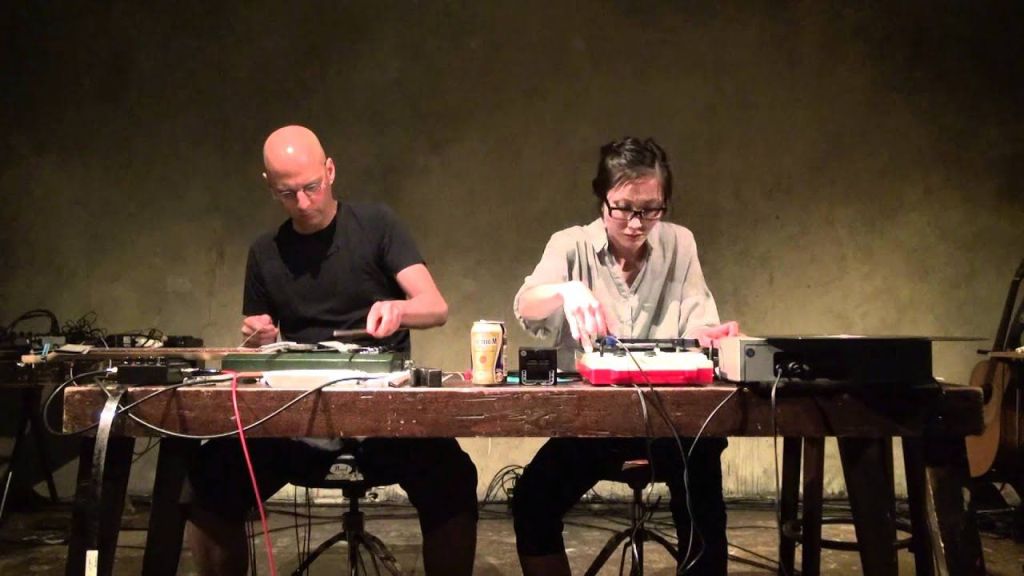
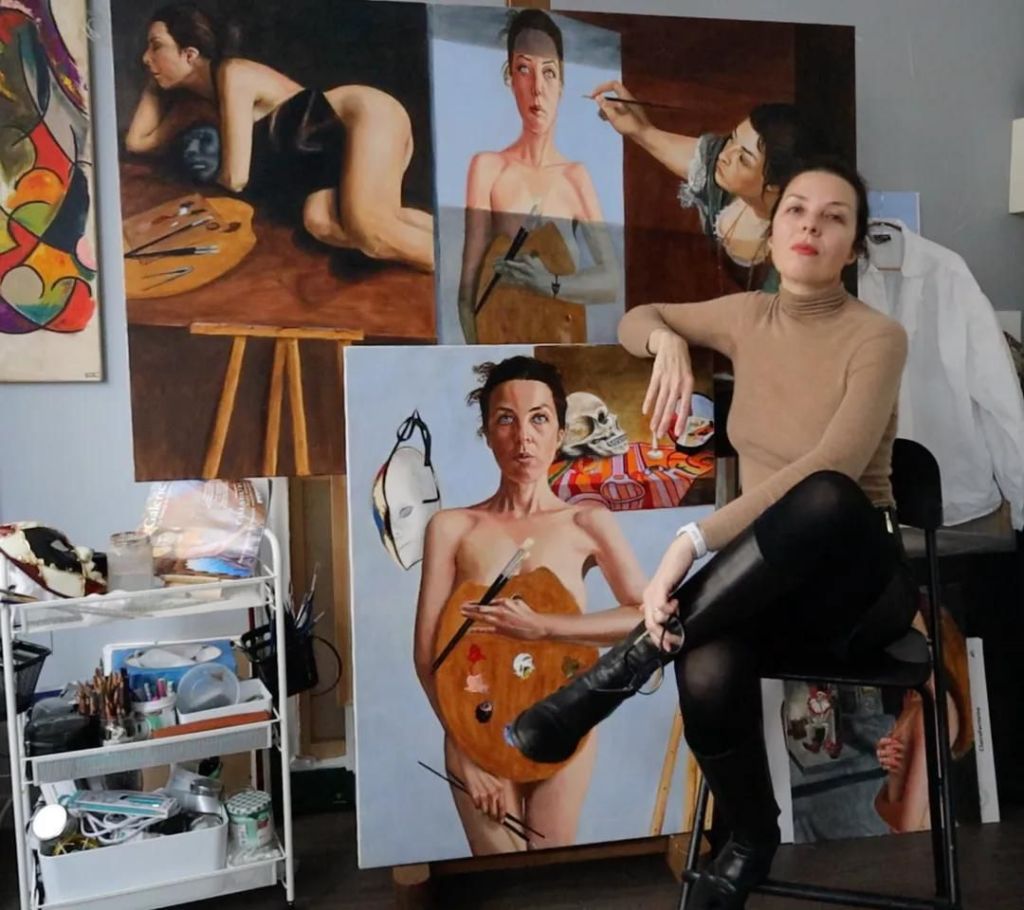

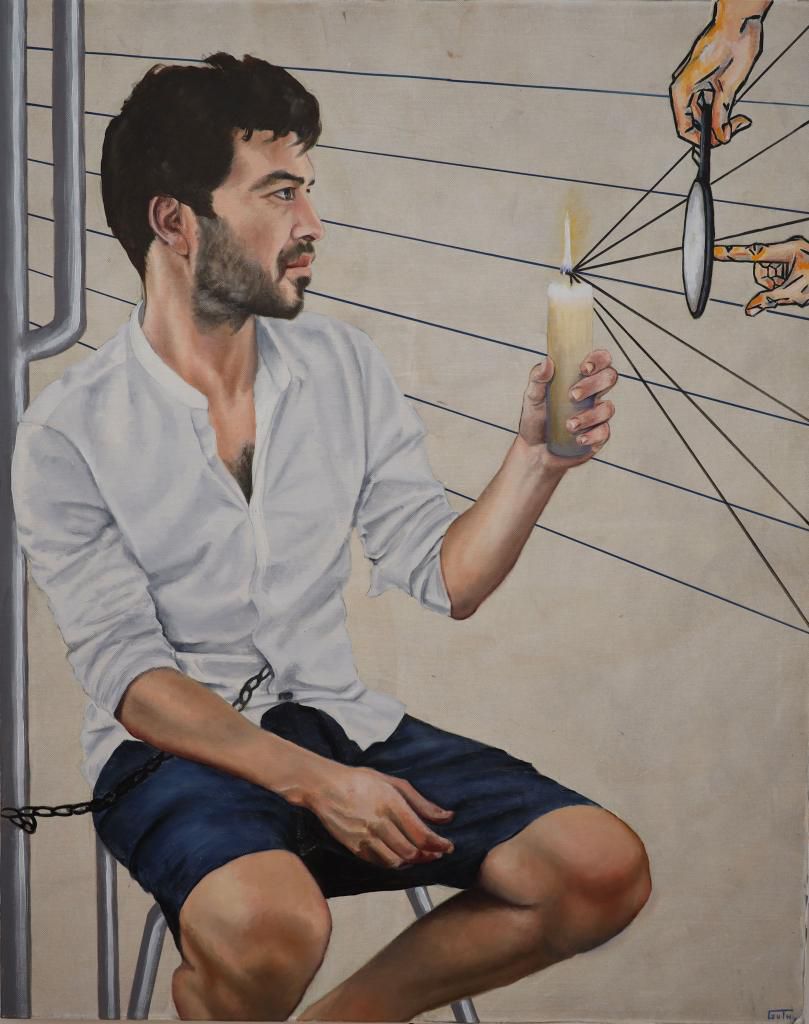

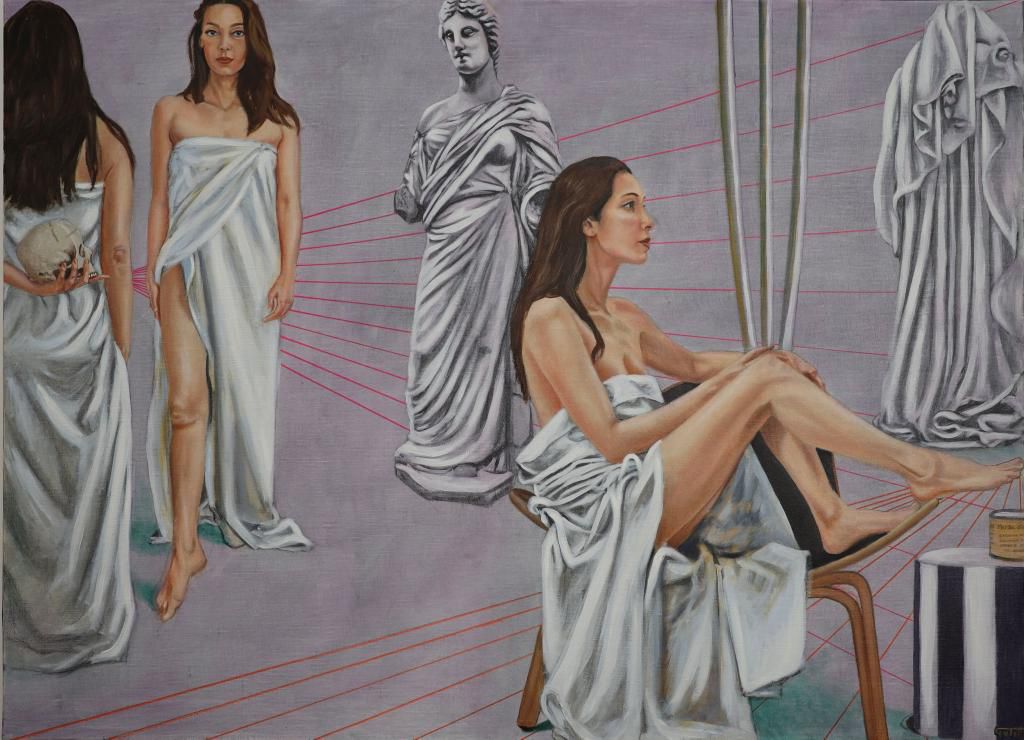


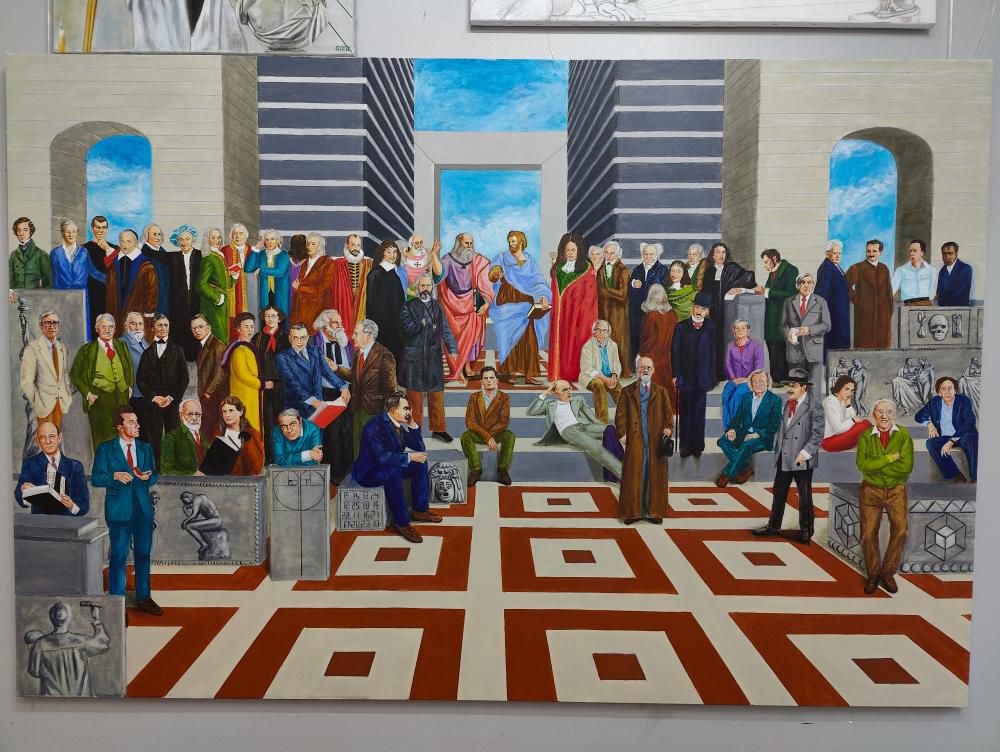


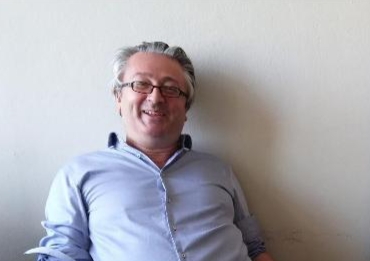
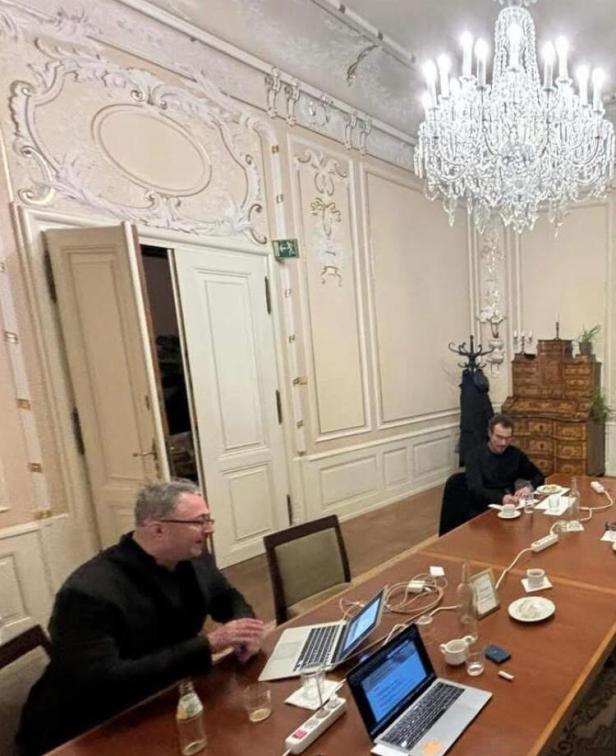
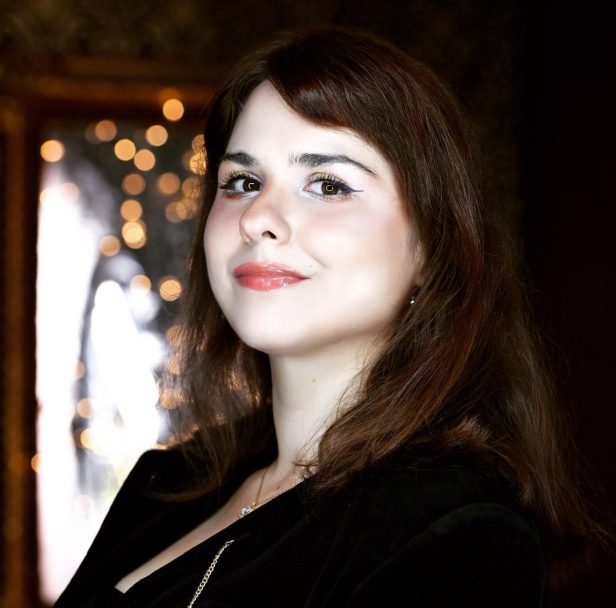
 prcarnetworld.com