What does interior design mean to you? What led you to choose this field? Has your professional identity evolved into a form of self-expression over time?
I’ve always felt that my mind sits at the intersection of the scientific and the creative, and I was searching for a field that could connect both. It led me to architecture. I started observing buildings more, sketching them, and it became a source of inspiration. This field requires a deep respect for knowledge and structure: you need to understand the rules in order to break them with intention. For me, this is what distinguishes architectural design from other forms of art. When designing a space, I try to weave self-expression with functionality – something I see myself getting better at with experience. I enjoy the process of letting each project become an evolving conversation between these two forces.
How have the cultural landscapes of London, Warsaw, and Palermo influenced your aesthetic approach? In what ways have the textures and architecture of these cities left traces in your spatial compositions?
These cities have significantly shaped my sense of aesthetics. Each of them speaks a different language – through culture, materials, textures, and lifestyles. Together they have broadened my approach to design. After experiencing them, and observing how they each carry this dialogue between self-expression and functionality, I’m taking what inspired me into my own practice.
In London, I worked on high-end renovations of Victorian houses in a conservation area. That experience was about designing contemporary interiors and structures with respect for heritage, and rules, while also engaging with the city’s modern, multicultural identity. I love how each neighbourhood there is unique, letting you get a variety of experiences depending on where you go. Through both my work and my studies at UAL, I learned to approach design in a multidisciplinary way. London sharpened my awareness of sustainability and encouraged me to think beyond conventional solutions, which continues to influence how I shape spaces today.
Warsaw, by contrast, feels more urgent, driven by speed and ambition. My work there was fast-paced, I often created practical yet elevated interiors for new developments or the renovation of post-Soviet buildings. The city’s landscape reflects this duality. It has also transformed in recent years into a place of growing international appeal. It was surprising but now I find this ongoing change very inspiring.
Palermo offered me a completely different perspective. At first, its apparent chaos felt like the opposite of Warsaw’s order, but over time I learned to embrace its rhythms. I love its nature and vibrant streets. What stands out to me is the strong sense of community and the openness of the people. The architecture here is a unique mix of different styles, particularly Arab and Norman influences. In interior design, I notice an appreciation for vintage pieces, art, and natural materials, often nicely incorporated into contemporary spaces. I find this, along with the city’s ability to slow down and remain present, deeply inspiring.
I’m excited to continue bringing these influences into my future projects.
Which emotion or conceptual theme influences your design process the most? How do concepts like melancholy, belonging, memory, or calmness manifest in your interior projects?
It’s a beautiful, and also difficult question. In my final project at university, I explored the idea of designing experiences rather than just spaces through sensory pods – each designed with a focus on one sense, to bring calmness as a response to a problem of overstimulation in public spaces. That research showed me how much design can go beyond appearance: it can become a multisensory experience that shapes memory, emotion, and well-being.
I carry this thinking into my work, where I try to design not just spaces that function well or look beautiful, but spaces that people can truly dwell in, places that resonate with intimacy, belonging, calmness. Gaston Bachelard in his book “The poetics of space” describes a home as a shelter for the most intimate parts of our identity. It’s important to have that in mind when designing interiors people will live in but also very exciting to take part in creating this unique atmosphere.
How do you connect photography, portraiture, and visual storytelling with your practice in interior design? Are there moments when a frame, a body, or a certain light gives you an idea for a new spatial arrangement?
I believe exploring various media of art helps in finding your personal voice. It shapes creativity, stimulates the senses to form new concepts, and pushes boundaries. In my practice, I always think about the user’s experience. I love lighting design, as it has a huge influence on the final atmosphere of a space. I observe my surroundings and get inspired by reflections of light, shifting shadows, colours, and the movement of sunlight. Working with photography and portraiture also taught me about framing and perspective, how even small shifts can completely change a composition. It showed me the importance of moving between attention to detail and the ability to step back and see the whole picture.
How do digitalization, social media, and algorithmic visibility affect your creative process? Do you find this transformation exciting and full of potential, or do you see it as limiting in certain ways?
It’s an interesting phenomenon. On one hand, it can be limiting as certain styles go viral and quickly become trends, which makes it feel safer to follow rather than question them. However, I’ve noticed that what resonates with me more and what gains more meaningful recognition, is staying true to your own voice. Not being afraid to stand out creates a stronger connection with your audience – that’s what I’m currently working on. By embracing individuality, it becomes easier to attract clients who are drawn to your unique perception of space. For me, the dream is to be recognised for my own design style, and to work with clients who choose me precisely for that reason.
Do you have a dream project you’d like to realize in the future? Are you excited by the idea of creating not just interiors, but immersive spaces that speak to emotions and memory?
I’m at a stage now where, after gathering many different experiences, I always carry new ideas in my head. While I don’t have a single defined concept yet, I’ve long dreamed of creating a space where people can connect, build community, and support local artists – while also making a positive impact on people and the planet. At different times this vision has taken the form of a café, a speakeasy with an art gallery, or something in between. Although it’s not my main focus right now, it’s always there in the background as an open possibility. So yes, I’m definitely excited by the idea and maybe one day you can all step into that space and experience it with me 🙂
Interview Series: “The Ecology of Narrative Between Writing and Nature”
You mentioned that Fallout was the result of a nine-year-long effort. Which phase of this process was the most challenging for you?
I didn’t write it in one pass. It was a process of starting and stopping as the ideas unfolded, and I made time in between my work and childrearing. I think the hardest part was figuring out how I was going to bring the story to a satisfying conclusion without being predictable, or too complicated or stretching plausibility.
How did you craft the psychological connection between Justine’s involvement with the eco-anarchist group and the loss of her child?
The character of Justine already has a connection to the eco-anarchist group before the loss of her child, but it seemed to clear to me that as a character who has suffered her worst fear and greatest loss, she now has “nothing to lose” in a sense. So it made sense that she is now freed in a new way to pursue this group that takes huge risks in pursuit of their goals. But it’s all, in its own way, a part of her avoiding her grief. The book is essentially trying to get her to face that grief.
The novel questions the “dirty” decisions that environmental movements sometimes must make. Do you think activism inherently involves such moral grey areas?
I don’t think of activism as requiring moral grey areas, per se—I think of it as answering and addressing the moral gray areas of larger systemic issues and systems of power that dominate. To undermine systems of power of means to “look” morally grey when really it’s that they’re forced to sidestep traditional, societal and even sometimes “legal” means of achieving their ends because they don’t have the power.
What kind of sensitivity did it require to address ecology and motherhood together?
I wrote from my own experiences as a mother (while not one who experienced child loss directly, I could quite easily connect to that feeling), and as someone watching climate change ravage my own state and the World. Where other kinds of “sensitivity” came to play was to make sure I wasn’t representing anyone of a different race or experience in a harmful way, so I engaged a sensitivity reader.
Your nonfiction books, especially Make a Scene and Writing the Intimate Character, focus on scene creation and character depth. Which of these techniques did you particularly try to implement in your novel Fallout?
I’ve written about writing craft and taught writing for over 20 years, so I think I’ve pretty much internalized these concepts now. Thus I’m not “focusing” on these particular techniques as I write—the story is just playing out in my mind. I think, if anything, I’m starting to focus more intentionally at the sentence level lately, however, as I feel I have the others pretty dialed in.
Your upcoming book, The Sound of Story, focuses on voice and tone. What aspects did you pay attention to when crafting character voices in Fallout?
It was important to me that the characters sounded unique, different from one another, particularly my three main co-protagonists, but also the many women of Project Nemesis. So, for example, I made Zoe a little more terse and to the point, and Justine more longwinded, and Hannah to sound like her youthful age. I tried to think about their lexicon and syntax given their experiences and jobs, etc. But I wrote Sound of Story after Fallout (Though I have been teaching courses on the topic).
Your novel highlights issues faced by low-income and Black communities in the context of environmental justice. What motivated you to include this theme in your fiction?
I credit my parents for always caring about justice of all kinds, and for raising me with maybe a little more awareness than the average person in my position. I also credit a lot of activists and writers that I’ve been exposed to over the last say 15-20 years for having really taught me how to fill in gaps in my own white privileged knowledge. But also reading. When you read widely and by people of all ethnicities and life experiences, it hopefully expands your mind to look at the realities of injustice all around us.
What narrative possibilities did writing an ecological crisis story through a journalist character offer you? How do you think a journalist character adds depth to an ecological crisis-themed narrative?
Well, I think writers are always creating ciphers for the experience of being a writer and I am a journalist, though not an investigative one like Justine, so it wasn’t a total stretch. I needed her to be persistent, someone who doesn’t give up easily, who has tenacity and strives for the truth. Journalism worked on several levels. It also gave her a way “in” to a group that otherwise would probably never have accepted her.
How did you maintain long-term creative motivation while writing your novel? Did your book, A Writer’s Guide to Persistence, serve as a guiding resource during this process?
Long term creative motivation is a process of coming back to my writing practice again and again. In in fact, part of what it means to me now (at nearly age 51) to be a writer is that: you start and stop, and start and stop, and sometimes the stopping goes on longer than before, but I have always always returned to it. I think A Writer’s Guide to Persistence was one of the ways I came back to my writing after my son was born (he’s now 17).
You have taught creative writing courses through the University of Oslo and Brown University’s summer program, as well as teaching online classes and keeping the Substack newsletter, Writing In the Pause. How do you discuss novel writing alongside technical writing practices within these platforms? How do they complement each other?
I teach many aspects of novel writing through my classes, and through my writing books. My Substack blog is where I process aspects of writing craft and personal experiences at the same time, hopefully in ways that keeps it from being dull. I like to talk about process almost more than craft these days, because I’ve grown very interested in the different ways we approach writing, and how we can keep ourselves creatively fulfilled even when so many terrible things are going on in the World around us.
In case you would like it, here is my most current bio: Jordan Rosenfeld is author of seven books on the craft of writing including How to Write a Page-Turner, the bestselling Make a Scene, Writing the Intimate Character, A Writer’s Guide to Persistence, Writing Deep Scenes and Write Free. She is also the author of three novels Fallout, Forged in Grace and Women in Red. Jordan’s articles and essays have been published in hundreds of publications, such as The Atlantic, LitHub, The New York Times, The Rumpus, Salon, and Scientific American. She teaches online writing classes and at numerous writing conferences, such as the Writers’ Digest Conference, the San Francisco Writers Conference, and the Redwood Writers Conference. She is a freelance manuscript editor and writing coach, and author of the popular Substack, Writing in the Pause. http://www.jordanrosenfeld.net
Interview Series: “Memory, Representation and Resistance: Thinking Alternative Media Cinematically through Academic Perspectives.”
I. Feminist Art History and Representation
In Differencing the Canon, you propose a feminist re-reading of Western art history. How does this approach challenge traditional ideas about “greatness” and the exclusion of women artists? > [Reference: Differencing the Canon (1999)]
This is a slight misreading of the purpose of my book Differencing the Canon. A canon is the official version of knowledge, and it is official story of Western art that I am challenging Not only does this official story exclude almost all women artists, but it does also so because the issue is structural. The canon is formed to achieve a particular purpose: to establish a mythology of masculine creativity, that is further shaped by racial and geopolitical hierarchies, sexual normativity, and a hierarchy of materials and processes favouring the chosen media used in Western art ( painting and sculpture versus ceramics and cloth).
Firstly, I had to establish what a canon is: a body of accepted knowledge and method for making this knowledge appear to be an unquestioned truth. So, we have to show how the official story of art is constructed both by what it excludes and makes unthinkable and by what it presents as being transparently the sole truth. The title of the book identifies such selectivity, suppression and exclusion as an active ideological process.
Feminist deconstruction of the canon is neither offering an alternative nor trying to include what was systematically excluded. It has to reveal the power systems and their ideologies which naturalize a version one version of knowledge making invisible the ‘politics’ that produce these systematic exclusions and hierarchies of value. Another version of this idea is from British literary critic Raymond Williams who proposed an idea of a ‘selective tradition’ created by scholars that favours the dominant class, and I add, gender and socio-geo-political nations. dominant religions and normative sexualities.
Differencing is a grammatical form— a gerund—of a verb that does not exist in English. To differ is to disagree. To be different is the condition of variety. To difference is my invention of a word that enables me to create a feminist concept. It is drawn from the work of French philosopher Jacques Derrida and his theory of deconstruction, and also indirectly from Michel Foucault. Derrida’s deconstruction is a process that reveals how the ‘the selective tradition’ is created and suppresses certain knowledge and produces a smooth surface that makes any alternative unimaginable. Foucault , writing about the formation of the archive, taught us, however, that what has been made to become invisible has not disappeared. Rather it is folded out of sight. We can open the fold and find that history that was suppressed. So, we are not adding women back into art history. My book exposed how actual history is suppressed through folding some knowledge out of sight or by suppressing historical and social conditions of production or denying the role of ideology: systems of belief and ideas that favour the dominant social groups.
Knowledge of women as artists was folded out of sight, given the massive documentation in history of their constant presence, for the purpose of creating a mythology about the individualism of each artist ( personality, intellect, interests, desires expressed in art: the expressionist thesis of art) in a society in which individualism was granted only to men of certain privileged classes. To exclude artists as women can only happen in societies in which their social and ideological systems have already created a hierarchy amongst human beings on the basis of gender. Gender divisions are no more natural than class divisions or religious divisions.
These are created divisions, and the word woman signifies not a just a person of one type or another. Woman means not-man and the term functions as a negative through which Man comes to signify the only pure type of the human. The canonical denial of artistic and intellectual creativity to women is necessary for men to claim that they alone are the pure human with intellect and creativity. We have to deconstruct the process by which man and woman are not two equal forms of humanity but are an opposition of plus and minus. This is why however many times we put on exhibitions or write books about women artists, we make almost no change, no progress. For 50 years I have watched this happen over and over again and every new exhibition gathers women artists together as ‘rediscoveries’. Differencing the Canon was an analysis of the ideological structure that has in effect defeated our feminist attempts to normalize the creativity of both women and men. Greatness like genius has also been stolen by men for men alone. From a feminist deconstructionist perspective, we are not wanting to select some women for ‘greatness’. We have to develop as curators and art historians and critics ways of seeing their art, ways of interpreting what women in all their diversity and singularity are creating, not because women all share some essential femininity. Each artist-woman is unique as an artist but also is living in a patriarchal, racist, often religiously fundamentalist, capitalist and sexist and heteronormative world. Artists challenge us to see the world differently and from many perspectives. The issue is what art does, what it reveals, what we learn. The art market is not interested in art. It buys and sells brands. Contemporary art world is based on names of artists that become brands for a massive speculative investment market.
Your early work in Vision and Difference critiques how women have historically been portrayed in art. In what ways do these gendered visual patterns continue to influence today’s cultural and visual practices? > [Reference: Vision and Difference (1988)]
Let me make another small correction. Vision & Difference is a collection of ‘essays’ addressed to Art History, the academic discipline that studies art while the essays challenge the story that Art History has made canonical: the only authorized version of art and its histories. The essays are also about studying art as representation: that means not as the individual expression of one artist’s imagination. Representation means that all artists participate in a cultural activity in which there are traditions of visual representation and also patterns of ideological meanings that these representations have affirmed or sometimes contested and even changed.
Whose interests have the visual arts served? What visions of the world and how it is ordered have the visual arts produced by means of signs, materials, media, scales, locations. Whose vision of world has dominated, become normal? We know in the past the powerful rulers, religious leaders, ruling classes commissioned artists to make works for the purposes of confirming the vision of the world of the powerful. This is why the central essay in this book is ‘Modernity and the Spaces of Femininity’ which was my feminist conversation with and challenge to the social historian of art, T J Clark, who had transformed my understanding of 19th century French art by focusing on the significance the new metropolis and its new urban culture.
My question was: what does the modern city mean for women of different classes. The bourgeois women do not work but can go to the park, go shopping, drive around in carriages, or go to the theatre. Working class women are exposed in their often-visible work to predatory sexual exploitation by the men of the leisured classes. So, I analysed which spaces of the city the men and women involved in creating Impressionism, an egalitarian independent art society with both women and men artists involved in its creation, chose to paint and how.
I then asked myself if I can discern a difference in the space they chose and the way they represented women in these spaces. Thus, I introduced the idea of the gaze, developed in film theory. Who is looking at whom? Who is being subjected to a sexualizing gaze? How did Mary Cassatt and Berthe Morisot not only reveal the pressure of the masculine heterosexual gaze in public places but also represent the mutual gazing between women, or between adults and children? This is another earlier example of differencing the canon of Impressionist painting and revealing that the division between what artist-men and artist-women represented was not public space versus private space, but between those parts of the city where men and women of all classes moved about and those spaces where bourgeois men looked at or purchased working class women for sexual reasons.
Does this still happen? In the West, the sexualization of women is even more rampant and normalized in certain cultures overtly or secretly. Why do we think we have made any progress at all when we look at the major platforms of representation today: social media. It reflects back to us a picture of the dominant imagination. People believe that progress will happen. Being a structuralist feminist, I do not hope. I analyse the systems of representation and the social systems and their ideologies. We appear to have forgotten these terms and these modes of deconstructive analysis. Representation of women has deteriorated and with social media, and beyond on the dark web, the brutalization and dehumanizing sexual abuse of women is beyond horror. Given that one woman is killed every 40 minutes world-wide by a partner or family member, we must stop believing childishly in automatic progress and start naming patriarchal and phallocentric systems that produce ‘men’ as beings who believe they have rights—including to life—over women and ‘women’ who accept that this is normal. I see very little evidence of any real or systematic change in the representation of women because we have made so little progress to changing this system.
II. Trauma, Memory, and Feminist Aesthetics
In After-affects / After-images, you explore how trauma shapes the experience of art. How can visual art provide a space for processing or representing traumatic experiences? [Reference: After-affects / After-images (2013)]
My argument in this book is not that traumatic experiences are processed or represented. Neither is possible. The core conclusion of that book is that artists, who have endured horrendous experiences such as famine, near death in genocide, sexual abuse, bereavement, exile and survival of extreme suffering may spend a lifetime of making art to create a formal framework for a possible ‘encounter’ with the trauma which is then transformed aesthetically. This is not about cure or relief. It is about the relations between forms, colours, processes, time, spaces and the potential for this encounter with trauma that was a missed encounter: an event that overwhelmed the psyche’s capacity to process it and left the artist possessed or haunted by a shapeless pressure of an unknown ‘thing’ that occupies her or his psyche without she or he being able to grasp it .
In all the case-studies in the book, I noted that the processing of this shapeless, unknowable pressure of the trauma was not a cathartic event but a matter of a lifetime of creating an aesthetic procedure or structure for a transformation through aesthesis: colour, mark, form, process: some painting, some film making, some sculpture, some video and installation. Each case study needed the most rigorous formal, material, structural analysis of how each artwork did its work. Work in German is Arbeit and Freud chose that word for what the psyche does in processing life events: in his terms the work of mourning, Trauerarbeit, working through: Durcharbeiten. I want to stress the importance of psychoanalytical theory rather than everyday psychology. You will know that I have drawn in this book on the theories proposed by artist and psychoanalytical theorist Bracha L Ettinger who created the term artworking, Kunstarbeit as it were, to propose a specific mechanism for understanding what I was naming aesthetic transformation in which aesthetic is not about the beautiful but about how we, the viewers, are affected by colour, touch, movement, duration, sound: the senses when we experience artworks.
Trauma cannot be a topic or subject matter for art: that would merely represent something as an event. Particularly in the wake of modernist acknowledgement of the autonomous affects of colour, field, medium, temporality, etc. art can be a site for this managed ‘encounter’ with residues of trauma that can also touch and move a spectator not with a topic or sense of specific event, but to compassion and hospitality to suffering.
In Encounters in the Virtual Feminist Museum, you argue that memory is not only personal but also political. How does feminist aesthetics reshape our ways of remembering? [Reference: Encounters in the Virtual Feminist Museum (2007)]
It is not feminist aesthetics that reshapes our way of remembering, it is that aesthetic practices may facilitate new ways of our responding to the encounter with art, as I suggested in the last question. Are there feminist aesthetics? Certainly, there are philosophers who ask questions about the aesthetic experience from feminist perspectives: that is to challenge the masculine as the sole position of such experience or analysis.
Feminist is not an entity but a position of questioning, that is constantly questioning itself. Since women are the majority of the population and the only group who is systematically killed just for being women on a mass scale (femicide is the term for this), attention to the life and dying of women is a preoccupation of feminist thought. This means defining patriarchy as a form of socio-political-economic domination and phallocentrism as the psychological, linguistic and ideological justification of a system of male domination and privilege. Feminist means analysis, deconstruction, contestation of how phallocentric patriarchies intersect with and are integrated with various economic systems such as capitalism or feudalism and with religious-theological-political systems. Feminist is a mode of enquiry and research, not a women’s alternative. Feminist means caring for all oppressed, disadvantaged and suffering minorities including the world’s majority, women and girls. If art and its histories form cultural memory, the canons of art preserve and that justify male domination and hence the violation of the human rights of women and girls whose humanity is diminished and whose lives are put at risk.
My virtual feminist museum is a concept and a device for asking: what would the world be like and what would we as people be like if we encountered in museums those forms and works of art that were oriented to and celebrated life: the preservation of life? Without idealizing women, who are as deformed as men are in their mentalities and ideologies by the phallocentric and patriarchal systems of power, feminist thought and analysis functions as a critical space of resistance and transformation that has to question and challenge itself, to learn from its own blind spots and negotiate its internal differences and potential hierarchies of privilege.
I do not work with feminist aesthetics but what I termed feminist desire: desire for the end of oppressive dehumanizing systems of power, of the kind of greed that is destroying our planet and rendering millions of lives almost unliveable and dehumanized. Rather than worrying about keeping women in their places, we all need to ally to keep the planet alive, and to do so we need feminist thought that names and challenges the basis of inhumanity: which is that one group of humans treat their fellow humans as instruments not people.
In 1972, a French writer, Françoise D’Eaubonne, an art historian, wrote a book titled Feminism or Death. It was the first feminist eco-critical texts linking the fate of nature and the planet to the fate of women… feminism is thus not a specialty for feminists. It is a condition of future existence for the planet and humanity. Can art do some work in this direction? Yes. Must we all deconstruct and denounce patriarchy and phallocentric thinking. Indeed.
III. Visibility, Institutions, and Feminist Curating
What curatorial practices or institutional strategies have you seen succeed in making space for women and other marginalized artists within mainstream art institutions?
Very few, for the reason that the issue is structural and cannot be mended by gestures of mere correction. But we can and must study strategies that propose different models and address the key elements of curation. These are not packaging ‘art’ as an experience for visitors to gain pleasure or acquire cultural capital. Currently museums and galleries, shaped above all by a rampant art market and art fairs where vast amounts of money are being made and from whom they get their funding to make exhibitions and purchase artwork, are not examining alternative models. They are about entertainment, cultural capital and further securing financial investment in objects branded by artist names by giving collectors and foundations that now own lots of works of art the seal of high cultural value.
I used to teach courses on exhibition histories and focused on a history of five DOCUMENTA exhibitions since 1989, a key moment in European history with the fall of the Soviet Union and the Berlin Wall. This was a study of curatorial strategies in this major exhibition of contemporary every five years and its was fascinating since these platforms of the biennials are now the major exhibition form.
In the few exhibitions I have curated, the framework has been conceptual: not just a theme, a period, an artist, a topic. My aim has been to encourage visitors to grasp the relations between the works they encounter and the histories, concerns, traumas, and indeed aesthetic transformations that are being tipped into visibility and aesthetic encounter by artworking. It is not that the art is made a woman, a category, already defined by the hierarchy of value of men versus women. It is the position from which she intervenes into a field of meanings, a pattern of discourses, a conversation about practices and modes of art making. How do these works of art do their work to transform my understanding of the world, my sense even of self, of others, of changing perspectives. My recent exhibition was titled Medium & Memory, and I selected eight artists all of whom have different practices, different concerns, yet all were brilliant transformers of their chose media: painting, video, drawing, collage, photography. All were deep thinkers about their practices. All were very engaged with different kinds of memory: memory of a book that has been read, memory contained in images that we collect and encounter that shape patterns of thought, memories that are missing because political trauma made them beyond imagining and remembering. I try to bridge the worlds of critical social historical feminist art historical writing and the intense issues of the present world through artworks that provoke responses and indeed incite words as we describe what the artwork is doing and how they lead us to discuss issues and concepts.
Medium refers to the great lesson of modernism. Memory addresses the burden we carry from our consciousness of the modern world that we inherit and this fearful, endangered and violent world in which we are now living, with uncertainty and dread. Can we, will we ever create a humanity shared by all and with the living planet on which we depen? Can we come together in thoughtful, ethically sensitive and life-oriented artmaking that is not about speculative profiteering of the very few who having made billions and get richer and richer while people starve, are washed away in floods caused by climate change caused by fossil fuel use, die from heat, or are murdered, as women are with relentless regularity.
Art has been a rich and brilliant site of creative thought in aesthetic languages. I still believe in its criticality. But as you ask me questions about my project over 50 years as a feminist art historian, I am hoping that some memory of what feminism has tried to achieve over 200 years worldwide will survive or even now challenge our complacency as disaster looms even as it has already has destroyed life worlds of many vulnerable peoples.
Feminist is one form of attention to women, certainly, but also to life, a life that is human for all and in being human, knows that we are the ones who must care for this planet or die. Art is not about entertainment, prices, fashion, celebrity or an even earning a living writing about it. It is a uniquely human activity that is called to account for the same responsibility. Often it is already performing that, if only we knew better how to read what it is doing and can do to affect us and change our understanding.
You often reflect on “absence” in dominant art histories. Can absence itself become a meaningful feminist strategy of presence or resistance?
Not at all! Resistance comes through being present, writing, creating, arguing, surviving, persisting. I do not have confidence that the feminist revolution of which I was a part since 1968 is being preserved, fully studied and remembered, understood in all its complexity and intellectual and artistic brilliance. It can become a category, an investment potential. For me it has always been a politics of practice and of knowledge. It is continuing and self-challenging and adapting and learning. The artists are always one-step ahead.
Feminism is now a memory, sometimes presented in distorted and reductive fashion. It has a very long history and dispersed geography. It was never one thing. It is a partner in continuously imagining how we might all live together, all living forms, in dignity and safety from violence and impoverishment of spirit and bodily life. This is very urgent. Those called men and those prepared to be the women that patriarchal cultures design and the violently police must be challenged to realize that this a moment of choice for humanity and life on this planet itself. Capitalism is still a force that has not been tamed for life, and we see this is an obscenity of the divisions of wealth and poverty , greed and indifference on this planet. Feminism, art and thought are partners in this continuing struggle.
Interview Series: Climate Crisis in Cinema: Rewriting the Planet’s Story Through Visual Narratives
Gertrude Conaway Vanderbilt Professor of Cinema & Media Arts Professor of English | German, Russian, and East European Studies Vanderbilt University
Cinema and the Anthropocene
In Inhospitable World, you explore how cinema functions not only as a medium of representation but also as a site of environmental struggle and aesthetic refusal. How do you think cinema—especially narrative cinema—responds to the epistemological and material challenges of the Anthropocene?
Narrative cinema, as opposed to documentary, responds to the Anthropocene in a few different ways. And, of course, much depends on how the Anthropocene is defined as a political and environmental crises, historical phenomenon, and/ or cultural logic. I’ve been interested in narrative films that thematize anthropogenic weather and pointedly artificial environments, on one hand, and others that bring to the fore, as a matter of design, massive infrastructure projects such as mega-dams, highways, big agriculture (to name a few) that have altered, profoundly and at a planetary level, the surface of the earth and the movement of water, animals, and people. There are contemporary narrative films that respond to the Anthropocene thematically by taking up plots about climate change. But there are others that can be more interesting to study that set fictional stories against backdrops in which the forces of the Anthropocene are on display, but not at the forefront of the story.
And we can also study fiction films made in studios, long before the Anthropocene was discovered, that thematize weather and atmosphere as designed or artificially produced rather than naturally given. Sometimes this is obvious in the plotting or a matter of knowing production history. This idea of artificial or anthropogenic weather, “nature,” and world have always been at the center of narrative films where the need to control and reproduce environmental conditions is paramount to efficient production, perhaps especially when, in the film, the effect is supposed to look contingent and natural. In this way, we can see designed environments (including calamitous weather) as an aesthetic practice of cinema that is connected to the cultural forces and impacts that give rise to Anthropocene conditions.
The term “inhospitability” that you foreground resonates with the unlivable conditions of both planetary ecosystems and cinematic spaces. How does this notion help us understand the aesthetic or ethical function of discomfort in environmental film?
Inhospitality is meant to describe a few things. First, it refers to the world of the Anthropocene that is increasingly unlivable to most Holocene life. I focus on the 20 th century and period of the Great Acceleration in which the explosive rise of consumer capitalism and visions of a “good life” in the mostly white western world destroy the environmental conditions on which all life on the planet are predicated. Cinema is complicit with this culture of accumulation.
Historically Hollywood films have advertised images of “the good life” to spectators all over the world to imitate, and cinema is, for the most part, a resource-intensive entertainment in all phases of production, distribution, and exhibition, whether as celluloid projected in the theater or as streaming content. But this also an artform that sheds light on the climate catastrophe. The world we see projected on screen represents and may mirror the one we inhabit. Thus, cinema offers a way of viewing our world at a remove from which we may contemplate the relationship between a pattern of life and the natural resources or petrochemicals that give rise to it.
Second, hospitality speaks to the ethical relationship between guests and hosts, of who welcomes whom. Inhospitality gestures to a refusal of these terms, and not only between people. Hospitality between people presumes that the earth is a home to the lifeforms that have evolved here. The earth’s hospitality is no longer assured. Finally, I am interested in the world of the film and the image. What does it mean to take up residence in an image? Are there forms of environmentally-minded cinema that refuse that invitation? Other films may welcome us to an image where we may not find a place for living in the world.
How might film’s aesthetic choices—such as composition, sound, duration—contribute to either revealing or concealing ecological fragility?
Cinema is an aesthetic arrangement of material that viewers may not otherwise perceive or take the time to notice in the real world, and this goes for a range of phenomena people, animals, places, and environments. Cinema allows us to take another look and have a second or third thought about the things we see and hear; a film may give us a view on the world that exceeds or defamiliarizes human perception and attention. I am among scholars interested in so-called slow cinema, Tsai Ming-liang, Jia Zhang-ke, Kelly Reichart, to name just three directors with environmental attunements and a penchant for long takes that give us time to become absorbed in an image and its sounds and also to become curious about what is beyond the frame. At the same time, cinema may also keep the world and its crises from view. It all depends on who is conceiving of the film, controlling the camera, and making decisions about what film-goers get to see.
Genres and Forms
There is often a tension between mainstream cinema’s spectacular tendencies and its capacity to provoke ecological awareness. Do you believe that popular genres (sci-fi, disaster, thriller) are capable of engaging critically with the Anthropocene—or does this role fall more effectively to experimental or documentary forms?
Big-budget mainstream films may not take the political risks of documentary and experimental films, and so it makes sense to look beyond the cineplex for meaningful work about our climate crisis. But this is also where film criticism intervenes to consider how even seemingly apolitical or banal genre films are saying something worthy of attention. For example, I find the totally banal Geostorm to be kind of interesting as a post-apocalyptic film. The scenario is that the planet’s entire climate system has collapsed and is now regulated through satellites. When we encounter this post- apocalyptic world, however, it is exactly like the pre-apocalyptic world that brought about the catastrophe in the first place; i.e. the current world. Nothing has changed (not that any character remarks on this fact). And, thus, this silly genre film says something about climate catastrophe, a fantasy of geo-engineering, and a desire to maintain the unsustainable the status quo.
Are there particular films, auteurs, or cinematic practices that you believe manage to narrate environmental precarity without reducing it to cliché or moralism?
There are genres that I think of as having an environmental sensitivity if not sensibility. For example, film noir and its attraction to built environments, bad air, and desiccated urban spaces has deep connections to naturalism and pessimism in ways that show how urban worlds built for human life become unlivable for these characters who rarely survive the film. These are low-budget movies, often shot on location, and feature characters who want but who cannot achieve the “good life” of consumer capitalism that is underwriting the Great Acceleration.
How do genre conventions affect how we conceptualize ecological time, space, and agency?
The film historian and theorist Karl Schoonover is currently writing about auteurs like Max Ophüls and Douglas Sirk in terms of their attention to soot and waste (Ophüls) and the byproducts of petroleum—from plastic to make-up—that are everywhere in the mise- en-scene (Sirk). Another film scholar, Nadine Chan, researches the history of colonial cinema in Malayasia. Chan focuses on the relationship between colonial extraction and the educational films made for colonial subjects whose labor is being extracted along with the colony’s raw materials. Cinema both archives this process and participates in the colonial economy. Finally Brian Jacobson’s recent book The Cinema of Extractions considers how the form of early cinema, especially, is parallel to the raw materials and infrastructures on which cinema relies. If there are many early films about trains, to take just one example, it is because trains carry the materials needed for cinema.
Temporality, Scale, and Representation
The Anthropocene demands that we think across scales—geological, planetary, human. What role can cinema play in making “deep time” and slow violence perceptible to audiences who are accustomed to fast-paced storytelling?
No one film or even group of films alone can tackle a crisis that is so totalizing, planetary, and yet uneven in its signs and stresses. One challenge of representing the Anthropocene is that it is not reducible to a singular event so much as a “step change” in socio-economic activity that accumulates in impact and changes quickly in geological- scale time, but slowly in terms of human perception. Films that have attempted explicitly to illustrate the Anthropocene concept or thesis – such as The Anthropocene: The Human Epoch (2018) or Erde (2019)—can be a bit mystifying to viewers not already familiar with the nomenclature. The visual evidence is not always clear in its illustration. But these films do provide a kind of snapshot of resource extraction and resource depletion, the kinds of human labor and modes of living occurring all over the world that have reshaped the planet and changed its chemistry, with attention to those who suffer most to sustain a way of life in the wealthy global North. The films show us the uneven distribution of wealth and risk, and they move between the scales of satellite images of earth down to the microscopic. The scales of space find a rejoinder in strategies of representing deep time through stratigraphic layers of rock or ice. But the data that geologists use to make the case for a new epoch are not always the most compelling material for films (even if the evidence they produce can be breathtaking). There is also the threat of producing a generalized humanity as opposed to a particularized history of exploitation, racialized capitalism, and the uneven impacts of global warming. As numerous historians and anthropologist tell us, there is nothing inevitable about the way our climate culture has developed, and this is also a danger.
In what ways might film temporality challenge anthropocentric or progress-based narrative structures?
As a geological term, the Anthropocene is also a projection into a deep future. It is a concept that concerns not only the place of human history in the context of Earth’s 4.5 billion-year existence; it is also about the trace that human culture will have left on the planet millions and billions of years from now. The very question should have us consider the long legacy of modern industrial culture. What will be nested in the geological strata to announce that people once roamed this earth? Likely not the meaningful archives of literatures, laws, art, film, and history, but plastics, nuclear materials, and so-called “techno-fossils” discarded by wealthy nations in pursuit of an unsustainable, resource intensive, quality of life and an equally destructive and toxic property of war. A few geologists have proposed that the fallout from nuclear testing has already left a distinct mark all over the planet that could be the most distinct trace of the Anthropocene, since many of the radioactive materials are not “naturally” of this Earth. What is likely to remain in the geological record are not the artifacts we hold dear, but the refuse that capitalist culture discards along with the weapons that destroy us all. In its arresting opening scenes, Wall-E (2008) gives us one version of this future: a planet with abundant trash minus humans and all signs of natural life. How does a robot sort the significance of these remains? This will be the task of alien archeologists who visit our planet the deep future.
What dangers exist in making climate stories overly personal (e.g., through individual heroes or family dramas) or too abstract (e.g., anonymous data, satellite imagery)? Can cinema cultivate a collective emotional register—one that resists neoliberal optimism but still affirms the urgency of ecological care?
There are genres that I think of as having an environmental sensitivity if not sensibility. For example, film noir and its attraction to built environments, bad air, and desiccated urban spaces has deep connections to naturalism and pessimism in ways that show how urban worlds built for human life become unlivable for these characters who rarely survive the film.
What ethical obligations arise when filmmakers attempt to visualize planetary scale processes or speculative environmental futures?
It is a challenge to keep all of these data points in mind and hard not to feel utterly full of despair. So, it is important to find important stories of resistance and scenarios of world repair. We learn that our current state of disastrous ecology is not a natural progression of human life on earth, but a consequence of colonial land-grabs and the capitalist bid to turn the earth and many of its people into raw material and profitable commercial resources. Darwin’s Nightmare (2004) explores the ecology of Lake Victoria and the disastrous commercial cultivation of invasive species of Nile Perch in its waters. The trade in perch has led to a neo-colonial economy and massive extinction events in the world’s second largest fresh-water lake. Bacurau (2019) turns the table on who or what counts as an invasive species. Still Life (2006) and This is Not a Burial, It’s a Resurrection (2019) are movies of quiet but powerful protest against state-sponsored mega-dam constructions that force the relocation of everyone in the floodplain and submerge entire cultures under the devastating waters of “development.” There is no way to completely reverse the course of modern industry and rapacious capitalism, but we may glimpse visions of repair. Honeyland (2019) is one such vision where taking only what you need in moderation is the difference between life and death, not only of bee colonies, but of all life on the planet. If Hollywood once projected an image of the good life based on American style consumer capitalism, cinema can now show us a different way of living, a new version of “the good” in light of our entangled and differently endangered lives.
Narrative Language and Ethics
Do you think cinema must cultivate a new narrative grammar in the Anthropocene—one that goes beyond individual agency or resolution?
Cinema, like the Anthropocene by some accounts, is a product of the industrial revolution. The medium’s radical possibilities with regard to space and time are already attuned to the epochal rupture of the Anthropocene. Indeed, I think cinema is one of the best archives of the Anthropocene because it is so fully implicated in the industrial, cultural, racial, and colonial practices that have laid waste to the planet. It is also a medium that can, as I write above, shows us a vision and version of the world without us. How might cinematic ethics be redefined to account for nonhuman entanglements, multispecies justice, or posthuman subjectivity? While much of narrative cinema revolves around people and their psychology, cinema has long been celebrated as an optical medium that, like photography, flattens the ontology between humans, animals, and things, and that may allow us to see a world outside of our ideas and feelings for it. This is a theme in much classical film theory that cinema is a non-human if not post-human artform. By this I do not mean that the cinematic image is neutral. But this possibility for cinema means that it is possible to decenter or even eliminate altogether the human in the frame. There are few films—outside of nature documentaries and experimental films-that do this. But one way to think of film’s role with regard to multi-species justice is to simple look at other creatures, take in their mysteries, their separateness from us, on one hand, and our entanglement with them, on the other.
What risks do filmmakers face when trying to “represent” ecological devastation? Is there a line between visualizing collapse and aestheticizing it?
There is a risk in representing climate change that we see in more mainstream climate fiction and eco-disaster movies, such as The Day after Tomorrow (2004, dir. Roland Emmerich), The Road (2009, dir. John Hillcoat), and the Mad Max franchise. These are movies that frighten or distress us with the future loss of a familiar world and homey habitat: a projected future without nature. Rather than push us to reorder the status quo, they threaten with scenarios of its withdrawal. Rather than opening a portal to a new, and hopefully more just world, such dystopic projections want us to want things as they are, to prevent the current world from changing or disappearing. These films make us worry more about the big storm or unnamed event that wipes out the contemporary world. Some eco-disaster movies may even prevent us from seeing that the current state of the world – our giant coastal cities, monocrop agriculture, fossil-fueled mobility – is itself the environmental catastrophe.
Emotions and Audiences
Climate narratives often rely on affect—fear, hope, grief—to mobilize audiences. In your view, what role should emotion play in ecological cinema?
E. Anne Kaplan has written about how climate disaster movies can prompt a form of pre- traumatic stress. These are symptoms viewers suffer not from the violent past, but, proleptically, from the future as it is envisioned on film. In immersive and alarming detail, these eco-disaster movies confront us with a version of a future human subject in motivate viewers to prevent that future ecological collapse, they also keep the emergency in the present from view. As I write above, the petro-cultures and habits of global North consumerism (these are shorthand terms for larger and historically longer phenomena) are the catastrophes. An alternative to this narrative tendency may be found (to provide just one example) in the films of Tsai Ming-liang, a master auteur for the Anthropocene, and not only because he features inclement weather, failing infrastructure, and epidemiological emergencies in his films (I have written about Tsai’s work in the edited collection What is Film Good For?). Tsai’s queer narrative arcs and long-take slow cinema reveal characters living in a post-apocalyptic world of the present. The catastrophe has arrived, and its effects are already felt, especially by those living on the economic and social margins of Taipei and Kuala Lumpur. Lingering with these people who hardly speak—they convey themselves by the way they walk, gesture, cough, eat—we come to care for them and the conditions that render their world unlivable. Rather that mourn the loss of the world to come, his films may bid us to pause and to consider leaving behind all that was already unwelcoming to these characters, a world we should not want to preserve or carry with us beyond the catastrophes of our current moment.
What dangers exist in making climate stories overly personal (e.g., through individual heroes or family dramas) or too abstract (e.g., anonymous data, satellite imagery)? Can cinema cultivate a collective emotional register—one that resists neoliberal optimism but still affirms the urgency of ecological care?
I think long form documentary, for those with the patience to watch it, can be such a powerful re-set. One film I especially admire is Frederick Wiseman’s Zoo (1993). Today we are in the midst of what several researchers label the Sixth Mass Extinction. Half of the species on Earth are experiencing rapid population declines as a result of human activities, or what one 2023 study in Biological Reviews calls “Anthropocene defaunation.” Zoos and national parks are the few places designated for animal welfare and species management. Wiseman’s observational documentary takes place in the Miami Zoo, celebrated for its new, more natural habitats and limited use of cages. We learn about complex care for animals, the artifice of their surroundings, and the curious ways that wild, domestic, and feral animals are labeled and handled. As an enclosure separated from the rest of the city or the natural world, the zoo resembles a theme park and a film studio. It is as if each species of animal has its own fake backdrop. Wiseman takes us behind the scenes of this institution, which is the last refuge for many species. I find this film deeply sad and, at the same time, so frank about the conditions of animals and humans living in a second nature. It made me curious about scenarios of re-wilding, on one hand, and the ways that nature, animals, and people are partitioned and, in many ways, lonely.
1. Entering Journalism and Professional Experience
How did you first get involved in journalism?
My high school in Vermont was a student news bureau.
Was there a pivotal moment that inspired you to pursue this path?
I used to watch the local news with my dad every evening.
Having worked at outlets such as Fox News, CBS News, Reuters, and CoinDesk, how have these different experiences shaped your perspective on journalistic practices?
These different experiences showed me how universal newsrooms can be: same shit; sifferent newsroom.
2. Digital Media and Storytelling
In your view, how have digital platforms transformed the way we tell stories in journalism?
Every new method of storytelling gets journalism closer to telling the truth: from oral communication to TV news and digital platforms.
What do you think is the most critical element for a story to be impactful in a digital environment?
Know who you are speaking to and decide the audience you wish to engage.
3. Education and the New Generation of Journalists
You teach a course titled “Journalism and the Machine” at The New School. What core issues or themes do you focus on in that course?
I focus on technology and its influence on the journalism industry.
What skills or competencies do you find most important to instill in emerging journalists today?
Storytelling: it’s more important than learning any emerging journalism technology.
4. Women Journalists and Representation
Could you share more about your work with the Women Do News project?
I promote digital gender equality by writing Wikipedia articles for women journalists.
How would you describe the key challenges women journalists face in terms of visibility in digital spaces?
Digital gender inequality stems from a systematic devaluing of women in all industries.
5. Wikimedia Activism
What kind of content do you produce through your collaboration with Wikimedia NYC, and what kind of impact do you aim to achieve?
My journalism career helped me identify key news influencers to speak on panels at Wikimedia events.
How does open access to knowledge intersect with journalism today?
Journalism is the underlying source code of the open knowledge movement. One is not possible without the other.
6. Ethics and Editorial Principles
Have you encountered ethical dilemmas while working in different newsrooms? If so, how did you approach them?
Yes, I don’t approve of any work done without a livable wage and healthcare; it is a herculean task to find such work in newsrooms.
How do you prioritize ethical principles when developing content strategies?
A content strategy is most effective when it is developed with clear ethical principles outlined beforehand.
7. Future of Journalism
What are your thoughts on the growing impact of AI and algorithms in journalism?
Journalism pivoted to other tech hype in the past: AI is just the current tech obsession.
How do you envision journalism evolving in the next decade?
THE EVOLUTION OF DIGITAL ART AND THE ROLE OF CULTURA INQUIETA
What has been the most impactful transformation you’ve witnessed in the development of Cultura Inquieta as a digital platform for culture and art?
Seeing how Cultura Inquieta has become a community—growing larger and more emotionally connected—has been the most impactful transformation. We don’t just share art, we share sensitivity, conversations, doubts, beauty, and critical thinking. We’ve learned to listen as much as we publish, and that has allowed the platform to evolve with a soul of its own.
How has the way people connect with art changed through digital platforms?
The connection is now more immediate. People don’t just consume art—they comment on it, reinterpret it, and share it as part of their identity. It’s become more democratic, more everyday… and also more emotional. There’s a lot of information, a lot of stimuli, but also more opportunities to be creative, to make and share the beauty around us with the rest of the world.
AESTHETICS AND NARRATIVE IN CONTENT CREATION
What aesthetic and narrative elements do you prioritize when creating content for Cultura Inquieta?
Emotion—always. The first thing we look for is something that stirs us. Aesthetically, we value whatever has soul: it can be minimalist or baroque, but it must speak. Narratively, we prioritize the beauty of simplicity, poetry, and honesty. We care about substance, but also about how we tell the story—above all, it must have humanity.
ALGORITMS VS. CREATIVITY
How do you think algorithms affect creativity and originality in digital media?
They’re a double-edged sword. On one hand, they can amplify what we do and connect valuable content with more people. But they also sometimes push us to repeat formulas, to play the game of “what works.”
The key is not to lose our center. At Cultura Inquieta, we ask ourselves: Does this add something? Does it make sense for us to tell this? If the answer is yes, we trust it will find its way, even if the algorithm doesn’t bless it right away.
COMMUNITY ENGAGEMENT AND DIGITAL STRATEGY
What strategies do you use to keep the audience engagement alive and meaningful at Cultura Inquieta?
We talk. We ask questions. We listen. We make those on the other side feel involved. Sometimes it’s with an open question, sometimes with a story we know resonates with all of us. Our commitment is born out of respect: we don’t treat the community as a passive audience, but as a chorus of voices with whom we build something together. And we also leave room for silence—where reflection often takes root.
THE FUTURE OF DIGITAL ART
What trends or directions do you think will shape the future of digital art?
I see art becoming increasingly hybrid, sensory, and participatory. Artificial intelligence, immersive environments, augmented reality… they’re going to change how art is created and experienced. But I also believe the future lies in reclaiming emotion, even in the digital realm: works that challenge us, that make us feel human amidst the code.
PERSONAL CREATIVITY AND SOURCES OF INSPIRATION
What inspires your own creative process? Are there digital platforms, artists, or themes that especially influence you?
I’m inspired by whatever makes me pause. A photograph I can’t stop looking at for no clear reason. A sentence that sticks in my chest. I draw a lot from everyday life: from the silences in a conversation, from the way someone talks about what they love. I’m also inspired by artists who cross disciplines—people who write through music, who paint through words. Digitally, I like platforms that care for both visuals and text equally, like It’s Nice That or Another Magazine. But above all, I’m inspired by the Cultura Inquieta community: what they share, what they comment, what moves them.
ART AND SOCIAL TRANSFORMATION
How do you see Cultura Inquieta’s role in contributing to cultural or social transformation through the public visibility of art?
Cultura Inquieta is a loudspeaker for beauty, but also for justice. We believe art is not only about contemplation—it can also be a form of resistance, of protest, of embrace. Our mission is to shine a light on stories that matter, on artists who give voice to the unspoken. If we can get someone to look at the world with a little more empathy after reading or watching us… then we’re already transforming something.
Is bilingual journalism for you merely a method of communication, or is it also a matter of identity and representation?
Bilingual journalism is deeply tied to my identity. As an Ecuadorian video journalist living in New York, being bilingual allows me to tell stories that often go unheard—stories of people who navigate two languages and two cultures. It’s not just about translating words; it’s about representing lived experiences and ensuring that our communities are accurately portrayed, while also highlighting narratives that are often overlooked.
What role does language play in visual storytelling? How do you develop methods to transcend linguistic boundaries?
Language is essential when connecting with the people you’re interviewing—it helps you understand them better and even relate to their story. But visual storytelling allows us to go beyond words; it becomes a universal language. The power of video lies in showing a story in a way that allows viewers to connect with characters, even if they don’t speak the same language.
What kind of connection do you draw between bilingual journalism and documentary filmmaking?
For me, the two are inseparable and work hand in hand. Documentary gives me the space to explore stories in depth, while bilingual journalism lets me represent my community. Both require trust, empathy, and immersion in the context of the story, as well as connecting with the people involved.
Creating multilingual content requires more than just a technical skill. What kind of ethical or cultural responsibility do you believe it entails?
Regardless of language, I believe it’s essential to stay true to what your sources are saying and to their lived realities. When translating, writing, or editing, I always ask myself: Am I keeping the context intact? Could this harm the person or community involved? Am I portraying them fairly? That ethical responsibility is always present.
When telling stories in different languages, is it more important to remain faithful to the spirit of the language or to universal narrative structures?
I don’t believe there’s a single universal narrative structure. There are many ways to tell a story, and as a storyteller, you need to understand your subject to determine how best to tell it. Every story, character, and context is different. So rather than forcing a formula, I prioritize preserving the spirit and authenticity of the story.
How do you manage the processes of translation and subtitling in your multilingual projects?
If the project is in Spanish, I usually do the translation and subtitling myself. I try to maintain the richness of the language, knowing that some expressions may not directly translate. When working in other languages, it’s important to collaborate with someone who understands the language and can provide an accurate, culturally aware translation.
How does this linguistic diversity affect the global circulation of your stories?
Being bilingual is definitely an advantage—it allows me to collaborate with a wider range of publications and outlets and to shape stories for different audiences. It’s also helped me understand how to tailor storytelling styles based on whom the viewer is.
For you, is documentary filmmaking a transmission of reality or a form of creative reconstruction?
I think it’s both. It’s a transmission of reality, but with your vision as the filmmaker. Documentaries allow for creativity and deeper emotional connection while staying rooted in truth. As long as you’re honest with the facts and the people involved, you can bring in creative elements to strengthen the story—otherwise, it becomes fiction.
When choosing your subjects, do you look for a personal connection, or are you more guided by societal needs?
You need to feel connected to a story to tell it well—not necessarily on a personal level, but emotionally and intellectually. That connection helps you invest the time and care the story deserves. At the same time, I also ask myself: Why this story? Why now? What impact can it have? That’s where societal relevance comes in.
What are some of the most difficult ethical dilemmas you’ve faced during fieldwork?
One challenge is deciding whether to include moments of vulnerability—moments that might make a story more powerful but could leave someone feeling exposed. I ask myself: Is this adding something meaningful, or is it just emotional drama? Another dilemma is knowing when to protect someone’s identity and making sure they understand what it means to be on camera or have their name shared.
Compared to classical cinematic language, how would you define the unique expressive power of documentary?
Documentary is cinema—there’s no doubt about it. It might be less polished sometimes, but the goal is the same: to tell a compelling story that connects with audiences. The difference is that documentary is grounded in real life. There’s room for imperfection, but that doesn’t make it any less powerful or cinematic.
Among your projects so far, which story has impacted you the most, and why?
Two projects stand out. One is a short documentary I made about migrant families from Ecuador who journeyed to New York. It opened my eyes to the reality so many face—not just the struggle to arrive, but the continuous challenges they face even after getting here.
The second is a school documentary I did about a local drag artist in Astoria. It explored themes of family, grief, and chosen community. It helped me discover a world full of resilience and passion, and I learned so much from this artist and their journey.
What themes tend to stand out in your documentaries—such as migration, identity, or social struggles?
I’m drawn to stories about identity, gender, and migration—especially within the Latin community. I find power in stories of people who are finding or rebuilding themselves. Those narratives are deeply human and universally resonant.
What is your process of developing a project—from the moment you first conceive the idea to the final edit?
It varies depending on the project. For short stories, I usually start with a question or something I’m curious about. I research, identify potential sources, and start interviewing. After filming, editing is my favorite part—it’s where everything comes together, like solving a puzzle. For me, it’s the moment where the heart of the story really takes shape.
How has your experience at CNN en Español contributed to your independent projects?
It was my first real experience in journalism, and I see it as my school. It taught me how to structure a story, how to shape it in a way that connects with people. I covered stories from many different communities, which made me even more passionate about storytelling. That experience definitely pushed me toward pursuing documentary filmmaking more seriously.
Starting Your Journalism Career and Sources of Inspiration
What experiences or events in your life had the greatest impact on your decision to start a career in journalism? What motivated you the most when you decided to pursue this field?
I loved writing and I wanted to have a job that allowed me to write as much as I could. But also at that time I was in high school and my History professor asked us to start being aware of the news because Colombia was living a historic moment: the State was going to sign the peace agreement with one of the oldest guerrillas of our country.
I wanted to be a reporter of peace and that somehow encouraged me to pursue my career in journalism.
During your time at Javeriana University studying Social Communication and Literature, what were the most important academic or personal lessons that shaped your journalism career?
Well in the university I started to actually feel disappointed about journalism. I felt journalism in Colombia was struggling, most outlets were financed by large corporations with a lot of political interests. And I saw little to no space to do journalism in a creative way.
So I started to see myself writing fiction and poetry. But I knew I wouldn’t make a living with just my creative writing because I wasn’t still prepared to publish my literary work. However, literature for sure opened my horizons and made me ask myself questions about the form and how the aesthetic part of writing can also be challenged in journalism.
Work on Social Issues and Its Impact
How did your personal passion for critical societal issues such as climate change, health, and gender inequality develop? How did working on these issues affect your career as a journalist?
I think it developed at a very early stage and it was because of two things: my older sister and my high school. My sister was studying Environmental Engineering and wanted to focus her studies in the social part of the environment. She planted a seed of multiple questions in my brain and since that moment I started to care a lot about climate change and the environment. It is also because I come from a country that is mega-biodiverse and I have always loved the nature that surrounded me.
My high school had a class of gender and literature where I started to be more aware about gender inequality and social justice. So when I started my studies in the university, I already had in me an objective of contributing to social justice in whatever I chose to work on in my life. Then, I guess that my studies also guided me through that path, I read a lot of gender, reception, literary and communications theory, as well as philosophy.
What methods have you used to make an impact with your stories on these topics? Particularly in gender equality, what were the biggest challenges you faced when covering such sensitive issues?
I started covering gender as a freelance in a small digital outlet and I tried to talk about topics that I did not see anywhere else at the moment: life feminist motherhood or menstrual disorders. But later, when I worked at Mutante I learn about the power of engagement journalism and how this method can actually amplify the impact of journalistic stories, because they are being useful and interpellating a particular type of person who was seeking for that information.
Now, if we talk about challenges, I would say that finding sources and accessing information. A lot of people experienced the topics I was covering, but they did not want to talk and it is because of social stigmas. Then large corporations, like fertility clinics, like to stay on the safe side, so they rather answer in a polite but incomplete way than respond to your questions.
International Experience and Your Journalism Perspective
How did your experience with the United Nations Environment Programme and the Colombian Consulate in New York transform your approach to journalism? What kind of global perspective did these international platforms offer you?
These experiences changed my approach in journalism significantly. The Consulate helped me connect with the Colombian immigrant community and the needs they had. I was not very aware of the way the community is living and the geopolitical relations behind massive immigration.
Then, UNEP was a place to understand international treaties, public hearings and the international environmental agenda. It helped me to see climate change in a global way, meaning that it showed me the relations of power behind greenhouse gas emissions, food waste and renewable energies. It wasn’t only UNEP as an institution, but the people who were there. Most people were from the Global North and had that kind of approach to the climate emergency, but the Global South has a knowledge that has not been appreciated but is essential for the survival of humanity.
While studying in New York, how did interacting with different cultures shape your understanding of journalism? How do you compare your experiences with the media landscape in Colombia to the global perspective you gained?
In NYC I’ve been covering particularly Latinx communities, and that means I am very exposed to multiple cultures, because Latinxs are not a monolith. So I’ve connected with Peruvians, Mexicans, Hondurans, Venezuelans, Ecuadorians, and of course Colombians. This has showed me that we are very similar, but our national histories are different and that crafts our paths heterogeneously. I see how Latinx people are all classified in the same box, but our culture and life experiences are utterly different. However, there is for sure something that unites us: our region has suffered oppression and colonialism even later than we started being “free nations”.
This approach contrasted with the media landscape in Colombia because in Colombia we mostly cover the national context, and when we cover the international it usually is from the same few countries that call our attention.
Cortazar once said that for him, living in France wasn’t a way to be apart from Argentina, it was actually a tool allowing him to see his country as a whole with perspective and distance. And I feel very much like that.
Digital Media and the Future of Journalism
How do the innovative approaches brought by working in digital media shape the evolution of journalism? What do you think about the impact of digital transformation on media content and audience engagement?
The innovative approaches brought by digital media have fundamentally reshaped journalism, not just in how stories are told, but in how communities are included in the storytelling process. Jeff Jarvis, in A Journalism of Belief and Belonging, argues that journalism’s role isn’t just to inform, but to “build bridges among communities” and “make strangers less strange.” That belief has been central to my work as a journalist who constantly thinks in engagement as an essential part of this craft.
Digital transformation has also allowed journalism to build trust in new ways. When we treat engagement not as a strategy to reach more people, but as a practice to foster community, we deepen the public’s relationship with journalism.
Did your experience at Mutante contribute to establishing your expertise in digital media? What are your thoughts on the impact of digital platforms on the future of journalism?
Digital transformation has opened up new ways to move beyond one-way communication and instead create dynamic, participatory spaces for dialogue. At Mutante I experienced firsthand how digital tools can be used not only to distribute content, but to actively listen to communities and co-create journalism with them. We built our editorial agenda around the real informational needs of our audience, using digital platforms to host conversation communities—safe spaces where people affected by issues like fatphobia or gender inequality could connect, share experiences, and help shape coverage.
This shift has had a profound impact on media content and audience engagement. Stories are no longer just produced for people—they’re created with them. Content becomes more relevant, empathetic, and actionable when it emerges from the lived experiences of the communities it aims to serve. For example, through engagement strategies like newsletters with high open rates, explainer content, and social media conversations, we were able to make complex topics like climate displacement or mental health more accessible and urgent.
Challenges and Opportunities as a Female Journalist
What have been the biggest challenges you’ve faced as a female journalist? How have you overcome these challenges, and how have they influenced your journalism practice?
One of the biggest challenges I’ve faced as a female journalist is navigating the intersection of economic precarity, immigration status, and gendered expectations—especially as a Latina, immigrant woman working in the U.S.
Feminist journalism isn’t just about telling stories—it’s about interrogating the systems that shape people’s lives. At La Papaya, a feminist publication I co-founded, and later at Mutante, I embraced a kind of reporting rooted in radical care, tenderness, and community.
These challenges didn’t just shape what I report on—they shaped how I report. I learned to approach journalism as a tool for both inquiry and empowerment, one that must offer not only critique but pathways for action. At Mutante, this meant pairing investigative stories with community dialogues and support networks. In New York, it’s meant spotlighting immigrant communities through stories that resist reduction to labor or struggle—showing instead how they build joy, resilience, and systems of mutual support.
Ultimately, the challenges I’ve faced have taught me that journalism must make space for both vulnerability and resistance. They’ve pushed me to tell stories that go beyond exposing injustice to also enable hope, healing, and transformation.
What are your thoughts on how women are represented in the media? What steps should be taken within the industry to make more women visible in journalism?
Women are often represented in the media through narrow, stereotypical lenses—either as victims or as exceptional figures who’ve “overcome” adversity, rarely with the full complexity of their identities, contributions, and struggles. This lack of nuance not only flattens our stories, but reinforces systems that make women—especially immigrants, and working-class women—invisible unless their pain is deemed newsworthy.
As a feminist journalist, I believe the problem isn’t just who tells the story, but who gets to be seen as a source of knowledge and power. At outlets like La Papaya and Mutante, I worked to challenge those dynamics by co-creating journalism with women who are usually excluded from traditional narratives—whether they were survivors of obstetric violence, informal workers, or community leaders.
To make more women visible in journalism, the industry needs to go beyond diversifying newsrooms. It needs to value and invest in alternative storytelling methods that center care, collaboration, and community engagement. That includes hiring more women—especially women from marginalized backgrounds—not just as reporters, but as editors, decision-makers, and strategists. It also means rethinking what we consider “newsworthy,” and creating space for stories rooted in lived experience, emotion, and collective knowledge.
Vision for the Future and Career Goals
How do you plan to shape your journalism career in the future? Are there specific projects you’d like to be involved in, and what kind of societal changes do you hope to contribute to through these projects?
I plan to shape my journalism career around the core belief that information is a tool for dignity and transformation—especially for those who have historically been excluded from mainstream narratives. My goal is to create journalism that starts by asking communities what they need, and that turns information into a pathway toward action and justice.
One project I hope to develop is a bilingual, hyperlocal resource hub for Latinx and immigrant communities in New York. Resources exist in the U.S.—like free clinics, subsidized food markets, and language classes— but information about them is fragmented, inaccessible, or simply not reaching the people who need it most.
More broadly, I want to be part of initiatives that challenge dominant narratives about Latinx and immigrant communities—stories that move beyond deficit framing and instead highlight resilience, contributions, and systems of mutual aid. Through community engagement, investigative reporting, and narrative storytelling, I hope to contribute to a media landscape that empowers rather than marginalizes, and that pushes for policies rooted in equity and care.
How do you think the experiences you’ve gained in journalism have transformed into a service to society? What is your personal mission in journalism in both the short and long term?
My experiences in journalism have taught me that storytelling is not just a profession—it’s a public service. From reporting on reproductive justice in Colombia to covering immigrant canners and nostalgia-driven plays in Queens, my work has always aimed to dignify lives often ignored by mainstream media. These stories are not just content—they are windows into systems, tools for empowerment, and sometimes, lifelines.
Living in New York as a Latina immigrant radically reshaped my understanding of identity, visibility, and structural inequality. For the first time, I saw myself racialized—as just another “Hispanic” or “Latina”—in a system that often treats our communities as statistics rather than individuals. This shift fueled a deeper commitment to what Eduardo Galeano called los nadie—the nobodies who don’t appear in history books, who are denied voice, name, and presence. My journalism now strives to rewrite that narrative.
In the short term, my mission is to continue building journalism that centers community needs, provides practical resources, and opens space for dialogue and participation. In the long term, I want to contribute to transforming newsrooms—structurally and culturally—so that they truly reflect the diversity of the people they serve. That includes advocating for more Latinx journalists in leadership roles, creating mentorship pipelines, and championing forms of storytelling that embrace care, complexity, and co-creation.
In your opinion, what is one of the biggest transformations of the journalism profession in the digital age?
I’m still relatively new to the business of news, but I would say the expectation of coming right out of school and landing up immediately on a masthead. Freelance reporting has become such a large part of getting your foot in the door at certain publications It also allows you a freedom to go after stories you might not always get to at a large news organization. It makes a career trajectory sometimes feel less certain, but also allows for more independence in the media landscape.
How do you evaluate the impact of social media on news consumption? What are its advantages and disadvantages compared to traditional journalism?
I used to be more cynical about the fact that a large portion of people get their news from social media. However, after seeing the work of people like Bisan Owda and Motaz Azaiza and their on the ground and award winning reporting from Gaza, I’ve realized how much citizen journalism can not only inform but also tap into communities in a way that traditional media may not always be able to. Even if their coverage is not in traditional news media outlets, they show a tenacity and kindness to the communities they report on that inspires me as an early career journalist.
Readers’ trust in news sources has been shaken. How can we rebuild the credibility of journalism in the digital age?
I think so much of the reason reader’s trust in news sources has been shaken is because there is still a lot of mystery to the business of journalism and how we actually do our jobs. I’ve learned so much about investigative journalism through reading She Said by Meghan Twohey and Jodi Kantor on how they broke the Harvey Weinstein story at The New York Times and really getting a look into their reporting process. I think transparency into our journeys with certain stories can really help build trust and relatability with the public.
Also, so many people feel that journalism and journalists only exist in cities, and really only in the biggest cities at that. So many incredible leaders are working to bring quality journalism to rural and local areas where reporters are going out of their way to reach forgotten communities. I think these publications and initiatives in news deserts can help demystify the work of journalists, and maybe even bring more people with different perspectives to the profession!
What do you think about the impact of algorithms and personalized news feeds on journalism?
I mainly think that algorithmic bias is just something that more people need to be aware of and how it’s affecting the ways we communicate with one another. The amount of times I hear someone give a hot take they think no one has heard before, meanwhile it’s verbatim from something that was in the latest episode of Subway Takes! These algorithms really can make you feel like we’re all living the same existence, being fed the same content. I think encouraging a healthy dose of skepticism about why you are being shown a certain video is something we should be teaching more of.
Journalism, Writing and Artificial Intelligence
How do you interpret the impact of artificial intelligence on the news production and content creation process in journalism?
I feel like most journalists I speak to are still relatively skeptical about relying too heavily on AI – not only for its intelligence impact, but also of that on the environment. That being said, it is being more heavily integrated into all aspects of our business, from hiring to even processing data for stories. Everyone is able to draw their own line, but for me, I always want my creativity to lead the way in my writing process.
What do you think about the use of artificial intelligence-supported tools (ChatGPT, automatic news writing software, etc.) in journalism?
I try to look at AI as a tool that you learn how to use in order to not get left behind. What that often looks like for me is using Otter or Descript to transcribe interviews, or sometimes entering a story I wrote into Chat GPT to help with making a concise pitch to a publication by pulling out the main ideas. Still, I don’t think it has the capability to truly replace journalists, as so much of our work is connecting with people on a human level.
What do you think about the ethical dimensions of AI-supported content? How should the boundary between artificial intelligence writing and human journalism be protected?
While I think that AI can be a tool that we use to make some of the organization process of writing easier, I am wary about ever letting it actually write stories or content for us. It may be able to imitate styles of famous writers or publications, but I don’t think it can ever substitute for intellectual curiosity that is required in human journalism. In my masters program, we’ve learned about AI and how to use it for certain projects, but we still have strict rules about using it to write entire stories. I think news organizations ought to have similar guidelines, and many already do.
Do you think artificial intelligence is a tool that makes journalists’ jobs easier, or is it a threat that changes the nature of the profession?
I think we as journalists need to learn how to use it as a tool so that it doesn’t change the nature of our profession. Sorry if that’s a cop out 🙂 In one of our classes, a friend and I drafted an AI tool called ManiFFFest (the three f’s are For the Freelance Frontier) that would help freelancers figure out where to pitch a story they were working on. The idea was to have the app do the work of pitching, emailing follow ups, etc while you get back to focusing on writing and reporting. Obviously it’s a big dream, but I think AI tools for journalists need to have the real people in mind from their inception.
The Future of Journalism and Writing
What are the biggest challenges for young people who want to be journalists and writers today?
I think one of the layover effects of algorithms and the isolation forced by the Covid-19 pandemic is that it can be harder to develop a unique voice. Weirdly, I think you learn more about what you actually think and your own opinions when you’re in a group with others, discussing ideas and how your opinions may differ. Developing a real sense of community with other writers or creatives is one of the best ways to find your own perspective, which is so critical to stand out in a crowded field.
How will journalism develop in the future? What skills should the new generation of journalists have?
I think in order to survive, journalism needs to embrace diversity in its hiring and perspectives that it promotes. We are in a political climate where tools that fueled segregation are being implemented disturbingly fast. As an industry we need to be prepared to protect the many gains that we have made in being more inclusive of different voices. As a member of the new generation of journalists, I’m trying to develop my skills in adapting to periods of crisis and uncertainty. To me, this means building up your own skills outside of a traditional job and potentially creating your own avenues to success.
How do you evaluate the rise of independent journalism and alternative media platforms?
I’m really curious to see how Substacks from established journalists may totally shift the media landscape in the next five to ten years. What may have started as ways for writers to express their own opinions have become some of the leaders on breaking details from stories that news organizations may not be reporting. Will these Substacks become mini news rooms of their own, breaking news before others can get to it?
I’m also interested to see what happens in the podcast space next. Audio journalism is one of my major interests as I think it can tell stories and engage more listeners in editorial content than ever before. After their crucial influence on the 2024 Presidential election, I’m curious to see if podcasts become even more prominent in delivering news or potentially dwindle from over exposure.
In your opinion, what will be the most important technological developments that shape the future of journalism and writing?
If there is anything that AI could do to really be a net positive in the future, it would be some kind of tool to assist with media literacy, especially for young people. The cutting of funds to the arts and humanities really worries me in terms of the long term effects it will have on dissemination of information and encouragement of creativity. If we teach skills to people at a young age on how to think more critically not just about what they see on the news, but also asking them what they thought of the movie they watched or the song they just listened to, already we are developing smarter individuals who might go on to give new perspectives to the media landscape.
Mouri-san, we know you as an experimental sound artist, but could you tell us more about yourself? Who is Katsura Mouri?
I am a musician and sound artist who performs using toy turntables as musical instruments.
Rather than engaging in conventional turntablism techniques such as scratching or beat juggling, I amplify the hum noise produced by the turntable and perform with it as if it were a musical instrument. This hum noise can be modified through effects processors to create ambient tones or timbres resembling those of a guitar.
In addition to utilizing hum noise, I also amplify sounds picked up by the cartridge, following an approach similar to John Cage’s Cartridge Music. Furthermore, I incorporate circuit bending techniques that manipulate the internal circuitry of the turntable to generate sound.
In recent years, I have also been engaged in the creation of three-dimensional artworks and sound installations that incorporate turntables.
You recently visited Istanbul for Noise Istanbul. Could you share your experience of performing at the Noise Istanbul festival? How did the festival’s atmosphere and audience influence your approach to performance? Additionally, how did you find Istanbul in terms of its cultural and artistic energy? As an experimental sound artist, did you find anything particularly inspiring?
The festival venue was located in the new city district, lined with sophisticated shopping streets. It was a magnificent concert hall housed in a modern European-style building.
I was quite surprised by the number of young people in the festival audience. Some were leaning forward, listening intently, and I could tell that they were genuinely enjoying the music.
At a previous festival where I performed, I was influenced by the audience’s energy, which led to a highly energetic performance on my part. This time, since the audience was deeply engaged in the music, my performance became more focused on sound. While it was not perfect, I believe I was able to deliver a solid performance.
Istanbul was a fascinating city where European and Asian cultures seamlessly merged. One of the most memorable experiences for me was visiting the Blue Mosque. Its beauty and grandeur far exceeded my imagination, and I was instantly captivated. Inside the mosque, some people sat quietly in meditation while others prayed, creating an atmosphere of tranquility that contrasted sharply with the bustling streets outside.
Although the architectural form, scale, and color palette were entirely different, the sense of sacredness and the slow passage of time reminded me of Japanese Zen temples. I once created a three-dimensional artwork based on the theme of Zen, and I feel that my visit to the mosque might inspire me when I next work on a Zen-themed piece.
I found Istanbul to be a remarkable city that embraces and coexists with diverse cultures, including both historical heritage and modern urban life.
A short walk from the city center led to places where one could enjoy nature, and the presence of numerous travelers from around the world reminded me of Kyoto, where I live. This sense of familiarity gave me a strong feeling of connection to the city.
Experimental music often challenges conventional norms. What drives you to continue working in this niche genre? Through your work, what do you hope to communicate or achieve?
As many may already know, experimental music has been shaped by legendary artists such as Pierre Schaeffer, a pioneer of musique concrète, and John Cage, who explored the full potential of experimental sound and influenced countless artists. I, too, have been deeply inspired by them.
I find great joy in exploring how to innovate new and unconventional sounds. Of course, coming up with groundbreaking innovations like John Cage is no easy feat. However, even achieving small innovations brings me immense satisfaction, and that serves as my motivation.
Additionally, when an audience resonates with my work, I feel a profound sense of happiness, which also fuels my drive.
I do not create my works with the intention of conveying a specific message to others. I am simply doing what I love.
There is no set goal or destination in my artistic practice—I am not striving to achieve something specific. I am simply in pursuit of what is fun and interesting.Moving forward, I want to continue exploring the possibilities of the turntable.
What led you to choose experimental music and turntablism as your primary means of expression? Were there any specific moments or influences that shaped this decision?
When I was 19, I was a rather unconventional DJ—so much so that no one could dance to my sets. In fact, some audience members even left the venue.
Around that time, I started working part-time at Parallax Records in Kyoto, where I met a group of people with whom I formed an ensemble that performed with records simultaneously. Rather than following a typical DJ style, we experimented by striking the turntable cartridge, generating scratch noises, and exploring alternative ways to perform with turntables.
After the group disbanded, I found it difficult to transport two Technics SL-1200 turntables and a large collection of records to live venues on my own. This led me to start using toy turntables, which were lightweight and easy to carry. At the same time, I had grown tired of the conventional DJ setup, where the turntables were placed on a table.
Coincidentally, I was really into Jimmy Page at the time, which inspired me to develop a performance style where I held the turntable like a guitarist rather than using it in a traditional DJ manner.
In the collaborative album Various Histories, you explore the fusion of sound textures and soundscapes. Through this collaboration, what have you learned about your artistic identity and the possibilities of experimental music?
For tracks 1 through 4 on this album, I edited and restructured the recordings of our improvised performances. Not just for this project, but in all my works, I compose through a process of re-editing recorded sound. When improvisation is recorded, both the good and the bad elements are captured. By extracting only the best parts and reassembling them, the result can be an entirely new and extraordinary piece that surpasses the original recording.
This album was created by selectively reconstructing the most compelling elements—such as the mechanical noises from Tim Olive’s magnetic pickups, the scratch noises from prepared records, and the drones produced by turntables.
Much like how John Cage used environmental sounds as musical material, I find excitement in treating noise and sound itself as raw material, reconfiguring it with creative intent to transform it into something even greater. Just as environmental sounds are limitless in variation, I see infinite possibilities in the sonic textures and noise generated by musical instruments.
In today’s cultural landscape, why do you think experimental music is important? Do you see it as a means of pushing boundaries, expressing individuality, or responding to social change?
Experimental musicians are, by nature, already highly individualistic simply by constantly challenging new ideas. It goes without saying that experimental music has expanded cultural boundaries—figures like Merce Cunningham and John Cage, who applied chance operations to performance, are prime examples.
However, I believe that not only experimental music but also all forms of culture and art—including visual arts, design, architecture, media, dance, and fashion—are equally important. Engaging with and understanding a wide range of artistic and cultural fields broadens one’s perspective far more than focusing on a single discipline. To adapt to social change, we must be able to respond quickly and flexibly to shifting environments. Understanding experimental music may help eliminate preconceived notions and biases, allowing for a more agile response to various changes.
Recently, emerging technologies such as AI and virtual reality have been gaining attention. AI-driven music production and VR concerts are expanding the possibilities of the future. While it is uncertain how experimental music will be utilized and evolve, I am excited about the transformations that will come with technological advancements. I, too, am eager to continue exploring new challenges in the future.
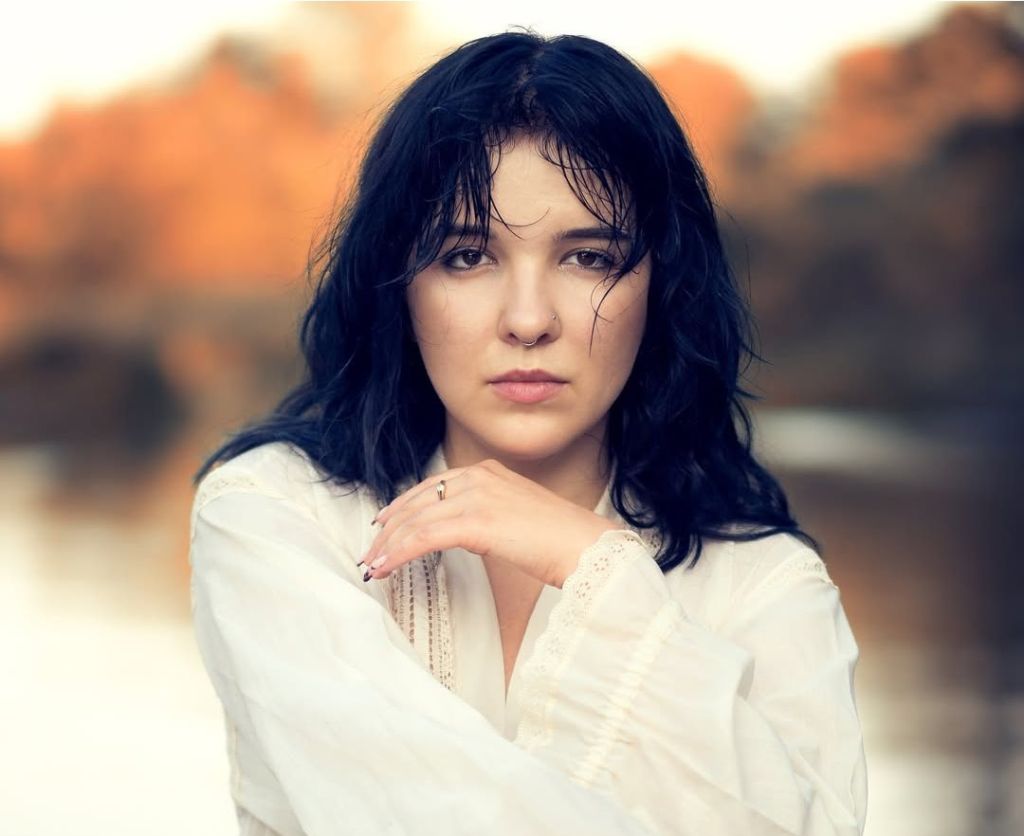

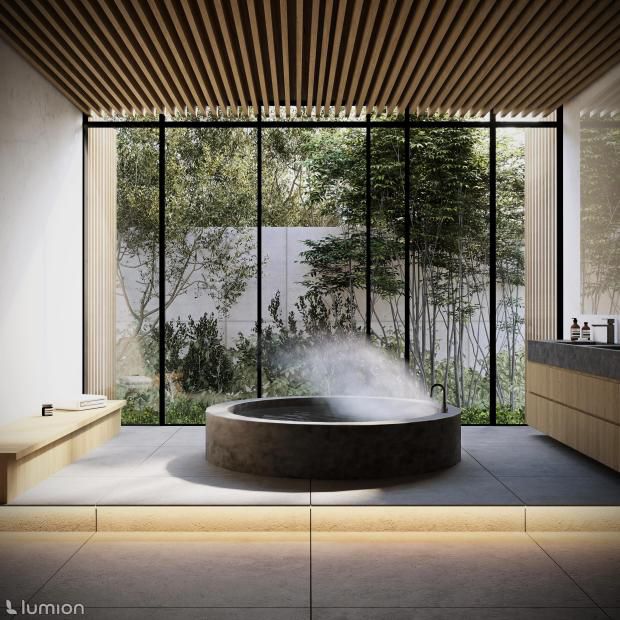
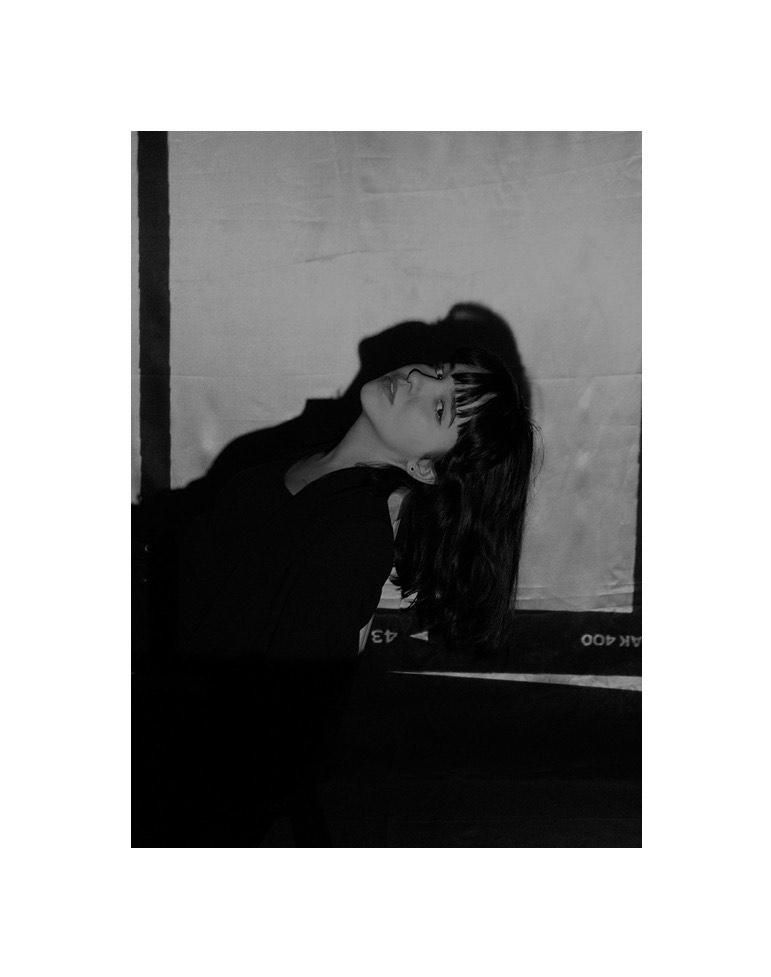
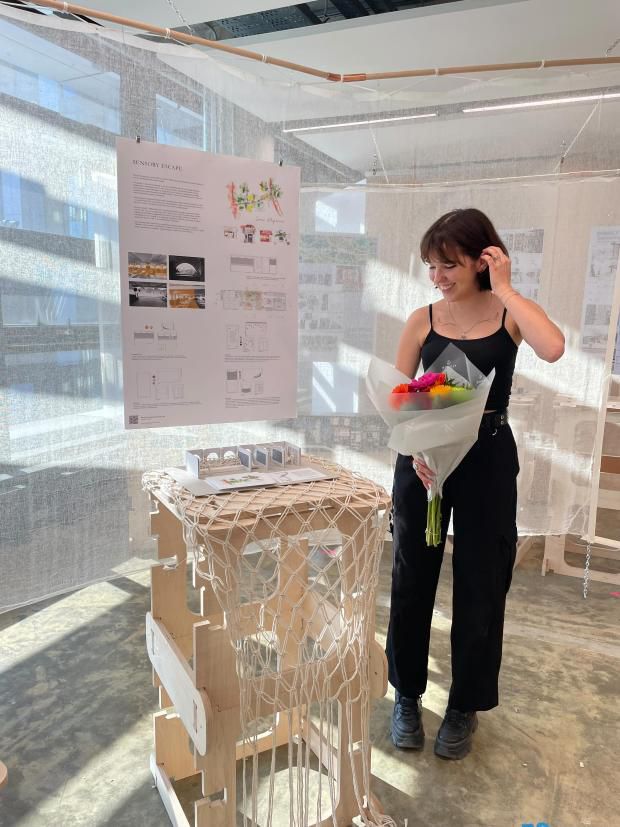

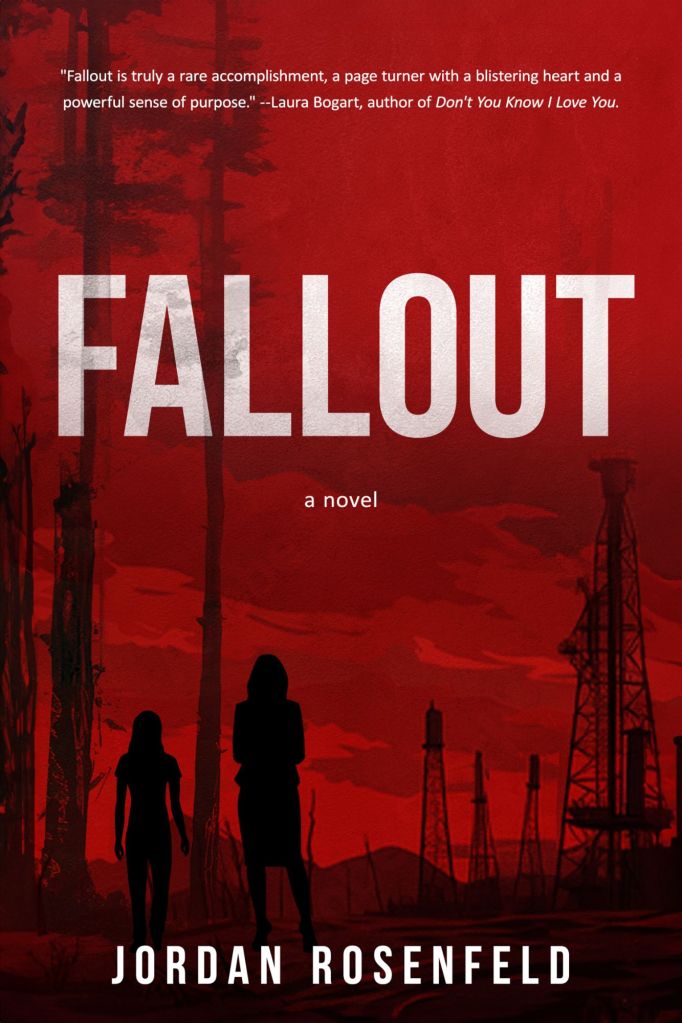



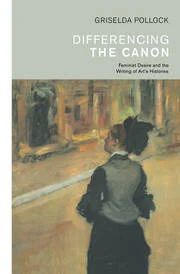
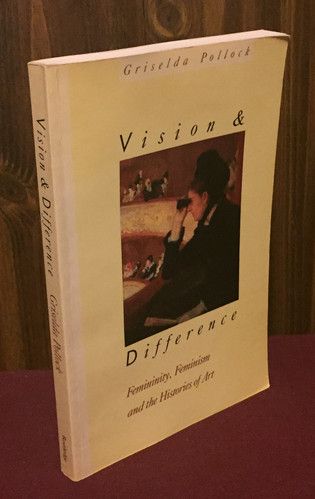
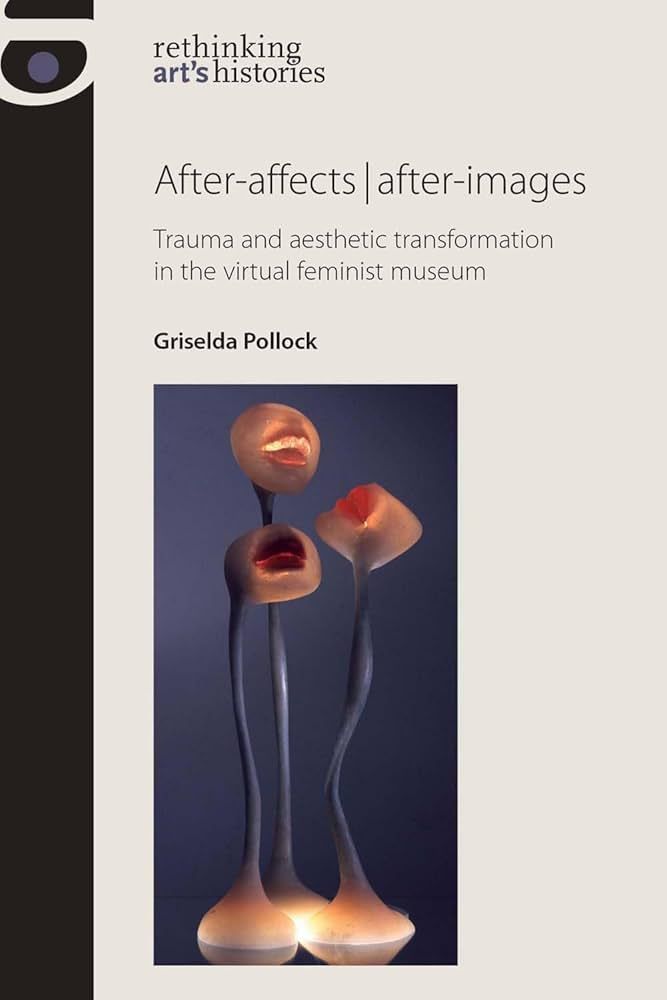
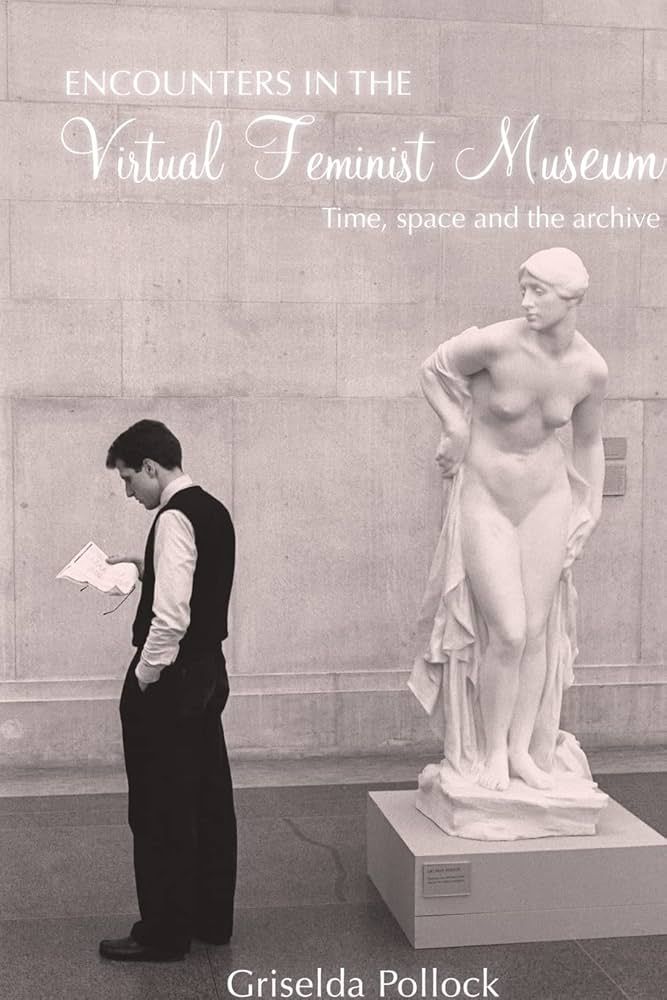
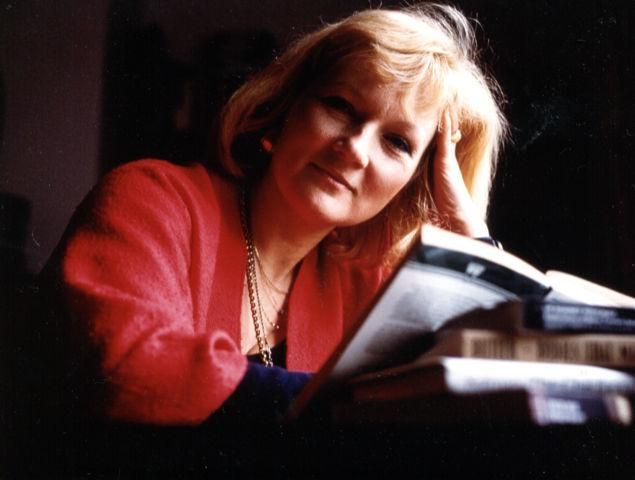
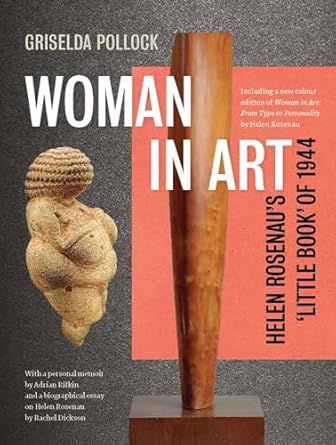
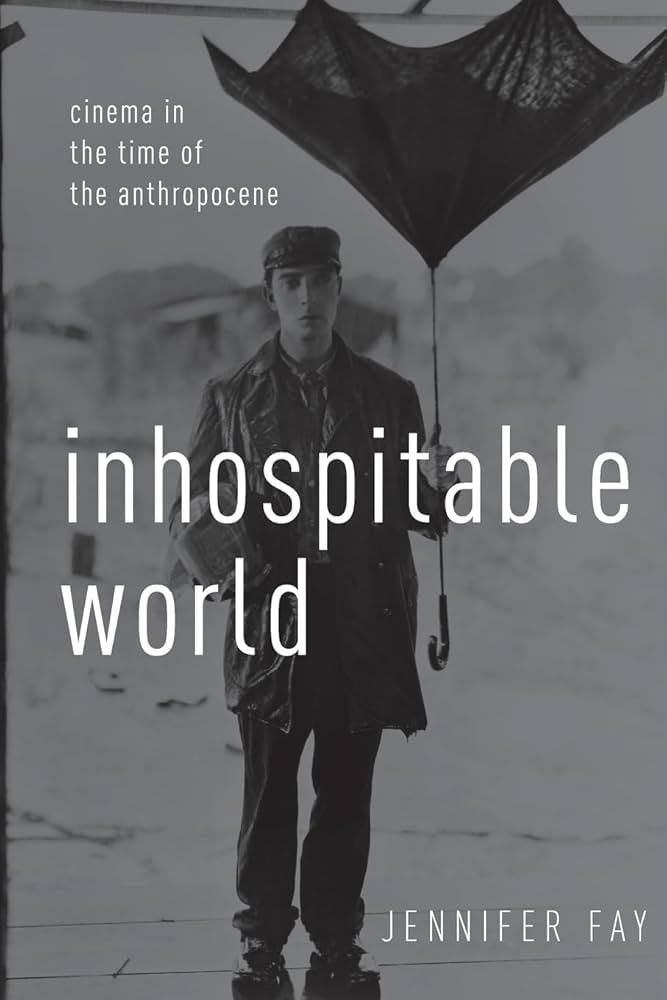

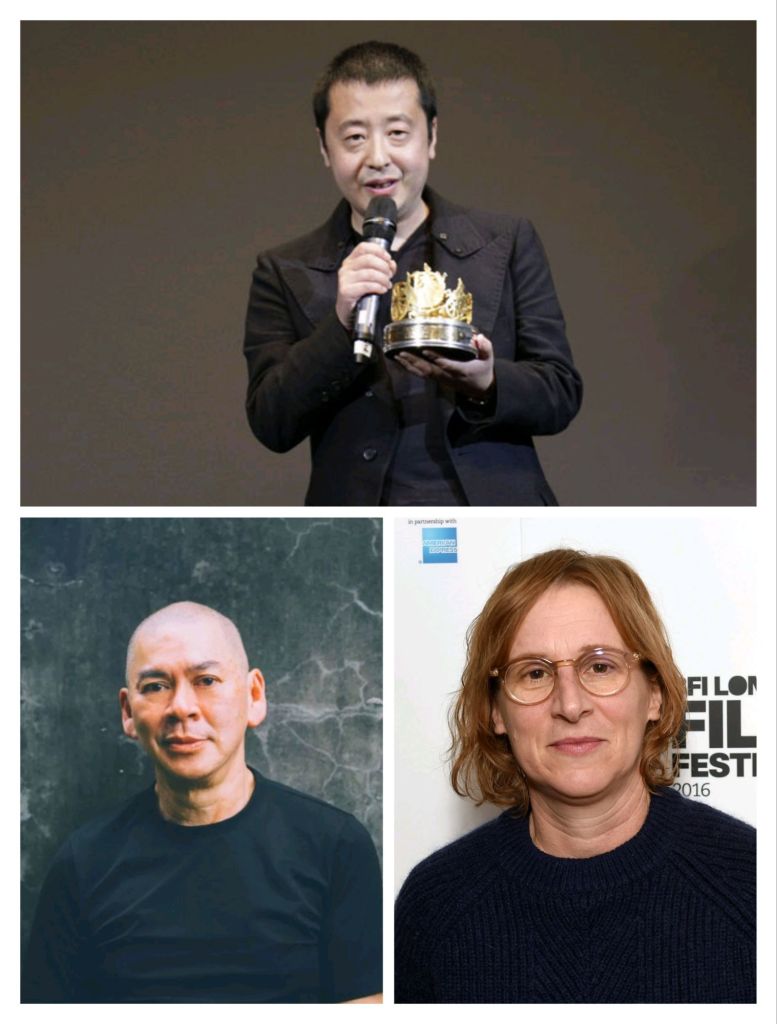
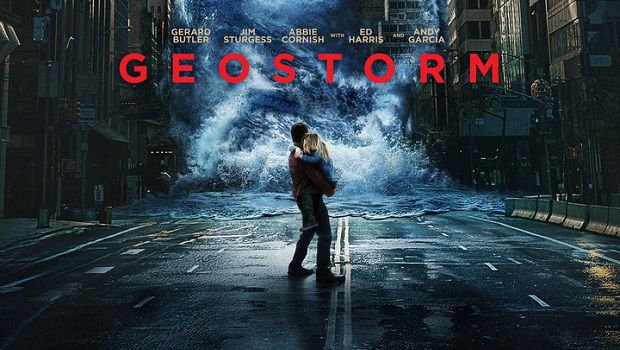
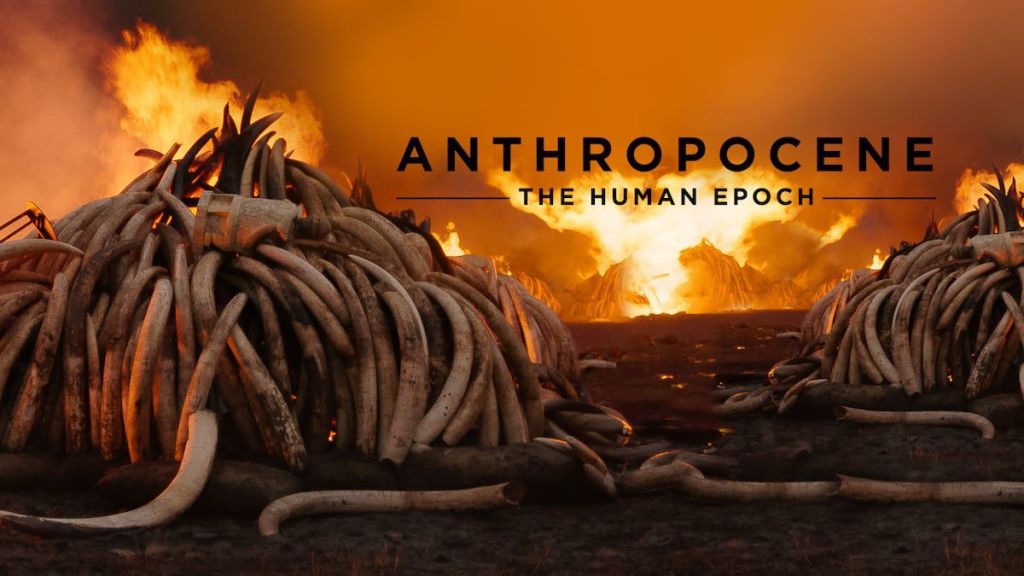
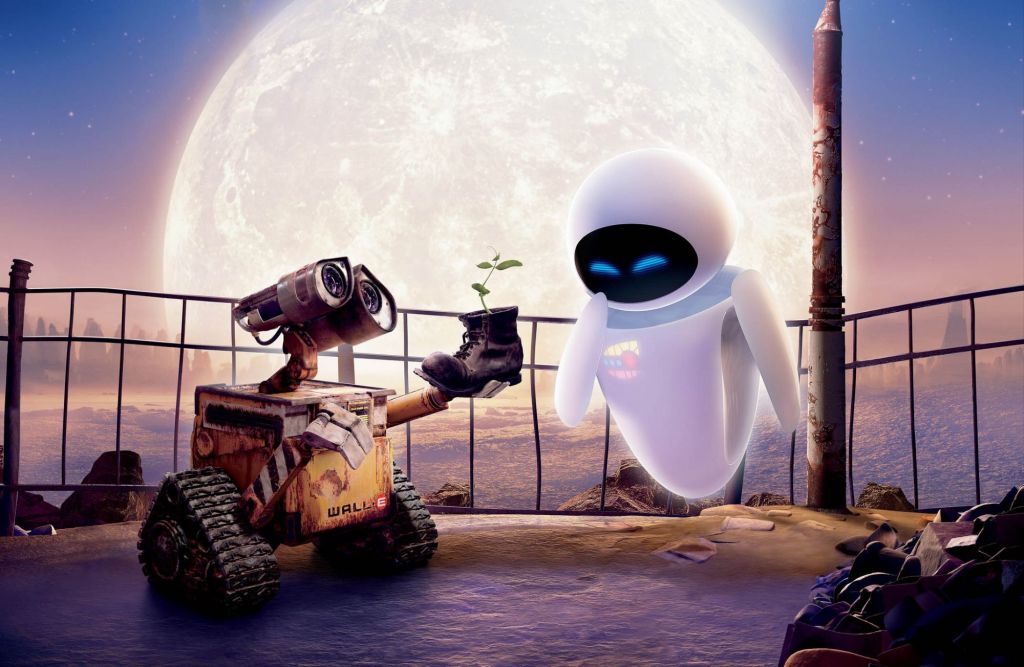

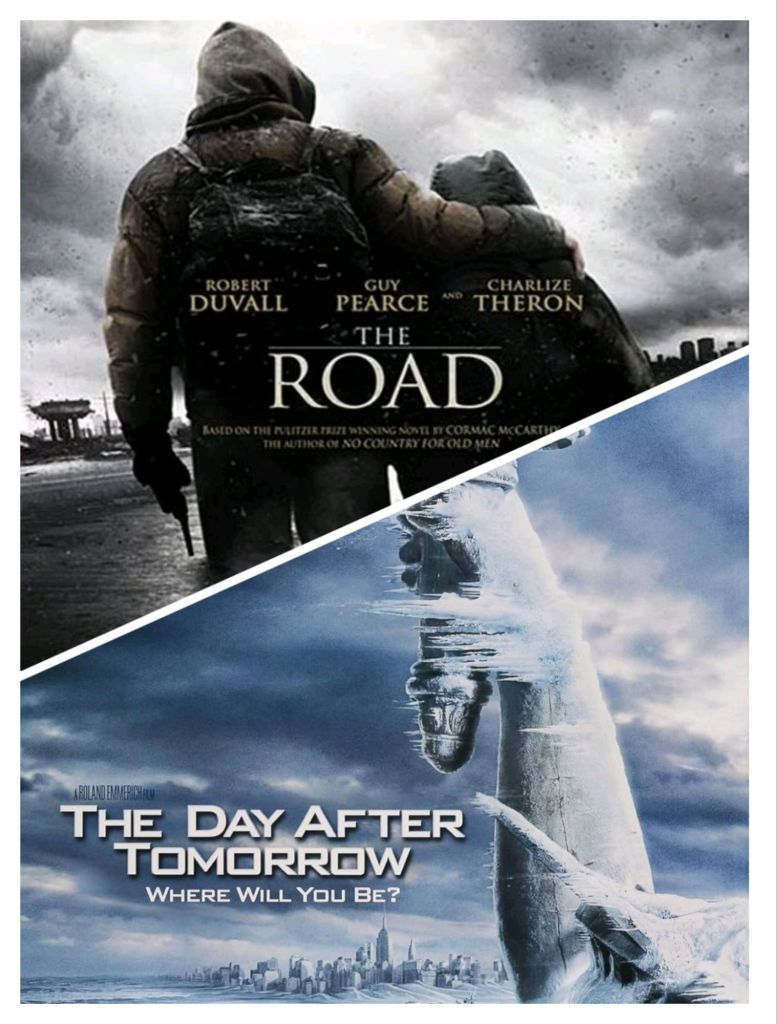








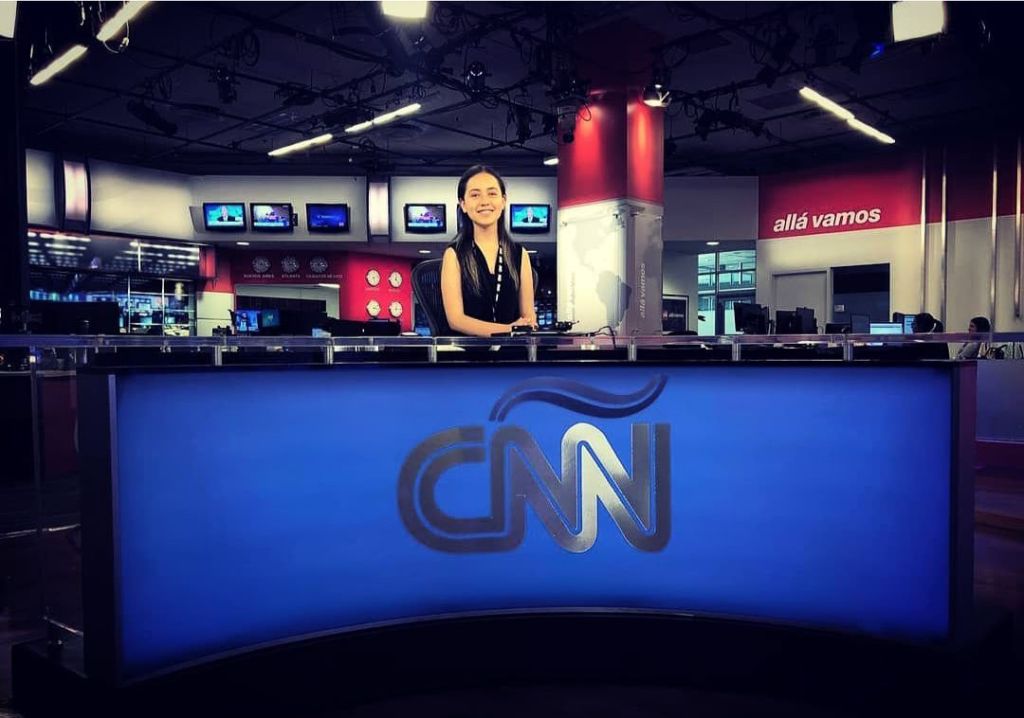



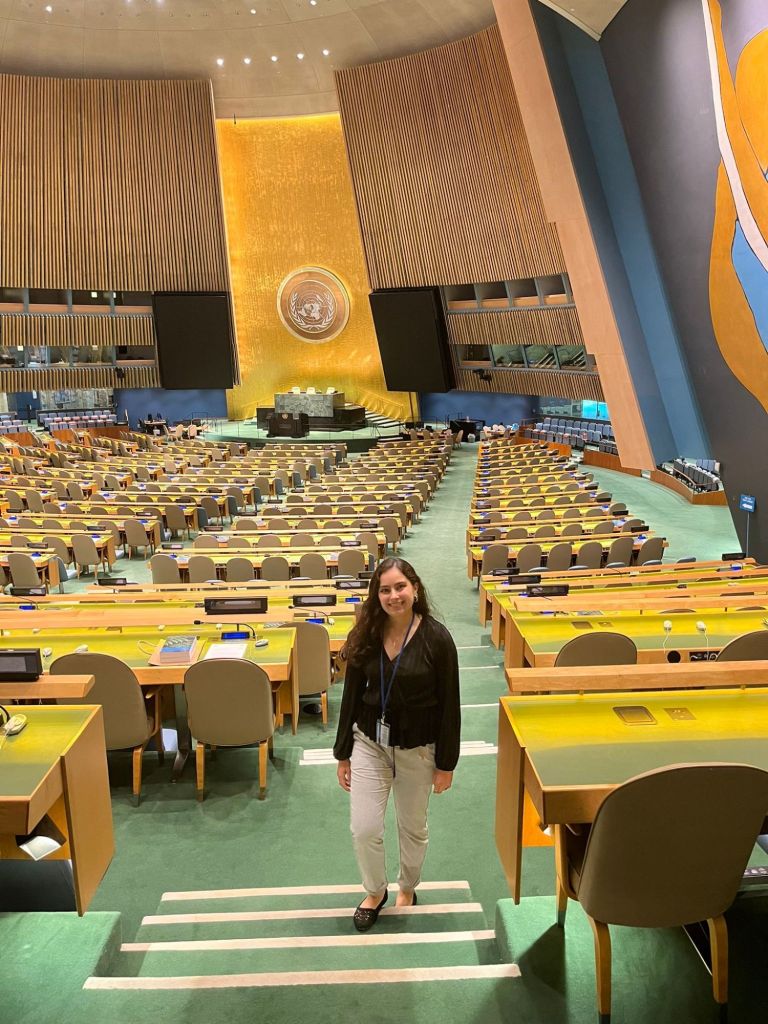
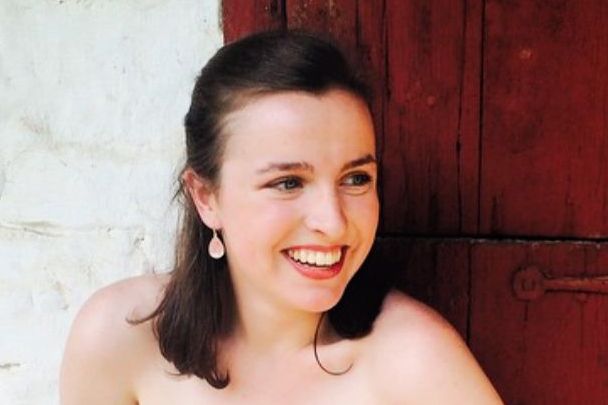
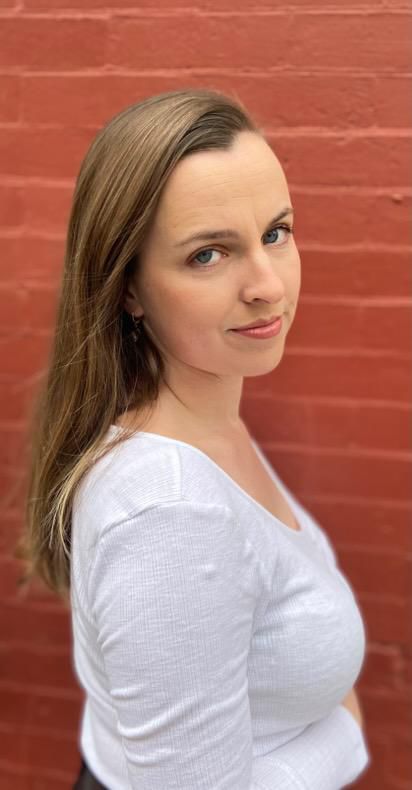
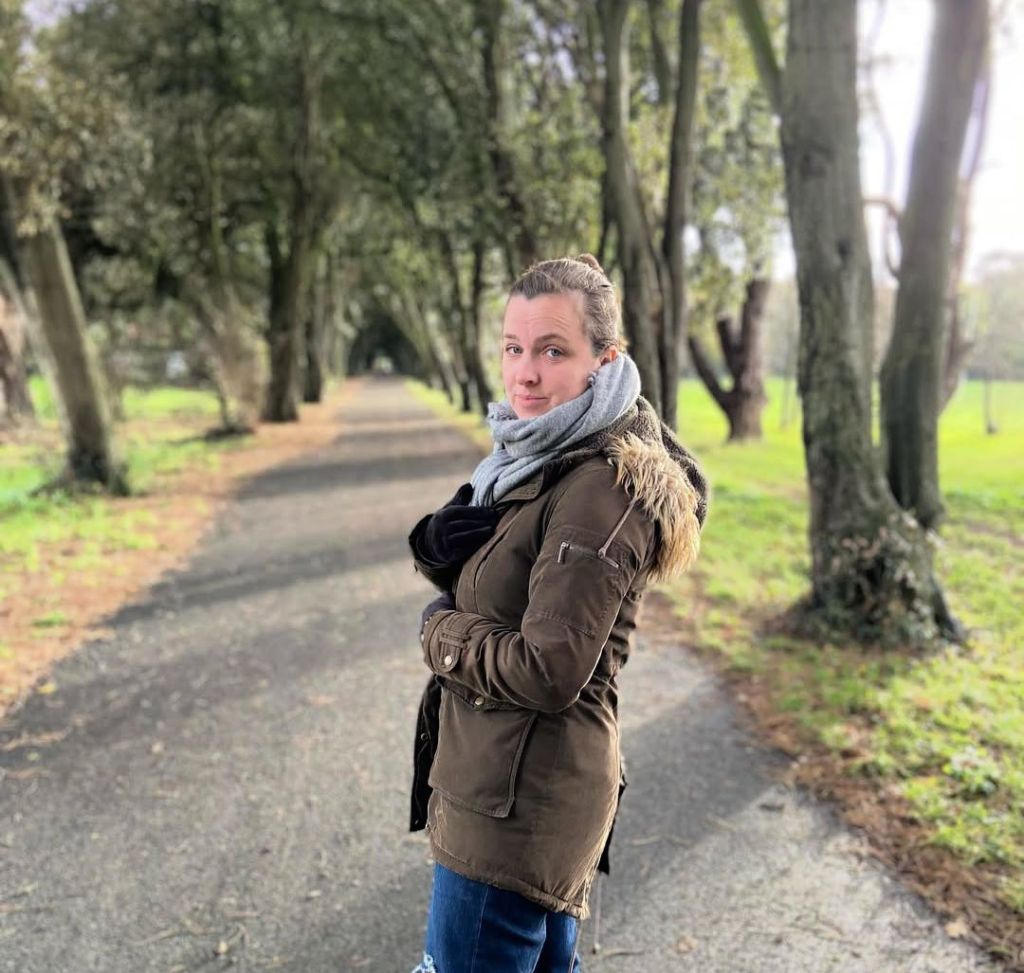



 prcarnetworld.com