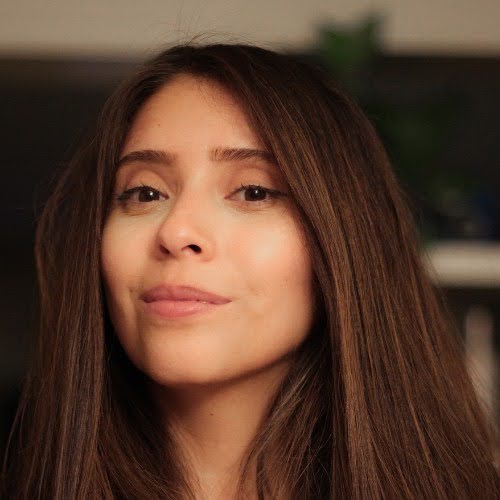
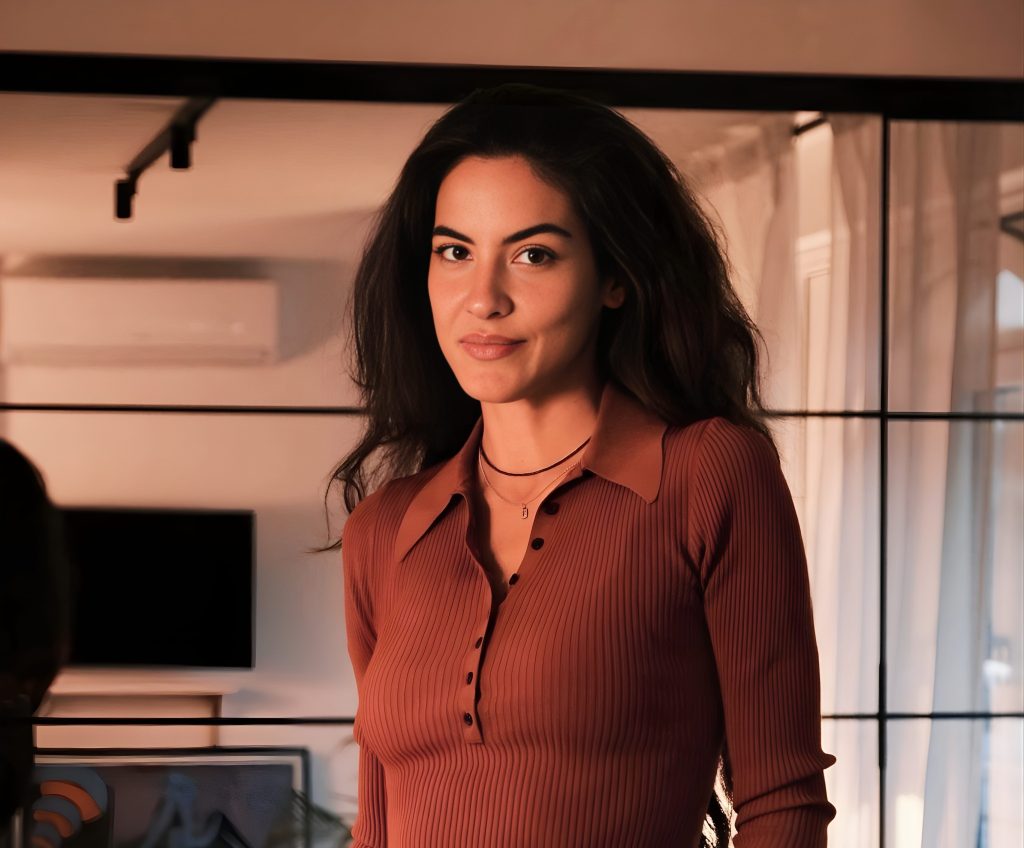
Interview with Executive News Producer and Video Editor Jennifer Mendoza
Can you introduce yourself and share a bit about your background? I was born and grew up in El Paso, Texas. For a majority of my life, I knew that I wanted to tell stories that would impact or inspire others. Never did I think I would enter the world of journalism. I received my…
Can you introduce yourself and share a bit about your background?
I was born and grew up in El Paso, Texas. For a majority of my life, I knew that I wanted to tell stories that would impact or inspire others. Never did I think I would enter the world of journalism. I received my Bachelor’s in Digital Film Making. I gravitated towards video/film editing because I fell in love with putting a story together with the pieces that were collected through the filming process. When you finally see the end product, you feel accomplished by telling a story that maybe no one has ever heard of. I owe my love for storytelling to my family. My mother always took me and my sisters to the movies, and my grandfather shared stories of his life at the ranch my family once owned in Chihuahua.
How do you view the current state of broadcast journalism? Does network ownership impact how stories are covered?
The industry is undergoing significant changes, especially with the rise of streaming and social media. I believe the future is digital, and the days of analog are numbered. This shift is happening at a time when people in towns and cities still rely heavily on local news stations to stay informed about their communities.
The digital age has definitely impacted local stations, particularly in how rating systems are measured. In my experience, network ownership hasn’t directly influenced my current station since we’re owned by a smaller broadcasting company. However, I do think the broader beliefs and bottom lines of broadcasting companies can affect the stories we cover—or don’t cover—potentially shaping the viewers’ perspectives.
With news production being so fast-paced, how do you balance timely, accurate reporting with the desire to produce in-depth, engaging stories?
As journalists, we have to maintain this balance every day. Newsrooms revolve around deadlines, but it’s critical to remain unbiased, fact-check rigorously, and ensure we’re doing justice to the stories we’re telling because people depend on us.
It’s helpful to have trusted colleagues review your work—an outside perspective can ensure you stay focused on the story you’re trying to convey.
What are your future goals in journalism? Where do you see yourself ultimately?
’I’d love to explore different areas of journalism. Fashion has always been a personal interest, but I also hope to work on documentaries that shed light on stories affecting people in significant ways.
In terms of social media, which platforms do you trust the most for news, and why?
’m always skeptical. While many stories are broken on social media, I will constantly question the validity of events that are posted. I think that’s a trait every journalist should keep front and center.

 prcarnetworld.com
Leave a comment