Interview Series: Beyond the Frame — A Journey into Cinema, Storytelling, and the Depths of Human Experience | Interviewer: Arielle Gonzales
How would you define the cultural identity you want this organization to project, and how does cinema as an art form inform that vision?
I want the organization to project a cultural identity that is inclusive, innovative, and open to dialogue between different perspectives. I believe that culture should be a tool for connection, capable of valorizing diversity and stimulating critical thinking. In this sense, cinema plays a fundamental role: through the stories, images, and emotions it evokes, it allows us to explore different realities, foster empathy, and promote a greater understanding of human experiences. This is why I consider cinema not only an art form, but also an effective means of expressing and strengthening the cultural values the organization seeks to represent.
There’s a saying “Cinema is a painted mirror ” I saw you had a similar statement. How does that philosophy shape the way you’d curate or program exhibitions and events?
For me, the idea that “cinema is a painted mirror” means that every work reflects the world, but not in a neutral way: it interprets, reworks, and transforms it through artistic sensibility. This philosophy influences my approach to curating exhibitions and events, because I seek works that don’t simply represent reality, but offer different perspectives on it. In my programming, I’m interested in creating dialogues between works, authors, and audiences, so that viewers can recognize something of their own world and, at the same time, see it from a new perspective. In this sense, an exhibition or festival becomes not only a mirror of society, but also a tool for reflection and imagination.
What’s an artistic risk you’ve taken that didn’t land the way you expected, and what did you learn from that experience?
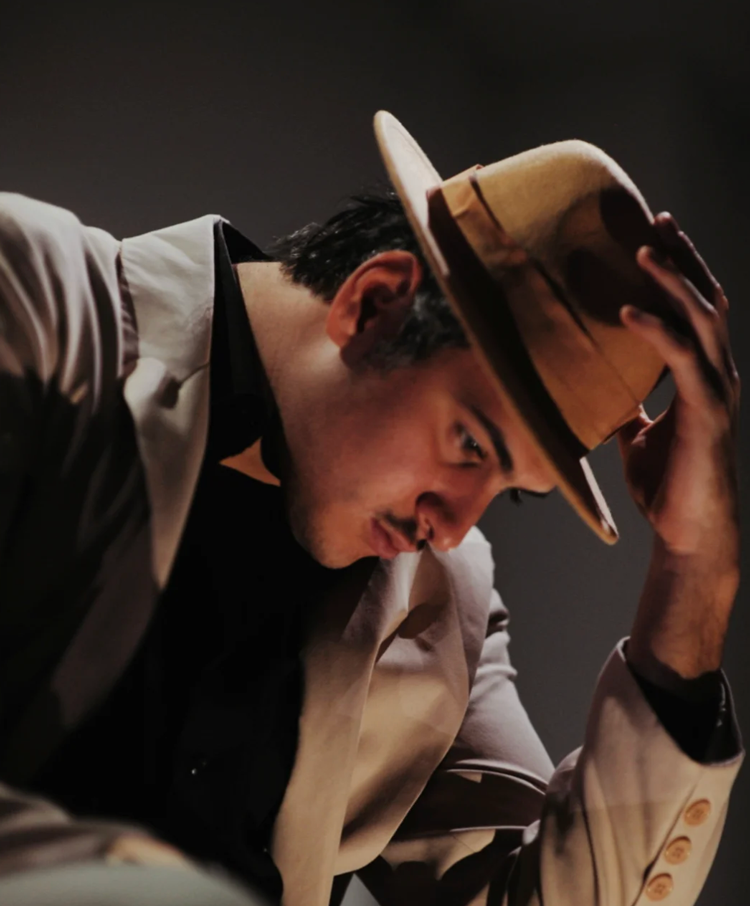
An artistic risk I took was playing a character far removed from my personality and the types of roles I was usually given. I chose to construct it through very strong expressive choices, both physically and emotionally, because I wanted to explore new territory and challenge myself. However, the result wasn’t entirely effective: some choices were more interesting to me as a creative exercise than functional to the story and the character. From that experience, I learned that artistic courage is essential, but it must always be at the service of the story. Today, I continue to take risks, but I try to do so by maintaining a balance between experimentation, listening to the director, and scenic truth.
How do you stay current with emerging artists and movements, especially in film?
I regularly attend festivals like the Cannes Film Festival, the Venice International Film Festival, and the Sundance Film Festival, as well as reading specialized publications and monitoring the selections for the major awards. This allows me to spot new talent and understand the directions in which cinematic language is moving.
What’s your strategy for growing audiences without diluting artistic integrity?
My strategy is always to start from the authenticity of the artistic project. I try to create content and works that truly represent my vision, without chasing every passing trend. To grow my audience, I focus on consistency, quality, and building a genuine relationship with my followers. I use social media and communication tools to share my creative process and make my work more accessible, but without altering the message or style to gain greater visibility. I believe that slower but consistent growth is more sustainable and leads to a truly engaged audience.
Success is often measured by awards, visibility, and follower counts. In your view, where does an artist’s true success begin, and where does it find its meaning?
I believe an artist’s true success begins when they can authentically express their feelings and transform them into something that touches others. Awards, visibility, and followers may be consequences of success, but they don’t necessarily represent its essence. The deepest meaning of artistic success lies in the ability to leave an emotion, a reflection, or a transformation in those who encounter their work. An artist is truly successful when they stay true to their vision and manage to create a sincere connection with their audience, even if that audience isn’t very large.
You have worked alongside an icon like Sophia Loren and shared sets with people from different cultures. What is the most important lesson these experiences have taught you about human nature?
As an extra, I’ve had the privilege of working with extraordinary people, including Sophia Loren, and with professionals from very different cultures. The most important lesson I’ve learned is that authenticity is a universal language. On set, regardless of language, nationality, or experience, what creates a true connection is the sincerity of emotions and mutual respect. I’ve learned that behind every role and every person lie fragilities, dreams, and hopes that make us profoundly similar. This is what has taught me the most about human nature and what I try to bring into my work every day.
An actor constantly inhabits the lives of different characters. Over the years, how have the roles you’ve played helped Antonio Paolo Cisternino better understand himself?
Playing different characters has given me the opportunity to explore aspects of human nature that, in everyday life, often remain hidden. Roles have forced me to confront different emotions, fragilities, fears, and desires, allowing me to understand myself better. Some characters have made me discover sides of my character I didn’t know I possessed, others have taught me empathy and the ability to observe the world from different perspectives. Over the years, I’ve realized that acting isn’t just about telling a story, but also about embarking on a journey of continuous personal growth. Every experience on stage or in front of the camera has left something within me, helping to shape the person I am today.
In the digital age, people are more visible than ever, yet many feel increasingly isolated and misunderstood. What do you believe is the most important role of art in our time?
In my opinion, the most important role of art in our time is to create authentic connections between people. We live in an age where we are constantly connected through technology, yet we often feel alone or misunderstood. Art has the ability to express emotions, experiences, and perspectives that go beyond words, allowing individuals to recognize themselves in others and feel less isolated. Furthermore, art stimulates critical reflection on contemporary society, helping us better understand ourselves and the world around us. For this reason, I believe that art today is a fundamental tool for dialogue, empathy, and awareness.
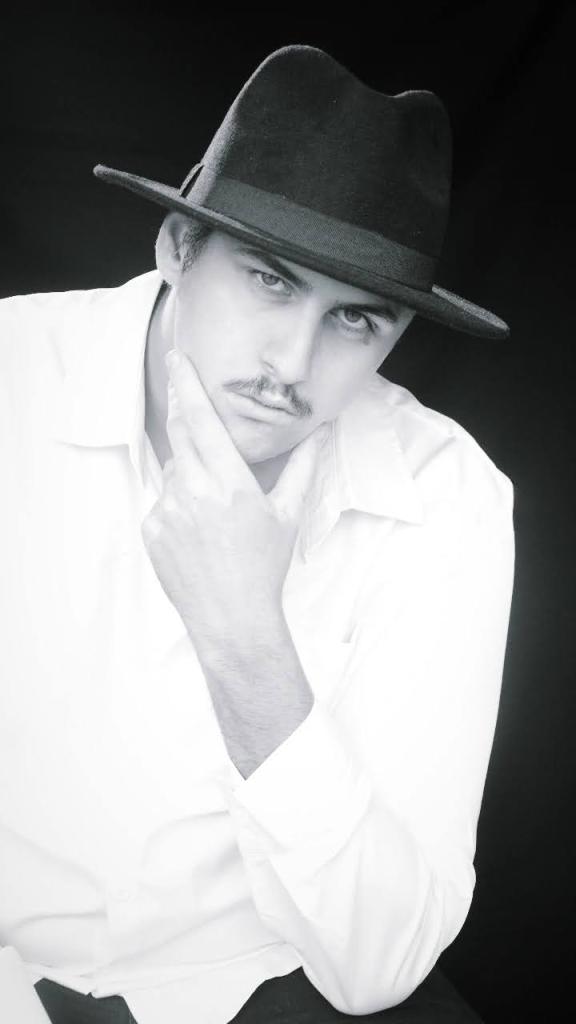
What has been the greatest failure or disappointment of your career so far? Looking back, do you see it as a gift in disguise?
Fortunately, I haven’t experienced a real failure in my film career to date. However, one of the biggest disappointments was not being able to pursue a project I was particularly passionate about due to production and budget constraints. At the time, I saw it as a setback, but over time I’ve realized it pushed me to develop better planning skills, build stronger professional relationships, and better evaluate the feasibility of projects. In that sense, yes, I consider it a gift in disguise because it helped me grow professionally.
People often see an artist’s achievements but rarely the inner struggles behind them. What was the most challenging personal trial that shaped the perspective you hold today? Describe how you desire to create.What advice would someone give?
The advice I would give myself is to have more faith in the path, to stop constantly comparing myself to others, and to remember that every experience, even the most difficult ones, can become a source of inspiration and meaning.

 prcarnetworld.com
Leave a comment